Best outdoor boots are durable, weather-resistant footwear designed for hiking, trekking, and demanding outdoor conditions. They provide traction, ankle support, and protection across varied terrains.
Choosing the right pair can be challenging due to differences in materials, insulation, waterproofing, and fit. The wrong boots can lead to discomfort, fatigue, or reduced performance outdoors.
This guide covers the best outdoor boots, comparing key features, use cases, and performance factors to help you make an informed decision.
Key Takeaways
Choosing the right outdoor boots depends on terrain, weather conditions, and intended use. Key differences in materials, support, and waterproofing directly impact comfort and performance.
- Best overall outdoor boots balance durability, comfort, and traction for varied terrain
- Budget options focus on essential protection without advanced materials or features
- Premium boots offer superior waterproofing, insulation, and long-term durability
- Lightweight models are ideal for day hikes and fast movement
- Heavy-duty boots are better suited for rugged terrain and extended use
- Waterproof boots are essential for wet or unpredictable environments
- Insulated boots are ideal for cold climates and winter use
- Proper fit and ankle support significantly reduce fatigue and injury risk
Understanding these factors helps narrow down options before comparing specific models in detail.
The Best Outdoor Boots
Selecting the best outdoor boots requires a structured evaluation of performance, durability, and real-world usability. Products were chosen based on how well they perform across different terrains, weather conditions, and user needs.
Evaluation criteria included traction, waterproofing, material quality, comfort, ankle support, and long-term durability. We also analyzed customer feedback, expert reviews, and field performance insights to compare reliability and value. This approach ensures that each recommendation reflects both technical performance and real-world usage.
With this methodology in place, the next section highlights quick picks to help you identify top options based on key buying priorities.
Best Outdoor Boots (Quick Picks)
To simplify decision-making, the following quick picks highlight top outdoor boots based on key purchase priorities. These categories focus on performance, value, and durability to match different buyer needs.
| Category | Product | Why It’s Best |
| Best Overall | Salomon Quest 4 GTX | Balanced comfort, support, and durability for all terrains |
| Best Budget | Columbia Newton Ridge Plus II | Affordable, reliable, and lightweight for casual use |
| Best Premium | Lowa Renegade GTX Mid | High-end build quality with excellent long-term comfort |
| Best Value | Merrell Moab 3 Mid Waterproof | Strong performance at a mid-range price |
| Most Durable | Scarpa Zodiac Plus GTX | Built for rugged terrain and heavy use |
| Best Lightweight | Adidas Terrex Swift R3 GTX | Fast, agile design for quick hikes |
| Best Waterproof | KEEN Targhee III Waterproof | Excellent water protection with solid traction |
| Best For Winter | Oboz Bridger Insulated B-Dry | Insulated design for cold and snowy conditions |
Each of these categories addresses a specific buying priority, making it easier to match a boot to your intended use. The following sections provide detailed reviews of each top pick.
Best Overall Outdoor Boots – Salomon Quest 4 GTX
Salomon Quest 4 GTX is a high-performance hiking boot designed for stability, durability, and long-distance comfort. It stands out as a reliable all-terrain option suitable for both casual hikers and serious outdoor enthusiasts.
This model excels due to its advanced chassis system, which enhances ankle support while maintaining flexibility. Combined with premium materials and a proven traction system, it delivers consistent performance across rocky, muddy, and uneven terrain.
| Category | Product | Type / Power Source | Size / Capacity | Price Range | Best For |
| Best Overall | Salomon Quest 4 GTX | Hiking Boot (GORE-TEX) | Mid-cut | $230 | All-terrain hiking and long treks |
Key Features
- GORE-TEX waterproof membrane for reliable weather protection
- Advanced chassis system for enhanced stability and ankle support
- Contagrip outsole for superior traction on mixed terrain
- Durable nubuck leather and textile upper
- Comfortable cushioning for extended wear
Who It’s For
Ideal for hikers needing all-day comfort and stability across varied terrain.
Who Should Avoid It
Not suitable for users seeking ultra-lightweight or minimalist footwear.
Competitor Comparisons
| Feature | Salomon Quest 4 GTX | Lowa Renegade GTX Mid | Merrell Moab 3 Mid |
| Support Level | High | Medium-High | Medium |
| Weight | Moderate | Moderate | Lightweight |
| Durability | High | High | Medium |
| Price | $230 | $255 | $140 |
Alternatives
Consider Lowa Renegade GTX Mid for premium comfort or Merrell Moab 3 for budget-friendly versatility.
Overall, the Salomon Quest 4 GTX offers a strong balance of comfort, support, and durability, making it a dependable choice for most outdoor conditions.
Best Budget Outdoor Boots – Columbia Newton Ridge Plus II
Columbia Newton Ridge Plus II is an affordable outdoor boot designed for light hiking and everyday trail use. It offers reliable performance at a lower price point, making it accessible for beginners and casual users.
This model stands out for delivering essential features like waterproofing and traction without the premium cost. Its lightweight construction and comfortable fit make it suitable for short hikes, travel, and general outdoor activities.
| Category | Product | Type / Power Source | Size / Capacity | Price Range | Best For |
| Best Budget | Columbia Newton Ridge Plus II | Hiking Boot (Waterproof) | Mid-cut | $90 | Casual hiking and everyday outdoor use |
Key Features
- Waterproof seam-sealed construction for basic moisture protection
- Lightweight midsole for comfort and shock absorption
- Omni-Grip rubber outsole for reliable traction
- Durable leather and mesh upper for breathability
- Cushioned footbed for everyday comfort
Who It’s For
Best for beginners or casual hikers seeking an affordable and functional boot.
Who Should Avoid It
Not ideal for rugged terrain or extended multi-day treks.
Competitor Comparisons
| Feature | Columbia Newton Ridge Plus II | Merrell Moab 3 Mid | KEEN Targhee III |
| Price | $90 | $140 | $165 |
| Weight | Lightweight | Lightweight | Moderate |
| Durability | Medium | Medium | Medium-High |
| Waterproofing | Basic | Moderate | Strong |
Alternatives
Consider Merrell Moab 3 Mid for better cushioning or KEEN Targhee III for enhanced durability.
Overall, the Columbia Newton Ridge Plus II delivers solid entry-level performance, making it a practical choice for budget-conscious outdoor users.
Best Premium Outdoor Boots – Lowa Renegade GTX Mid
Lowa Renegade GTX Mid is a premium hiking boot known for its exceptional comfort, craftsmanship, and long-term durability. It is widely recognized for delivering consistent performance on demanding trails and extended outdoor use.
This model stands out due to its high-quality nubuck leather construction and precise fit design. It combines excellent support with flexibility, making it suitable for both rugged hikes and long-distance trekking without sacrificing comfort.
| Category | Product | Type / Power Source | Size / Capacity | Price Range | Best For |
| Best Premium | Lowa Renegade GTX Mid | Hiking Boot (GORE-TEX) | Mid-cut | $255 | Long-distance hiking and rugged terrain |
Key Features
- GORE-TEX lining for reliable waterproofing and breathability
- Full-grain nubuck leather upper for durability
- Vibram outsole for strong traction and grip
- Monowrap frame construction for stability
- Climate control footbed for moisture management
Who It’s For
Ideal for serious hikers seeking premium comfort and long-term reliability.
Who Should Avoid It
Not suitable for users on a tight budget or those needing ultra-light boots.
Competitor Comparisons
| Feature | Lowa Renegade GTX Mid | Salomon Quest 4 GTX | Scarpa Zodiac Plus GTX |
| Comfort | Excellent | Very Good | Good |
| Durability | High | High | Very High |
| Weight | Moderate | Moderate | Heavy |
| Price | $255 | $230 | $300 |
Alternatives
Consider Salomon Quest 4 GTX for better flexibility or Scarpa Zodiac Plus GTX for maximum durability.
Overall, the Lowa Renegade GTX Mid delivers premium comfort and build quality, making it a strong choice for demanding outdoor adventures.
Best Value Outdoor Boots – Merrell Moab 3 Mid Waterproof
Merrell Moab 3 Mid Waterproof is a well-balanced hiking boot that offers strong performance at a mid-range price. Known for its comfort and versatility, it is a popular choice among hikers seeking reliability without overspending.
This model stands out by combining cushioning, durability, and waterproof protection in a lightweight design. It performs well across a variety of terrains, making it suitable for both beginners and experienced users looking for dependable everyday outdoor footwear.
| Category | Product | Type / Power Source | Size / Capacity | Price Range | Best For |
| Best Value | Merrell Moab 3 Mid Waterproof | Hiking Boot (Waterproof) | Mid-cut | $140 | Versatile hiking and everyday outdoor use |
Key Features
- Waterproof membrane to keep feet dry in wet conditions
- Air cushion heel for shock absorption and stability
- Vibram TC5+ outsole for dependable traction
- Breathable mesh and leather upper
- Comfortable insole designed for long wear
Who It’s For
Great for users seeking a balance between performance, comfort, and affordability.
Who Should Avoid It
Not ideal for extreme conditions or heavy-duty mountaineering.
Competitor Comparisons
| Feature | Merrell Moab 3 Mid | Columbia Newton Ridge Plus II | KEEN Targhee III |
| Comfort | High | Moderate | High |
| Durability | Medium | Medium | Medium-High |
| Weight | Lightweight | Lightweight | Moderate |
| Price | $140 | $90 | $165 |
Alternatives
Consider KEEN Targhee III for added durability or Salomon Quest 4 GTX for higher performance.
Overall, the Merrell Moab 3 Mid Waterproof delivers excellent value, making it a reliable option for most outdoor activities.
Most Durable Outdoor Boots – Scarpa Zodiac Plus GTX
Scarpa Zodiac Plus GTX is a rugged outdoor boot engineered for demanding terrain and long-term durability. It is designed for users who require maximum protection, stability, and resistance to wear in harsh environments.
This model stands out with its heavy-duty construction and reinforced design, making it ideal for rocky trails, scrambling, and extended backcountry use. Its build quality prioritizes longevity without compromising essential comfort and support.
| Category | Product | Type / Power Source | Size / Capacity | Price Range | Best For |
| Most Durable | Scarpa Zodiac Plus GTX | Hiking Boot (GORE-TEX) | Mid-cut | $300 | Rugged terrain and heavy-duty outdoor use |
Key Features
- GORE-TEX lining for waterproof and breathable performance
- Perwanger suede leather upper for enhanced durability
- Vibram outsole with climbing zone for superior grip
- Reinforced toe rand for added protection
- Supportive midsole for stability on uneven surfaces
Who It’s For
Best for experienced hikers tackling rough terrain and demanding conditions.
Who Should Avoid It
Not suitable for casual users or those prioritizing lightweight comfort.
Competitor Comparisons
| Feature | Scarpa Zodiac Plus GTX | Salomon Quest 4 GTX | Lowa Renegade GTX Mid |
| Durability | Very High | High | High |
| Weight | Heavy | Moderate | Moderate |
| Protection | Excellent | Very Good | Good |
| Price | $300 | $230 | $255 |
Alternatives
Consider Salomon Quest 4 GTX for better flexibility or Lowa Renegade GTX Mid for enhanced comfort.
Overall, the Scarpa Zodiac Plus GTX is built for durability and protection, making it a top choice for challenging outdoor conditions.
Best Lightweight Outdoor Boots – Adidas Terrex Swift R3 GTX
Adidas Terrex Swift R3 GTX is a lightweight outdoor boot designed for speed, agility, and efficient movement on the trail. It is ideal for hikers who prioritize reduced weight without sacrificing essential protection and traction.
This model stands out for its athletic design, combining trail-running shoe agility with hiking boot stability. Its lightweight build allows faster movement, while the GORE-TEX lining ensures reliable waterproof performance in changing conditions.
| Category | Product | Type / Power Source | Size / Capacity | Price Range | Best For |
| Best Lightweight | Adidas Terrex Swift R3 GTX | Hiking Boot (GORE-TEX) | Mid-cut | $180 | Fast hiking and light trail use |
Key Features
- Lightweight construction for reduced fatigue
- GORE-TEX membrane for waterproof protection
- Continental rubber outsole for excellent grip
- Speed lacing system for quick adjustments
- Reinforced upper for durability despite low weight
Who It’s For
Ideal for hikers who prefer speed, agility, and lighter gear on the trail.
Who Should Avoid It
Not suitable for heavy loads or extremely rugged terrain.
Competitor Comparisons
| Feature | Adidas Terrex Swift R3 GTX | Merrell Moab 3 Mid | Salomon Quest 4 GTX |
| Weight | Very Light | Light | Moderate |
| Comfort | High | High | Very High |
| Durability | Medium | Medium | High |
| Price | $180 | $140 | $230 |
Alternatives
Consider Merrell Moab 3 Mid for better cushioning or Salomon Quest 4 GTX for added support.
Overall, the Adidas Terrex Swift R3 GTX delivers speed and efficiency, making it a strong choice for lightweight outdoor performance.
Best Waterproof Outdoor Boots – KEEN Targhee III Waterproof
KEEN Targhee III Waterproof is a reliable outdoor boot built for wet and unpredictable conditions. It is known for its strong waterproofing performance combined with comfort and stability on varied terrain.
This model stands out with its KEEN.DRY waterproof membrane and durable construction, providing consistent protection against moisture while maintaining breathability. Its wide fit design also enhances comfort for extended wear.
| Category | Product | Type / Power Source | Size / Capacity | Price Range | Best For |
| Best Waterproof | KEEN Targhee III Waterproof | Hiking Boot (Waterproof) | Mid-cut | $165 | Wet trails and all-weather hiking |
Key Features
- KEEN.DRY waterproof membrane for effective moisture protection
- Rugged rubber outsole for strong traction on wet surfaces
- Supportive midsole for stability and comfort
- Leather upper with reinforced toe protection
- Breathable lining to reduce internal moisture buildup
Who It’s For
Best for hikers frequently encountering wet, muddy, or rainy conditions.
Who Should Avoid It
Not ideal for those needing ultra-lightweight or highly breathable boots for dry climates.
Competitor Comparisons
| Feature | KEEN Targhee III | Salomon Quest 4 GTX | Columbia Newton Ridge Plus II |
| Waterproofing | Strong | Very Strong | Moderate |
| Comfort | High | Very High | Moderate |
| Weight | Moderate | Moderate | Lightweight |
| Price | $165 | $230 | $90 |
Alternatives
Consider Salomon Quest 4 GTX for premium waterproofing or Columbia Newton Ridge for a budget option.
Overall, the KEEN Targhee III Waterproof offers dependable protection in wet conditions, making it a practical choice for all-weather outdoor use.
Best For Winter Outdoor Boots – Oboz Bridger Insulated B-Dry
Oboz Bridger Insulated B-Dry is a cold-weather outdoor boot specifically designed for winter hiking and snow conditions. It combines insulation, waterproofing, and traction to maintain comfort and stability in freezing environments.
This model stands out due to its insulated construction and winter-ready outsole, which provides reliable grip on icy and snowy terrain. Its design focuses on retaining warmth while preventing moisture buildup, making it suitable for extended use in cold climates.
| Category | Product | Type / Power Source | Size / Capacity | Price Range | Best For |
| Best For Winter | Oboz Bridger Insulated B-Dry | Insulated Hiking Boot (Waterproof) | Mid-cut | $200 | Cold climates and snowy conditions |
Key Features
- 200g insulation for warmth in freezing temperatures
- B-Dry waterproof membrane for moisture protection
- Winter-specific outsole for improved traction on snow and ice
- Durable leather upper for cold-weather durability
- Thermal insole for enhanced heat retention
Who It’s For
Best for hikers and outdoor users operating in cold, snowy, or icy environments.
Who Should Avoid It
Not suitable for warm climates or lightweight summer hiking.
Competitor Comparisons
| Feature | Oboz Bridger Insulated | KEEN Targhee III | Salomon Quest 4 GTX |
| Insulation | High | None | Minimal |
| Cold Weather Use | Excellent | Moderate | Moderate |
| Weight | Moderate | Moderate | Heavy |
| Price | $200 | $165 | $230 |
Alternatives
Consider KEEN Targhee III for all-weather use or Salomon Quest 4 GTX for multi-season versatility.
Overall, the Oboz Bridger Insulated B-Dry delivers strong winter performance, making it a dependable choice for cold-weather outdoor use.
Outdoor Boots Comparison Table
The table below provides a side-by-side comparison of top outdoor boots based on specific user needs and real-world use cases. It helps identify the most suitable option depending on terrain, experience level, and environmental conditions.
| Category | Product | Type / Power Source | Size / Capacity | Weather Resistance | Key Features | Best For | Price Range |
| Best Outdoor Boots For Hiking | Salomon Quest 4 GTX | GORE-TEX Hiking Boot | Mid-cut | Waterproof | Advanced chassis, strong grip | Long-distance hiking | $230 |
| Best Outdoor Boots For Beginners | Columbia Newton Ridge Plus II | Waterproof Hiking Boot | Mid-cut | Water-resistant | Lightweight, affordable | Entry-level users | $90 |
| Best Outdoor Boots For Wide Feet | KEEN Targhee III Waterproof | Waterproof Hiking Boot | Mid-cut | Waterproof | Wide fit, durable outsole | Comfort-focused users | $165 |
| Best Outdoor Boots For Backpacking | Lowa Renegade GTX Mid | GORE-TEX Hiking Boot | Mid-cut | Waterproof | High support, durable build | Multi-day treks | $255 |
| Best Outdoor Boots For Trail Running | Adidas Terrex Swift R3 GTX | Lightweight Hiking Boot | Mid-cut | Waterproof | Lightweight, agile design | Fast-paced hikes | $180 |
| Best Outdoor Boots For Snow | Oboz Bridger Insulated B-Dry | Insulated Boot | Mid-cut | Waterproof + Insulated | Thermal lining, winter grip | Snow and ice conditions | $200 |
| Best Outdoor Boots For Rocky Terrain | Scarpa Zodiac Plus GTX | GORE-TEX Hiking Boot | Mid-cut | Waterproof | Reinforced toe, climbing zone | Technical terrain | $300 |
| Best Outdoor Boots For Everyday Use | Merrell Moab 3 Mid Waterproof | Waterproof Hiking Boot | Mid-cut | Water-resistant | Cushioned, versatile | Casual outdoor wear | $140 |
These categories reflect real buyer intent and help narrow down the best option based on specific use cases. The following sections provide detailed reviews for each category listed above.
Best Outdoor Boots For Hiking – Salomon Quest 4 GTX
Salomon Quest 4 GTX is a top-tier hiking boot built for long-distance trekking and demanding terrain. It is widely recognized for its stability, durability, and ability to handle heavy loads on technical trails.
This model stands out due to its advanced chassis system and high ankle support, which help reduce fatigue on uneven terrain. Its GORE-TEX membrane ensures waterproof protection, while the Contagrip outsole delivers strong traction even on slippery surfaces.
Key Specifications
| Feature | Specification |
| Type | Mid-cut hiking boot |
| Waterproofing | GORE-TEX membrane |
| Weight | ~2 lb 14 oz (pair) |
| Upper Material | Leather/Textile |
| Outsole | Contagrip rubber |
| Support | High ankle support |
| Best Use | Hiking, backpacking |
| Price | $230 |
Pros and Cons
| Pros | Cons |
| Excellent traction on varied terrain | Heavier than lightweight boots |
| Strong ankle support for stability | Overbuilt for casual hikes |
| Reliable waterproof performance | Requires break-in period |
| Durable construction for long-term use | Less flexible than lighter models |
Key Features
Advanced Stability System
Provides strong ankle support and reduces risk on uneven ground.
Waterproof GORE-TEX Membrane
Keeps feet dry in wet conditions while maintaining breathability.
Contagrip Outsole
Delivers high traction on mud, rock, and slippery surfaces.
Durable Construction
Built with reinforced materials for long-term rugged use.
Best For
- Long-distance hikers needing stability
- Backpackers carrying heavy loads
- Users tackling rocky or uneven terrain
Performance and Real-World Use
| Aspect | Performance |
| Traction | Excellent grip on wet and rocky terrain |
| Comfort | Comfortable after break-in for long hikes |
| Durability | Holds up well under heavy use |
| Ease of Use | Moderate due to weight |
| Reliability | Consistent in harsh outdoor conditions |
In real-world use, the Salomon Quest 4 GTX performs best on demanding trails where stability and durability matter most. It is less suited for casual or short hikes due to its weight.
Best Outdoor Boots For Beginners – Columbia Newton Ridge Plus II
Columbia Newton Ridge Plus II is a beginner-friendly outdoor boot designed for ease of use, comfort, and affordability. It is widely recommended for new hikers who need reliable performance without investing in premium gear.
This model stands out because it balances lightweight construction with essential outdoor features like waterproofing and traction. Its simple design makes it easy to break in, while still providing enough support for light trails and everyday outdoor activities.
Key Specifications
| Feature | Specification |
| Type | Mid-cut hiking boot |
| Waterproofing | Seam-sealed waterproof construction |
| Weight | ~2 lbs (pair) |
| Upper Material | Leather/Mesh |
| Outsole | Omni-Grip rubber |
| Support | Moderate ankle support |
| Best Use | Beginner hiking, casual trails |
| Price | $90 |
Pros and Cons
| Pros | Cons |
| Affordable entry-level price | Limited durability for rough terrain |
| Lightweight and comfortable | Basic waterproofing compared to premium boots |
| Easy break-in period | Less ankle support for heavy loads |
| Good traction for light trails | Not ideal for long-distance hiking |
Key Features
Lightweight Construction
Reduces fatigue for beginners who are not used to heavier boots.
Waterproof Protection
Keeps feet dry in light rain and damp trail conditions.
Omni-Grip Outsole
Provides stable traction on dirt, gravel, and mild terrain.
Cushioned Midsole
Enhances comfort during short hikes and daily outdoor use.
Best For
- Beginner hikers starting with short trails
- Casual outdoor users and travelers
- Budget-conscious buyers testing outdoor gear
Performance and Real-World Use
| Aspect | Performance |
| Traction | Reliable on basic trails and dry surfaces |
| Comfort | Comfortable right out of the box |
| Durability | Moderate for occasional use |
| Ease of Use | Very easy for beginners |
| Reliability | Best for light outdoor conditions |
In real-world use, the Columbia Newton Ridge Plus II performs best on easy trails and casual outdoor activities. It is a practical starting point for beginners but may need upgrading for more demanding terrain.
Best Outdoor Boots For Wide Feet – KEEN Targhee III Waterproof
KEEN Targhee III Waterproof is a standout outdoor boot designed specifically for comfort-focused users, especially those with wider feet. It combines a roomy fit with durable construction and dependable waterproofing for varied trail conditions.
This model stands out due to its wider toe box and supportive structure, which reduces pressure during long hikes. Its KEEN.DRY waterproof membrane keeps feet dry, while the rugged outsole provides traction on uneven and wet terrain, making it a reliable choice for comfort-driven outdoor use.
Key Specifications
| Feature | Specification |
| Type | Mid-cut hiking boot |
| Waterproofing | KEEN.DRY waterproof membrane |
| Weight | ~2 lbs 6 oz (pair) |
| Upper Material | Leather |
| Outsole | KEEN All-Terrain rubber |
| Support | Moderate-high support |
| Best Use | Hiking, wide-foot comfort |
| Price | $165 |
Pros and Cons
| Pros | Cons |
| Wide toe box improves comfort | Slightly bulky design |
| Strong waterproof protection | Less breathable in hot weather |
| Good traction on wet terrain | Heavier than lightweight boots |
| Durable leather construction | Not ideal for speed hiking |
Key Features
Wide Fit Design
Provides extra room in the toe box, reducing pressure and improving comfort.
KEEN.DRY Waterproofing
Prevents water entry while allowing internal moisture to escape.
Rugged Outsole Grip
Ensures stability on slippery, muddy, and uneven surfaces.
Protective Toe Cap
Adds durability and protection against rocks and trail hazards.
Best For
- Users with wide feet needing extra comfort
- Hikers prioritizing stability and fit
- All-weather outdoor use
Performance and Real-World Use
| Aspect | Performance |
| Traction | Reliable on wet and uneven terrain |
| Comfort | Excellent for wide feet |
| Durability | Strong for regular hiking use |
| Ease of Use | Moderate due to weight |
| Reliability | Consistent across varied conditions |
In real-world use, the KEEN Targhee III Waterproof performs best for hikers who prioritize comfort and fit over speed. Its wide design and durable build make it a dependable choice for long outdoor sessions.
Best Outdoor Boots For Backpacking – Lowa Renegade GTX Mid
Lowa Renegade GTX Mid is a highly regarded backpacking boot known for its balance of comfort, durability, and support over long distances. It is widely used by hikers tackling multi-day treks and carrying moderate to heavy loads.
This model stands out due to its exceptional comfort and stability, even on challenging terrain. Its nubuck leather construction, GORE-TEX waterproof lining, and Vibram outsole provide reliable traction, protection, and long-term durability. Many long-term reviews highlight its ability to remain comfortable and supportive over extended hikes and varied conditions.
Key Specifications
| Feature | Specification |
| Type | Mid-cut backpacking boot |
| Waterproofing | GORE-TEX membrane |
| Weight | ~2 lb 7 oz (pair) |
| Upper Material | Nubuck leather |
| Outsole | Vibram rubber |
| Support | High stability support |
| Best Use | Backpacking, long-distance trekking |
| Price | $255 |
Pros and Cons
| Pros | Cons |
| Excellent comfort for long distances | Higher price point |
| Strong ankle support and stability | Takes time to dry when wet |
| Durable leather construction | Slightly heavier than light boots |
| Reliable waterproof performance | Lacing system could be improved |
Key Features
Long-Distance Comfort
Soft leather upper molds to the foot, reducing fatigue over extended hikes.
High Stability Design
Provides strong ankle support, especially useful when carrying heavy packs.
Waterproof GORE-TEX Lining
Keeps feet dry even in wet, muddy, or snowy conditions.
Vibram Outsole Grip
Ensures dependable traction across mud, rock, and uneven terrain.
Best For
- Backpackers on multi-day treks
- Hikers carrying moderate to heavy loads
- Users needing durability and long-term reliability
Performance and Real-World Use
| Aspect | Performance |
| Traction | Strong grip on varied terrain |
| Comfort | Excellent after break-in |
| Durability | Very high over long-term use |
| Ease of Use | Moderate due to weight |
| Reliability | Consistent in different environments |
In real-world use, the Lowa Renegade GTX Mid performs exceptionally well for long-distance backpacking, offering a reliable combination of comfort, durability, and stability.
Best Outdoor Boots For Trail Running – Adidas Terrex Swift R3 GTX
Adidas Terrex Swift R3 GTX is a hybrid outdoor boot designed for fast hiking and trail running. It combines the agility of a trail shoe with the protection of a hiking boot, making it ideal for speed-focused outdoor use.
This model stands out for its lightweight build, rigid stability, and strong grip. The GORE-TEX membrane provides waterproof protection, while the Continental rubber outsole ensures traction on varied terrain. Its design allows users to move quickly without sacrificing essential support and durability.
Key Specifications
| Feature | Specification |
| Type | Lightweight hiking / trail running boot |
| Waterproofing | GORE-TEX membrane |
| Weight | ~1 lb 13 oz (pair) |
| Upper Material | Textile with synthetic overlays |
| Outsole | Continental rubber |
| Support | Moderate stability (torsion plate) |
| Best Use | Trail running, fast hiking |
| Price | $180 |
Pros and Cons
| Pros | Cons |
| Lightweight and agile design | Less cushioning than traditional boots |
| Strong grip on varied terrain | Stiffer feel than running shoes |
| Waterproof and weather-resistant | Not ideal for heavy loads |
| Good stability for speed movement | Can feel firm on hard surfaces |
Key Features
Lightweight Performance Design
Reduces fatigue and allows faster movement on trails.
Continental Rubber Outsole
Provides excellent grip on wet, rocky, and uneven terrain.
GORE-TEX Waterproofing
Keeps feet dry while maintaining breathability in changing weather.
Torsion Stability System
Enhances midfoot stability during quick directional changes.
Best For
- Trail runners needing protection and grip
- Fast hikers covering long distances quickly
- Users prioritizing lightweight performance
Performance and Real-World Use
| Aspect | Performance |
| Traction | Excellent on mixed and technical terrain |
| Comfort | Good, but firmer than cushioned boots |
| Durability | Moderate with reinforced areas |
| Ease of Use | Very easy due to lightweight design |
| Reliability | Strong for fast-paced outdoor activity |
In real-world use, the Adidas Terrex Swift R3 GTX performs best in fast-paced environments where speed and traction matter. It is less suited for heavy backpacking or slow, rugged trekking.
Take a look at our best outdoor heat lamp review.
Best Outdoor Boots For Snow – Oboz Bridger Insulated B-Dry
Oboz Bridger Insulated B-Dry is a winter-focused outdoor boot designed to handle snow, ice, and freezing temperatures. It combines insulation, waterproofing, and traction to maintain comfort and stability in harsh winter conditions.
This model stands out due to its thermal insulation and winter-specific outsole, which improves grip on icy surfaces. Its B-Dry waterproof membrane prevents moisture entry, while the insulated interior helps retain heat during prolonged exposure to cold environments.
Key Specifications
| Feature | Specification |
| Type | Insulated winter hiking boot |
| Waterproofing | B-Dry waterproof membrane |
| Insulation | 200g insulation |
| Weight | ~2 lb 12 oz (pair) |
| Upper Material | Leather |
| Outsole | Winter-specific rubber outsole |
| Support | Moderate-high support |
| Best Use | Snow hiking, winter conditions |
| Price | $200 |
Pros and Cons
| Pros | Cons |
| Excellent insulation for cold weather | Too warm for mild climates |
| Strong traction on snow and ice | Slightly heavier than standard boots |
| Reliable waterproof protection | Less breathable |
| Durable winter-ready construction | Not ideal for year-round use |
Key Features
Thermal Insulation
Keeps feet warm in freezing temperatures, making it suitable for snow hiking.
B-Dry Waterproofing
Prevents water and snow from entering while allowing moisture to escape.
Winter-Specific Outsole
Provides enhanced grip on icy and slippery surfaces.
Durable Leather Upper
Offers protection against harsh winter conditions and rough terrain.
Best For
- Hikers in snowy or icy environments
- Outdoor users in cold climates
- Winter trekking and seasonal use
Performance and Real-World Use
| Aspect | Performance |
| Traction | Excellent on snow and icy surfaces |
| Comfort | Warm and supportive in cold conditions |
| Durability | High in winter environments |
| Ease of Use | Moderate due to insulation bulk |
| Reliability | Consistent in freezing weather |
In real-world use, the Oboz Bridger Insulated B-Dry performs best in cold and snowy conditions where warmth and traction are essential. It is not suitable for warm-weather hiking due to its insulation.
Best Outdoor Boots For Rocky Terrain – Scarpa Zodiac Plus GTX
Scarpa Zodiac Plus GTX is a rugged outdoor boot engineered specifically for technical and rocky terrain. It is designed to provide maximum stability, protection, and grip when navigating uneven, steep, or abrasive surfaces.
This model stands out due to its reinforced construction and precision traction system. It features a durable suede upper, climbing-inspired outsole, and a supportive midsole that enhances control on challenging terrain, making it ideal for scrambling and alpine-style hiking.
Key Specifications
| Feature | Specification |
| Type | Technical hiking boot |
| Waterproofing | GORE-TEX membrane |
| Weight | ~2 lb 6 oz (pair) |
| Upper Material | Perwanger suede leather |
| Outsole | Vibram outsole with climbing zone |
| Support | High stability |
| Best Use | Rocky terrain, scrambling |
| Price | $300 |
Pros and Cons
| Pros | Cons |
| Exceptional grip on rock and steep terrain | Expensive compared to standard boots |
| Reinforced design for protection | Heavier than lightweight options |
| High durability for rugged use | Less flexible for casual walking |
| Strong ankle support | Requires break-in time |
Key Features
Vibram Outsole With Climbing Zone
Provides precision grip on rocks and steep inclines, improving control during technical hikes.
Reinforced Toe And Rand
Protects feet from sharp rocks and impacts in rugged environments.
GORE-TEX Waterproofing
Ensures protection against moisture while maintaining breathability.
Supportive Midsole Design
Enhances stability and reduces fatigue on uneven terrain.
Best For
- Hikers tackling rocky or alpine terrain
- Users needing maximum durability and protection
- Scrambling and technical trail navigation
Performance and Real-World Use
| Aspect | Performance |
| Traction | Excellent on rock and steep surfaces |
| Comfort | Good after break-in |
| Durability | Very high in harsh environments |
| Ease of Use | Moderate due to stiffness |
| Reliability | Consistent on technical terrain |
In real-world use, the Scarpa Zodiac Plus GTX excels in rocky and demanding conditions where precision, grip, and durability are critical. It is less suitable for casual or flat terrain hiking.
Best Outdoor Boots For Everyday Use – Merrell Moab 3 Mid Waterproof
Merrell Moab 3 Mid Waterproof is a versatile outdoor boot designed for everyday wear, light hiking, and general outdoor activities. It is widely known for its comfort, ease of use, and adaptability across different environments.
This model stands out due to its balanced design, offering cushioning, durability, and waterproof protection without being overly heavy or technical. Its comfort-focused construction makes it suitable for daily outdoor use, travel, and casual trail walking.
Key Specifications
| Feature | Specification |
| Type | Mid-cut hiking boot |
| Waterproofing | Waterproof membrane |
| Weight | ~2 lb 4 oz (pair) |
| Upper Material | Leather/Mesh |
| Outsole | Vibram TC5+ rubber |
| Support | Moderate support |
| Best Use | Everyday outdoor use, light hiking |
| Price | $140 |
Pros and Cons
| Pros | Cons |
| Comfortable for all-day wear | Not ideal for extreme terrain |
| Versatile for multiple use cases | Moderate durability under heavy use |
| Good traction for general trails | Less support for heavy loads |
| Reasonable price for features | Basic waterproofing compared to premium boots |
Key Features
All-Day Comfort Design
Cushioned insole and supportive midsole provide long-lasting comfort.
Waterproof Protection
Keeps feet dry during light rain and damp conditions.
Vibram TC5+ Outsole
Offers reliable grip on a variety of surfaces.
Breathable Construction
Helps maintain airflow and reduces internal moisture buildup.
Best For
- Everyday outdoor use and walking
- Casual hikers and travelers
- Users needing versatile, comfortable boots
Performance and Real-World Use
| Aspect | Performance |
| Traction | Reliable on trails and urban surfaces |
| Comfort | High for daily use |
| Durability | Moderate for regular use |
| Ease of Use | Very easy and flexible |
| Reliability | Consistent for light outdoor activities |
In real-world use, the Merrell Moab 3 Mid Waterproof performs best as a dependable everyday outdoor boot, offering comfort and versatility for a wide range of casual activities.
Types Of Outdoor Boots
Outdoor boots come in several distinct types, each designed for specific environments and activities. Understanding these categories helps you choose the right boot based on terrain, weather conditions, and usage intensity.
Hiking Boots
Hiking boots are the most versatile type, designed for trails, moderate terrain, and general outdoor use.
They balance comfort, support, and durability for day hikes or short trips.
- Best for: casual hiking, mixed terrain
- Advantages: comfortable, widely available, versatile
- Limitations: not ideal for extreme conditions or heavy loads
Backpacking Boots
Backpacking boots are built for long-distance trekking and carrying heavier loads.
They provide stronger ankle support and enhanced durability.
- Best for: multi-day hikes, heavy gear
- Advantages: high stability, long-term durability
- Limitations: heavier and require break-in time
Mountaineering Boots
Mountaineering boots are designed for extreme conditions, including snow, ice, and high-altitude terrain.
They often feature rigid soles and compatibility with crampons.
- Best for: alpine climbing, icy terrain
- Advantages: maximum protection and insulation
- Limitations: expensive, not suitable for casual use
Trail Running Boots
These are lightweight and flexible boots designed for speed and agility on trails.
They combine features of running shoes with added protection.
- Best for: fast hiking, trail running
- Advantages: lightweight, breathable, agile
- Limitations: less support and durability
Winter Boots
Winter boots are insulated and waterproof, designed for cold and snowy conditions.
They focus on warmth and traction on ice and snow.
- Best for: cold climates, snow hiking
- Advantages: insulation, weather protection
- Limitations: too warm for mild weather
Understanding these types helps narrow down your options before evaluating specific features and buying factors.
How To Choose Best Outdoor Boots
Choosing the right outdoor boots depends on your environment, activity level, and personal comfort preferences. Key factors such as terrain, weather conditions, and fit directly impact performance, durability, and overall usability.
Terrain And Usage
Different terrains require different levels of support, traction, and durability.
- Rocky terrain: Choose durable boots like Scarpa Zodiac Plus GTX
- Long-distance hiking: Opt for supportive boots like Salomon Quest 4 GTX
- Casual trails: Lightweight options like Merrell Moab 3 work well
Fit And Comfort
Proper fit is critical for preventing blisters, fatigue, and discomfort.
- Look for a snug heel with enough toe room
- Consider wide-fit options like KEEN Targhee III if needed
- Try boots with cushioned insoles for long wear
Waterproofing And Weather Resistance
Weather conditions determine the level of protection required.
- Wet climates: GORE-TEX boots like Lowa Renegade GTX Mid
- Dry climates: Breathable, non-waterproof boots
- Snow conditions: Insulated boots like Oboz Bridger Insulated
Weight And Mobility
Boot weight affects speed, endurance, and comfort.
- Lightweight boots: Adidas Terrex Swift R3 for fast movement
- Midweight boots: Balanced performance for general use
- Heavy boots: Better for durability and support
Budget And Value
Budget plays a key role in balancing features and long-term performance.
- Budget: Columbia Newton Ridge Plus II
- Mid-range: Merrell Moab 3
- Premium: Lowa Renegade GTX Mid
Selecting the right combination of these factors ensures better comfort, safety, and long-term value when choosing outdoor boots.
Quality And Performance Of Outdoor Boots
The quality and performance of outdoor boots depend on materials, construction, and how well they handle real-world conditions. Evaluating these factors helps determine durability, comfort, and long-term reliability across different environments.
Core Design And Functional Quality
| Aspect | Evaluation |
| Materials Used | Full-grain leather offers maximum durability, while synthetics provide lighter weight and faster drying |
| Structural Design | Reinforced toe caps, heel guards, and stitched construction improve longevity |
| Sole Construction | Multi-layer soles (outsole, midsole, insole) enhance grip, cushioning, and support |
| Component Quality | High-quality membranes and hardware improve waterproofing and usability |
High-quality outdoor boots are typically made from leather or durable synthetics, with reinforced areas that protect against abrasion and extend lifespan. Full-grain leather is especially valued for its toughness and resistance to wear in harsh conditions.
Performance In Real-World Use
| Aspect | Evaluation |
| Traction | Deep-lug rubber outsoles provide grip on mud, rock, and uneven terrain |
| Weather Performance | Waterproof membranes like GORE-TEX keep feet dry while allowing breathability |
| Efficiency | Lightweight boots improve speed, while heavier boots provide stability |
| Comfort | Cushioning and proper fit reduce fatigue during long use |
Outdoor boots are designed to provide traction, support, and protection during activities like hiking and trekking.
Their performance depends heavily on outsole design and materials, which influence grip and stability across different terrains.
Reliability And Operational Stability
| Aspect | Evaluation |
| Structural Durability | Leather and reinforced designs resist wear over time |
| Stability | Ankle support and internal shanks improve balance on uneven ground |
| Wear Resistance | Protective components reduce damage from rocks and debris |
| Long-Term Consistency | Quality boots maintain performance over extended use |
Boots built with strong materials and reinforced construction maintain consistent performance even under repeated stress. Durable designs help prevent early breakdown, especially on rugged trails.
Protection, Safety, Or Security Features
| Aspect | Evaluation |
| Weather Resistance | Waterproof membranes prevent water entry while allowing vapor escape |
| Impact Protection | Toe caps and heel guards protect against rocks and debris |
| Slip Resistance | Aggressive tread patterns reduce slipping risk |
| Ankle Support | Mid and high-cut designs reduce injury risk |
Waterproof outdoor boots typically include a breathable membrane that blocks water while allowing sweat to escape, improving comfort and safety in wet conditions.
Longevity And Long-Term Value
| Aspect | Evaluation |
| Expected Lifespan | High-quality boots can last years with proper care |
| Maintenance Needs | Cleaning and conditioning extend durability |
| Repairability | Some boots allow sole replacement for extended use |
| Value Over Time | Durable boots offer better long-term cost efficiency |
Well-maintained boots last significantly longer, especially when made from high-quality materials and constructed with durable methods. Proper care, including cleaning and drying, plays a key role in extending lifespan.
Understanding these performance factors helps identify boots that deliver consistent results across different environments and long-term use.
Read our review of the best outdoor swing sets.
Key Features Of Outdoor Boots
Outdoor boots include a range of features that directly influence comfort, performance, and usability. Understanding these features helps buyers choose boots that match their environment and activity level.
Traction And Outsole Design
Traction determines how well the boots grip different surfaces such as mud, rock, and snow.
Deep lug patterns and high-quality rubber compounds improve stability and reduce slipping risk.
Waterproofing Technology
Waterproof membranes like GORE-TEX or proprietary systems prevent water from entering while allowing moisture to escape.
This feature is essential for wet climates, stream crossings, and unpredictable weather conditions.
Ankle Support And Stability
Mid-cut and high-cut designs provide ankle support, reducing the risk of injury on uneven terrain.
Support systems like internal shanks and reinforced collars improve balance and load handling.
Cushioning And Comfort
Cushioned midsoles and supportive insoles absorb shock and reduce fatigue during long hikes.
Comfort features are especially important for extended wear and multi-day trips.
Breathability And Ventilation
Breathable materials help regulate temperature and reduce moisture buildup inside the boot.
This improves comfort in warm climates and prevents issues like blisters.
Weight And Flexibility
Boot weight affects mobility and endurance.
Lightweight boots allow faster movement, while heavier boots provide better durability and support.
Fit And Lacing System
A proper fit ensures stability and prevents discomfort.
Advanced lacing systems allow secure adjustments, improving control and reducing foot movement inside the boot.
Understanding these features helps narrow down options based on real performance needs rather than just price or brand.
Safety, Maintenance, And Best Practices
Proper use and care of outdoor boots are essential for maintaining performance, preventing injuries, and extending lifespan. Following best practices ensures consistent comfort and reliability across different environments.
Safe Operation Guidelines
Using outdoor boots correctly reduces the risk of slips, blisters, and foot injuries.
- Ensure proper fit to avoid friction and pressure points
- Lace boots securely to maintain stability on uneven terrain
- Use appropriate boots for the specific terrain and conditions
- Break in new boots gradually before long hikes
Weather Precautions
Outdoor conditions can impact both safety and boot performance.
- Use waterproof boots in wet or muddy environments
- Wear insulated boots in cold or snowy conditions
- Avoid using heavy waterproof boots in hot climates to prevent overheating
- Dry boots thoroughly after exposure to rain or snow
Cleaning And Care
Regular cleaning helps preserve materials and maintain performance.
- Remove dirt and debris after each use
- Clean with mild soap and water when needed
- Avoid harsh chemicals that damage materials
- Let boots air dry naturally (avoid direct heat sources)
Routine Maintenance
Ongoing maintenance ensures long-term durability and reliability.
- Condition leather boots to prevent cracking
- Reapply waterproof treatments when necessary
- Inspect soles and stitching for signs of wear
- Replace insoles if cushioning decreases
Extending Product Lifespan
Simple habits can significantly increase the longevity of outdoor boots.
- Rotate between pairs if used frequently
- Store in a cool, dry place
- Use protective covers or bags during transport
- Avoid prolonged exposure to extreme conditions when not in use
Following these practices helps maintain performance, improve safety, and maximize the value of your outdoor boots over time.
Budget And Value Considerations
Outdoor boots are available across a wide price range, with differences in materials, durability, and performance. Understanding these pricing tiers helps buyers balance cost with long-term value and intended use.
| Price Tier | Features | Performance Level | Best For | Trade-Offs |
| Budget ($80–$120) | Basic waterproofing, lightweight design | Moderate | Beginners, casual use | Lower durability, limited support |
| Mid-Range ($120–$200) | Better cushioning, improved traction | High | Regular hikers, versatile use | Moderate lifespan under heavy use |
| Premium ($200–$300+) | Advanced materials, superior support | Very High | Serious hikers, rugged terrain | Higher upfront cost |
Budget boots typically focus on essential features like basic waterproofing and comfort. They are suitable for occasional use but may wear out faster under demanding conditions.
Mid-range boots offer a balance between performance and affordability. They include better materials, improved cushioning, and stronger traction, making them ideal for regular outdoor activities.
Premium boots deliver the highest level of durability, support, and weather protection. While they require a higher initial investment, they often provide better long-term value due to extended lifespan and consistent performance.
Understanding these tiers helps you choose outdoor boots that align with your needs, frequency of use, and budget expectations.
See our guide to the best outdoor decking.
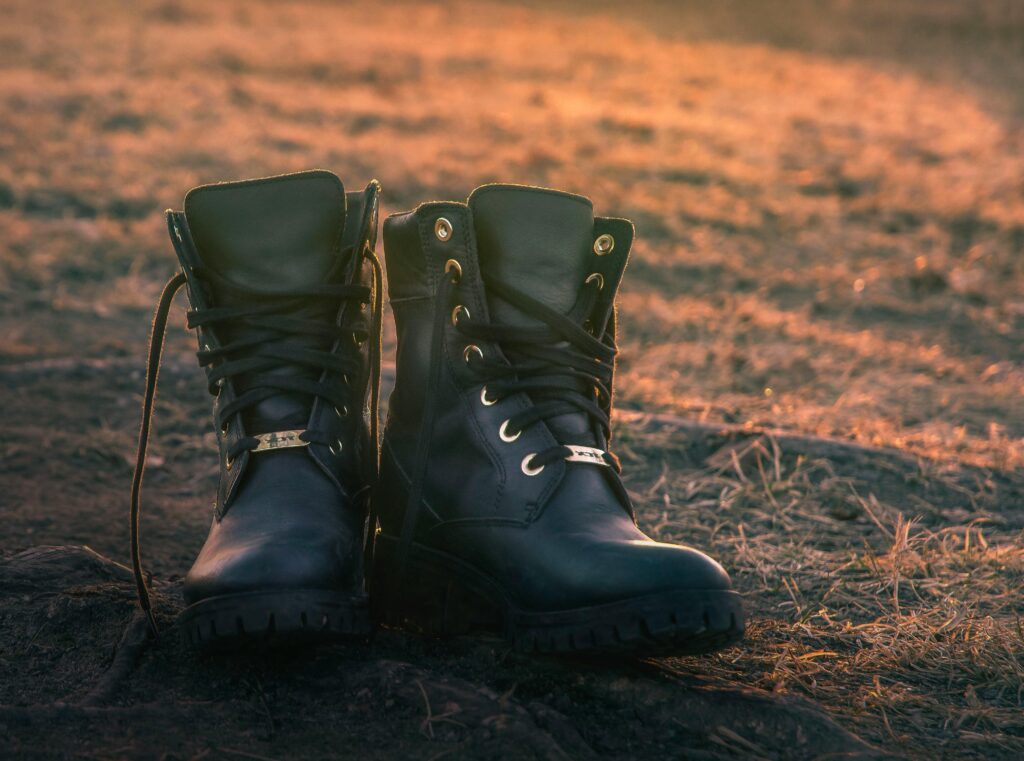
Outdoor Boots Vs Alternatives
Outdoor boots are designed for durability, support, and protection across challenging environments. However, buyers often compare them with alternatives like trail running shoes or hiking shoes depending on their needs and activity level.
The table below highlights key differences between outdoor boots and common alternatives to help you choose the most suitable option.
| Feature | Outdoor Boots | Trail Running Shoes |
| Support | High ankle support | Low support |
| Protection | Strong protection (toe, heel, ankle) | Minimal protection |
| Weight | Heavier | Lightweight |
| Durability | High | Moderate |
| Waterproofing | Often included | Limited |
| Best For | Rugged terrain, long hikes | Fast hiking, light trails |
| Limitations | Less breathable, heavier | Less durable, less support |
Outdoor Boots Vs Trail Running Shoes
Outdoor boots provide better support and protection, making them ideal for rough terrain, heavy loads, and long-distance hikes. They are designed to handle demanding environments and offer long-term durability.
Trail running shoes, on the other hand, are lighter and more flexible. They are best suited for fast-paced movement on well-maintained trails but may lack the durability and support needed for challenging conditions.
Outdoor Boots Vs Hiking Shoes
Hiking shoes are a middle ground between boots and trail running shoes.
| Feature | Outdoor Boots | Hiking Shoes |
| Ankle Support | High | Low to moderate |
| Weight | Moderate to heavy | Lightweight |
| Durability | High | Moderate |
| Comfort | Support-focused | Comfort-focused |
| Best For | Rugged terrain | Casual trails |
Hiking shoes offer greater comfort and flexibility for short hikes and everyday use. However, they do not provide the same level of protection and stability as outdoor boots, especially on uneven terrain.
Understanding these differences helps you choose the right footwear based on terrain, activity level, and personal preference.
Who Should Buy Outdoor Boots
Outdoor boots are designed for users who need protection, support, and durability in demanding environments. Understanding whether they fit your specific needs helps ensure better performance and long-term satisfaction.
Hikers And Outdoor Enthusiasts
Why It Works For Them
- Provides strong traction on uneven and natural terrain
- Offers ankle support for stability during long hikes
- Protects feet from rocks, mud, and rough conditions
Backpackers And Long-Distance Trekkers
Why It Works For Them
- Supports heavy loads over extended distances
- Reduces fatigue with proper cushioning and structure
- Delivers durability needed for multi-day trips
Users In Harsh Weather Conditions
Why It Works For Them
- Waterproof designs protect against rain and wet terrain
- Insulated options maintain warmth in cold environments
- Reliable grip improves safety on slippery surfaces
Workers And Heavy-Duty Users
Why It Works For Them
- Durable construction handles frequent and rough use
- Reinforced protection reduces risk of injury
- Suitable for outdoor labor and demanding tasks
Casual Outdoor Users
Why It Works For Them
- Provides comfort and versatility for light activities
- Suitable for travel, walking, and occasional trails
- Offers better protection than regular footwear
Outdoor boots are best suited for users who prioritize stability, protection, and long-term durability over lightweight flexibility.
Benefits Of Using Outdoor Boots
Outdoor boots provide practical advantages that improve safety, comfort, and performance in various environments. These benefits make them a reliable choice for outdoor activities compared to standard footwear.
| Benefit | What It Improves | Practical Impact |
| Enhanced Traction | Grip on uneven terrain | Reduces slipping and improves stability |
| Ankle Support | Balance and foot alignment | Lowers risk of sprains and injuries |
| Weather Protection | Resistance to water and cold | Keeps feet dry and comfortable |
| Durability | Resistance to wear and tear | Extends product lifespan |
| Comfort For Long Use | Cushioning and support | Reduces fatigue during extended activity |
Enhanced Traction
Outdoor boots use specialized outsoles with deep lugs and durable rubber compounds.
This improves grip on mud, rocks, and uneven surfaces, reducing the risk of slipping.
Ankle Support
Mid and high-cut designs provide additional support to the ankle.
This helps maintain balance and reduces the chance of injuries on uneven terrain.
Weather Protection
Waterproof and insulated features protect against rain, snow, and cold temperatures.
This ensures consistent comfort across different environmental conditions.
Durability
Outdoor boots are built with reinforced materials and sturdy construction.
They withstand rough terrain and repeated use better than standard footwear.
Comfort For Long Use
Cushioned midsoles and supportive insoles reduce foot fatigue.
This allows users to stay comfortable during long hikes or extended outdoor activities.
These benefits make outdoor boots a practical investment for users who frequently engage in outdoor or physically demanding environments.
Browse our outdoor product reviews for deeper analysis and real-world testing insights.
Common Outdoor Boots Myths
There are several misconceptions about outdoor boots that can mislead buyers. Understanding these myths helps make better purchasing decisions based on real performance and practical use.
Myth: All Outdoor Boots Are Heavy
Reality
Not all outdoor boots are heavy. Lightweight models like Adidas Terrex Swift R3 GTX are designed for speed and comfort while still offering protection. Weight varies based on materials and intended use.
Myth: Waterproof Boots Don’t Breathe
Reality
Modern waterproof membranes such as GORE-TEX are designed to be breathable. They allow moisture to escape while preventing water from entering, maintaining comfort during use.
Myth: Expensive Boots Are Always Better
Reality
Higher-priced boots often offer better materials and durability, but they are not always necessary. Mid-range options like Merrell Moab 3 provide excellent performance for most users.
Myth: Boots Don’t Need Break-In Time
Reality
Many outdoor boots require a break-in period to adjust to your feet. Skipping this step can lead to discomfort or blisters during extended use.
Myth: One Pair Works For All Conditions
Reality
Different environments require different features. For example, insulated boots are ideal for winter, while lightweight boots are better for warm climates.
Understanding these realities helps buyers avoid common mistakes and choose outdoor boots that truly match their needs.
Common Problems With Outdoor Boots
Even high-quality outdoor boots can present issues if not chosen or used correctly. Understanding common problems and their causes helps prevent discomfort, performance issues, and premature wear.
Outdoor boots are often exposed to harsh conditions, which can lead to wear, moisture issues, or fit-related discomfort. Identifying these problems early allows for practical solutions and better long-term performance.
Problems And Their Solutions
| Problem | Cause | Solution |
| Blisters and foot pain | Poor fit or improper break-in | Choose correct size and break in boots gradually |
| Waterproofing failure | Worn-out membrane or lack of treatment | Reapply waterproofing or upgrade boots |
| Reduced traction | Worn-out outsole or mud buildup | Clean soles regularly or replace boots |
| Excessive weight fatigue | Heavy boot design for light use | Switch to lightweight models |
| Odor and moisture buildup | Poor ventilation or wet conditions | Use moisture-wicking socks and dry boots properly |
| Sole separation | Wear and aging materials | Repair if possible or replace boots |
| Stiffness and discomfort | New boots or rigid materials | Allow proper break-in time |
These problems are common but manageable with proper care, correct product selection, and regular maintenance. Addressing them early ensures better comfort and longer-lasting performance.
Accessories, Add-Ons, And Enhancements
Accessories and add-ons can significantly improve the comfort, performance, and longevity of outdoor boots. These enhancements help users adapt their boots to different conditions and extend their usability.
Insoles And Footbeds
- Provide additional cushioning and arch support
- Improve fit for users with specific foot shapes
- Help reduce fatigue during long hikes
Waterproofing Treatments
- Restore water resistance over time
- Protect leather and fabric from moisture damage
- Extend the lifespan of the boots
Gaiters
- Prevent debris, mud, and snow from entering boots
- Improve comfort in wet or dusty environments
- Ideal for hiking in rugged or snowy terrain
Boot Dryers
- Remove internal moisture after use
- Prevent odor and bacterial growth
- Maintain comfort and hygiene
Replacement Laces And Hardware
- Ensure secure fit and proper tightening
- Replace worn or damaged components
- Improve reliability during use
Protective Covers And Storage Bags
- Protect boots during travel and storage
- Reduce exposure to dust and moisture
- Help maintain material quality over time
Using the right accessories enhances overall performance and ensures outdoor boots remain comfortable and durable across different conditions.
Best Outdoor Boots Trends (2026)
Outdoor boots continue to evolve with new technologies, materials, and user-focused designs. These trends reflect changing consumer needs, including comfort, sustainability, and performance across diverse environments.
Lightweight Performance Designs
- Increased focus on reducing weight without sacrificing durability
- Hybrid designs combining hiking boots with trail-running features
- Improved flexibility for faster and more efficient movement
Advanced Waterproofing Technologies
- More breathable waterproof membranes for better moisture control
- Improved seam sealing and water resistance
- Integration of eco-friendly waterproofing materials
Sustainable And Eco-Friendly Materials
- Use of recycled fabrics and responsibly sourced leather
- Reduced environmental impact during manufacturing
- Brands focusing on long-term durability to minimize waste
Enhanced Traction Systems
- Development of advanced rubber compounds for better grip
- Improved lug patterns for multi-surface performance
- Specialized outsoles for wet, icy, or loose terrain
Custom Fit And Comfort Innovations
- More ergonomic designs tailored to foot anatomy
- Wider fit options and customizable insoles
- Improved cushioning systems for long-distance comfort
Multi-Purpose And Versatile Designs
- Boots designed for both outdoor and casual everyday use
- Increased demand for all-season functionality
- Balance between performance and style
These trends highlight a shift toward more adaptable, comfortable, and environmentally conscious outdoor boots, helping users get better performance across a wider range of conditions.
Lifespan And Long-Term Reliability Of Outdoor Boots
The lifespan of outdoor boots depends on materials, construction quality, usage frequency, and maintenance. High-quality boots can last several years, while budget options may require replacement sooner under regular use.
Durability And Construction Factors
Boot lifespan is heavily influenced by build quality and materials.
- Full-grain leather boots typically last longer than synthetic models
- Reinforced stitching and durable soles improve structural integrity
- High-quality outsoles resist wear on rough terrain
Environmental Exposure And Usage Conditions
Outdoor conditions directly affect how quickly boots wear out.
- Wet and muddy environments accelerate material breakdown
- Rocky terrain increases sole wear and structural stress
- Frequent use shortens lifespan compared to occasional use
Maintenance And Care Impact
Proper maintenance significantly extends the life of outdoor boots.
- Regular cleaning prevents material degradation
- Conditioning leather helps avoid cracking
- Proper drying reduces internal damage and odor
Expected Replacement Cycle
Most outdoor boots follow general replacement patterns based on use.
- Casual use: 2–4 years
- Regular hiking: 1–2 years
- Heavy-duty or daily use: under 1 year
Understanding these factors helps users maximize durability and determine when replacement is necessary for safety and performance.
Real User Feedback And Expert Opinions
Real-world feedback and expert evaluations provide valuable insights into how outdoor boots perform beyond specifications. These perspectives highlight strengths, limitations, and practical usability across different conditions.
Summary Of User Feedback
| Aspect | User Feedback Summary |
| Comfort | Highly rated for cushioning and support in mid-range and premium boots |
| Durability | Premium boots last longer; budget options show faster wear |
| Waterproofing | Effective in most models but may degrade over time |
| Fit | Varies by brand; wide-fit options appreciated |
| Weight | Lightweight boots preferred for casual use |
User Feedback
What Users Appreciate
- Comfortable fit after proper break-in
- Reliable traction on different terrains
- Waterproof protection in wet conditions
- Versatility for multiple outdoor activities
- Durable construction in premium models
Common Complaints
- Break-in period required for many boots
- Heavier models cause fatigue over long distances
- Waterproofing can weaken with time
- Fit inconsistencies across brands
- Limited breathability in some waterproof boots
Expert Opinion
Performance Insights
Experts highlight traction, support, and material quality as key performance indicators. Boots with advanced outsoles and support systems perform better in demanding environments.
Durability Evaluation
Premium boots with leather construction and reinforced components consistently show better long-term durability and resistance to wear.
Buying Recommendations
Experts recommend choosing boots based on terrain and usage rather than price alone. Proper fit, intended use, and environmental conditions are more important than brand or cost.
These insights help buyers make informed decisions based on real-world performance rather than just specifications.
How We Tested And Selected The Best Outdoor Boots
Selecting the best outdoor boots involved a structured evaluation process focused on real-world performance, durability, and user needs. Each product was assessed based on how well it performs across different terrains, weather conditions, and usage scenarios.
Evaluation Criteria
- Durability and build quality across different materials
- Comfort and fit during extended use
- Traction and grip on varied terrain
- Waterproofing and weather resistance
- Weight and mobility for different activity levels
- Value for money based on features and performance
- Customer feedback and expert insights
These criteria ensure that each recommended boot meets practical expectations and performs reliably in real outdoor conditions.
Testing Methods
The evaluation combined research and practical performance analysis to ensure accuracy and relevance.
- Analysis of real user reviews across multiple platforms
- Comparison of technical specifications and materials
- Assessment of performance in different environments
- Evaluation of long-term durability and maintenance needs
- Cross-comparison with competing models in the same category
This approach ensures that the recommendations are based on both technical performance and real-world usability.
FAQs About Outdoor Boots
These frequently asked questions address common concerns, helping you better understand features, usage, and buying decisions for outdoor boots.
What are outdoor boots used for?
Outdoor boots are designed for hiking, trekking, and rugged environments, offering traction, support, and protection across uneven terrain, wet conditions, and extended outdoor activities.
How do I choose the right outdoor boots?
Choose based on terrain, weather, fit, and activity level. Consider waterproofing, support, weight, and durability to match your specific outdoor needs and usage frequency.
Are waterproof outdoor boots necessary?
Waterproof boots are essential for wet or unpredictable conditions, keeping feet dry and comfortable. However, breathable non-waterproof boots may be better for dry, hot climates.
How long do outdoor boots typically last?
Outdoor boots usually last 1–4 years depending on usage, terrain, and maintenance. Premium boots last longer, while budget options may wear out faster under heavy use.
Should outdoor boots be tight or loose?
Outdoor boots should fit snugly around the heel with enough toe room. A proper fit prevents blisters, improves stability, and ensures comfort during long hikes.
Are outdoor boots better than hiking shoes?
Outdoor boots provide better ankle support, durability, and protection, while hiking shoes are lighter and more flexible, making them suitable for casual or short-distance use.
Do outdoor boots require a break-in period?
Yes, many outdoor boots require a break-in period to adapt to your feet. Gradual use helps prevent discomfort, blisters, and stiffness during longer outdoor activities.
What is the difference between hiking and backpacking boots?
Hiking boots are lighter and suitable for short trips, while backpacking boots offer stronger support and durability for carrying heavy loads over long distances.
Can outdoor boots be used in snow?
Yes, insulated outdoor boots are designed for snow and cold weather, providing warmth, waterproofing, and traction on icy or slippery surfaces.
How do I maintain outdoor boots properly?
Clean boots regularly, dry them naturally, condition leather when needed, and reapply waterproofing treatments. Proper maintenance extends lifespan and ensures consistent performance.
Are expensive outdoor boots worth it?
Expensive boots often offer better materials, durability, and comfort. They provide long-term value for frequent users but may not be necessary for occasional outdoor activities.
These answers help clarify key concerns and guide better decision-making before choosing the right pair. Next, let’s summarize everything with a final verdict.
Final Verdict – Which Outdoor Boots Should You Get?
The right outdoor boots depend on your terrain, weather conditions, and how often you plan to use them.
- Choose Salomon Quest 4 GTX for all-around performance across varied terrain
- Pick Columbia Newton Ridge Plus II if you need an affordable entry-level option
- Go with Lowa Renegade GTX Mid for premium comfort and long-distance reliability
- Select Merrell Moab 3 Mid Waterproof for balanced value and everyday versatility
- Opt for Scarpa Zodiac Plus GTX for rugged, rocky, and technical terrain
- Choose Adidas Terrex Swift R3 GTX for lightweight, fast-paced hiking
- Use Oboz Bridger Insulated for cold weather and snowy conditions
Selecting based on your specific use case ensures better comfort, performance, and long-term value.