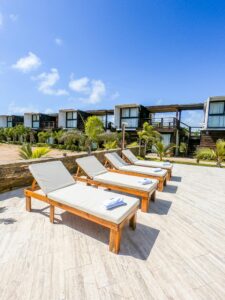
Best outdoor decking refers to durable flooring solutions designed for exterior spaces such as patios, gardens, and terraces, built to withstand weather exposure while enhancing usability and appearance.
Choosing the right outdoor decking can be challenging due to variations in materials, durability, maintenance needs, and cost. The right option directly impacts long-term performance, safety, and overall outdoor comfort.
This guide compares top decking types, materials, and product options, helping you evaluate features, costs, and use cases to select the most suitable outdoor decking solution.
Key Takeaways
Outdoor decking varies significantly in material, durability, and maintenance requirements, making careful selection essential for long-term performance and usability.
- Composite decking offers the best balance of durability, low maintenance, and weather resistance
- Pressure-treated wood remains the most budget-friendly option for basic outdoor spaces
- PVC decking provides superior moisture resistance for humid or wet environments
- Hardwood decking delivers premium aesthetics with high durability but requires maintenance
- Aluminum decking is the most durable option for extreme weather conditions
- Interlocking deck tiles are ideal for quick installation and temporary setups
- Decking choice should align with climate, usage, and maintenance expectations
- Long-term cost often matters more than initial price when evaluating decking options
Understanding these key factors helps narrow down suitable options before comparing materials and product performance in detail.
The Best Outdoor Decking
Selecting the best outdoor decking involves evaluating materials, durability, maintenance requirements, and long-term value. This guide compares widely used decking options based on real-world performance, environmental resistance, and installation practicality.
Products and materials were assessed using criteria such as weather resistance, structural integrity, ease of maintenance, cost efficiency, and user feedback from homeowners and professionals. Comparisons also consider climate adaptability, lifespan expectations, and overall usability in different outdoor settings.
With a clear evaluation framework in place, the next section highlights the top decking choices based on key buying priorities.
Best Outdoor Decking (Quick Picks)
This section highlights top outdoor decking options based on key purchase priorities such as cost, durability, and performance. These quick picks help identify the most suitable decking type depending on your budget, maintenance expectations, and long-term use.
| Category | Product | Why It’s Best |
| Best Overall | Trex Transcend Composite Decking | Excellent durability, low maintenance, and long lifespan |
| Best Budget | Pressure-Treated Wood Decking | Affordable and widely available for basic outdoor use |
| Best Premium | Ipe Hardwood Decking | High-end appearance with exceptional strength and longevity |
| Best Value | Fiberon Good Life Composite Decking | Balanced cost, durability, and performance |
| Most Durable | Aluminum Decking (LockDry System) | Superior resistance to moisture, rust, and extreme weather |
| Best Low Maintenance | PVC Decking (AZEK TimberTech) | Requires minimal upkeep and resists stains and moisture |
| Best For DIY Installation | Interlocking Deck Tiles (RUNNEN by IKEA) | Easy installation without tools or professional help |
| Best Eco-Friendly | Cali Bamboo Composite Decking | Made from sustainable materials with good durability |
These categories provide a quick overview of top-performing decking solutions. The following sections explore each option in detail, including features, use cases, and comparisons.
Best Overall Outdoor Decking – Trex Transcend Composite Decking
Trex Transcend Composite Decking is a premium composite decking solution designed for long-term durability and minimal maintenance. It combines recycled wood fibers and plastic to create a weather-resistant surface suitable for various outdoor environments.
It stands out in the overall category due to its strong resistance to fading, staining, and mold growth. The capped composite construction enhances longevity while maintaining a natural wood-like appearance without the upkeep required by traditional materials.
| Category | Product | Type / Material | Size / Coverage | Price Range | Best For |
| Best Overall | Trex Transcend | Composite (Wood-Plastic) | Standard boards (12–20 ft) | $60–$80 per sq. ft. | Low maintenance, long-term durability |
Key Features
- Capped composite surface resists moisture, stains, and fading
- Splinter-free and slip-resistant for safety
- Wide range of colors and wood-grain finishes
- Requires no sealing, staining, or painting
- High resistance to insects and rot
Who It’s For
Homeowners seeking a durable, low-maintenance decking solution for long-term use.
Who Should Avoid It
Users with very limited budgets or those preferring natural wood aesthetics.
Competitor Comparisons
| Feature | Trex Transcend | TimberTech AZEK | Fiberon Horizon |
| Material | Composite | PVC | Composite |
| Maintenance | Low | Very Low | Low |
| Moisture Resistance | High | Very High | High |
| Price | Premium | Premium | Mid–Premium |
Alternatives
Fiberon Good Life offers a more budget-friendly composite alternative with similar benefits.
Trex Transcend delivers a balanced combination of durability, appearance, and ease of maintenance, making it a reliable all-around decking choice.
Best Budget Outdoor Decking – Pressure-Treated Wood Decking
Pressure-treated wood decking is one of the most affordable and widely used outdoor decking solutions. It is chemically treated to resist rot, insects, and moisture, making it suitable for basic outdoor applications such as patios and backyard decks.
This option stands out in the budget category due to its low upfront cost and accessibility. While it requires regular maintenance such as sealing and staining, it remains a practical choice for homeowners prioritizing cost over long-term convenience.
| Category | Product | Type / Material | Size / Coverage | Price Range | Best For |
| Best Budget | Pressure-Treated Wood | Treated Softwood | Standard boards (8–16 ft) | $15–$30 per sq. ft. | Budget-conscious projects |
Key Features
- Treated to resist moisture, decay, and insects
- Widely available and easy to source
- Can be painted or stained for customization
- Strong structural performance for general use
- Lower initial investment compared to alternatives
Who It’s For
Homeowners looking for an affordable decking solution with basic durability.
Who Should Avoid It
Users seeking low-maintenance or long-lasting premium decking options.
Competitor Comparisons
| Feature | Pressure-Treated Wood | Composite Decking | PVC Decking |
| Cost | Low | Medium–High | High |
| Maintenance | High | Low | Very Low |
| Lifespan | Moderate | Long | Long |
| Appearance | Natural wood | Wood-like | Synthetic |
Alternatives
Fiberon Good Life composite decking offers better durability with less maintenance at a slightly higher cost.
Pressure-treated wood remains a cost-effective entry point into outdoor decking, especially for short- to medium-term use.
Best Premium Outdoor Decking – Ipe Hardwood Decking
IPE Hardwood Decking is a high-end natural wood decking option sourced from dense tropical hardwood species. Known for its exceptional strength and rich appearance, it is widely used in luxury outdoor spaces and high-traffic environments.
It stands out in the premium category due to its unmatched durability and natural resistance to moisture, insects, and decay. Its dense structure allows it to last decades with proper care, while its refined grain and color enhance the overall aesthetic of outdoor spaces.
| Category | Product | Type / Material | Size / Coverage | Price Range | Best For |
| Best Premium | Ipe Hardwood Decking | Tropical Hardwood | Standard boards (8–20 ft) | $80–$120 per sq. ft. | Luxury decks and long-term durability |
Key Features
- Extremely dense and durable hardwood
- Natural resistance to rot, insects, and moisture
- High load-bearing capacity for heavy use
- Rich, premium appearance with natural grain
- Long lifespan, often exceeding 25–40 years
Who It’s For
Homeowners seeking premium aesthetics and maximum durability for long-term outdoor installations.
Who Should Avoid It
Users looking for low-maintenance solutions or easier installation processes.
Competitor Comparisons
| Feature | Ipe Hardwood | Teak Wood | Composite Decking |
| Durability | Very High | High | High |
| Maintenance | Moderate–High | Moderate | Low |
| Cost | Very High | High | Medium–High |
| Appearance | Premium natural | Premium natural | Wood-like |
Alternatives
Teak decking provides a similar premium look with slightly lower density and easier handling.
Ipe hardwood delivers unmatched strength and luxury appeal, making it a top choice for premium outdoor decking projects.
Best Value Outdoor Decking – Fiberon Good Life Composite Decking
Fiberon Good Life Composite Decking is a mid-range composite decking option designed to balance cost, durability, and ease of maintenance. It uses a wood-plastic composite core with a protective outer layer to improve resistance to everyday wear.
It stands out in the value category by offering many benefits of premium composite decking at a more accessible price point. Its durability, fade resistance, and relatively low maintenance requirements make it a practical long-term investment without the premium cost.
| Category | Product | Type / Material | Size / Coverage | Price Range | Best For |
| Best Value | Fiberon Good Life | Composite (Wood-Plastic) | Standard boards (12–20 ft) | $40–$60 per sq. ft. | Balanced cost and performance |
Key Features
- Capped composite construction for improved durability
- Resistant to fading, staining, and moisture
- Lower maintenance than traditional wood decking
- Available in multiple colors and finishes
- Good balance between cost and lifespan
Who It’s For
Homeowners looking for a cost-effective decking solution with reduced maintenance needs.
Who Should Avoid It
Users seeking either ultra-budget options or top-tier premium performance.
Competitor Comparisons
| Feature | Fiberon Good Life | Trex Enhance | TimberTech Edge |
| Cost | Mid-range | Mid-range | Mid-range |
| Durability | High | High | High |
| Maintenance | Low | Low | Low |
| Fade Resistance | Good | Good | Very Good |
Alternatives
Trex Enhance offers a similar mid-range composite option with slightly different color and finish choices.
Fiberon Good Life provides a practical mix of affordability and durability, making it a strong value-focused decking option.
Most Durable Outdoor Decking – Aluminum Decking (LockDry System)
Aluminum decking systems such as LockDry are engineered for maximum durability and long-term structural performance. Unlike wood or composite materials, aluminum decking does not absorb moisture, making it highly resistant to warping, rot, and corrosion.
This option stands out in the durability category due to its exceptional strength and ability to withstand extreme weather conditions, including heavy rain, snow, and humidity. Its interlocking design also creates a watertight surface, adding functional value for elevated decks or multi-level outdoor spaces.
| Category | Product | Type / Material | Size / Coverage | Price Range | Best For |
| Most Durable | LockDry Aluminum Decking | Aluminum | Interlocking planks (various lengths) | $90–$130 per sq. ft. | Extreme weather and long-term durability |
Key Features
- 100% waterproof interlocking system
- Resistant to rust, corrosion, and insect damage
- Non-combustible material for added safety
- Minimal expansion or contraction with temperature changes
- Long lifespan with very low maintenance requirements
Who It’s For
Homeowners in harsh climates or those needing maximum durability with minimal upkeep.
Who Should Avoid It
Users prioritizing natural wood aesthetics or lower upfront costs.
Competitor Comparisons
| Feature | Aluminum Decking | Composite Decking | Hardwood Decking |
| Durability | Very High | High | Very High |
| Moisture Resistance | Excellent | High | Moderate |
| Maintenance | Very Low | Low | Moderate–High |
| Cost | High | Medium–High | High |
Alternatives
PVC decking (TimberTech AZEK) offers strong moisture resistance with a more traditional deck appearance.
Aluminum decking delivers unmatched structural durability and weather resistance, making it ideal for long-term, heavy-duty outdoor use.
Best Low Maintenance Outdoor Decking – PVC Decking (AZEK TimberTech)
PVC decking such as TimberTech AZEK is a fully synthetic decking solution made from high-performance polymer materials. Unlike wood or composite decking, it contains no organic components, which significantly reduces maintenance and prevents common issues like rot, mold, or insect damage.
It stands out in the low-maintenance category because it requires no sealing, staining, or sanding over time. Its moisture-resistant structure and protective outer layer help maintain appearance and performance even in humid or wet conditions, making it a reliable long-term option. Many PVC decking products are also backed by extended warranties and resist fading and staining effectively.
| Category | Product | Type / Material | Size / Coverage | Price Range | Best For |
| Best Low Maintenance | TimberTech AZEK PVC Decking | 100% PVC | Standard boards (12–20 ft) | $70–$100 per sq. ft. | Minimal upkeep and moisture resistance |
Key Features
- Fully synthetic PVC construction with no wood content
- High resistance to moisture, mold, and mildew
- Does not require sealing, staining, or painting
- Fade- and stain-resistant protective cap layer
- Lightweight compared to composite or hardwood options
Who It’s For
Homeowners who want a long-lasting deck with minimal maintenance and upkeep.
Who Should Avoid It
Users who prefer natural wood texture or want a lower upfront cost option.
Competitor Comparisons
| Feature | PVC Decking (AZEK) | Composite Decking | Pressure-Treated Wood |
| Maintenance | Very Low | Low | High |
| Moisture Resistance | Excellent | High | Moderate |
| Lifespan | Long | Long | Moderate |
| Cost | High | Medium–High | Low |
Alternatives
Trex Transcend composite decking offers a similar low-maintenance experience with a more natural wood-like appearance.
PVC decking provides one of the easiest ownership experiences, making it ideal for users prioritizing convenience and long-term reliability.
Best For DIY Installation Outdoor Decking – Interlocking Deck Tiles (RUNNEN by IKEA)
Interlocking deck tiles such as RUNNEN by IKEA are modular decking solutions designed for quick and tool-free installation. These tiles typically feature a snap-together system that allows users to create a deck surface without professional assistance or complex construction.
They stand out in the DIY category because of their ease of installation and flexibility. Users can install them over existing surfaces like concrete or balconies, making them ideal for renters or temporary outdoor setups. While not as durable as permanent decking systems, they offer convenience and adaptability.
| Category | Product | Type / Material | Size / Coverage | Price Range | Best For |
| Best For DIY Installation | RUNNEN Deck Tiles | Wood/Plastic Composite Tiles | 12″ x 12″ tiles | $20–$40 per sq. ft. | Quick installation and temporary setups |
Key Features
- Snap-together interlocking system for easy setup
- No specialized tools or professional installation required
- Suitable for patios, balconies, and flat surfaces
- Lightweight and easy to remove or reposition
- Available in wood and composite finishes
Who It’s For
Renters or homeowners seeking a quick, flexible decking solution without construction work.
Who Should Avoid It
Users needing a permanent, heavy-duty decking structure for long-term use.
Competitor Comparisons
| Feature | Interlocking Tiles | Composite Decking | Hardwood Decking |
| Installation | Very Easy | Moderate | Complex |
| Durability | Moderate | High | Very High |
| Portability | High | Low | Low |
| Cost | Low–Medium | Medium–High | High |
Alternatives
Acacia wood deck tiles offer a more natural appearance with similar installation ease.
Interlocking deck tiles provide unmatched convenience for DIY users, making them ideal for quick and flexible outdoor upgrades.
Best Eco-Friendly Outdoor Decking – Cali Bamboo Composite Decking
Cali Bamboo Composite Decking is a sustainable decking solution made from recycled materials and renewable bamboo fibers. It is designed to reduce environmental impact while delivering durability comparable to traditional composite decking.
It stands out in the eco-friendly category due to its use of rapidly renewable bamboo and recycled plastics, making it a more sustainable alternative to hardwood decking. Despite its eco-conscious construction, it maintains strong resistance to moisture, fading, and wear, ensuring long-term usability.
| Category | Product | Type / Material | Size / Coverage | Price Range | Best For |
| Best Eco-Friendly | Cali Bamboo Composite | Bamboo Composite | Standard boards (12–20 ft) | $50–$80 per sq. ft. | Sustainable and durable decking |
Key Features
- Made from recycled materials and renewable bamboo fibers
- Strong resistance to moisture, mold, and insects
- Durable surface with fade and stain protection
- Lower environmental impact compared to hardwood
- Available in natural-looking finishes
Who It’s For
Environmentally conscious homeowners seeking a sustainable decking option without sacrificing durability.
Who Should Avoid It
Users prioritizing the lowest upfront cost or those preferring traditional wood decking.
Competitor Comparisons
| Feature | Cali Bamboo | Trex Composite | Hardwood Decking |
| Sustainability | High | Moderate | Low |
| Durability | High | High | Very High |
| Maintenance | Low | Low | Moderate–High |
| Cost | Medium–High | Medium–High | High |
Alternatives
Trex composite decking also incorporates recycled materials and offers similar durability.
Cali Bamboo provides a strong balance of sustainability and performance, making it a reliable eco-friendly decking choice.
Outdoor Decking Comparison Table
This table provides a side-by-side overview of leading outdoor decking options, highlighting key differences in materials, durability, and ideal use cases. It helps identify the most suitable decking solution based on specific needs and environments.
| Category | Product | Type / Material | Size / Coverage | Weather Resistance | Key Features | Best For | Price Range |
| Best Outdoor Decking For Small Spaces | IKEA RUNNEN Deck Tiles | Wood/Composite Tiles | Modular (12″ x 12″) | Moderate | Snap-fit installation, portable | Balconies, patios | $20–$40 per sq. ft. |
| Best Outdoor Decking For Large Backyards | Trex Transcend | Composite | Boards (12–20 ft) | High | Low maintenance, fade-resistant | Large decks | $60–$80 per sq. ft. |
| Best Outdoor Decking For Wet Climates | TimberTech AZEK PVC | PVC | Boards (12–20 ft) | Excellent | Waterproof, mold-resistant | Humid regions | $70–$100 per sq. ft. |
| Best Outdoor Decking For High Traffic Areas | Ipe Hardwood | Hardwood | Boards (8–20 ft) | High | Dense, impact-resistant | Heavy use | $80–$120 per sq. ft. |
| Best Outdoor Decking For Beginners | Fiberon Good Life | Composite | Boards (12–20 ft) | High | Easy maintenance, affordable | First-time buyers | $40–$60 per sq. ft. |
| Best Outdoor Decking For Extreme Weather | Aluminum LockDry | Aluminum | Interlocking planks | Excellent | Waterproof, non-corrosive | Harsh climates | $90–$130 per sq. ft. |
| Best Outdoor Decking For Eco-Conscious Buyers | Cali Bamboo | Bamboo Composite | Boards (12–20 ft) | High | Sustainable materials | Green projects | $50–$80 per sq. ft. |
These categories reflect real-world user intent and common search patterns, helping match decking solutions to specific needs. The following sections provide detailed reviews of each category and product.
Best Outdoor Decking For Small Spaces – IKEA RUNNEN Deck Tiles
IKEA RUNNEN Deck Tiles are modular outdoor flooring panels designed for compact areas like balconies and small patios. These tiles use a snap-together system, allowing users to quickly transform limited outdoor spaces without permanent installation.
They stand out in this category because of their flexibility and ease of use. The tiles can be installed over existing hard surfaces, removed when needed, and rearranged easily. Their lightweight construction and weather-resistant plastic material make them practical for urban environments and rental spaces.
Key Specifications
| Feature | Specification |
| Type | Interlocking deck tiles |
| Material | Polypropylene (partly recycled) |
| Dimensions | 12″ x 12″ tiles |
| Coverage | ~9 sq ft per pack |
| Weather Resistance | Moderate |
| Installation | Tool-free snap system |
| Weight | Lightweight |
| Price | ~$20–$40 per sq. ft. |
Pros and Cons
| Pros | Cons |
| Very easy to install without tools | Not suitable for heavy-duty use |
| Ideal for small or temporary spaces | Lower durability than permanent decking |
| Can be removed and reused | Limited structural support |
| Weather-resistant and easy to clean | May heat up in direct sunlight |
Key Features
Snap-Together Installation
The interlocking system allows quick setup without tools or adhesives, making it ideal for beginners.
Modular Design
Tiles can be rearranged or expanded, adapting easily to changing layouts or space constraints.
Lightweight Construction
Easy to handle and transport, especially useful for renters or temporary setups.
Weather-Resistant Surface
Designed for outdoor use, with materials that resist moisture and basic wear.
Best For
- Small balconies or patios
- Renters needing non-permanent solutions
- Quick outdoor upgrades without construction
Performance and Real-World Use
| Aspect | Performance |
| Installation | Very fast and beginner-friendly |
| Durability | Moderate for light to medium use |
| Maintenance | Minimal, simple cleaning required |
| Stability | Best on flat, solid surfaces |
| Weather Handling | Suitable for mild to moderate climates |
In real-world use, RUNNEN tiles perform best in low-traffic areas where convenience and flexibility matter more than structural strength.
IKEA RUNNEN is a practical choice for small outdoor spaces, offering simplicity and flexibility over long-term durability.
Best Outdoor Decking For Large Backyards – Trex Transcend Composite Decking
Trex Transcend Composite Decking by Trex is a high-performance composite decking solution designed for large-scale outdoor installations. It is engineered using a blend of recycled wood fibers and plastic, offering durability and consistent performance across expansive deck areas.
It stands out in this category due to its ability to maintain structural integrity and visual consistency over large surfaces. Composite decking like Trex is widely recognized for durability, low maintenance, and resistance to environmental wear, making it a preferred choice for large backyard projects.
Key Specifications
| Feature | Specification |
| Type | Composite decking |
| Material | Recycled wood fiber + plastic |
| Board Length | 12–20 ft |
| Coverage | Suitable for large continuous surfaces |
| Weather Resistance | High |
| Maintenance | Low |
| Lifespan | 25–50 years |
| Price | ~$60–$80 per sq. ft. |
Pros and Cons
| Pros | Cons |
| Consistent appearance across large areas | Higher upfront cost than wood |
| Low maintenance over time | Can get warm in direct sunlight |
| Resistant to fading, staining, and mold | Less natural feel than real wood |
| Long lifespan with strong warranties | Requires proper substructure |
Key Features
Capped Composite Technology
A protective outer layer shields the core from moisture, UV rays, and stains, improving longevity.
Uniform Board Design
Ensures visual consistency across large decks, avoiding color or texture variation.
High Load Capacity
Designed to handle heavy foot traffic, making it suitable for large gatherings and outdoor activities.
Eco-Friendly Construction
Made from a high percentage of recycled materials, reducing environmental impact.
Best For
- Large backyard decks
- Entertainment spaces
- Long-term outdoor installations
Performance and Real-World Use
| Aspect | Performance |
| Installation | Moderate, requires proper framing |
| Durability | High for heavy use |
| Maintenance | Minimal over time |
| Weather Resistance | Performs well in sun and rain |
| Visual Appeal | Consistent, wood-like finish |
In real-world use, Trex Transcend performs reliably across large surfaces, maintaining durability and appearance with minimal upkeep over time.
Trex Transcend is a strong choice for large backyard decking, offering scalability, durability, and long-term value.
Best Outdoor Decking For Wet Climates – TimberTech AZEK PVC Decking
TimberTech AZEK PVC Decking by TimberTech is a high-performance synthetic decking solution engineered specifically for moisture-heavy environments. Made entirely from advanced polymers, it contains no organic material, which prevents common issues like rot, mold, and water damage.
It stands out in wet climates because of its complete resistance to moisture absorption and superior slip resistance. Unlike wood or composite decking, PVC boards do not warp, swell, or deteriorate when exposed to water, making them ideal for pool decks, coastal areas, and regions with heavy rainfall.
Key Specifications
| Feature | Specification |
| Type | PVC decking |
| Material | 100% polymer (no wood content) |
| Board Length | 12–20 ft |
| Weather Resistance | Excellent (waterproof) |
| Maintenance | Very low |
| Lifespan | 30–50 years |
| Slip Resistance | High |
| Price | ~$70–$100 per sq. ft. |
Pros and Cons
| Pros | Cons |
| Completely resistant to moisture and rot | Higher upfront cost |
| Does not warp, crack, or swell | Less natural wood feel |
| Very low maintenance requirements | Can expand slightly in heat |
| High slip resistance for wet areas | Limited structural rigidity vs wood |
Key Features
100% Synthetic Construction
PVC decking contains no wood fibers, eliminating risks of mold, mildew, or rot even in constant moisture exposure.
Superior Moisture Resistance
Boards do not absorb water, making them ideal for poolside, coastal, or rainy environments.
Low Maintenance Surface
No sealing, staining, or sanding is required, reducing long-term upkeep significantly.
Enhanced Slip Resistance
Improved traction makes the surface safer in wet conditions compared to many traditional decking materials.
Best For
- Pool decks and waterfront properties
- Humid or rainy climates
- Areas with frequent water exposure
Performance and Real-World Use
| Aspect | Performance |
| Installation | Moderate, requires proper framing |
| Durability | Excellent in wet conditions |
| Maintenance | Minimal over time |
| Weather Resistance | Outstanding against moisture |
| Comfort | Cooler surface than many composites |
In real-world conditions, TimberTech AZEK performs exceptionally well in wet environments, maintaining structural integrity and safety without deterioration.
TimberTech AZEK is one of the most reliable decking options for wet climates, offering unmatched moisture resistance and long-term durability.
Best Outdoor Decking For High Traffic Areas – Ipe Hardwood Decking
Ipe Hardwood Decking is a dense tropical hardwood solution designed for environments that experience heavy foot traffic and continuous use. Known for its exceptional hardness and strength, it is commonly used in commercial spaces, boardwalks, and high-use residential decks.
It stands out in high-traffic areas due to its superior resistance to wear, impact, and surface damage. Its dense grain structure allows it to handle constant use without significant deterioration, making it one of the most durable natural decking materials available.
Key Specifications
| Feature | Specification |
| Type | Hardwood decking |
| Material | Ipe tropical hardwood |
| Board Length | 8–20 ft |
| Weather Resistance | High |
| Hardness (Janka) | ~3,600 lbf |
| Lifespan | 25–40+ years |
| Maintenance | Moderate (oil/seal recommended) |
| Price | ~$80–$120 per sq. ft. |
Pros and Cons
| Pros | Cons |
| Extremely durable and wear-resistant | High upfront cost |
| Handles heavy foot traffic effectively | Requires periodic maintenance |
| Natural resistance to insects and rot | Difficult to cut and install |
| Premium aesthetic appearance | Heavier than most materials |
Key Features
Exceptional Density and Strength
Ipe wood has one of the highest hardness ratings, allowing it to resist dents, scratches, and surface wear under heavy use.
Natural Durability
The wood contains natural oils that protect against insects, decay, and moisture without chemical treatment.
Long Lifespan
With proper care, Ipe decking can last several decades, even in demanding environments.
High Load Capacity
Suitable for both residential and commercial applications where structural strength is essential.
Best For
- High-traffic outdoor areas
- Commercial decks and public spaces
- Homes with frequent outdoor gatherings
Performance and Real-World Use
| Aspect | Performance |
| Installation | Complex due to density |
| Durability | Extremely high under heavy use |
| Maintenance | Moderate (periodic oiling required) |
| Weather Resistance | Strong in various climates |
| Surface Wear | Minimal over time |
In real-world use, Ipe hardwood performs exceptionally well under continuous stress, maintaining structural integrity and appearance even with frequent use.
Ipe hardwood is a top-tier choice for high-traffic decking, offering unmatched strength and long-term durability.
Best Outdoor Decking For Beginners – Fiberon Good Life Composite Decking
Fiberon Good Life Composite Decking by Fiberon is a user-friendly decking option designed for straightforward installation and low ongoing maintenance. It combines wood fibers and recycled plastics to create a durable, easy-to-handle decking board suitable for first-time users.
It stands out for beginners due to its balance of affordability, simplified installation process, and reduced maintenance compared to traditional wood. The boards are lighter than many premium composites and do not require frequent sealing or staining, making them easier to manage for new homeowners.
Key Specifications
| Feature | Specification |
| Type | Composite decking |
| Material | Wood-plastic composite |
| Board Length | 12–20 ft |
| Weather Resistance | High |
| Maintenance | Low |
| Lifespan | 20–30 years |
| Installation | Moderate (DIY-friendly) |
| Price | ~$40–$60 per sq. ft. |
Pros and Cons
| Pros | Cons |
| Easier to install than hardwood decking | Not as durable as premium composites |
| Lower maintenance than wood | Limited premium finish options |
| Balanced cost and performance | Can expand slightly in heat |
| Lightweight compared to dense materials | Mid-range lifespan |
Key Features
Beginner-Friendly Installation
Boards are easier to cut and handle, making them suitable for DIY projects with basic tools.
Low Maintenance Requirements
Does not require sealing, staining, or painting, reducing ongoing upkeep.
Balanced Durability
Offers good resistance to moisture, fading, and insects without premium pricing.
Cost Efficiency
Provides a strong entry point into composite decking without significant investment.
Best For
- First-time decking projects
- DIY homeowners
- Moderate-budget installations
Performance and Real-World Use
| Aspect | Performance |
| Installation | DIY-friendly with basic tools |
| Durability | Good for standard residential use |
| Maintenance | Low over time |
| Weather Resistance | Performs well in most climates |
| Ease of Use | High for beginners |
In practical use, Fiberon Good Life delivers a smooth experience for new users, offering manageable installation and reliable performance without complexity.
Fiberon Good Life is a practical choice for beginners, combining ease of use, affordability, and dependable performance.
Take a look at our best outdoor mosquito killer review.
Best Outdoor Decking For Extreme Weather – Aluminum LockDry Decking
Aluminum LockDry Decking by LockDry is engineered for environments exposed to extreme weather conditions, including heavy rain, snow, humidity, and temperature fluctuations. Its interlocking aluminum panels create a watertight surface that prevents water penetration and structural damage.
It stands out in extreme weather scenarios because aluminum does not absorb moisture, crack, or warp like wood or composite materials. Its structural strength and corrosion resistance make it highly reliable in coastal regions, cold climates, and areas with intense seasonal changes.
Key Specifications
| Feature | Specification |
| Type | Aluminum decking |
| Material | Powder-coated aluminum |
| Panel System | Interlocking waterproof design |
| Weather Resistance | Excellent |
| Maintenance | Very low |
| Lifespan | 30–50+ years |
| Fire Resistance | Non-combustible |
| Price | ~$90–$130 per sq. ft. |
Pros and Cons
| Pros | Cons |
| Completely waterproof surface | High upfront cost |
| Resistant to rust, corrosion, and mold | Industrial appearance |
| Performs well in extreme climates | Limited design variety |
| Non-combustible and safe | Requires professional installation |
Key Features
Interlocking Waterproof System
Panels lock together to form a watertight surface, protecting the structure underneath from water damage.
High Structural Strength
Aluminum provides excellent load-bearing capacity and resists deformation under pressure.
Corrosion and Rust Resistance
Protective coatings prevent degradation even in coastal or humid environments.
Temperature Stability
Minimal expansion or contraction ensures consistent performance in hot and cold climates.
Best For
- Coastal and humid environments
- Snow-prone or extreme weather regions
- Long-term, heavy-duty installations
Performance and Real-World Use
| Aspect | Performance |
| Installation | Professional recommended |
| Durability | Exceptional in harsh conditions |
| Maintenance | Minimal over time |
| Weather Resistance | Outstanding |
| Longevity | Extremely long lifespan |
In real-world use, LockDry aluminum decking performs reliably under extreme environmental stress, maintaining structural integrity and functionality over time.
Aluminum LockDry decking is one of the most dependable choices for extreme weather, offering unmatched resilience and long-term performance.
Best Outdoor Decking For Eco-Conscious Buyers – Cali Bamboo Composite Decking
Cali Bamboo Composite Decking by Cali Bamboo is a sustainable decking solution designed for environmentally conscious homeowners. It uses a blend of recycled plastics and rapidly renewable bamboo fibers, reducing reliance on traditional hardwood materials.
It stands out for eco-conscious buyers due to its lower environmental footprint while still delivering strong durability and weather resistance. The material is engineered to resist moisture, fading, and wear, making it suitable for long-term outdoor use without compromising sustainability goals.
Key Specifications
| Feature | Specification |
| Type | Bamboo composite decking |
| Material | Recycled plastic + bamboo fibers |
| Board Length | 12–20 ft |
| Weather Resistance | High |
| Maintenance | Low |
| Lifespan | 20–30 years |
| Sustainability | High (renewable materials) |
| Price | ~$50–$80 per sq. ft. |
Pros and Cons
| Pros | Cons |
| Made from sustainable and recycled materials | Slightly higher cost than basic wood |
| Good resistance to moisture and insects | Limited premium finish options |
| Lower environmental impact than hardwood | May fade over long periods |
| Requires minimal maintenance | Not as strong as aluminum decking |
Key Features
Sustainable Material Composition
Combines renewable bamboo with recycled plastics, reducing environmental impact.
Moisture and Pest Resistance
Resists common outdoor issues such as mold, mildew, and insect damage.
Low Maintenance Requirements
No need for sealing or staining, reducing ongoing upkeep.
Balanced Performance
Offers durability comparable to mid-range composite decking options.
Best For
- Eco-conscious homeowners
- Sustainable outdoor projects
- Medium-term residential decking
Performance and Real-World Use
| Aspect | Performance |
| Installation | Moderate (similar to composite) |
| Durability | Good for residential use |
| Maintenance | Low |
| Weather Resistance | Reliable in most climates |
| Environmental Impact | Significantly reduced |
In real-world applications, Cali Bamboo decking performs reliably while supporting sustainability goals, making it a practical eco-friendly choice.
Cali Bamboo composite decking is a strong option for environmentally conscious buyers seeking durability without compromising sustainability.
Types Of Outdoor Decking
Outdoor decking comes in several distinct types, each designed for specific performance needs, climates, and maintenance preferences. Understanding these types helps narrow down the most suitable option based on durability, budget, and long-term usability.
Composite Decking
Composite decking is made from a blend of wood fibers and recycled plastic, creating a material that mimics the appearance of wood while offering improved durability.
- Works by combining organic and synthetic materials into a stable, weather-resistant board
- Commonly used for residential decks requiring low maintenance
- Advantages include resistance to rot, fading, and insects
- Limitations include higher upfront cost compared to wood and potential heat retention
PVC Decking
PVC decking is a fully synthetic material made from plastic polymers, offering superior resistance to moisture and environmental damage.
- Does not absorb water, making it ideal for wet or humid environments
- Commonly used around pools, coastal homes, and high-moisture areas
- Advantages include very low maintenance and long lifespan
- Limitations include higher cost and less natural appearance
Wood Decking (Pressure-Treated And Hardwood)
Wood decking includes both pressure-treated softwood and natural hardwood options like Ipe.
- Pressure-treated wood is chemically treated to resist rot and insects
- Hardwood decking uses dense natural wood for strength and premium aesthetics
- Advantages include natural appearance and versatility
- Limitations include regular maintenance requirements and susceptibility to weathering
Aluminum Decking
Aluminum decking is a metal-based solution designed for maximum durability and weather resistance.
- Uses interlocking panels to create a waterproof and stable surface
- Commonly used in extreme climates or elevated decks
- Advantages include exceptional durability, corrosion resistance, and minimal maintenance
- Limitations include higher cost and less traditional appearance
Interlocking Deck Tiles
Interlocking deck tiles are modular units designed for quick installation without permanent construction.
- Snap-together system allows installation over existing surfaces
- Commonly used for small spaces, balconies, or temporary setups
- Advantages include ease of installation and portability
- Limitations include lower durability and limited load-bearing capacity
Each decking type serves a specific purpose, and selecting the right one depends on usage requirements, environmental conditions, and maintenance expectations.
Explore our guide to the best recycled plastic outdoor furniture.
How To Choose Best Outdoor Decking
Choosing the right outdoor decking depends on several practical factors, including space, climate, usage, and budget. Evaluating these elements ensures the selected decking performs well over time and meets both functional and aesthetic needs.
Space Requirements
The size and layout of your outdoor area determine the type and format of decking that will work best.
- Recommended:
• Best for small spaces: interlocking deck tiles (IKEA RUNNEN)
• Best for medium areas: composite decking boards (Fiberon Good Life)
• Best for large spaces: composite or PVC decking (Trex Transcend, TimberTech AZEK)
Size And Layout
Deck dimensions and structural design affect material selection and installation complexity.
- Recommended:
• Best for simple layouts: modular tiles or standard composite boards (RUNNEN, Fiberon)
• Best for complex designs: composite or hardwood decking (Trex, Ipe)
• Best for multi-level decks: aluminum systems (LockDry)
Climate Compatibility
Environmental conditions play a major role in decking performance and lifespan.
- Recommended:
• Best for wet climates: PVC decking (TimberTech AZEK)
• Best for extreme weather: aluminum decking (LockDry)
• Best for moderate climates: composite decking (Trex, Fiberon)
Usage Scenarios
The way the deck will be used determines durability and material requirements.
- Recommended:
• Best for high traffic: hardwood decking (Ipe)
• Best for casual use: pressure-treated wood or composite (Fiberon)
• Best for temporary setups: interlocking tiles (RUNNEN)
Budget Considerations
Budget affects both initial cost and long-term maintenance expenses.
- Recommended:
• Best for low budget: pressure-treated wood
• Best for mid-range: composite decking (Fiberon Good Life)
• Best for premium investment: PVC or aluminum decking (TimberTech, LockDry)
Selecting outdoor decking requires balancing cost, durability, and maintenance expectations to match your specific outdoor environment and usage needs.
Quality And Performance Of Outdoor Decking
The overall quality and performance of outdoor decking depend on materials, construction, environmental resistance, and long-term reliability. Understanding how different decking types perform in real-world conditions helps ensure the right investment.
Core Design And Functional Quality
This evaluates how well decking materials are engineered to perform their primary function—providing a stable, durable outdoor surface.
| Aspect | Evaluation |
| Materials Used | Composite and PVC use engineered blends for durability; wood relies on natural strength |
| Structural Design | Aluminum and composite offer consistent structural integrity; wood varies by quality |
| Surface Construction | Capped composites and PVC include protective layers against wear |
| Hardware Compatibility | Most systems support hidden fasteners for cleaner installation |
Composite and PVC decking are designed to outperform traditional wood in durability and consistency, while hardwood offers natural strength but requires maintenance.
Performance In Real-World Use
This reflects how decking performs under daily use, weather exposure, and environmental stress.
| Aspect | Performance |
| Outdoor Conditions | Composite and PVC resist moisture, insects, and rot effectively |
| Temperature Handling | Aluminum and PVC perform well in extreme climates |
| Efficiency | Low-maintenance materials reduce upkeep effort |
| Wear Resistance | Hardwood and aluminum handle heavy use best |
Composite decking resists warping and insect damage, while PVC provides superior moisture resistance in wet conditions.
Reliability And Operational Stability
This measures how consistently decking materials perform over time without degradation.
| Aspect | Evaluation |
| Structural Durability | Aluminum and hardwood offer the highest structural strength |
| Wear Resistance | Composite and PVC maintain surface quality over time |
| Long-Term Stability | Synthetic materials show less variation than wood |
| Performance Consistency | PVC and composite maintain consistent performance across climates |
PVC and aluminum decking are among the most stable options, offering long-term reliability with minimal performance decline.
Protection, Safety, Or Weather Resistance
This focuses on how well decking materials protect against environmental damage and safety risks.
| Aspect | Evaluation |
| Moisture Resistance | PVC is fully waterproof; composite offers high resistance |
| UV Protection | Capped composites resist fading in direct sunlight |
| Mold And Mildew Resistance | PVC and composite outperform wood significantly |
| Fire Resistance | Aluminum is non-combustible and safest in fire-prone areas |
PVC decking is particularly effective in preventing mold and moisture damage due to its non-porous structure.
Longevity And Long-Term Value
This evaluates lifespan, maintenance needs, and overall return on investment.
| Aspect | Evaluation |
| Lifespan | Composite: 25–50 years; PVC: 30+ years; wood: 10–20 years |
| Maintenance Needs | Wood requires frequent sealing; composite/PVC require minimal upkeep |
| Repairability | Wood is easier to repair; composites require replacement boards |
| Cost Efficiency | Synthetic decking offers better long-term value despite higher upfront cost |
Composite decking typically lasts significantly longer than wood and requires less maintenance, making it more cost-effective over time.
Understanding these performance factors helps determine which outdoor decking type delivers the best balance of durability, maintenance, and long-term value.
Key Features Of Outdoor Decking
Outdoor decking includes a range of functional features that directly impact durability, usability, and long-term performance. Understanding these features helps buyers choose a solution that aligns with their environment, usage needs, and maintenance expectations.
Weather Resistance
Weather resistance determines how well decking materials handle exposure to rain, humidity, sunlight, and temperature changes.
Materials like PVC and composite decking offer high resistance to moisture, UV rays, and temperature fluctuations. This reduces risks such as warping, fading, or cracking, making them suitable for long-term outdoor use.
Slip Resistance
Slip resistance is important for safety, especially in areas exposed to water such as pool decks or rainy climates.
Many modern decking materials include textured surfaces or protective coatings that improve traction. PVC and composite decking typically offer better slip resistance compared to smooth wood surfaces.
Low Maintenance Design
Low maintenance features reduce the need for regular upkeep such as sealing, staining, or sanding.
Composite and PVC decking require minimal maintenance, while wood decking demands periodic treatment to preserve durability and appearance. Choosing low-maintenance materials saves time and long-term costs.
Color And Finish Stability
Color stability ensures that decking maintains its appearance over time without fading or discoloration.
Capped composite and PVC decking include protective layers that resist UV damage and staining. This helps maintain a consistent look even after prolonged sun exposure.
Installation Compatibility
Installation features affect how easily the decking can be installed and secured.
Modern decking systems often support hidden fasteners and interlocking designs, allowing cleaner finishes and simpler installation. Some options are DIY-friendly, while others require professional setup.
Load-Bearing Strength
Load-bearing capacity determines how well the decking supports weight and heavy use.
Hardwood and aluminum decking offer the highest strength, making them suitable for high-traffic areas. Composite decking provides sufficient strength for most residential applications.
These key features play a critical role in selecting outdoor decking that performs reliably under specific conditions and usage scenarios.
Safety, Maintenance, And Best Practices
Proper safety measures and maintenance practices are essential to ensure outdoor decking remains durable, functional, and safe over time. Following recommended guidelines helps prevent damage, reduce risks, and extend the lifespan of the decking.
Installation Safety
Safe installation ensures structural stability and reduces long-term risks.
Proper support framing, spacing between boards, and secure fastening are critical. For complex materials like aluminum or hardwood, professional installation is often recommended to ensure safety and compliance with structural standards.
Safe Operation Guidelines
Daily use of decking should prioritize safety, especially in outdoor conditions.
Avoid excessive loads beyond the decking’s capacity and ensure surfaces remain clean and dry to prevent slipping. Using slip-resistant materials is particularly important for areas exposed to water.
Weather Precautions
Outdoor decking is constantly exposed to environmental elements, making weather protection essential.
In extreme conditions, such as heavy rain or snow, ensure proper drainage to prevent water accumulation. For wood decking, protective coatings help reduce damage from moisture and UV exposure.
Cleaning Procedures
Regular cleaning maintains both appearance and performance.
- Sweep debris to prevent surface buildup
- Wash periodically using mild soap and water
- Avoid harsh chemicals that can damage protective layers
- Clean spills promptly to prevent staining
Routine Maintenance
Maintenance requirements vary depending on the decking material.
Wood decking requires periodic sealing or staining to prevent deterioration. Composite and PVC decking need minimal maintenance but should still be inspected for surface wear or structural issues.
Extending Product Lifespan
Adopting best practices can significantly increase decking longevity.
- Ensure proper installation and ventilation
- Use protective furniture pads to prevent scratches
- Inspect for damage regularly and address issues early
- Maintain consistent cleaning routines
Following these safety and maintenance practices helps preserve the structural integrity and appearance of outdoor decking over time.
Budget And Value Considerations
Outdoor decking varies widely in cost depending on material, durability, and long-term maintenance requirements. Understanding pricing tiers helps balance upfront investment with long-term value and performance.
| Price Tier | Features | Performance Level | Best For | Trade-Offs |
| Budget | Basic durability, treated wood materials | Moderate | Short-term or low-cost projects | High maintenance, shorter lifespan |
| Mid-Range | Composite materials, improved durability | High | Residential use with balanced cost | Moderate upfront cost |
| Premium | PVC, hardwood, or aluminum materials | Very High | Long-term, high-performance installations | High initial investment |
Budget decking options, such as pressure-treated wood, offer the lowest upfront cost but require regular maintenance and have a shorter lifespan. They are suitable for temporary or cost-sensitive projects but may incur higher long-term expenses.
Mid-range options, including composite decking like Fiberon or Trex Enhance, provide a balance between cost and durability. These materials require less maintenance and offer longer lifespans, making them a practical choice for most homeowners.
Premium decking options, such as PVC, hardwood, or aluminum systems, deliver the highest durability and lowest maintenance requirements. While the initial cost is higher, they offer superior long-term value and performance, especially in demanding environments.
Understanding these pricing tiers helps identify the most cost-effective decking solution based on usage needs and long-term expectations.
Installation, Setup, And Placement
Proper installation and placement are critical to ensure outdoor decking performs safely and lasts over time. The complexity of setup varies depending on the material, structural requirements, and intended use of the deck.
DIY Setup Vs Professional Installation
The choice between DIY and professional installation depends on the decking type and project complexity.
Simple options like interlocking deck tiles can be installed without tools, making them ideal for beginners or temporary setups. Composite decking can also be DIY-friendly for basic layouts with standard tools and proper planning.
However, hardwood, PVC, and aluminum decking often require precise cutting, structural framing, and proper spacing. In these cases, professional installation is recommended to ensure durability, safety, and compliance with building standards.
Placement And Positioning Tips
Deck placement affects performance, durability, and usability in outdoor environments.
For backyard decks, choose a level, well-drained area to prevent water accumulation. Elevated decks should include proper support structures and ventilation to avoid moisture buildup underneath.
In smaller spaces such as balconies, lightweight or modular decking options are more suitable. For areas exposed to direct sunlight, consider materials with better heat resistance or lighter finishes to improve comfort.
Strategic placement and proper installation ensure that outdoor decking remains stable, functional, and durable in real-world conditions.
For more comparisons across outdoor brands and models, browse our detailed gear reviews.
Outdoor Decking Vs Alternatives
Outdoor decking is one of several options available for creating functional and visually appealing outdoor flooring. Comparing it with common alternatives helps clarify when decking is the most suitable choice and when other solutions may be more practical.
The main differences between outdoor decking and alternatives lie in installation complexity, durability, maintenance, and long-term usability. The table below highlights these differences for easier comparison.
| Feature | Outdoor Decking | Concrete Patio | Paver Stones |
| Installation | Moderate to complex | Labor-intensive | Moderate |
| Cost Range | Medium to high | Medium | Medium |
| Maintenance | Low to moderate | Low | Moderate |
| Durability | High (material-dependent) | Very high | High |
| Comfort | Warm, comfortable surface | Hard, can crack | Uneven over time |
| Aesthetic Flexibility | High | Moderate | High |
| Best For | Elevated decks, outdoor living | Ground-level patios | Decorative outdoor spaces |
| Limitations | Higher cost, structural work | Limited design flexibility | Weed growth between joints |
Outdoor decking is ideal for elevated structures and creating defined outdoor living spaces. It offers a more comfortable surface underfoot and greater design flexibility compared to concrete.
Concrete patios provide excellent durability with minimal maintenance but lack the visual warmth and flexibility of decking. They are better suited for ground-level installations where structural framing is not required.
Paver stones offer strong design versatility and easier repairs compared to concrete, but they may shift over time and require maintenance to control weeds and joint stability.
Understanding these differences helps determine whether outdoor decking or an alternative solution better fits specific outdoor design and usage needs.
Who Should Buy Outdoor Decking
Outdoor decking is suitable for a wide range of users, depending on their space, lifestyle, and functional needs. Identifying the right user profile helps ensure the investment aligns with practical usage and long-term expectations.
Homeowners With Backyard Or Garden Space
Why It Works For Them
- Enhances outdoor living areas for relaxation and entertainment
- Provides a defined, comfortable surface for seating and activities
- Increases property usability and aesthetic appeal
Apartment Residents With Balconies
Why It Works For Them
- Modular decking options fit compact spaces easily
- Interlocking tiles allow non-permanent installation
- Improves comfort and usability of small outdoor areas
Families With High Outdoor Usage
Why It Works For Them
- Durable materials like composite or hardwood handle frequent use
- Safe, slip-resistant surfaces improve usability for all age groups
- Supports outdoor gatherings and daily activities
Low-Maintenance Seekers
Why It Works For Them
- PVC and composite decking require minimal upkeep
- Eliminates the need for frequent sealing or staining
- Saves time and long-term maintenance costs
Eco-Conscious Buyers
Why It Works For Them
- Sustainable options like bamboo composite reduce environmental impact
- Recycled materials support environmentally responsible choices
- Maintains durability while aligning with sustainability goals
Outdoor decking is a practical solution for users seeking to improve outdoor functionality, comfort, and long-term value based on their specific needs and environment.
Benefits Of Using Outdoor Decking
Outdoor decking provides practical and functional advantages that improve outdoor spaces in terms of usability, comfort, and long-term value. These benefits make it a preferred solution for residential and commercial outdoor areas.
| Common Benefits | What It Improves | Practical Impact |
| Improved usability | Outdoor space functionality | Creates usable areas for seating, dining, and activities |
| Low maintenance options | Time and effort | Reduces need for frequent repairs or treatments |
| Enhanced durability | Longevity | Withstands weather and daily wear |
| Aesthetic improvement | Visual appeal | Enhances overall outdoor design |
| Comfort and safety | User experience | Provides a stable and comfortable walking surface |
Improved Usability
Outdoor decking transforms unused or uneven outdoor areas into functional living spaces. It allows homeowners to create designated zones for relaxation, dining, or entertainment.
Low Maintenance Options
Modern decking materials such as composite and PVC reduce maintenance requirements. This eliminates frequent sealing, staining, or repairs, saving time and effort.
Enhanced Durability
High-quality decking materials are designed to withstand weather exposure, foot traffic, and environmental stress. This ensures long-term performance and reduces the need for replacements.
Aesthetic Improvement
Decking enhances the visual appeal of outdoor spaces by providing a clean, structured surface. It can complement landscaping and architectural design elements.
Comfort And Safety
Compared to concrete or uneven ground, decking offers a more comfortable and safer surface. Many materials include slip-resistant textures, improving safety in wet conditions.
These benefits highlight why outdoor decking remains a popular choice for improving outdoor living spaces in both functionality and appearance.
Common Outdoor Decking Myths
There are several misconceptions about outdoor decking that can lead to poor buying decisions or unrealistic expectations. Understanding the reality behind these myths helps buyers make informed choices based on actual performance and maintenance requirements.
Myth: Composite Decking Is Completely Maintenance-Free
Reality
Composite decking requires significantly less maintenance than wood, but it still needs periodic cleaning to remove dirt, debris, and stains. It is low maintenance, not maintenance-free.
Myth: Wood Decking Always Lasts Longer
Reality
While hardwoods like Ipe can last decades, standard wood decking, especially pressure-treated wood, typically has a shorter lifespan compared to composite or PVC without regular maintenance.
Myth: All Decking Materials Perform The Same In Weather
Reality
Different materials respond differently to environmental conditions. PVC performs best in wet climates, aluminum handles extreme weather, and wood is more vulnerable to moisture and temperature changes.
Myth: Decking Installation Is Always Simple
Reality
Some options like interlocking tiles are easy to install, but most decking systems require proper framing, spacing, and tools. Incorrect installation can reduce durability and safety.
Myth: Higher Price Always Means Better Performance
Reality
Higher-cost materials often offer better durability or lower maintenance, but the best choice depends on usage, environment, and long-term needs rather than price alone.
Understanding these realities helps avoid common mistakes and ensures better long-term satisfaction with outdoor decking choices.
Common Problems With Outdoor Decking
Outdoor decking can face several issues over time, especially when exposed to weather, improper installation, or lack of maintenance. Understanding these problems and their solutions helps maintain performance and extend lifespan.
Performance Issues
Decking materials may lose performance due to wear, environmental exposure, or material limitations.
Wood decking can warp, crack, or fade over time if not properly sealed. Composite decking may experience surface heating in direct sunlight, while lower-quality materials can show early signs of wear.
Installation Mistakes
Incorrect installation is one of the most common causes of decking failure.
Improper spacing between boards can lead to expansion issues, while weak framing may cause instability. Poor fastening techniques can also result in loose or uneven surfaces.
Environmental Damage
Outdoor conditions such as moisture, UV exposure, and temperature fluctuations can affect decking materials.
Wood is more susceptible to rot and insect damage, while composite materials may fade if not properly protected. Extreme weather can accelerate wear if the decking is not designed for such conditions.
Maintenance Neglect
Failure to maintain decking can significantly reduce its lifespan.
Accumulated debris, standing water, and lack of cleaning can lead to mold growth, staining, and surface deterioration, especially in wood decking.
Problems And Their Solutions
| Problem | Cause | Solution |
| Warping or cracking | Moisture exposure and lack of sealing | Use protective coatings or switch to composite/PVC |
| Surface fading | UV exposure | Choose UV-resistant materials or apply protective finishes |
| Mold or mildew | Poor drainage and moisture buildup | Improve ventilation and clean regularly |
| Loose or unstable boards | Improper installation | Reinforce framing and secure fasteners correctly |
| Overheating surface | Direct sunlight exposure | Use lighter colors or shaded areas |
Addressing these common problems early helps maintain the durability, safety, and appearance of outdoor decking over time.
Accessories, Add-Ons, And Enhancements
Accessories and add-ons can improve the functionality, durability, and overall experience of outdoor decking. Choosing the right enhancements helps optimize performance and adapt the deck to specific needs.
Deck Fasteners And Hidden Clips
- Provide secure board attachment without visible screws
- Improve overall appearance with a clean, seamless finish
- Allow natural expansion and contraction of decking materials
Protective Deck Coatings And Sealants
- Extend lifespan by protecting against moisture and UV damage
- Essential for wood decking to prevent cracking and rot
- Enhance color retention and surface durability
Railings And Guard Systems
- Improve safety for elevated decks and stairways
- Available in wood, metal, glass, and composite options
- Add aesthetic value while ensuring compliance with safety standards
Deck Lighting Systems
- Enhance visibility and safety during nighttime use
- Options include LED strip lighting, post lights, and stair lighting
- Improve ambiance and usability of outdoor spaces
Furniture Pads And Surface Protectors
- Prevent scratches and surface damage from heavy furniture
- Extend the visual appearance of decking materials
- Useful for both wood and composite surfaces
Under-Deck Drainage Systems
- Prevent water accumulation under elevated decks
- Protect structural components from moisture damage
- Allow use of space below the deck for storage or seating
These accessories enhance both the functionality and longevity of outdoor decking, making them valuable additions for long-term performance.
Best Outdoor Decking Trends (2026)
Outdoor decking continues to evolve with advancements in materials, design, and sustainability. Emerging trends focus on improving durability, reducing maintenance, and enhancing outdoor living experiences.
Smart And Low-Maintenance Materials
- Increased use of advanced composite and PVC decking with improved fade and stain resistance
- Enhanced protective coatings that reduce cleaning and upkeep requirements
- Materials engineered for longer lifespans with minimal performance degradation
Eco-Friendly And Sustainable Solutions
- Growing demand for decking made from recycled plastics and renewable materials
- Bamboo composite and eco-certified wood gaining popularity
- Manufacturing processes focused on reducing environmental impact
Modular And Customizable Designs
- Expansion of modular decking systems for flexible layouts
- Customizable board colors, textures, and finishes
- Increased use of interlocking tiles for small or temporary spaces
Integrated Lighting And Technology
- Built-in LED lighting systems for improved safety and aesthetics
- Smart lighting controls integrated with home automation systems
- Energy-efficient lighting solutions for outdoor environments
Improved Weather Resistance
- Development of materials designed for extreme climates and harsh weather
- Better UV protection to reduce fading and discoloration
- Enhanced moisture resistance to prevent mold and structural damage
Multi-Functional Outdoor Spaces
- Decking designs that support outdoor kitchens, seating areas, and entertainment zones
- Increased focus on creating year-round usable outdoor living spaces
- Integration with landscaping and architectural design elements
These trends highlight how outdoor decking is becoming more durable, sustainable, and adaptable to modern outdoor living needs.
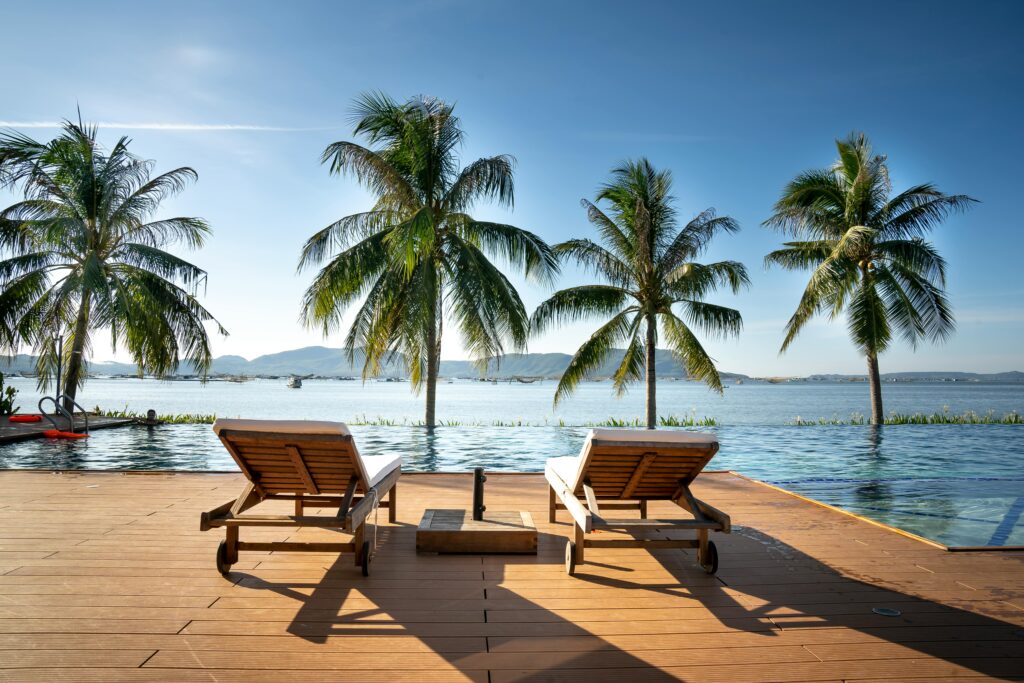
Lifespan And Long-Term Reliability Of Outdoor Decking
The lifespan of outdoor decking depends on material quality, environmental exposure, and maintenance practices. Understanding long-term reliability helps determine which option offers the best value over time.
Material Durability And Construction
Different decking materials offer varying levels of durability based on their composition and structure.
Composite and PVC decking are engineered for long-term stability and resistance to environmental damage. Hardwood decking provides excellent natural durability, while aluminum offers the highest structural longevity with minimal degradation.
Environmental Exposure Impact
Outdoor conditions significantly affect how long decking materials last.
Moisture, UV exposure, temperature changes, and heavy usage can accelerate wear. PVC and aluminum perform best in extreme conditions, while wood requires protective treatments to maintain durability.
Maintenance And Upkeep Influence
Regular maintenance plays a key role in extending decking lifespan.
Wood decking requires sealing, staining, and cleaning to prevent deterioration. Composite and PVC decking need minimal maintenance but still benefit from periodic cleaning and inspection.
Expected Lifespan By Material
| Material | Typical Lifespan |
| Pressure-Treated Wood | 10–20 years |
| Composite Decking | 25–50 years |
| PVC Decking | 30–50+ years |
| Hardwood (Ipe) | 25–40+ years |
| Aluminum Decking | 30–50+ years |
Replacement And Upgrade Cycles
Over time, decking may require partial or full replacement depending on wear and structural condition.
Wood decking often requires earlier replacement due to environmental damage. Composite and PVC materials typically last longer with fewer replacements, while aluminum systems offer the longest service life with minimal degradation.
Understanding lifespan and reliability helps in selecting outdoor decking that aligns with long-term usage and investment goals.
Real User Feedback And Expert Opinions
Understanding real-world experiences and expert evaluations helps validate the performance, durability, and practicality of outdoor decking options. Feedback from users and professionals highlights both strengths and limitations across different materials.
Summary Table Of User Feedback
| Aspect | User Feedback Summary |
| Ease of Installation | Interlocking tiles and composite decking are easiest for DIY |
| Maintenance | PVC and composite require minimal upkeep |
| Durability | Aluminum and hardwood rated highest for long-term use |
| Aesthetics | Hardwood preferred for natural appearance |
| Value | Composite seen as best balance of cost and performance |
User Feedback
What Users Appreciate
- Low maintenance requirements of composite and PVC decking
- Long lifespan and durability of hardwood and aluminum materials
- Ease of installation with modular and composite systems
- Improved outdoor aesthetics and usability
Common Complaints
- Heat retention in composite decking under direct sunlight
- High upfront cost of premium materials like PVC and aluminum
- Maintenance requirements for wood decking
- Limited natural appearance in synthetic materials
Expert Opinion
Performance Insights
Experts highlight composite and PVC decking as reliable choices for most residential applications due to their durability and low maintenance. Aluminum is recommended for extreme conditions, while hardwood is valued for strength and appearance.
Durability Evaluation
Professional assessments consistently rank aluminum and hardwood as the most durable materials. Composite decking follows closely, offering strong performance with fewer maintenance requirements.
Buying Recommendations
Experts recommend selecting decking based on climate and usage. PVC is ideal for wet environments, composite for general use, and hardwood or aluminum for heavy-duty applications.
These insights from users and experts provide a balanced understanding of how outdoor decking performs in practical scenarios.
How We Tested And Selected The Best Outdoor Decking
Selecting the best outdoor decking involved evaluating materials, performance, usability, and long-term value across a range of real-world conditions. The goal was to identify options that deliver reliable performance while meeting different user needs and environments.
Evaluation Criteria
- Durability And Build Quality: Assessed resistance to weather, moisture, and long-term structural stability
- Usability And Ease Of Setup: Evaluated installation complexity and user-friendliness
- Maintenance Requirements: Compared upkeep needs across materials such as wood, composite, and PVC
- Performance And Reliability: Analyzed how materials perform under regular use and environmental stress
- Value For Money: Considered upfront cost versus long-term durability and maintenance savings
- Customer Feedback And Expert Insights: Incorporated real-world experiences and professional evaluations
These criteria ensure a balanced comparison between performance, cost, and usability.
Testing Methods
The evaluation process combined practical analysis with comparative research to ensure accuracy and relevance.
- Reviewed material specifications and performance benchmarks
- Compared real-world usage scenarios across different climates
- Analyzed user reviews for long-term reliability insights
- Evaluated installation requirements and maintenance demands
This structured approach ensures that the recommendations are based on practical performance, user needs, and long-term value considerations.
FAQs About Outdoor Decking
These frequently asked questions address common concerns and help clarify key considerations when choosing and maintaining outdoor decking.
What is the best material for outdoor decking?
Composite decking is generally the best option due to its durability, low maintenance, and resistance to weather, making it suitable for most residential outdoor applications.
How long does outdoor decking typically last?
Lifespan varies by material, with wood lasting 10–20 years, composite 25–50 years, PVC over 30 years, and aluminum decking often exceeding 40 years.
Is composite decking better than wood decking?
Composite decking is better for low maintenance and durability, while wood offers a natural appearance but requires regular sealing, staining, and upkeep.
Which outdoor decking is best for wet climates?
PVC decking is best for wet climates because it does not absorb moisture, preventing issues like rot, mold, and warping over time.
Does outdoor decking require maintenance?
Yes, but the level varies. Wood needs regular treatment, while composite and PVC require minimal cleaning and occasional inspection for long-term performance.
What is the most affordable outdoor decking option?
Pressure-treated wood is the most affordable option, offering basic durability at a low cost, though it requires ongoing maintenance to extend its lifespan.
Can outdoor decking be installed without professional help?
Some options like interlocking deck tiles and basic composite boards are DIY-friendly, but complex installations often require professional expertise for safety and durability.
Which decking type is best for high traffic areas?
Hardwood decking such as Ipe is best for high traffic areas due to its density and resistance to wear, impact, and long-term surface damage.
Is outdoor decking environmentally friendly?
Some options like bamboo composite and recycled composite decking are eco-friendly, using sustainable materials while maintaining durability and performance.
What factors should be considered before choosing outdoor decking?
Key factors include climate, budget, maintenance requirements, usage, and installation complexity to ensure the decking performs well over time.
Does decking increase property value?
Yes, well-installed outdoor decking enhances usability and visual appeal, which can improve overall property value and attract potential buyers.
These answers provide a quick overview of essential considerations, helping you make informed decisions before moving to the final verdict.
Final Verdict – Which Outdoor Decking Should You Get?
The right outdoor decking depends on your budget, climate, maintenance preference, and intended usage.
- Choose composite decking if you want the best balance of durability, cost, and low maintenance
- Choose PVC decking for wet climates or if minimal upkeep is your priority
- Choose hardwood decking if you want premium aesthetics and maximum strength
- Choose aluminum decking for extreme weather and long-term durability
- Choose pressure-treated wood if you need the most affordable option
- Choose interlocking tiles for small spaces or temporary setups
- Choose eco-friendly composite if sustainability is a key concern
Make your decision based on long-term performance needs to ensure the best value and usability for your outdoor space.