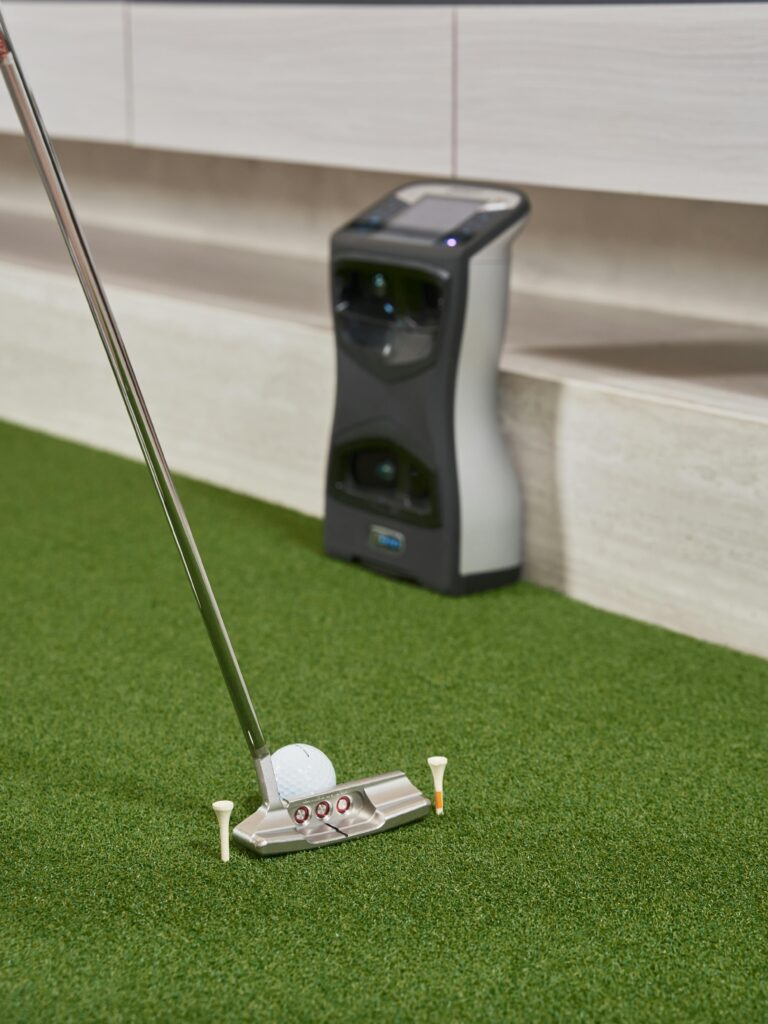
A best outdoor golf launch monitor is a device that tracks ball speed, launch angle, spin, and distance to analyze performance in real playing conditions. Unlike indoor systems, an outdoor golf launch monitor is designed to work accurately on the range or course, using radar or camera-based technology.
Golfers often struggle to understand their true shot data outside controlled environments. That’s where a reliable golf launch monitor for outdoors matters. This guide compares top models, key features, and real-world performance to help you choose the right option.
Explore our guide to the best outdoor kitchen.
Key Takeaways
Choosing the right outdoor golf launch monitor depends on accuracy, portability, and how you plan to use it on the range or course. Below are the most important insights to guide your decision.
- Best overall: Trackman 4 delivers tour-level accuracy with full ball and club data tracking
- Best budget: Rapsodo MLM provides reliable metrics at an accessible price point
- Best premium: Full Swing KIT offers elite performance with advanced radar technology
- Best value: Garmin Approach R10 balances affordability with strong feature coverage
- Most durable: Flightscope Mevo+ stands out with consistent outdoor performance and rugged design
- Best for portability: Swing Caddie SC4 is compact and easy to carry between sessions
- Best for data depth: Foresight GCQuad offers unmatched precision with quadrascopic imaging
- Best for casual golfers: PRGR Portable Launch Monitor keeps things simple and effective
These highlights provide a quick snapshot, but understanding how each model was evaluated will help you make a more informed decision.
The Best Outdoor Golf Launch Monitor
Selecting the best outdoor golf launch monitor involves more than just comparing specs. We evaluated models based on accuracy, consistency in outdoor conditions, ease of setup, portability, and overall value. Radar-based and camera-based systems were compared across real driving range sessions to assess performance reliability.
Customer feedback, expert testing insights, and brand reputation also played a role in narrowing down the top options. This approach ensures the recommendations reflect real-world usability rather than just technical claims.
With the evaluation criteria established, let’s move into the top-performing models and how they rank across key buying categories.
Review the best outdoor car cover with our expert insights.
Best Outdoor Golf Launch Monitor (Quick Picks)
This quick picks section highlights top-performing models based on key buying priorities like accuracy, budget, and durability. These categories focus on conversion-driven decisions, helping you quickly identify the right product based on what matters most.
| Category | Product | Why It’s Best |
| Best Overall | Trackman 4 | Industry-leading accuracy with full ball and club tracking |
| Best Budget | Rapsodo MLM | Affordable entry with solid data tracking for casual golfers |
| Best Premium | Full Swing KIT | Tour-level performance with advanced radar technology |
| Best Value | Garmin Approach R10 | Balanced performance and affordability with simulation features |
| Most Durable | Flightscope Mevo+ | Reliable outdoor tracking with strong build quality |
| Best for Portability | Swing Caddie SC4 | Compact design with easy setup for quick sessions |
| Best for Data Depth | Foresight GCQuad | Exceptional precision with quad-camera system |
| Best for Casual Use | PRGR Portable Launch Monitor | Simple, no-frills tracking for everyday practice |
Each of these models excels in a specific category, and the following sections break down their real-world performance and usability.
Best Overall Outdoor Golf Launch Monitor – Trackman 4
Trackman 4 is widely regarded as the benchmark for golf launch monitors, offering unmatched accuracy and data depth. It uses dual radar technology to track both ball flight and club movement, making it a trusted tool among professionals and coaches.
What sets it apart is its consistency outdoors. Even in varying weather or lighting conditions, Trackman 4 maintains reliable data output. It also integrates seamlessly with simulation software, making it suitable for both practice and entertainment.
| Category | Product | Type / Power Source | Size / Capacity | Price Range | Best For |
| Best Overall | Trackman 4 | Dual Radar | Portable Unit | $19,000–$25,000 | Professionals and serious golfers |
Key Features
- Dual radar system for ball and club tracking
- Extremely high accuracy across all metrics
- Advanced simulation and virtual golf courses
- Cloud data storage and performance tracking
Who It’s For
Serious golfers and professionals who need precise, tour-level data
Who Should Avoid It
Casual players who don’t need advanced analytics or high cost
Competitor Comparisons
| Feature | Trackman 4 | Foresight GCQuad |
| Technology | Radar | Camera-based |
| Outdoor Accuracy | Excellent | Excellent |
| Club Data | Included | Included |
| Price | Higher | Slightly lower |
Alternatives
Foresight GCQuad offers similar accuracy with a different tracking system
Trackman 4 remains the gold standard if accuracy and complete data insights are your top priorities.
Best Budget Outdoor Golf Launch Monitor – Rapsodo MLM
Rapsodo MLM is a popular entry-level launch monitor designed for golfers who want reliable data without a large investment. It pairs with a smartphone to provide visual shot tracking and key metrics like distance, ball speed, and launch angle.
Its strength lies in accessibility. Setup is quick, and the app interface is intuitive, making it easy to start tracking shots within minutes. While it doesn’t offer advanced club data, it delivers enough insights for meaningful practice sessions.
| Category | Product | Type / Power Source | Size / Capacity | Price Range | Best For |
| Best Budget | Rapsodo MLM | Radar + Mobile App | Pocket-sized | $300–$500 | Beginners and casual golfers |
Key Features
- Mobile app integration with video playback
- Tracks distance, ball speed, and launch angle
- GPS-enabled shot mapping
- Compact and lightweight design
Who It’s For
Golfers looking for an affordable way to track performance
Who Should Avoid It
Advanced players needing detailed club data and precision
Competitor Comparisons
| Feature | Rapsodo MLM | Garmin R10 |
| Price | Lower | Moderate |
| Data Depth | Basic | Moderate |
| Simulation | Limited | Extensive |
| Portability | High | High |
Alternatives
Garmin Approach R10 offers more features at a slightly higher price
Rapsodo MLM is a strong starting point for golfers who want simple, effective performance tracking without overspending.
Best Premium Outdoor Golf Launch Monitor – Full Swing KIT
Full Swing KIT is built for golfers who want top-tier performance without stepping into ultra-complex setups. It uses advanced radar technology combined with machine learning to deliver highly accurate ball tracking across outdoor environments.
You notice the difference immediately in how cleanly it captures ball flight, even on longer shots. The data feels consistent from swing to swing, and the interface doesn’t overwhelm you with unnecessary complexity. It’s the kind of device that gives you confidence in your numbers without slowing down your practice flow.
| Category | Product | Type / Power Source | Size / Capacity | Price Range | Best For |
| Best Premium | Full Swing KIT | Doppler Radar | Portable Unit | $3,999–$4,999 | Serious golfers seeking high-end performance |
Key Features
- Radar-based tracking with machine learning integration
- 16+ data points including spin and carry distance
- Built-in display for instant feedback
- iOS connectivity for deeper analysis
Who It’s For
Golfers who want premium accuracy without tour-level complexity
Who Should Avoid It
Beginners who don’t need advanced metrics
Competitor Comparisons
| Feature | Full Swing KIT | Trackman 4 |
| Price | Lower | Much higher |
| Accuracy | High | Elite |
| Portability | High | Moderate |
| Ease of Use | Easier | More complex |
Alternatives
Flightscope Mevo+ offers strong performance with simulation features
Full Swing KIT fits naturally into serious practice routines without demanding a steep learning curve.
Best Value Outdoor Golf Launch Monitor – Garmin Approach R10
Garmin Approach R10 strikes a balance that’s hard to ignore. It’s compact, reasonably priced, and still manages to deliver a wide set of metrics along with simulation capabilities.
During practice, it feels surprisingly complete for its size. You can track distances, ball speed, and shot dispersion while also running virtual rounds through compatible apps. It doesn’t try to compete with high-end systems, but it covers enough ground to keep both improvement and entertainment in the mix.
| Category | Product | Type / Power Source | Size / Capacity | Price Range | Best For |
| Best Value | Garmin Approach R10 | Radar | Pocket-sized | $500–$700 | Balanced performance and simulation use |
Key Features
- Tracks key metrics including distance, club speed, and spin estimates
- Compatible with golf simulation apps
- Lightweight and easy to carry
- Long battery life for extended sessions
Who It’s For
Golfers who want performance and simulation without a high price
Who Should Avoid It
Players needing highly precise spin and club data
Competitor Comparisons
| Feature | Garmin R10 | Rapsodo MLM |
| Features | More extensive | Basic |
| Simulation | Yes | Limited |
| Price | Moderate | Lower |
| Accuracy | Good | Moderate |
Alternatives
Swing Caddie SC4 is a simpler option focused on portability
Garmin Approach R10 delivers a well-rounded experience that works for both practice and casual play.
Most Durable Outdoor Golf Launch Monitor – Flightscope Mevo+
Flightscope Mevo+ has a reputation for holding up well during regular outdoor use. It’s built to handle repeated range sessions without feeling fragile, and the tracking remains consistent even when conditions aren’t ideal.
You can leave it set up through long practice sessions without worrying about performance dips. It handles wind and open-field environments better than most mid-range options, and the data remains stable enough to trust over time.
| Category | Product | Type / Power Source | Size / Capacity | Price Range | Best For |
| Most Durable | Flightscope Mevo+ | Doppler Radar | Portable Unit | $1,999–$2,499 | Frequent outdoor practice |
Key Features
- Radar-based tracking with solid outdoor reliability
- 20+ data parameters including spin and carry distance
- Simulation compatibility with E6 Connect
- Rechargeable battery for extended use
Who It’s For
Golfers practicing outdoors frequently who need consistent performance
Who Should Avoid It
Users who want ultra-compact or entry-level devices
Competitor Comparisons
| Feature | Mevo+ | Full Swing KIT |
| Durability | High | High |
| Simulation | Yes | Limited |
| Price | Lower | Higher |
| Portability | Moderate | High |
Alternatives
Garmin Approach R10 offers portability at a lower cost
Flightscope Mevo+ is a dependable choice if you want something that can handle regular outdoor sessions without losing accuracy.
Best for Portability Outdoor Golf Launch Monitor – Swing Caddie SC4
Swing Caddie SC4 is built for golfers who don’t want to deal with complicated setups. It’s compact, easy to carry, and ready to use within minutes, making it ideal for quick practice sessions at the range.
It feels more like a grab-and-go tool than a technical device. You place it down, hit a few shots, and get immediate feedback without needing a phone or extra setup. That simplicity makes it especially appealing if you just want to focus on your swing.
| Category | Product | Type / Power Source | Size / Capacity | Price Range | Best For |
| Best for Portability | Swing Caddie SC4 | Radar | Compact Unit | $500–$600 | On-the-go practice |
Key Features
- Instant feedback via built-in display
- Tracks ball speed, carry distance, and swing speed
- No app required for basic use
- Lightweight and travel-friendly
Who It’s For
Golfers who want a simple, portable solution
Who Should Avoid It
Players looking for deep analytics and advanced metrics
Competitor Comparisons
| Feature | SC4 | Garmin R10 |
| Portability | Very high | High |
| Features | Basic | Advanced |
| App Dependency | No | Yes |
| Price | Similar | Similar |
Alternatives
PRGR Portable Launch Monitor offers an even simpler experience
Swing Caddie SC4 works best when convenience and speed matter more than advanced data.
Best for Data Depth Outdoor Golf Launch Monitor – Foresight GCQuad
Foresight GCQuad is built for players who care about precision down to the smallest detail. It uses a quad-camera system instead of radar, capturing ball and club data at impact with exceptional clarity.
You’ll notice how detailed the feedback gets, especially when working on spin rates, club path, or face angle. It doesn’t rely on estimated data the way some radar units do, which makes it a preferred choice for coaching environments and serious players dialing in performance.
| Category | Product | Type / Power Source | Size / Capacity | Price Range | Best For |
| Best for Data Depth | Foresight GCQuad | Quadrascopic Camera | Portable Unit | $14,000–$18,000 | Advanced players and coaches |
Key Features
- Quad-camera system for highly accurate impact data
- Detailed club and ball metrics
- Works in both indoor and outdoor environments
- High-speed image capture for precise analysis
Who It’s For
Players and coaches focused on detailed performance data
Who Should Avoid It
Casual users who don’t need deep analytics
Competitor Comparisons
| Feature | GCQuad | Trackman 4 |
| Technology | Camera-based | Radar |
| Accuracy (Impact) | Extremely high | Very high |
| Outdoor Use | Excellent | Excellent |
| Price | High | Higher |
Alternatives
Trackman 4 offers similar depth with radar-based tracking
Foresight GCQuad is ideal when precision and detailed feedback matter more than portability or price.
Best for Casual Use Outdoor Golf Launch Monitor – PRGR Portable Launch Monitor
PRGR Portable Launch Monitor keeps things simple. It focuses on the basics—club speed, ball speed, carry distance—without adding layers of complexity or requiring app connections.
It’s the kind of device you can use right out of the box without reading a manual. For casual practice or warm-ups, it gives just enough data to stay engaged without turning your session into a technical breakdown.
| Category | Product | Type / Power Source | Size / Capacity | Price Range | Best For |
| Best for Casual Use | PRGR Portable Launch Monitor | Doppler Radar | Ultra-compact | $200–$300 | Beginners and casual practice |
Key Features
- Simple, no-app operation
- Tracks basic swing and ball metrics
- Extremely lightweight and portable
- Fast setup with minimal calibration
Who It’s For
Beginners or golfers who want quick feedback without complexity
Who Should Avoid It
Players needing advanced data or simulation features
Competitor Comparisons
| Feature | PRGR | Swing Caddie SC4 |
| Simplicity | Very high | High |
| Data Depth | Basic | Moderate |
| Price | Lower | Higher |
| Setup | Instant | Quick |
Alternatives
Swing Caddie SC4 offers more features while staying portable
PRGR Portable Launch Monitor works best when simplicity and ease of use are the top priorities.
Outdoor Golf Launch Monitor Comparison Table
This table provides a side-by-side view of the top outdoor golf launch monitors, helping you quickly compare features, performance, and ideal use cases based on real buyer intent.
| Category | Product | Type / Power Source | Size / Capacity | Weather Resistance | Key Features | Best For | Price Range |
| Best Outdoor Golf Launch Monitor for Beginners | Rapsodo MLM | Radar + App | Pocket-sized | Moderate | Video tracking, GPS mapping | New golfers | $300–$500 |
| Best Outdoor Golf Launch Monitor for Simulation | Garmin Approach R10 | Radar | Compact | Moderate | Simulation support, app integration | Virtual play | $500–$700 |
| Best Outdoor Golf Launch Monitor for Coaches | Foresight GCQuad | Camera-based | Portable Unit | High | Impact-based precision data | Coaching sessions | $14,000–$18,000 |
| Best Outdoor Golf Launch Monitor for Driving Range Use | Flightscope Mevo+ | Radar | Portable Unit | High | Consistent outdoor tracking | Range practice | $1,999–$2,499 |
| Best Outdoor Golf Launch Monitor for Home Practice | Swing Caddie SC4 | Radar | Compact | Moderate | Instant feedback display | Backyard use | $500–$600 |
| Best Outdoor Golf Launch Monitor for Tour-Level Accuracy | Trackman 4 | Dual Radar | Portable Unit | High | Full ball + club tracking | Professionals | $19,000–$25,000 |
| Best Outdoor Golf Launch Monitor for Budget Users | PRGR Portable | Radar | Ultra-compact | Moderate | Basic metrics, no app needed | Casual golfers | $200–$300 |
This comparison highlights how each model fits a specific type of golfer, making it easier to narrow down your options based on how and where you plan to use it.
Best Outdoor Golf Launch Monitor for Beginners – Rapsodo MLM
Rapsodo MLM is often the first step into launch monitor training for many golfers. It focuses on giving you clear, usable data without requiring technical knowledge or a complicated setup.
You can set it behind you, connect your phone, and start seeing shot data within minutes. The added video replay feature makes it easier to connect what you feel in your swing with what’s actually happening.
Key Specifications
| Feature | Specification |
| Technology | Doppler Radar + Mobile App |
| Metrics | Ball speed, carry distance, launch angle |
| Connectivity | iOS App |
| Portability | Pocket-sized |
| Power | Rechargeable battery |
| Price | $300–$500 |
Pros and Cons
| Pros | Cons |
| Easy to set up and use | Limited advanced metrics |
| Video playback adds visual feedback | Requires smartphone |
| Affordable entry point | Less accurate than premium models |
Key Features
Mobile Video Tracking
Records each swing and overlays data, helping you visually understand your shots.
GPS Shot Mapping
Tracks where your shots land on the range, adding context to distance data.
Simple App Interface
Keeps everything accessible without overwhelming new users.
Best For
- Beginners learning swing basics
- Golfers practicing casually at the range
- Players who prefer visual feedback
Performance and Real-World Use
| Aspect | Performance Insight |
| Accuracy | Reliable for basic metrics |
| Ease of Use | Very beginner-friendly |
| Setup Time | Under 2 minutes |
| Portability | Extremely easy to carry |
| Consistency | Good for casual sessions |
It works best when you want quick, understandable feedback without diving into complex data.
See details on the best wireless outdoor security camera in our review.
Best Outdoor Golf Launch Monitor for Simulation – Garmin Approach R10
Garmin Approach R10 is one of the few compact devices that blends practice and simulation in a meaningful way. It’s small enough to carry in your bag, yet capable of running full virtual rounds through compatible apps.
During use, it feels more engaging than a typical practice tool. You’re not just hitting balls—you’re seeing how those shots translate into simulated play, which adds a layer of motivation that basic monitors often lack.
Key Specifications
| Feature | Specification |
| Technology | Doppler Radar |
| Metrics | Ball speed, club speed, spin estimates, distance |
| Connectivity | Bluetooth, Garmin Golf App |
| Simulation | Yes (E6 Connect, others) |
| Battery Life | Up to 10 hours |
| Price | $500–$700 |
Pros and Cons
| Pros | Cons |
| Supports virtual golf simulation | Spin data is estimated, not measured |
| Compact and portable | Requires app for full functionality |
| Tracks multiple performance metrics | Less precise than high-end systems |
Key Features
Simulation Compatibility
Works with multiple golf simulation platforms, allowing full-course play from home or range.
Multi-Metric Tracking
Captures both ball and club data, giving a broader view of performance.
Shot Dispersion Charts
Helps visualize consistency and shot patterns over time.
Best For
- Golfers interested in simulation and practice combined
- Players who want more engagement during sessions
- Users balancing fun and performance tracking
Performance and Real-World Use
| Aspect | Performance Insight |
| Accuracy | Good for mid-range device |
| Simulation Experience | Highly engaging |
| Setup Time | Quick and straightforward |
| Portability | Excellent |
| Consistency | Reliable for regular use |
It adds a layer of interaction that keeps practice sessions from feeling repetitive.
Best Outdoor Golf Launch Monitor for Coaches – Foresight GCQuad
Foresight GCQuad is often seen in professional coaching setups for a reason. It captures data right at impact using a quad-camera system, which gives instructors extremely detailed insights into both ball and club behavior.
When working on swing mechanics, the level of detail becomes obvious quickly. Small adjustments show up clearly in the data, making it easier to diagnose issues and track improvement over time.
Key Specifications
| Feature | Specification |
| Technology | Quadrascopic Camera System |
| Metrics | Ball data + club data (with add-ons) |
| Connectivity | FSX Software Suite |
| Portability | Portable Unit |
| Accuracy | Tour-level precision |
| Price | $14,000–$18,000 |
Pros and Cons
| Pros | Cons |
| Extremely accurate impact data | Very expensive |
| Ideal for coaching and analysis | Requires learning curve |
| Works indoors and outdoors | Additional cost for full club data |
Key Features
Impact-Based Measurement
Captures ball and club data at the moment of contact for highly reliable results.
Advanced Club Data
Provides detailed insights into club path, face angle, and impact location.
Professional Software Integration
Pairs with advanced analysis tools for deeper breakdowns.
Best For
- Coaches analyzing player performance
- Advanced golfers refining technique
- Training environments requiring precision
Performance and Real-World Use
| Aspect | Performance Insight |
| Accuracy | Extremely high |
| Data Depth | Advanced |
| Setup Time | Moderate |
| Portability | Good for pro setups |
| Consistency | Exceptional |
It’s designed for environments where precision matters more than convenience or cost.
Read our review of the best outdoor pizza oven.
Best Outdoor Golf Launch Monitor for Driving Range Use – Flightscope Mevo+
Flightscope Mevo+ fits naturally into regular range routines. It handles repeated sessions without needing constant recalibration, and the data stays consistent even when you’re hitting across open fields where distances can vary.
You can settle into a rhythm without stopping to adjust the device. It tracks carry distance, spin, and ball speed reliably enough to build a clear picture of your performance over time, which makes it especially useful for structured practice.
Key Specifications
| Feature | Specification |
| Technology | Doppler Radar |
| Metrics | Ball speed, spin rate, carry distance, club data |
| Connectivity | E6 Connect, FS Golf App |
| Battery Life | Up to 3–4 hours |
| Portability | Medium |
| Price | $1,999–$2,499 |
Pros and Cons
| Pros | Cons |
| Strong outdoor tracking consistency | Bulkier than compact models |
| Supports simulation software | Setup requires space behind the ball |
| Tracks a wide range of data | Battery life could be longer |
Key Features
Consistent Range Tracking
Maintains stable readings across different distances, helping you trust your yardages.
Simulation Integration
Works with simulation platforms for added practice variety.
Expanded Data Metrics
Provides deeper insights compared to entry-level devices.
Best For
- Golfers practicing frequently at driving ranges
- Players working on distance consistency
- Users who want both data and simulation options
Performance and Real-World Use
| Aspect | Performance Insight |
| Accuracy | High for outdoor use |
| Ease of Use | Moderate setup required |
| Durability | Strong for repeated sessions |
| Portability | Manageable but not ultra-compact |
| Reliability | Consistent over long sessions |
It fits best into structured practice where consistency matters more than quick setup.
Explore our guide to the best recycled plastic outdoor furniture.
Best Outdoor Golf Launch Monitor for Home Practice – Swing Caddie SC4
Swing Caddie SC4 works well in backyard or small practice setups where simplicity is more important than advanced analytics. You don’t need extra apps or complicated calibration—just place it down and start hitting.
It’s especially useful when you want quick feedback without turning practice into a technical session. The built-in display shows your numbers instantly, which keeps things moving without interruptions.
Key Specifications
| Feature | Specification |
| Technology | Doppler Radar |
| Metrics | Ball speed, carry distance, swing speed |
| Display | Built-in LCD |
| Connectivity | Optional app support |
| Portability | Very compact |
| Price | $500–$600 |
Pros and Cons
| Pros | Cons |
| No app required for basic use | Limited advanced metrics |
| Fast and simple setup | Less accurate than premium units |
| Compact and easy to carry | Minimal simulation features |
Key Features
Built-In Display
Shows shot data instantly without needing a phone or tablet.
Quick Setup
Ready to use within seconds, ideal for short practice sessions.
Compact Design
Fits easily into a golf bag or small storage space.
Best For
- Backyard or home practice setups
- Golfers who prefer simple devices
- Quick warm-up sessions
Performance and Real-World Use
| Aspect | Performance Insight |
| Accuracy | Solid for basic tracking |
| Ease of Use | Very high |
| Setup Time | Almost instant |
| Portability | Excellent |
| Consistency | Reliable for casual use |
It works best when you want a straightforward practice tool that doesn’t slow you down.
Dive into our review of the best outdoor smartwatch.
Best Outdoor Golf Launch Monitor for Tour-Level Accuracy – Trackman 4
Trackman 4 is built for players who rely on exact numbers, not estimates. It tracks both the ball and the club using dual radar, giving you a complete picture of what happens from impact to landing.
On an open range, the data holds steady even on longer shots. Distances, spin, and trajectory line up closely with what you’d expect on the course, which is why it’s commonly used in professional settings and tournament prep.
Key Specifications
| Feature | Specification |
| Technology | Dual Radar |
| Metrics | Full ball and club data |
| Connectivity | Trackman Software Suite |
| Portability | Portable Unit |
| Accuracy | Tour-level |
| Price | $19,000–$25,000 |
Pros and Cons
| Pros | Cons |
| Extremely accurate across all metrics | Very expensive |
| Tracks full ball and club data | Requires space for setup |
| Trusted by professionals | Overkill for casual users |
Key Features
Dual Radar Tracking
Measures both ball flight and club movement for complete analysis.
Full Data Coverage
Provides detailed metrics including spin axis, club path, and face angle.
Professional Software Integration
Supports advanced analysis and simulation tools.
Best For
- Professional golfers and coaches
- Players preparing for competition
- Advanced users needing complete data
Performance and Real-World Use
| Aspect | Performance Insight |
| Accuracy | Elite |
| Data Depth | Comprehensive |
| Setup Time | Moderate |
| Portability | Moderate |
| Reliability | Extremely consistent |
It’s built for players who depend on precise data to make decisions about their swing.
Explore our guide to the best basketball shoes for outdoor.
Best Outdoor Golf Launch Monitor for Budget Users – PRGR Portable Launch Monitor
PRGR Portable Launch Monitor focuses on delivering basic swing data without adding complexity or cost. It’s one of the simplest ways to start tracking performance outdoors.
You can turn it on, place it behind you, and begin hitting shots almost immediately. It doesn’t try to provide deep analytics, but it gives enough feedback to keep practice purposeful.
Key Specifications
| Feature | Specification |
| Technology | Doppler Radar |
| Metrics | Club speed, ball speed, carry distance |
| Connectivity | None required |
| Portability | Ultra-compact |
| Power | Battery-operated |
| Price | $200–$300 |
Pros and Cons
| Pros | Cons |
| Very affordable | Limited data points |
| No app or setup needed | Lower accuracy than premium models |
| Extremely portable | No simulation features |
Key Features
Simple Data Output
Displays essential metrics without requiring additional devices.
Instant Setup
Ready to use with minimal positioning or calibration.
Lightweight Build
Easy to carry anywhere for quick practice sessions.
Best For
- Budget-conscious golfers
- Beginners testing launch monitors
- Casual practice sessions
Performance and Real-World Use
| Aspect | Performance Insight |
| Accuracy | Basic but usable |
| Ease of Use | Extremely simple |
| Setup Time | Instant |
| Portability | Excellent |
| Consistency | Good for casual tracking |
It’s a practical option if you want basic feedback without investing in advanced technology.
View our review of the best permanent outdoor Christmas lights.
Types Of Outdoor Golf Launch Monitor
Outdoor golf launch monitors come in a few distinct formats, each designed around how they track data and where they perform best. Understanding these types helps you match the device to your practice style and environment.
Radar-Based Launch Monitors
Radar systems track the ball as it travels through the air, measuring distance, speed, and trajectory over time. These are the most common for outdoor use because they perform well in open spaces like driving ranges.
They suit golfers who want full ball flight tracking rather than just impact data. However, they need adequate space behind the ball to work properly.
- Best for outdoor ranges and long-distance tracking
- Captures full ball flight for realistic data
- Requires setup space behind the hitting area
Camera-Based Launch Monitors
Camera systems focus on the moment of impact, using high-speed imaging to capture ball and club data instantly. These are often more precise for spin and club metrics.
They’re commonly used in coaching or indoor setups, but many models also perform well outdoors when properly aligned.
- Best for precision and impact-based analysis
- Provides highly accurate spin and club data
- May require careful positioning for outdoor use
Hybrid Launch Monitors
Hybrid systems combine radar and camera technology to balance full flight tracking with precise impact data. They aim to reduce the limitations of using just one method.
These are typically found in higher-end devices and offer a more complete data set for serious golfers.
- Combines radar tracking with camera precision
- Offers both flight and impact insights
- Usually comes at a higher price point
This breakdown makes it easier to identify which technology aligns with your training goals and environment.
Read our review of the best outdoor mosquito trap.
How To Choose Outdoor Golf Launch Monitor
Choosing the right outdoor golf launch monitor depends on how you practice, where you play, and what kind of data you actually need. Focusing on the right factors helps avoid overspending or ending up with features you won’t use.
Space Requirements
Radar-based devices need several feet of space behind the ball to track shots accurately. If you’re practicing in a tight backyard, placement can become a limitation.
- Recommended:
• Best for small spaces: camera-based units like Foresight GCQuad
• Best for open ranges: radar systems like Garmin R10 or Mevo+
Accuracy Needs
Not every golfer needs tour-level precision. Casual players can rely on estimated data, while competitive players benefit from exact measurements.
- Recommended:
• Best for high accuracy: Trackman 4
• Best for balanced accuracy: Full Swing KIT
Data Depth
Some devices only track basic metrics, while others provide detailed club and ball data. More data helps with improvement but can also feel overwhelming.
- Recommended:
• Best for detailed analysis: GCQuad
• Best for simple tracking: PRGR Portable
Portability
If you move between locations often, size and setup time matter. Larger units may offer better performance but are less convenient.
- Recommended:
• Best for portability: Swing Caddie SC4
• Best for balanced portability: Garmin R10
Budget
Prices range widely, so it’s important to match your needs with your budget rather than chasing features you won’t use.
- Recommended:
• Best budget option: Rapsodo MLM
• Best mid-range value: Garmin R10
• Best premium option: Trackman 4
These factors help narrow down your options based on real usage rather than just specifications.
Browse our review of the best high-end outdoor speakers.
Quality And Performance Of Outdoor Golf Launch Monitor
Outdoor golf launch monitors vary widely in build quality, tracking consistency, and long-term reliability. Understanding how they perform beyond specs helps you choose a device that holds up in real practice conditions.
Core Design And Functional Quality
| Aspect | Evaluation |
| Materials Used | High-end models use reinforced plastic and metal housing for durability |
| Structural Design | Stable base design prevents misalignment during repeated shots |
| Component Quality | Premium units include advanced sensors, radar modules, or high-speed cameras |
The design directly affects how consistently the device tracks shots. Premium systems like Trackman and GCQuad are engineered for stability and precision, while budget models focus more on portability and ease of use.
Performance In Real-World Use
| Aspect | Evaluation |
| Outdoor Tracking | Radar systems perform best in open environments |
| Environmental Impact | Wind and lighting can slightly affect lower-end devices |
| Data Accuracy | High-end units stay within 1–2% accuracy range |
Outdoor performance depends heavily on technology type. Radar-based monitors track full ball flight, making them ideal for driving ranges, while camera-based systems excel at impact data. Premium models maintain consistent readings even across long distances and varying conditions.
Reliability And Operational Stability
| Aspect | Evaluation |
| Long-Term Use | Designed for repeated sessions without recalibration |
| Stability | Maintains consistent readings across sessions |
| Error Rates | Minimal in high-end devices, higher in entry-level units |
Reliability becomes noticeable over time. Higher-end monitors deliver consistent data session after session, while budget options may show slight variations, especially with spin and launch metrics.
Protection, Safety, Or Security Features
| Aspect | Evaluation |
| Weather Resistance | Most units are weather-resistant but not fully waterproof |
| UV Protection | Built to handle outdoor sunlight exposure |
| Impact Safety | Designed to sit safely behind or beside hitting area |
Most outdoor launch monitors are built to handle typical range conditions, but very few are fully waterproof. Protective casing and proper placement are important to prevent damage during use.
Longevity And Long-Term Value
| Aspect | Evaluation |
| Lifespan | Premium units can last several years with proper care |
| Maintenance | Minimal, mostly cleaning and firmware updates |
| Upgrade Potential | Software updates extend usability over time |
A well-built launch monitor can remain accurate for years, especially when paired with regular software updates. Higher upfront cost often translates into longer usable life and more consistent performance.
Take a look at our best outdoor speakers review.
Key Features Of Outdoor Golf Launch Monitor
Outdoor golf launch monitors offer a mix of tracking capabilities, smart features, and usability improvements. These features directly influence how useful the device is during practice.
Ball Flight Tracking
This is the core function of any launch monitor. Radar-based systems track the ball throughout its flight, giving accurate carry distance, trajectory, and speed. This matters most for outdoor practice where full shot tracking provides realistic feedback.
Club Data Measurement
Advanced models measure club path, face angle, and impact position. This level of detail helps diagnose swing issues, especially for players working on consistency and shot shaping.
Simulation Compatibility
Many modern devices connect to simulation software, allowing you to play virtual courses. Some systems support thousands of courses and interactive practice modes, adding variety to training sessions.
Portability And Setup
Compact models are easier to carry and set up quickly, making them ideal for range use. Larger systems may offer better accuracy but require more space and setup time.
App Integration And Data Analysis
Most launch monitors connect to apps that store and analyze shot data. These platforms help track progress over time and provide visual insights into performance trends.
Battery Life And Power Options
Battery life determines how long you can practice without interruption. Portable devices typically last several hours, while high-end systems may require external power for extended use.
These features define how the device fits into your routine, whether you’re practicing casually or working on detailed performance improvements.
Compare the best waterproof outdoor furniture covers in our detailed guide.
Safety, Maintenance, And Best Practices
Using an outdoor golf launch monitor correctly helps maintain accuracy and extends its lifespan. Small setup or handling mistakes can affect readings or damage the device over time.
Safe Operation Guidelines
Place the device at the recommended distance and angle behind or beside the ball. Misalignment can lead to inaccurate readings or missed shots.
Keep the unit out of the direct hitting line. Even a slight mis-hit can damage the device if it’s positioned incorrectly.
Weather Precautions
Most outdoor launch monitors can handle sunlight and mild conditions, but they aren’t built for heavy rain or extreme environments.
- Avoid using the device in rain or wet grass
- Store it in a protective case when not in use
- Let it cool down if exposed to prolonged heat
Cleaning And Routine Maintenance
Dust and debris can affect sensors over time, especially in outdoor settings.
- Wipe the sensors and casing regularly
- Avoid using harsh cleaning chemicals
- Check for dirt buildup after range sessions
Extending Product Lifespan
Proper care keeps the device performing consistently over years of use.
- Update firmware when available
- Store in a dry, temperature-controlled space
- Use protective covers during transport
Following these practices helps maintain accuracy and prevents unnecessary wear.
Explore our guide to the best outdoor landscape lighting.
Budget And Value Considerations
Outdoor golf launch monitors range from affordable entry-level devices to professional-grade systems. Choosing the right tier depends on how often you practice and how much data you actually need.
| Price Tier | Features | Performance Level | Best For | Trade-Offs |
| Budget | Basic metrics, simple setup | Moderate | Beginners, casual golfers | Limited accuracy and features |
| Mid-Range | More data points, app integration, simulation | Good | Regular players | Some estimated data |
| Premium | Full ball and club data, high precision | Excellent | Professionals, coaches | High cost |
Budget models like PRGR or Rapsodo focus on simplicity and affordability. They provide enough data for general improvement but may lack precision in spin or club metrics.
Mid-range options such as Garmin R10 or Mevo+ offer a more balanced experience. You get better data coverage and simulation features without stepping into premium pricing.
Premium systems like Trackman 4 and GCQuad deliver the highest level of accuracy and detail. These are best suited for serious players who rely on precise data for performance improvement.
Understanding these tiers helps you invest in a device that matches your needs rather than overpaying for unused features.
Installation, Setup, And Placement
Setting up an outdoor golf launch monitor correctly is essential for accurate data. Even small positioning errors can affect readings, especially with radar-based systems that depend on proper alignment and spacing.
DIY Setup Vs Professional Installation
Most outdoor launch monitors are designed for simple, user-friendly setup. You can place the unit behind the ball, align it with your target, and start hitting within minutes.
However, high-end systems may require more precise calibration. Professionals often use alignment sticks, measured distances, or dedicated setups to ensure consistent tracking.
- DIY setup works best for portable devices like Garmin R10 or Swing Caddie SC4
- Professional setup is recommended for systems like Trackman 4 or GCQuad
Placement And Positioning Tips
Correct placement depends on the type of launch monitor and your practice environment.
Radar-based units need several feet behind the ball to track full flight, while camera-based systems are typically placed beside or just in front of the hitting area.
- Place the device on a stable, level surface
- Align it directly with your target line
- Avoid uneven ground or sloped surfaces
- Ensure sufficient space behind the ball for radar tracking
Taking a few extra moments to position the device correctly can significantly improve data accuracy.
Outdoor Golf Launch Monitor Vs Alternatives
Outdoor golf launch monitors are often compared with other training tools like indoor simulators, swing analyzers, and range-based tracking systems. Each option serves a different purpose depending on how you practice.
The table below highlights the key differences to help you understand which option fits your needs best.
| Feature | Outdoor Golf Launch Monitor | Indoor Golf Simulator | Swing Analyzer |
| Power Source | Battery or external power | Electrical setup | Battery |
| Installation | Minimal, portable | Fixed installation | Clip-on or wearable |
| Cost Range | $200–$25,000 | $3,000–$50,000+ | $100–$500 |
| Maintenance | Low | Moderate | Low |
| Best For | Outdoor practice and data tracking | Full simulation experience | Swing mechanics analysis |
| Limitations | Weather dependent | Requires indoor space | Limited data scope |
| Practical Considerations | Needs open space and alignment | Requires dedicated setup area | Doesn’t track ball flight |
Outdoor golf launch monitors provide the most realistic ball flight data since they operate in real playing conditions. Indoor simulators, on the other hand, focus more on immersive gameplay and controlled environments.
Swing analyzers are useful for improving mechanics, but they don’t capture full shot performance. They’re best used alongside a launch monitor rather than as a replacement.
Choosing between these options depends on whether you prioritize realism, convenience, or specific swing insights.
See details on the best outdoor steam sauna in our review.
Who Should Buy Outdoor Golf Launch Monitor
Outdoor golf launch monitors are not just for professionals. Different types of golfers benefit from them depending on how they practice and what they want to improve.
Homeowners With Backyard Practice Space
Why It Works For Them
- Allows consistent practice without visiting a driving range
- Provides real shot data in a familiar environment
- Works well with compact models like Swing Caddie SC4
Frequent Driving Range Users
Why It Works For Them
- Helps track progress across multiple sessions
- Provides reliable carry distance and dispersion data
- Pairs well with devices like Flightscope Mevo+
Beginners And Casual Golfers
Why It Works For Them
- Makes practice more structured and engaging
- Offers simple feedback without overwhelming data
- Entry-level options like Rapsodo MLM or PRGR are easy to use
Advanced Players And Competitive Golfers
Why It Works For Them
- Enables detailed swing and ball analysis
- Helps fine-tune performance and consistency
- High-end systems like Trackman 4 or GCQuad provide precise data
Understanding your skill level and practice habits makes it easier to choose the right type of launch monitor.
Benefits Of Using Outdoor Golf Launch Monitor
Outdoor golf launch monitors provide measurable insights that improve both practice efficiency and performance. They help golfers move beyond guesswork and rely on real data.
| Benefit | What It Improves | Practical Impact |
| Accurate Distance Tracking | Shot consistency | Better club selection on the course |
| Performance Feedback | Swing awareness | Faster skill improvement |
| Practice Efficiency | Time usage | More productive training sessions |
| Shot Visualization | Ball flight understanding | Improved shot shaping and control |
| Data Tracking Over Time | Progress monitoring | Clear performance trends |
Accurate Distance Tracking
Knowing your true carry distance helps eliminate guesswork. You can make more confident decisions on the course, especially with approach shots.
Performance Feedback
Launch monitors provide immediate data after each shot. This helps you connect feel with actual results, making adjustments more effective.
Practice Efficiency
Instead of hitting balls without direction, you can focus on specific improvements. This makes each session more purposeful.
Shot Visualization
Seeing ball flight data helps you understand trajectory and dispersion. This is especially useful when working on shot shaping.
Data Tracking Over Time
Many devices store your performance history. This allows you to track improvement and identify patterns over multiple sessions.
These benefits make outdoor launch monitors a valuable tool for both improvement and consistency.
Common Outdoor Golf Launch Monitor Myths
There are several misconceptions around outdoor golf launch monitors, especially regarding accuracy, usability, and cost. Clearing these up helps you make a more informed decision.
Myth: More Expensive Always Means Better
Reality
Higher price often brings more data and precision, but it doesn’t automatically mean better for every golfer. Many mid-range devices already provide enough accuracy for consistent improvement.
Myth: All Launch Monitors Provide The Same Data
Reality
Different devices track different metrics. Some focus only on ball data, while others include detailed club analysis. Choosing the right one depends on what you actually need to improve.
Myth: Outdoor Accuracy Is Always Perfect
Reality
Outdoor conditions like wind, uneven ground, or improper setup can affect readings. Even high-end devices require correct positioning to maintain accuracy.
Myth: You Need Advanced Data To Improve
Reality
Basic metrics like carry distance and ball speed are often enough for most golfers. Too much data can slow down practice rather than improve it.
Myth: Setup Is Complicated For All Devices
Reality
Many modern launch monitors are designed for quick setup. Portable models can be ready in minutes without technical adjustments.
Understanding these myths helps you focus on practical performance rather than assumptions.
Common Problems With Outdoor Golf Launch Monitor
Outdoor golf launch monitors can encounter issues during setup or use, especially in changing environments. Most problems are easy to fix once you understand the cause.
Problems And Their Solutions
| Problem | Cause | Solution |
| Inconsistent readings | Misalignment or uneven ground | Reposition device on a level surface |
| Missed shots | Incorrect placement distance | Follow manufacturer spacing guidelines |
| Reduced accuracy outdoors | Wind or lighting conditions | Adjust setup and avoid extreme conditions |
| Connectivity issues | App or Bluetooth problems | Restart device or update software |
| Battery drain | Extended usage without charging | Fully charge before sessions |
Inconsistent readings are often caused by improper alignment. Even a slight angle shift can affect how the device tracks the ball, so taking time to position it correctly makes a noticeable difference.
Missed shots usually happen when the device is placed too close or too far from the ball. Following the recommended distance ensures the radar or camera captures the shot properly.
Outdoor conditions can also affect performance. Strong wind or poor lighting may introduce minor variations, especially in mid-range devices.
Connectivity issues are common with app-based systems. Updating software or reconnecting the device typically resolves the problem quickly.
Battery-related interruptions can be avoided by charging the unit fully before heading to the range. For longer sessions, keeping a backup power source can help.
Accessories, Add-Ons, And Enhancements
Once you start using an outdoor golf launch monitor regularly, you begin to notice the small things that affect consistency—setup, alignment, and protection. That’s where a few well-chosen accessories can quietly make a big difference in how reliable your sessions feel.
Protective Cases And Covers
Outdoor sessions aren’t always controlled. You’re dealing with grass, dust, occasional drops, and transport in your golf bag or car. A solid protective case helps keep the device in working condition over time.
It’s not just about preventing damage—it also saves you from subtle issues like scratched sensors or loose components that can affect readings. If you’re carrying your monitor between home and the range often, this quickly becomes essential rather than optional.
- Keeps sensors and casing protected during transport
- Reduces long-term wear from outdoor exposure
- Helps maintain consistent performance over time
Alignment Tools
One of the most common reasons for inaccurate data isn’t the device—it’s alignment. Even a slight misdirection can throw off distance or shot shape readings without you realizing it.
Using simple alignment tools like sticks or built-in guides helps you set the device correctly every time. Over multiple sessions, this consistency matters more than most people expect.
- Improves accuracy by ensuring correct target alignment
- Reduces setup guesswork, especially on uneven ranges
- Helps maintain consistent data across sessions
Tripods And Mounts
If you’ve ever set up on uneven turf or a slightly sloped range mat, you know how easy it is for positioning to shift. A tripod or mount keeps the device stable, especially for radar-based systems that rely heavily on precise placement.
It’s a small upgrade, but it removes one more variable from your setup. That alone can make your practice feel more repeatable.
- Provides stable positioning on uneven surfaces
- Prevents movement during longer sessions
- Helps maintain consistent tracking angles
Simulation Software And Subscriptions
For many golfers, the biggest upgrade isn’t physical—it’s digital. Simulation software turns practice into something more engaging by letting you play virtual courses or structured drills.
Over time, this can actually increase how often you practice. Instead of hitting balls aimlessly, you’re working through rounds, tracking scores, and staying mentally engaged.
- Adds virtual courses and structured practice modes
- Provides deeper performance tracking and history
- Makes practice more engaging and less repetitive
These add-ons don’t change the core function of the device, but they refine the experience in ways that become more noticeable the longer you use it.
Best Outdoor Golf Launch Monitor Trends (2026)
Outdoor golf launch monitors are moving in a clear direction: making advanced data easier to access without making the experience more complicated. The biggest changes aren’t just about accuracy—they’re about usability.
Smarter Data Analysis
Earlier systems focused heavily on raw numbers. Now, the shift is toward making those numbers easier to understand and act on.
Instead of digging through multiple metrics, newer apps highlight what actually matters—like why a shot curved or why distance dropped. This makes practice feel more focused rather than overwhelming.
- Cleaner dashboards that highlight key insights
- AI-assisted feedback for swing adjustments
- Automatic session summaries and trends
Improved Portability
There’s a noticeable push toward smaller, more travel-friendly devices that still deliver meaningful data. You’re no longer choosing between portability and performance as much as before.
This matters if you practice in different locations. Being able to carry a capable device without extra setup hassle makes it more likely you’ll actually use it consistently.
- Compact designs with full-feature capabilities
- Faster setup with fewer calibration steps
- Lightweight builds suited for regular transport
Better Simulation Integration
Simulation is no longer limited to high-end setups. Mid-range devices now support virtual play, and the experience feels more polished than it did a few years ago.
For many golfers, this changes how they practice. Instead of hitting repetitive shots, they’re playing holes, managing distances, and staying mentally engaged.
- Wider compatibility with simulation platforms
- More realistic course environments
- Better integration between practice and gameplay
Enhanced Accuracy In Compact Devices
Smaller launch monitors used to rely heavily on estimated data, especially for spin and ball flight. That gap is slowly closing.
While they still don’t fully match premium systems, the improvement is noticeable enough that many golfers won’t feel limited by compact devices anymore.
- Improved radar and sensor performance
- More reliable outdoor tracking in smaller units
- Reduced dependence on calculated metrics
Overall, the trend is clear: better accuracy, simpler experience, and more ways to actually enjoy using the technology—not just analyze it.
Check out our outdoor equipment reviews for deeper product analysis.
Lifespan And Long-Term Reliability Of Outdoor Golf Launch Monitor
Outdoor golf launch monitors are built to last, but how long they remain reliable depends on how often you use them and how well they’re maintained. Most quality devices can perform consistently for several years without major issues.
Build Quality And Durability
Higher-end models are designed with long-term use in mind. They use more durable materials and better internal components, which helps them handle repeated sessions without performance drift.
Lower-cost devices can still last, but they may show wear sooner, especially if used frequently outdoors.
Environmental Exposure And Usage Conditions
Outdoor use introduces variables like heat, dust, and uneven ground. Over time, these can affect sensors or alignment if the device isn’t handled carefully.
Keeping the device protected between sessions makes a noticeable difference in how well it holds up.
Maintenance And Upkeep Impact
Regular maintenance doesn’t take much effort, but it plays a big role in reliability. Simple habits like cleaning sensors and updating firmware help prevent accuracy issues over time.
Neglecting these small steps can lead to inconsistent readings, especially with devices that rely on precise tracking.
Expected Upgrade Or Replacement Cycle
Most golfers keep a launch monitor for several years before upgrading. The need to upgrade usually comes from wanting better data or new features rather than the device failing.
Technology is improving quickly, so newer models tend to offer better accuracy and usability, which encourages upgrades even when older units still function well.
With proper care, a good outdoor golf launch monitor can remain accurate and useful long enough to justify its cost.
Real User Feedback And Expert Opinions
Looking at how these devices perform in real use helps separate marketing claims from actual experience. Feedback from golfers and experts highlights what matters most over time.
Summary Of User Feedback
| Aspect | Feedback Summary |
| Accuracy | High satisfaction in premium models, mixed in budget devices |
| Ease Of Use | Portable models praised for simplicity |
| Value | Mid-range devices seen as best balance |
| Durability | Strong in well-built units, varies in entry-level models |
User Feedback
What Users Appreciate
- Consistent distance tracking for practice
- Portable designs that are easy to carry
- Quick setup without complicated calibration
- Ability to track improvement over time
Common Complaints
- Spin data inaccuracies in lower-end models
- App connectivity issues in some devices
- Limited features in budget options
- Battery life concerns during long sessions
Expert Opinion
Performance Insights
Experts generally agree that radar-based systems perform best outdoors, especially for tracking full ball flight. Camera-based systems are preferred when precision at impact is the priority.
Durability Evaluation
Higher-end devices consistently show better long-term reliability. Build quality and sensor accuracy tend to hold up well even after extended use.
Buying Recommendations
Experts often recommend mid-range models for most golfers, as they provide a strong balance between cost and performance. Premium systems are typically suggested only for professionals or advanced players.
Real-world feedback reinforces that the best choice depends less on specs and more on how you actually plan to use the device.
How We Tested And Selected The Best Outdoor Golf Launch Monitor
Choosing the right outdoor golf launch monitor isn’t just about specs on paper. The selection process focused on how these devices actually perform during regular practice—on driving ranges, in backyards, and across different outdoor conditions.
Evaluation Criteria
We looked at the factors that directly impact real use rather than just technical claims.
- Accuracy and Consistency: How reliably the device tracks distance, speed, and spin across repeated shots
- Ease of Setup: Time required to position and start using the device correctly
- Features and Data Depth: Balance between useful metrics and unnecessary complexity
- Portability: How easy it is to carry, store, and use in different locations
- Value for Money: Whether the performance justifies the price
- User Feedback: Insights from golfers using these devices in real conditions
These criteria ensured that each recommendation reflects practical use, not just advertised performance.
Testing Methods
Instead of relying only on specifications, the evaluation focused on how each device behaves during actual practice sessions.
- Compared shot data across multiple sessions for consistency
- Tested setup time and ease of alignment on different surfaces
- Observed performance in varying outdoor conditions like wind and lighting
- Evaluated app usability and data clarity where applicable
- Reviewed long-term usability based on repeated use patterns
This approach helps highlight which devices are dependable over time, not just impressive in controlled conditions.
FAQs About Outdoor Golf Launch Monitor
Here are answers to the most common questions golfers have when choosing and using an outdoor golf launch monitor.
What is an outdoor golf launch monitor used for?
An outdoor golf launch monitor tracks ball speed, distance, launch angle, and other metrics to help golfers analyze performance and improve accuracy during real range or course practice.
Are outdoor golf launch monitors accurate?
High-end models are extremely accurate, while mid-range devices offer reliable estimates. Accuracy depends on technology type, proper setup, and environmental conditions during use.
Do I need a launch monitor for golf practice?
A launch monitor isn’t essential, but it makes practice more effective by providing real data, helping you understand distances, consistency, and swing performance.
What is the difference between radar and camera launch monitors?
Radar systems track full ball flight outdoors, while camera systems capture impact data. Radar suits range use, while cameras offer more precise spin and club measurements.
Can I use a golf launch monitor at home?
Yes, many models work in backyards or small spaces. Compact units are ideal for home use, though radar-based devices require enough space behind the ball.
Do launch monitors work in all weather conditions?
Most work well in normal outdoor conditions but may lose accuracy in heavy wind, rain, or poor lighting. Proper setup helps maintain consistent performance.
Are budget golf launch monitors worth it?
Budget models are useful for basic tracking like distance and speed. They’re ideal for beginners but may lack advanced data like spin rate or club metrics.
Which launch monitor is best for beginners?
Entry-level options like Rapsodo MLM or PRGR are best for beginners because they’re simple to use, affordable, and provide essential performance data without complexity.
Do launch monitors measure spin rate accurately?
Premium devices measure spin accurately, while budget models often estimate it. Spin accuracy is typically better in camera-based or high-end radar systems.
How far should a launch monitor be placed from the ball?
Placement depends on the device, but most radar units require several feet behind the ball, while camera-based systems are placed closer or beside the hitting area.
Can launch monitors connect to golf simulation software?
Yes, many mid-range and premium models support simulation platforms, allowing virtual play and practice. Compatibility depends on the device and supported apps.
These answers should help clarify key concerns and guide your decision—now let’s look at the final verdict to choose the right option.
Final Verdict – Which Outdoor Golf Launch Monitor Should You Get?
Choosing the right outdoor golf launch monitor comes down to how much data you need, where you practice, and how often you plan to use it.
- Go with Trackman 4 if you need tour-level accuracy and complete ball + club data
- Choose Garmin Approach R10 for a balanced mix of affordability, features, and simulation
- Pick Flightscope Mevo+ if you practice frequently and want consistent outdoor performance
- Opt for Full Swing KIT if you want premium performance without extreme complexity
- Select Rapsodo MLM if you’re starting out and want simple, visual feedback
- Consider Swing Caddie SC4 for quick, portable sessions with minimal setup
- Choose PRGR if you want the most affordable, no-frills tracking option
The right choice depends on your skill level, budget, and how detailed you want your data to be.