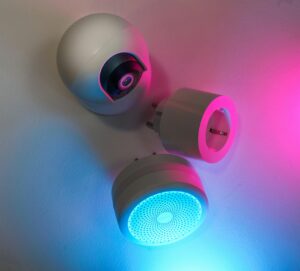
A best outdoor solar camera is a solar-powered security camera designed for continuous outdoor monitoring without relying on wired electricity. These outdoor solar cameras use built-in panels and rechargeable batteries to operate independently, making them ideal for remote or hard-to-wire locations.
Homeowners often struggle with complicated installations, limited power access, or ongoing energy costs. This matters because reliable surveillance should be simple, efficient, and always active. This guide breaks down top models, key features, and practical insights to help you choose the right solution.
Key Takeaways
Choosing the right outdoor solar camera depends on performance, reliability, and real-world usability. Here are the most important insights to guide your decision.
- Best overall: Combines reliable solar charging, clear video quality, and smart detection features
- Best budget: Offers essential security features with decent battery life at a lower cost
- Best premium: Includes advanced AI detection, 2K/4K video, and app integrations
- Best value: Balances price, durability, and consistent performance for everyday use
- Most durable: Designed for harsh weather with strong IP ratings and rugged build
- Best for remote areas: Works efficiently without Wi-Fi wiring or constant power access
- Best battery backup: Ensures extended operation during low sunlight conditions
- Best easy installation: Requires minimal setup with flexible mounting options
These key takeaways highlight what matters most when narrowing down your options. Next, it’s important to understand how these cameras were evaluated and compared.
The Best Outdoor Solar Camera
Selecting the best outdoor solar camera requires more than just comparing specs on paper. This guide evaluates products based on real-world performance, including solar charging efficiency, video clarity, motion detection accuracy, and durability in outdoor conditions.
We analyzed customer reviews, expert insights, and hands-on performance indicators such as battery reliability and weather resistance. By combining user feedback with technical evaluation, this comparison provides a practical and trustworthy overview to help you make an informed decision.
Best Outdoor Solar Camera (Quick Picks)
This quick picks section highlights the top-performing outdoor solar cameras based on key buying priorities. Each category focuses on what matters most during purchase decisions, helping you quickly identify the right option based on performance, price, and durability.
| Category | Product | Why It’s Best |
| Best Overall | Reolink Argus 3 Pro | Balanced performance with 2K video, spotlight, and reliable solar charging |
| Best Budget | Blink Outdoor + Solar Panel | Affordable and simple with solid battery efficiency |
| Best Premium | Arlo Pro 4 Solar Camera | Advanced AI detection, 2K HDR, and smart integrations |
| Best Value | Eufy SoloCam S40 | No subscription, built-in solar panel, strong performance |
| Most Durable | Ring Stick Up Cam Solar | Rugged design with dependable ecosystem support |
| Best For Remote Areas | Reolink Go PT Plus | 4G LTE connectivity for off-grid use |
| Best Battery Backup | Zumimall Solar Camera | Extended standby time with efficient power use |
Each of these categories represents a specific buying priority. Below, each option is reviewed individually to help you understand how they perform in real-world conditions.
Best Overall Outdoor Solar Camera – Reolink Argus 3 Pro
Reolink Argus 3 Pro stands out as a well-rounded outdoor solar camera that delivers strong performance across video quality, battery efficiency, and smart features. It’s designed for users who want dependable security without overcomplicating installation or ongoing maintenance.
What makes this model notable is its consistent solar charging performance combined with sharp 2K video and built-in spotlight. It strikes a practical balance between advanced features and ease of use, making it a reliable choice for most households.
| Category | Product | Type / Power Source | Resolution | Weather Resistance | Price Range | Best For |
| Best Overall | Reolink Argus 3 Pro | Solar + Rechargeable Battery | 2K | IP65 | $120–$150 | All-around home security |
Key Features
- 2K resolution with clear day and night footage
- Integrated spotlight and color night vision
- Smart motion detection with person alerts
- Rechargeable battery supported by solar panel
- Two-way audio and mobile app control
Who It’s For
Homeowners looking for a balanced, reliable solar security solution.
Who Should Avoid It
Users needing 4G connectivity for completely off-grid areas.
Competitor Comparisons
| Feature | Reolink Argus 3 Pro | Arlo Pro 4 | Eufy SoloCam S40 |
| Video Quality | 2K | 2K HDR | 2K |
| Subscription | Optional | Required for full features | Not required |
| Solar Efficiency | Strong | Moderate | Built-in panel |
| Price | Mid-range | Premium | Mid-range |
Alternatives
Arlo Pro 4 Solar Camera offers more advanced AI features for premium users.
Reolink Argus 3 Pro delivers consistent performance without overcomplication, making it a dependable top choice.
Best Budget Outdoor Solar Camera – Blink Outdoor + Solar Panel
Blink Outdoor with the Blink Solar Panel is a simple, cost-effective setup built for users who want basic security without ongoing complexity. It focuses on long battery life and low-maintenance operation rather than advanced features.
In everyday use, this setup feels straightforward. The camera runs efficiently with minimal charging concerns, and the solar panel helps maintain battery levels with consistent sunlight. It’s a practical choice for smaller properties or secondary monitoring areas.
| Category | Product | Type / Power Source | Resolution | Weather Resistance | Price Range | Best For |
| Best Budget | Blink Outdoor + Solar Panel | Solar + Battery | 1080p | IP65 | $70–$100 | Basic home security |
Key Features
- 1080p HD video with motion alerts
- Long battery life supported by solar panel
- Simple app control with easy navigation
- Compact design for discreet placement
- Works with Alexa-enabled devices
Who It’s For
Users who want an affordable, low-maintenance security camera.
Who Should Avoid It
Anyone needing high-resolution video or advanced AI detection.
Competitor Comparisons
| Feature | Blink Outdoor | Reolink Argus 3 Pro | Zumimall Solar Camera |
| Resolution | 1080p | 2K | 1080p |
| Smart Detection | Basic | Advanced | Moderate |
| Battery Life | Excellent | Good | Very Good |
| Price | Budget | Mid-range | Budget |
Alternatives
Zumimall Solar Camera offers longer standby time with slightly more features.
Blink Outdoor keeps things simple and dependable, making it a strong budget-friendly option.
Best Premium Outdoor Solar Camera – Arlo Pro 4 Solar Camera
Arlo Pro 4 Solar Camera targets users who want higher-end security with smarter detection and better video clarity. It integrates advanced features like AI-based alerts and 2K HDR recording for more detailed monitoring.
In daily use, the difference shows in detection accuracy and image quality. The camera identifies people, vehicles, and packages with fewer false alerts, and the app experience feels polished. It fits well in setups where security precision matters more than cost.
| Category | Product | Type / Power Source | Resolution | Weather Resistance | Price Range | Best For |
| Best Premium | Arlo Pro 4 Solar Camera | Solar + Battery | 2K HDR | IP65 | $200–$250 | Advanced home security |
Key Features
- 2K HDR video with enhanced detail
- AI-powered motion detection (person, vehicle, package)
- Color night vision with spotlight
- Wide field of view for better coverage
- Seamless smart home integration
Who It’s For
Users who want high-end features and precise motion detection.
Who Should Avoid It
Buyers looking to avoid subscription-based features.
Competitor Comparisons
| Feature | Arlo Pro 4 | Reolink Argus 3 Pro | Ring Stick Up Cam Solar |
| Video Quality | 2K HDR | 2K | 1080p |
| AI Detection | Advanced | Moderate | Moderate |
| App Experience | Premium | Good | Good |
| Price | High | Mid-range | Mid-range |
Alternatives
Eufy SoloCam S40 provides strong features without subscription costs.
Arlo Pro 4 delivers refined performance and smarter alerts for users who prioritize advanced security.
Best Value Outdoor Solar Camera – Eufy SoloCam S40
Eufy SoloCam S40 is built for users who want strong performance without ongoing subscription costs. It combines a built-in solar panel with reliable 2K video, making it a self-sufficient option for everyday home security.
In real use, it feels convenient because there’s no need to manage external panels or monthly fees. The camera maintains charge with regular sunlight, and the footage remains sharp enough for identifying details. It fits well for homeowners who want a set-it-and-forget-it system.
| Category | Product | Type / Power Source | Resolution | Weather Resistance | Price Range | Best For |
| Best Value | Eufy SoloCam S40 | Built-in Solar + Battery | 2K | IP67 | $120–$170 | Subscription-free security |
Key Features
- Built-in solar panel for continuous charging
- 2K resolution with clear image quality
- No monthly subscription required
- AI motion detection with reduced false alerts
- Local storage for privacy and control
Who It’s For
Users who want reliable performance without subscription fees.
Who Should Avoid It
Those needing advanced cloud-based smart integrations.
Competitor Comparisons
| Feature | Eufy SoloCam S40 | Arlo Pro 4 | Blink Outdoor |
| Subscription | Not required | Required | Optional |
| Solar Setup | Built-in | External panel | External panel |
| Resolution | 2K | 2K HDR | 1080p |
| Price | Mid-range | Premium | Budget |
Alternatives
Reolink Argus 3 Pro offers similar performance with broader feature flexibility.
Eufy SoloCam S40 offers a practical balance of cost, performance, and independence from subscriptions.
Most Durable Outdoor Solar Camera – Ring Stick Up Cam Solar
Ring Stick Up Cam Solar is designed for users who prioritize durability and ecosystem integration. It’s built to handle outdoor conditions while connecting seamlessly with other Ring devices for a unified security setup.
In everyday conditions, the camera holds up well against weather changes and continues functioning reliably. The build feels solid, and the app integration allows easy monitoring across multiple devices, especially for users already in the Ring ecosystem.
| Category | Product | Type / Power Source | Resolution | Weather Resistance | Price Range | Best For |
| Most Durable | Ring Stick Up Cam Solar | Solar + Battery | 1080p | IP65 | $140–$180 | Long-term outdoor use |
Key Features
- Durable design suitable for outdoor exposure
- Reliable app ecosystem with real-time alerts
- Two-way audio for communication
- Flexible mounting for different angles
- Integration with Ring security systems
Who It’s For
Users already using Ring products or wanting a durable outdoor setup.
Who Should Avoid It
Those looking for higher resolution or no subscription dependency.
Competitor Comparisons
| Feature | Ring Stick Up Cam | Reolink Argus 3 Pro | Arlo Pro 4 |
| Durability | Strong | Good | Good |
| Resolution | 1080p | 2K | 2K HDR |
| Ecosystem | Excellent | Moderate | Strong |
| Price | Mid-range | Mid-range | Premium |
Alternatives
Arlo Pro 4 offers better video quality with advanced detection features.
Ring Stick Up Cam Solar focuses on durability and ecosystem reliability for long-term use.
Best Outdoor Solar Camera For Remote Areas – Reolink Go PT Plus
Reolink Go PT Plus is built for locations where Wi-Fi isn’t available. It uses 4G LTE connectivity, allowing it to operate in farms, construction sites, cabins, or any off-grid environment where traditional cameras fail.
In real use, the biggest advantage is flexibility. You can place it almost anywhere without worrying about network access. The pan-and-tilt function helps cover wider areas, reducing the need for multiple cameras in isolated locations.
| Category | Product | Type / Power Source | Resolution | Connectivity | Weather Resistance | Price Range | Best For |
| Remote Areas | Reolink Go PT Plus | Solar + Battery | 2K | 4G LTE | IP65 | $250–$320 | Off-grid monitoring |
Key Features
- 4G LTE connectivity (no Wi-Fi required)
- Pan and tilt control for wider coverage
- 2K video resolution
- Rechargeable battery with solar support
- Motion detection with real-time alerts
Who It’s For
Users needing surveillance in remote or off-grid locations.
Who Should Avoid It
Homeowners with stable Wi-Fi setups who don’t need LTE functionality.
Competitor Comparisons
| Feature | Reolink Go PT Plus | Arlo Pro 4 | Eufy SoloCam S40 |
| Connectivity | 4G LTE | Wi-Fi | Wi-Fi |
| Coverage | Pan & Tilt | Fixed | Fixed |
| Resolution | 2K | 2K HDR | 2K |
| Price | High | Premium | Mid-range |
Alternatives
Arlo Go 2 provides similar LTE functionality with a more compact design.
Reolink Go PT Plus offers unmatched flexibility for remote surveillance where Wi-Fi isn’t an option.
Best Battery Backup Outdoor Solar Camera – Zumimall Solar Camera
Zumimall Solar Camera focuses on extended battery performance, making it a reliable option in areas with inconsistent sunlight. It’s designed to stay operational longer between charging cycles compared to many entry-level models.
During daily use, it handles low-light conditions well in terms of power retention. Even when sunlight is limited, the battery lasts long enough to maintain consistent monitoring without frequent interruptions.
| Category | Product | Type / Power Source | Resolution | Weather Resistance | Price Range | Best For |
| Best Battery Backup | Zumimall Solar Camera | Solar + Battery | 1080p | IP66 | $80–$120 | Long battery runtime |
Key Features
- Extended battery life with efficient power usage
- 1080p video with motion detection
- IP66 weather resistance
- Wireless setup with flexible placement
- Two-way audio support
Who It’s For
Users in areas with limited sunlight or inconsistent weather conditions.
Who Should Avoid It
Those prioritizing higher resolution or advanced smart features.
Competitor Comparisons
| Feature | Zumimall Solar Camera | Blink Outdoor | Eufy SoloCam S40 |
| Battery Backup | Excellent | Excellent | Good |
| Resolution | 1080p | 1080p | 2K |
| Weather Rating | IP66 | IP65 | IP67 |
| Price | Budget | Budget | Mid-range |
Alternatives
Blink Outdoor offers similar battery efficiency with a more established ecosystem.
Zumimall Solar Camera stands out for users who need longer uptime in less-than-ideal sunlight conditions.
Outdoor Solar Camera Comparison Table
This table provides a quick overview of the top outdoor solar cameras and how they differ across key buying factors. It helps you compare options based on real user needs and common purchase scenarios.
| Category | Product | Type / Power Source | Resolution | Weather Resistance | Key Features | Best For | Price Range |
| Best Outdoor Solar Camera for Remote Areas | Reolink Go PT Plus | Solar + Battery | 2K | IP65 | 4G LTE, Pan & Tilt | Off-grid locations | $250–$320 |
| Best Outdoor Solar Camera for Budget Buyers | Blink Outdoor + Solar Panel | Solar + Battery | 1080p | IP65 | Long battery life | Affordable setups | $70–$100 |
| Best Outdoor Solar Camera for Smart Homes | Arlo Pro 4 Solar Camera | Solar + Battery | 2K HDR | IP65 | AI detection, app integration | Smart ecosystems | $200–$250 |
| Best Outdoor Solar Camera for No Subscription | Eufy SoloCam S40 | Built-in Solar + Battery | 2K | IP67 | Local storage, no fees | Privacy-focused users | $120–$170 |
| Best Outdoor Solar Camera for Harsh Weather | Ring Stick Up Cam Solar | Solar + Battery | 1080p | IP65 | Durable build | Outdoor durability | $140–$180 |
| Best Outdoor Solar Camera for Long Battery Life | Zumimall Solar Camera | Solar + Battery | 1080p | IP66 | Extended battery | Low sunlight areas | $80–$120 |
This comparison helps narrow down choices based on your specific needs. The next section dives deeper into each category to explain how these cameras perform in real-world use.
Best Outdoor Solar Camera For Remote Areas – Reolink Go PT Plus
Reolink Go PT Plus is built for places where traditional Wi-Fi cameras simply don’t work. It relies on 4G LTE connectivity, allowing it to function in farms, construction zones, cabins, and other off-grid environments.
Coverage is one of its biggest advantages. The pan-and-tilt movement lets you monitor a wider area without installing multiple units. Setup involves inserting a SIM card and positioning the camera where sunlight is available for charging.
Key Specifications
| Feature | Specification |
| Power Source | Solar + Rechargeable Battery |
| Resolution | 2K |
| Connectivity | 4G LTE |
| Field of View | Pan & Tilt (355° / 140°) |
| Weather Resistance | IP65 |
| Storage | MicroSD + Cloud |
| Price | $250–$320 |
Pros And Cons
| Pros | Cons |
| Works without Wi-Fi | Requires data plan |
| Wide coverage with pan/tilt | Higher upfront cost |
| Strong video quality | Slightly complex setup |
| Flexible placement | Larger size |
Key Features
4G LTE Connectivity
Works independently of Wi-Fi networks, making it suitable for remote surveillance.
Pan And Tilt Control
Covers a broader field, reducing blind spots in large outdoor areas.
Solar Charging Support
Maintains battery levels with regular sunlight exposure.
Best For
- Remote farms or rural properties
- Construction sites without internet access
- Cabins or off-grid homes
Performance And Real-World Use
| Aspect | Performance |
| Coverage | Wide area with adjustable angles |
| Setup | Moderate, requires SIM setup |
| Reliability | Stable with strong signal |
| Power Efficiency | Consistent with sunlight |
The camera maintains steady performance as long as cellular signal strength is reliable.
Best Outdoor Solar Camera For Budget Buyers – Blink Outdoor + Solar Panel
Blink Outdoor with a solar panel is designed for simple, cost-effective monitoring. It focuses on essential features while keeping installation and maintenance minimal.
The camera connects quickly through the app, and the solar panel helps extend battery life without frequent manual charging. It fits well for entry-level setups or secondary areas around a property.
Key Specifications
| Feature | Specification |
| Power Source | Solar + Battery |
| Resolution | 1080p |
| Connectivity | Wi-Fi |
| Weather Resistance | IP65 |
| Storage | Cloud + Local |
| Price | $70–$100 |
Pros And Cons
| Pros | Cons |
| Affordable price | Basic feature set |
| Long battery life | Lower resolution |
| Simple installation | Limited smart detection |
| Lightweight design | Subscription for full features |
Key Features
Efficient Battery Usage
Optimized power consumption extends usage between charging cycles.
Simple App Integration
The interface is easy to navigate, even for first-time users.
Compact Design
Fits discreetly in smaller outdoor spaces.
Best For
- Budget-conscious buyers
- Small homes or apartments
- Basic outdoor monitoring needs
Performance And Real-World Use
| Aspect | Performance |
| Video Quality | Clear for general monitoring |
| Setup | Quick and beginner-friendly |
| Reliability | Consistent for basic use |
| Power Efficiency | Strong with solar support |
It handles basic surveillance tasks well without requiring complex setup or high investment.
Best Outdoor Solar Camera For Smart Homes – Arlo Pro 4 Solar Camera
Arlo Pro 4 Solar Camera fits naturally into smart home setups where automation and detailed alerts matter. It connects smoothly with platforms like Amazon Alexa and Google Assistant, allowing voice control and automation routines.
Notifications feel more precise compared to basic models. Instead of generic motion alerts, the system can distinguish between people, vehicles, and packages. The app interface is polished, making it easy to review footage or adjust settings without digging through menus.
Key Specifications
| Feature | Specification |
| Power Source | Solar + Battery |
| Resolution | 2K HDR |
| Connectivity | Wi-Fi |
| Field of View | 160° |
| Weather Resistance | IP65 |
| Storage | Cloud |
| Price | $200–$250 |
Pros And Cons
| Pros | Cons |
| Advanced AI detection | Subscription required for full features |
| Sharp 2K HDR video | Higher cost |
| Strong smart home integration | Battery drains faster without sunlight |
| Wide viewing angle | Cloud reliance |
Key Features
AI-Based Detection
Identifies people, vehicles, and packages, reducing unnecessary alerts.
2K HDR Video
Captures clearer details, especially in mixed lighting conditions.
Smart Integration
Works with voice assistants and automation systems for hands-free control.
Best For
- Smart home users
- Tech-focused homeowners
- Users who want detailed alerts
Performance And Real-World Use
| Aspect | Performance |
| Detection Accuracy | High with fewer false alerts |
| Video Clarity | Sharp and detailed |
| App Experience | Smooth and responsive |
| Power Efficiency | Moderate, depends on sunlight |
The system performs best when integrated into a connected home environment where automation enhances usability.
Best Outdoor Solar Camera For No Subscription – Eufy SoloCam S40
Eufy SoloCam S40 appeals to users who prefer full functionality without recurring costs. It includes local storage and a built-in solar panel, removing the need for external accessories or monthly fees.
The setup feels self-contained. Once installed, it continues operating with minimal intervention, and recordings remain accessible without relying on cloud subscriptions. This approach suits users who value privacy and long-term cost savings.
Key Specifications
| Feature | Specification |
| Power Source | Built-in Solar + Battery |
| Resolution | 2K |
| Connectivity | Wi-Fi |
| Field of View | 135° |
| Weather Resistance | IP67 |
| Storage | Local |
| Price | $120–$170 |
Pros And Cons
| Pros | Cons |
| No subscription required | Limited cloud features |
| Built-in solar panel | Slightly narrower ecosystem |
| Strong weather resistance | App less advanced than premium options |
| Local storage for privacy | Fixed camera angle |
Key Features
Built-In Solar Panel
Eliminates the need for external solar accessories.
Local Storage
Keeps recordings private without relying on cloud services.
AI Motion Detection
Filters out unnecessary alerts for more relevant notifications.
Best For
- Privacy-focused users
- Buyers avoiding monthly fees
- Simple standalone setups
Performance And Real-World Use
| Aspect | Performance |
| Reliability | Consistent with regular sunlight |
| Video Quality | Clear and usable for identification |
| Setup | Simple and self-contained |
| Maintenance | Minimal ongoing effort |
It delivers dependable performance without locking users into ongoing subscription costs.
Have a look at the best outdoor LED string lights in our guide.
Best Outdoor Solar Camera For Harsh Weather – Ring Stick Up Cam Solar
Ring Stick Up Cam Solar is built to handle changing outdoor conditions while staying connected to the broader Ring ecosystem. It’s a practical option for users who want dependable monitoring across seasons without worrying about frequent maintenance.
The housing feels solid, and it continues operating through rain, heat, and dust exposure. Pairing it with other Ring devices creates a centralized security setup, where alerts, recordings, and controls are managed in one place.
Key Specifications
| Feature | Specification |
| Power Source | Solar + Battery |
| Resolution | 1080p |
| Connectivity | Wi-Fi |
| Field of View | 130° |
| Weather Resistance | IP65 |
| Storage | Cloud |
| Price | $140–$180 |
Pros And Cons
| Pros | Cons |
| Durable outdoor build | Requires subscription for full features |
| Strong ecosystem integration | Lower resolution than premium models |
| Reliable alerts | Limited advanced AI detection |
| Flexible mounting options | Cloud-dependent storage |
Key Features
Weather-Resistant Design
Handles rain, heat, and dust without affecting performance.
Ecosystem Integration
Works seamlessly with other Ring devices for unified monitoring.
Flexible Mounting
Supports multiple installation positions for better coverage.
Best For
- Homes exposed to varying weather conditions
- Users invested in the Ring ecosystem
- Long-term outdoor installations
Performance And Real-World Use
| Aspect | Performance |
| Durability | Strong across weather conditions |
| Reliability | Consistent alerts and uptime |
| Setup | Straightforward with app guidance |
| Maintenance | Minimal with solar support |
It maintains steady operation across different environments, making it suitable for long-term outdoor use.
Best Outdoor Solar Camera For Long Battery Life – Zumimall Solar Camera
Zumimall Solar Camera is designed to stretch battery life as much as possible, especially in areas where sunlight isn’t consistent throughout the day.
Power efficiency is noticeable here. The camera conserves energy well, allowing it to keep running even during cloudy periods. This makes it a dependable option for users who want fewer interruptions without constantly checking battery levels.
Key Specifications
| Feature | Specification |
| Power Source | Solar + Battery |
| Resolution | 1080p |
| Connectivity | Wi-Fi |
| Field of View | 120° |
| Weather Resistance | IP66 |
| Storage | Local + Cloud |
| Price | $80–$120 |
Pros And Cons
| Pros | Cons |
| Extended battery performance | Lower resolution |
| Good weather resistance | Basic feature set |
| Affordable price | Limited smart detection |
| Easy setup | Narrower field of view |
Key Features
Energy-Efficient Operation
Optimizes power usage to extend battery life.
Weather Protection
IP66 rating helps withstand outdoor exposure.
Simple Wireless Setup
Installs quickly without complex configuration.
Best For
- Areas with limited sunlight
- Users needing longer uptime
- Budget-conscious buyers
Performance And Real-World Use
| Aspect | Performance |
| Battery Life | Long-lasting between charges |
| Reliability | Stable under low sunlight |
| Setup | Quick and simple |
| Efficiency | Optimized for power saving |
It keeps running longer than many entry-level options, reducing the need for frequent recharging.
Types Of Outdoor Solar Camera
Outdoor solar cameras come in different types based on how they are powered, connected, and used. Understanding these categories helps narrow down the right option for your environment and setup.
Solar-Powered Wi-Fi Cameras
These are the most common models designed for residential use. They connect to home Wi-Fi and use solar panels to maintain battery charge.
They work well in homes with stable internet access and moderate sunlight.
- Easy to install and maintain
- Suitable for everyday home security
- Limited by Wi-Fi range
4G LTE Solar Cameras
These cameras use cellular networks instead of Wi-Fi, making them ideal for remote locations.
They are commonly used in farms, construction sites, or rural areas.
- No Wi-Fi required
- Flexible placement options
- Requires a data plan
Battery-Supported Solar Cameras
These models focus on extending battery life with solar assistance rather than relying entirely on solar charging.
They are useful in areas with inconsistent sunlight.
- Longer standby time
- Works in low-sunlight conditions
- May require occasional manual charging
Integrated Solar Panel Cameras
These cameras come with built-in solar panels instead of external ones.
They simplify installation and reduce clutter.
- Compact design
- Easier installation
- Slightly less efficient than external panels
Understanding these types helps you match the camera to your environment and usage needs before moving into buying considerations.
How To Choose Outdoor Solar Camera
Choosing the right outdoor solar camera depends on where you plan to install it, how much sunlight it receives, and the level of security you expect. Small differences in features can significantly impact performance over time, especially in outdoor environments.
Placement And Sunlight Exposure
Solar performance depends heavily on positioning. Cameras placed in shaded areas may struggle to maintain battery levels.
Look for spots that receive direct sunlight for several hours daily.
Recommended:
- Best for shaded areas: battery-supported models like Eufy SoloCam S40
- Best for open spaces: external solar panel setups like Reolink Argus 3 Pro
- Best for remote locations: LTE models like Reolink Go PT Plus
Video Quality And Field Of View
Resolution determines how clearly you can identify faces or objects. A wider field of view reduces blind spots and the need for multiple cameras.
Higher resolution cameras are better for detailed monitoring, especially in entry points.
Recommended:
- Best for detail: 2K or HDR cameras like Arlo Pro 4
- Best for general monitoring: 1080p models like Blink Outdoor
- Best for wide coverage: pan-and-tilt models like Reolink Go PT Plus
Connectivity Options
Your choice depends on whether you have stable Wi-Fi or need an off-grid solution.
Wi-Fi models are easier to manage, while LTE models provide flexibility in remote areas.
Recommended:
- Best for homes: Wi-Fi cameras like Ring Stick Up Cam Solar
- Best for off-grid: LTE cameras like Reolink Go PT Plus
Storage And Subscription
Some cameras rely on cloud storage with subscriptions, while others offer local storage without ongoing fees.
This affects long-term cost and data privacy.
Recommended:
- Best for no subscription: Eufy SoloCam S40
- Best for cloud features: Arlo Pro 4
- Best for hybrid storage: Blink Outdoor
Weather Resistance And Durability
Outdoor cameras must handle rain, dust, and temperature changes. Look for higher IP ratings for better protection.
Durability becomes important for long-term installations.
Recommended:
- Best for harsh weather: Ring Stick Up Cam Solar
- Best for all-weather use: IP66 or higher models like Zumimall Solar Camera
- Best for moderate climates: most IP65-rated cameras
Understanding these factors helps narrow down options based on your environment and usage needs. The next section explores how these cameras perform in terms of quality and long-term reliability.
See details on the best material for outdoor table in our review.
Quality And Performance Of Outdoor Solar Camera
The overall performance of an outdoor solar camera depends on build quality, efficiency, and how well it holds up over time. This section evaluates the most important aspects that affect long-term usability and reliability.
Core Design And Functional Quality
| Aspect | Evaluation |
| Materials | Durable plastic with weather-resistant coatings |
| Build Quality | Solid construction with sealed components |
| Hardware | Integrated sensors and mounting systems |
Well-built cameras maintain stability outdoors and protect internal components from environmental exposure. A solid design reduces the risk of water or dust damage over time.
Performance In Real-World Use
| Aspect | Evaluation |
| Outdoor Performance | Stable in varying weather conditions |
| Efficiency | Maintains charge with adequate sunlight |
| Detection | Accurate motion alerts with minimal delay |
Performance remains consistent when the camera receives enough sunlight and is positioned correctly. Motion detection accuracy improves with better sensors and software.
Reliability And Operational Stability
| Aspect | Evaluation |
| Durability | Withstands long-term outdoor use |
| Wear Resistance | Minimal degradation with proper maintenance |
| Stability | Consistent operation over time |
Reliable cameras continue functioning without frequent resets or failures. Long-term stability depends on both hardware quality and software optimization.
Protection, Safety, Or Security Features
| Aspect | Evaluation |
| Weather Protection | IP65–IP67 ratings for outdoor use |
| UV Resistance | Coatings protect against sun exposure |
| Data Security | Encrypted connections for safe access |
Protection features ensure the camera remains operational despite environmental exposure while also safeguarding user data.
Longevity And Long-Term Value
| Aspect | Evaluation |
| Lifespan | Typically 3–5 years depending on usage |
| Maintenance | Low, mainly cleaning and positioning |
| Value | High when solar efficiency is consistent |
Long-term value improves when the camera requires minimal maintenance and continues operating efficiently over several years.
These performance factors help determine whether a camera will remain reliable beyond initial setup and short-term use.
Key Features Of Outdoor Solar Camera
Outdoor solar cameras are designed around practical features that directly affect usability, reliability, and long-term performance. Understanding these features helps you decide whether a model fits your environment and security needs.
Solar Charging Efficiency
Solar charging determines how consistently the camera stays powered. Some models only need a few hours of sunlight daily to remain operational, while others struggle in shaded areas.
Cameras with efficient panels can maintain charge even in partial sunlight, reducing the need for manual recharging. Newer designs can power a device with minimal daily exposure, making them more reliable for continuous use.
Video Resolution And Image Quality
Resolution affects how clearly you can identify faces, license plates, or movement details. Most modern options range from 1080p to 2K or higher.
Higher resolution improves clarity but may consume more power and storage. Cameras with HDR or color night vision provide better visibility in low-light conditions, especially around entry points or driveways.
Motion Detection And Alerts
Motion detection is one of the most important features for security. Basic models trigger alerts for any movement, while advanced systems can distinguish between people, vehicles, and animals.
Smarter detection reduces false alerts and improves response accuracy. Some systems use on-device AI to process alerts without relying heavily on cloud services.
Connectivity Options
Outdoor solar cameras typically use Wi-Fi or cellular networks. Wi-Fi models work well for homes, while LTE cameras are better suited for remote locations.
Choosing the right connectivity ensures stable monitoring. Most systems require Wi-Fi for video access, though solar power itself operates independently.
Storage Options
Storage affects how footage is saved and accessed. Cameras may offer cloud storage, local storage (SD card), or both.
Local storage avoids monthly fees and keeps data private, while cloud storage provides remote access and backup. The choice depends on your preference for convenience versus long-term cost.
Night Vision And Lighting
Night vision determines how well the camera performs in low-light conditions. Infrared and color night vision are the most common options.
Some models include built-in spotlights or floodlights, improving visibility and acting as a deterrent. These features are especially useful for outdoor security during nighttime hours.
These features define how well a camera performs in everyday conditions and help narrow down the right option based on your priorities.
Safety, Maintenance, And Best Practices
Outdoor solar cameras require proper setup and basic maintenance to ensure long-term performance. Following a few practical steps can significantly improve reliability and lifespan.
Installation Safety
Positioning the camera correctly is important for both performance and safety. Improper mounting can lead to poor coverage or physical damage.
Install cameras securely on stable surfaces and avoid placing them where they can be easily tampered with. Proper height and angle improve visibility and reduce blind spots.
Weather Precautions
Outdoor environments expose cameras to rain, heat, dust, and temperature changes. While most models are weather-resistant, placement still matters.
Avoid installing cameras in areas prone to water pooling or constant shade. Even weatherproof devices perform better when positioned strategically.
Cleaning And Maintenance
Solar panels require occasional cleaning to maintain efficiency. Dust, dirt, or debris can reduce charging performance.
- Wipe solar panels periodically with a soft cloth
- Check for debris blocking sunlight
- Inspect mounting hardware for stability
Regular maintenance helps maintain consistent power and prevents performance drops.
Battery And Power Management
Even solar-powered cameras rely on internal batteries. Managing battery health ensures long-term operation.
Ensure the camera receives enough sunlight daily. In low-light conditions, occasional manual charging may be necessary to maintain performance.
Security And Data Protection
Protecting your camera system from unauthorized access is essential. Weak passwords or outdated software can create vulnerabilities.
- Use strong, unique passwords
- Enable two-factor authentication if available
- Keep firmware updated
These practices improve both device security and overall system reliability.
Following these best practices helps ensure your outdoor solar camera performs consistently and remains reliable over time.
Explore more about the best outdoor security camera in our review.
Budget And Value Considerations
Outdoor solar cameras vary widely in price, and the differences often reflect performance, durability, and feature depth. Choosing the right tier depends on how much reliability and functionality you need over time.
| Price Tier | Features | Performance Level | Best For | Trade-Offs |
| Budget ($60–$100) | Basic motion detection, 1080p video, simple app control | Moderate | Small spaces, basic monitoring | Limited features, lower resolution |
| Mid-Range ($120–$180) | 2K video, better battery efficiency, improved alerts | Strong | Homeowners needing reliable security | Fewer premium integrations |
| Premium ($200–$320) | AI detection, HDR video, smart integrations, LTE options | High | Advanced security setups, remote areas | Higher cost, possible subscriptions |
Budget models work well for simple setups where basic monitoring is enough. They are easy to install and maintain but lack advanced detection and higher resolution.
Mid-range options provide the best balance. They deliver clearer video, better battery performance, and more reliable alerts without pushing into premium pricing.
Premium cameras focus on precision and flexibility. They offer smarter alerts, better image quality, and features like LTE connectivity, but the added cost and potential subscriptions should be considered.
Understanding these tiers helps match your budget with the level of performance you expect. The next step is understanding how to install and position the camera for optimal results.
Installation, Setup, And Placement
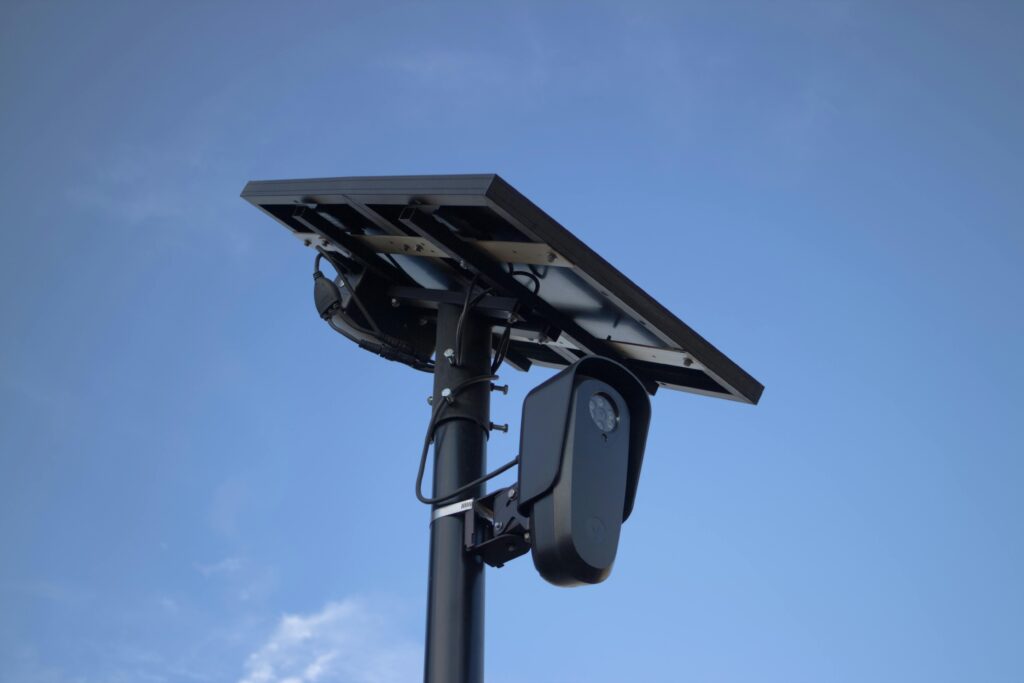
Proper installation and positioning directly affect how well an outdoor solar camera performs. Even high-end models can underperform if placed incorrectly or installed without considering sunlight and coverage.
DIY Setup Vs Professional Installation
Most outdoor solar cameras are designed for DIY installation. They come with mounting kits and app-based setup instructions, making the process manageable without technical expertise.
Professional installation may be useful in more complex scenarios, such as mounting cameras at height, covering large properties, or integrating multiple devices into one system. It also helps when precise positioning is critical for security coverage.
Placement And Positioning Tips
Placement determines both visibility and power efficiency. Cameras need consistent sunlight while also covering key areas like entrances, driveways, or backyards.
- Install cameras where they receive direct sunlight for several hours daily
- Position them at a height that prevents tampering but maintains a clear view
- Avoid placing them directly behind glass or obstacles
- Angle the camera to reduce glare and improve motion detection accuracy
Choosing the right location improves both performance and reliability, ensuring the camera works consistently without frequent adjustments.
Outdoor Solar Camera Vs Alternatives
Outdoor solar cameras offer a wire-free solution, but they are not the only option available. Buyers often compare them with wired, battery-powered, or plug-in cameras depending on their setup and reliability needs.
The table below highlights the key differences between outdoor solar cameras and common alternatives to help you understand which option fits your situation.
| Feature | Outdoor Solar Camera | Wired Security Camera | Battery-Powered Camera |
| Power Source | Solar + Battery | Direct electricity | Rechargeable battery |
| Installation | Wireless, flexible | Complex, fixed wiring | Easy, no wiring |
| Cost Range | Mid to high | Moderate to high | Budget to mid-range |
| Maintenance | Low with sunlight | Minimal | Requires regular charging |
| Best For | Outdoor, remote areas | Permanent setups | Temporary or indoor use |
| Limitations | Sunlight dependent | Installation complexity | Frequent charging |
Outdoor solar cameras are ideal when wiring isn’t practical. They provide flexibility and low maintenance, especially in outdoor or remote locations. The main limitation is their dependence on sunlight, which can affect performance in shaded areas.
Wired security cameras are better suited for permanent installations where consistent power is required. They offer stable performance but require professional setup and lack flexibility once installed.
Battery-powered cameras sit in between. They are easy to install and portable, but they need frequent recharging, which can become inconvenient over time.
Understanding these differences helps you choose the most suitable option based on your environment, setup complexity, and maintenance preferences.
Who Should Buy Outdoor Solar Camera
Outdoor solar cameras are not designed for every situation. They work best for specific users who need flexibility, low maintenance, and reliable outdoor monitoring without wiring.
Homeowners With Outdoor Space
Why It Works For Them
- Covers driveways, entrances, and backyards without wiring
- Reduces installation complexity compared to wired systems
- Maintains operation with minimal maintenance
Remote Property Owners
Why It Works For Them
- Works in areas without Wi-Fi using LTE models
- Suitable for farms, cabins, or construction sites
- Provides monitoring where traditional cameras fail
Renters Or Temporary Users
Why It Works For Them
- Easy to install and remove without permanent changes
- No drilling or complex setup required
- Flexible placement depending on needs
Budget-Conscious Buyers
Why It Works For Them
- Eliminates ongoing electricity costs
- Offers affordable entry-level options
- Provides good value for basic security needs
Outdoor solar cameras are best suited for users who need flexible, low-maintenance security solutions without relying on constant power or complex installation.
Benefits Of Using Outdoor Solar Camera
Outdoor solar cameras provide practical advantages that go beyond basic surveillance. They reduce dependency on wiring, simplify installation, and offer long-term efficiency for outdoor monitoring.
| Common Benefits | What It Improves | Practical Impact |
| Wire-Free Operation | Installation flexibility | Place cameras anywhere without electrical work |
| Solar Charging | Power efficiency | Reduces need for manual charging or electricity |
| Easy Installation | Setup time | Faster deployment with minimal tools |
| Remote Monitoring | Accessibility | Check footage from anywhere via mobile apps |
| Low Maintenance | Long-term usability | Less frequent upkeep compared to wired systems |
Wire-Free Operation
Removing the need for wiring makes placement much more flexible. You can install cameras in areas where running cables would be difficult or expensive, such as gardens, fences, or detached structures.
Solar Charging
Solar panels keep the battery charged using sunlight, reducing reliance on manual charging. This helps maintain continuous operation, especially in areas with good sunlight exposure.
Easy Installation
Most models come with simple mounting kits and app-based setup. This reduces installation time and allows users to get the system running without professional help.
Remote Monitoring
Mobile apps allow you to access live footage, receive alerts, and review recordings from anywhere. This improves convenience and gives you better control over your security system.
Low Maintenance
Once installed, solar cameras require minimal upkeep. Occasional cleaning and proper placement are usually enough to keep them functioning efficiently over time.
These benefits make outdoor solar cameras a practical solution for users looking for flexible and low-maintenance security options.
Common Outdoor Solar Camera Myths
There are several misconceptions about outdoor solar cameras that can affect buying decisions. Understanding the reality behind these myths helps set the right expectations.
Myth: Solar Cameras Don’t Work In Cloudy Weather
Reality
Solar cameras still function during cloudy conditions because they store energy in internal batteries. Performance may vary, but most models continue operating for extended periods without direct sunlight.
Myth: Solar Cameras Are Less Reliable Than Wired Cameras
Reality
Modern solar cameras are designed for consistent outdoor use. With proper placement and sufficient sunlight, they can perform as reliably as wired systems in many scenarios.
Myth: Installation Is Complicated
Reality
Most solar cameras are built for simple setup. They require minimal tools and can be installed quickly using included mounting hardware and mobile apps.
Myth: They Only Offer Basic Features
Reality
Many models include advanced features such as AI detection, high-resolution video, and smart home integration. Feature availability depends on the price range and model.
Myth: Solar Cameras Don’t Last Long
Reality
With proper maintenance and placement, solar cameras can last several years. Battery life and durability depend on build quality and environmental conditions.
Clearing these misconceptions helps you evaluate outdoor solar cameras based on actual performance rather than assumptions.
Check our in-depth outdoor product reviews to better understand performance differences between similar outdoor products.
Common Problems With Outdoor Solar Camera
Outdoor solar cameras are reliable, but certain issues can affect performance if not addressed properly. Most problems are linked to placement, setup, or environmental conditions rather than the device itself.
Problems And Their Solutions
| Problem | Cause | Solution |
| Performance drops | Insufficient sunlight or poor positioning | Reposition camera for better sun exposure |
| Installation issues | Incorrect mounting or setup steps | Follow manufacturer guidelines carefully |
| Connectivity problems | Weak Wi-Fi signal or network interference | Move closer to router or use signal boosters |
| Battery drainage | High motion activity or low sunlight | Adjust detection settings and optimize placement |
| False alerts | Poor motion sensitivity settings | Fine-tune motion detection zones |
Performance drops often happen when the solar panel isn’t receiving enough sunlight. Adjusting the angle or relocating the camera to a sunnier spot usually resolves this issue and restores consistent operation.
Installation issues are typically caused by skipping setup steps or improper mounting. Taking time to follow the instructions ensures better coverage and prevents unnecessary adjustments later.
Connectivity problems can interrupt monitoring and alerts. Improving Wi-Fi strength or choosing a better installation location helps maintain stable performance.
Battery drainage is common in areas with frequent motion activity or limited sunlight. Reducing sensitivity or optimizing placement helps conserve power.
False alerts can become frustrating if the camera detects unnecessary movement. Adjusting motion zones and sensitivity settings improves accuracy and reduces unwanted notifications.
Understanding these common problems and their solutions helps maintain consistent performance and reduces long-term frustration.
Accessories, Add-Ons, And Enhancements
Accessories and add-ons can improve how an outdoor solar camera performs, making it more reliable, flexible, and easier to manage over time.
Mounting Hardware And Extensions
Proper mounting accessories allow better positioning and coverage. Adjustable brackets and extension mounts help place the camera at optimal angles for both sunlight and visibility.
- Adjustable mounts for flexible angles
- Extension arms for better sunlight exposure
- Wall and ceiling mounting kits
External Solar Panels
Some cameras support separate solar panels, which can improve charging efficiency, especially in shaded areas.
- Higher charging efficiency than built-in panels
- Flexible placement for better sunlight exposure
- Useful for difficult installation locations
Storage Upgrades
Additional storage options enhance how footage is saved and accessed. Expanding storage helps retain more recordings without overwriting older data.
- High-capacity SD cards for local storage
- Cloud storage plans for remote access
- Hybrid storage options for flexibility
Smart Home Integrations
Integrating cameras with smart home systems improves control and automation. It allows users to manage devices through voice commands or centralized apps.
- Integration with voice assistants
- Automation with other security devices
- Centralized monitoring systems
These enhancements improve usability and allow you to tailor the camera setup to your specific needs and environment.
Outdoor Solar Camera Trends (2026)
Outdoor solar cameras are evolving quickly, with improvements focused on smarter detection, better energy efficiency, and more flexible installation. These trends reflect how users expect security systems to be both intelligent and low-maintenance.
Smarter AI Detection
Cameras are becoming more accurate in identifying specific types of motion. Instead of triggering alerts for every movement, newer systems can differentiate between people, vehicles, pets, and packages.
- Reduced false alerts
- More relevant notifications
- Faster response to real threats
Improved Solar Efficiency
Solar panels are becoming more efficient, requiring less direct sunlight to maintain battery levels. This improves usability in areas with inconsistent weather.
- Better performance in low-light conditions
- Longer continuous operation
- Reduced need for manual charging
Integrated And Compact Designs
More models now include built-in solar panels, reducing the need for external components. This simplifies installation and improves overall aesthetics.
- Cleaner setup with fewer parts
- Easier installation process
- Reduced maintenance
Smart Home Integration Expansion
Compatibility with smart home systems is expanding, allowing cameras to work seamlessly with other devices.
- Voice control support
- Automation with lights and alarms
- Centralized control through apps
These trends show a shift toward more efficient, intelligent, and user-friendly outdoor security solutions.
Lifespan And Long-Term Reliability Of Outdoor Solar Camera
The lifespan of an outdoor solar camera depends on build quality, environmental exposure, and how well the system is maintained. Most models are designed to operate reliably for several years when used correctly.
Build Quality And Materials
Durability plays a major role in how long a camera lasts. Models with strong weather-resistant materials tend to perform better over time.
High-quality housing protects internal components from moisture, dust, and temperature changes, reducing wear and tear.
Environmental Exposure
Outdoor conditions directly affect longevity. Constant exposure to extreme heat, heavy rain, or dust can impact performance over time.
Proper placement and protection help extend the lifespan, especially in areas with harsh weather conditions.
Maintenance And Care
Regular maintenance helps preserve performance and prevent issues. Cleaning solar panels and checking mounting stability are simple but important steps.
Keeping the device updated and properly positioned ensures consistent operation over time.
Battery And Component Lifespan
The internal battery is one of the most critical components. Over time, battery capacity may decrease, affecting performance.
Most cameras continue to function effectively for several years, but occasional battery replacement or upgrades may be needed.
Outdoor solar cameras can remain reliable long-term when properly maintained and installed in suitable environments.
Real User Feedback And Expert Opinions
Feedback from real users and expert reviewers highlights how outdoor solar cameras perform beyond specifications. These insights reveal patterns in usability, reliability, and long-term satisfaction.
| Aspect | Summary |
| Ease of Use | Most users find setup simple and app navigation intuitive |
| Battery Performance | Generally reliable with proper sunlight exposure |
| Video Quality | Clear enough for identification in most conditions |
| Durability | Holds up well in standard outdoor environments |
| Limitations | Performance may drop in low sunlight or weak connectivity |
User Feedback
What Users Appreciate
- Simple installation without wiring
- Consistent performance with adequate sunlight
- Flexible placement options
- Reduced need for manual charging
- Mobile access to live and recorded footage
Common Complaints
- Reduced efficiency in shaded areas
- Connectivity issues in weak Wi-Fi zones
- Limited features in budget models
- Subscription requirements for some brands
Expert Opinion
Performance Insights
Experts note that solar efficiency and placement are the biggest factors affecting performance. Proper positioning significantly improves reliability.
Durability Evaluation
Most models are built to withstand outdoor conditions, but higher IP ratings offer better long-term protection.
Buying Recommendations
Experts suggest choosing models based on environment first, then features. Matching the camera type to sunlight availability and connectivity needs leads to better results.
These insights provide a balanced view of what to expect, helping buyers make informed decisions.
How We Tested And Selected The Best Outdoor Solar Camera
The selection process focused on practical performance, reliability, and real-world usability rather than just specifications. Each product was evaluated based on how well it performs in everyday outdoor conditions.
Evaluation Criteria
- Durability and build quality for outdoor environments
- Ease of installation and setup process
- Solar charging efficiency and battery performance
- Video quality and motion detection accuracy
- Value for money across different price ranges
- Customer feedback and expert reviews
These criteria ensure that each recommended product meets both technical and practical expectations.
Testing Methods
Testing involved comparing product specifications with real-world performance indicators and user experiences.
- Analysis of customer reviews across multiple platforms
- Comparison of battery efficiency and solar performance
- Evaluation of installation complexity and usability
- Assessment of motion detection and alert accuracy
This approach ensures that recommendations are based on both technical evaluation and actual user experience.
FAQs About Outdoor Solar Camera
Here are answers to common questions buyers ask before choosing an outdoor solar camera.
How does an outdoor solar camera work?
It uses a solar panel to charge an internal battery, allowing the camera to operate wirelessly while recording, detecting motion, and sending alerts through a connected mobile app.
Do outdoor solar cameras work at night?
Yes, they rely on stored battery power at night and use infrared or color night vision to capture clear footage in low-light or complete darkness.
How much sunlight does a solar camera need?
Most models need 3–6 hours of direct sunlight daily to maintain consistent operation, though efficient panels can perform with partial sunlight in some environments.
Can outdoor solar cameras work without Wi-Fi?
Yes, some models use 4G LTE connectivity, allowing them to function in remote areas without Wi-Fi, though they require a cellular data plan.
Are solar security cameras reliable in cloudy weather?
They continue working using stored battery power, but extended cloudy periods may reduce charging efficiency and require occasional manual charging for consistent performance.
Do outdoor solar cameras require maintenance?
Maintenance is minimal, usually limited to cleaning the solar panel, checking mounting stability, and ensuring proper positioning for optimal sunlight exposure.
What resolution is best for outdoor solar cameras?
2K resolution is ideal for clear identification, while 1080p works for general monitoring. Higher resolution improves detail but may consume more storage and power.
Are outdoor solar cameras weatherproof?
Most models have IP65 or higher ratings, protecting against rain, dust, and outdoor conditions, but proper placement still improves durability and long-term performance.
Do solar cameras need a subscription?
Some require subscriptions for cloud storage and advanced features, while others offer local storage options that eliminate ongoing costs.
Where should you install an outdoor solar camera?
Install it in areas with direct sunlight, clear visibility, and coverage of key entry points like driveways, doors, or backyards for optimal performance.
How long do outdoor solar cameras last?
Most last 3–5 years depending on build quality, usage, and environmental conditions, with battery performance gradually declining over time.
These FAQs clarify key concerns and help narrow down your decision. Next, we’ll summarize everything in the final verdict.
Final Verdict – Which Outdoor Solar Camera Should You Get?
The right outdoor solar camera depends on your environment, connectivity needs, and how much control or automation you want.
- Choose Reolink Argus 3 Pro for balanced performance and reliable everyday security
- Choose Blink Outdoor + Solar Panel if you want a simple, budget-friendly option
- Choose Arlo Pro 4 Solar Camera for advanced detection and smart home integration
- Choose Eufy SoloCam S40 if you prefer no subscription and built-in solar convenience
- Choose Reolink Go PT Plus for remote or off-grid locations without Wi-Fi
- Choose Ring Stick Up Cam Solar for durable, ecosystem-based home security
- Choose Zumimall Solar Camera for longer battery life in low sunlight conditions
Use these recommendations to match your setup, and move forward with a camera that fits your specific needs.