Table of Contents
An outdoor dog kennel is a secure, dedicated space where a dog can stay safely, move freely, and rest comfortably.
Proper sizing ensures your dog has enough room to stand, turn, lie down, and even stretch during playtime, while staying protected from weather and environmental hazards.
This article provides actionable guidance, real-world examples, sizing comparisons, mistakes to avoid, and tips for selecting the perfect kennel for your dog.
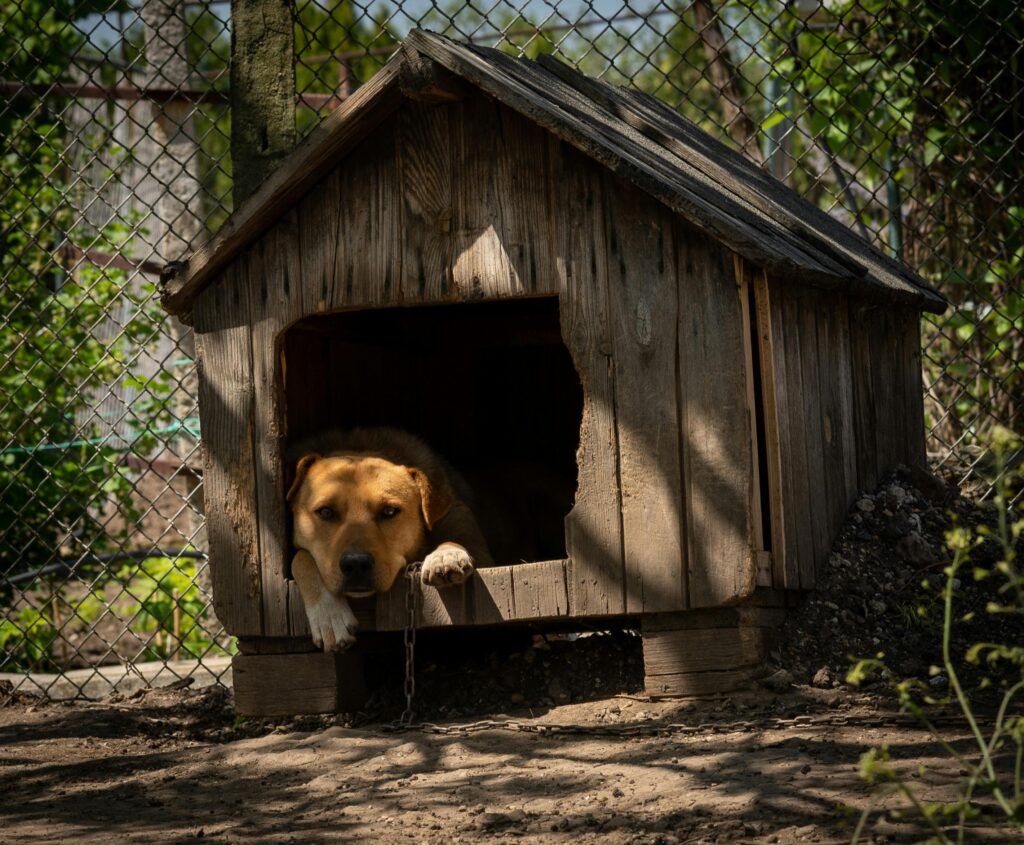
How Big Should an Outdoor Dog Kennel Be?
The size of an outdoor dog kennel should correspond to your dog’s physical dimensions, activity level, and breed-specific requirements. A cramped kennel can cause stress, restricted movement, and health issues, while an oversized kennel without proper shelter can make a dog feel exposed and insecure. The ideal kennel allows a dog to stand fully, turn around easily, and lie stretched out without touching walls.
Know if aluminum or steel better for outdoor furniture?
Recommended Outdoor Dog Kennel Sizes by Dog Type
The following table provides a quick reference for kennel dimensions based on your dog’s size, breed examples, and activity level. This helps ensure your dog has sufficient space for comfort, safety, and movement.
| Dog Size | Weight Range | Example Breeds | Recommended Kennel Dimensions (L × W × H) | Notes |
|---|---|---|---|---|
| Small | Under 20 lbs | Chihuahua, Pomeranian, Terrier | 3–4 ft × 2–3 ft × 2–3 ft | Ensure cozy bedding; may include a small play area |
| Medium | 20–50 lbs | Beagle, Bulldog, Cocker Spaniel | 4–5 ft × 3–4 ft × 3–4 ft | Include space for toys and moderate activity |
| Large | 50–90 lbs | Labrador, Golden Retriever, German Shepherd | 5–6 ft × 4–5 ft × 4–5 ft | Kennel should allow full stretch and standing room |
| Extra-Large | 90+ lbs | Great Dane, Mastiff, Saint Bernard | 6–8 ft × 5–6 ft × 5–6 ft | Consider separate sheltered and exercise zones |
This table makes it easier to choose the right kennel size without complex calculations, while accommodating breed, weight, and activity considerations.
Factors That Affect Kennel Size
Selecting the correct kennel size involves more than just measuring your dog. Several factors influence the final dimensions:
Breed and Body Size
Different breeds have varying lengths, heights, and proportions. For instance, Dachshunds require less space than German Shepherds, while large breeds need additional vertical clearance. Measure from nose to tail and floor to top of head to determine minimum length and height.
Age and Growth
Puppies and adolescent dogs grow quickly. A kennel slightly larger than current size accommodates growth and reduces the need for frequent replacements.
Activity Level
High-energy dogs require extra room to move, stretch, and exercise within the kennel. Breeds like Border Collies or Huskies benefit from kennels with additional floor space or an attached play area.
Climate and Weather Protection
Outdoor kennels in cold climates may require insulated sections to retain warmth, slightly reducing overall floor space requirements. In hot climates, increased ventilation and shaded areas may necessitate a slightly larger footprint to avoid overheating.
Accessories and Bedding
Bedding, water bowls, food containers, and toys take up space. Include these when calculating the kennel’s floor area to maintain comfort and functionality.
For hands-on tips and planning ideas, check our outdoor advice articles.
Common Mistakes When Choosing Kennel Size
Selecting the right kennel is critical for your dog’s health and comfort. Avoid these pitfalls:
- Too small: Constrains movement, increases stress, and can cause joint issues.
- Too large without divisions: Dogs may struggle to retain warmth or feel insecure.
- Ignoring breed-specific vertical needs: Tall breeds require higher roofs to stand comfortably.
- Overlooking floor accessories: Water bowls, bedding, and toys need extra space to avoid clutter.
- Neglecting climate factors: Cold or hot weather can affect how much usable space your dog actually needs.
Correct sizing combined with thoughtful layout prevents discomfort and promotes a safe environment.
Practical Tips for Selecting the Right Kennel
Here are actionable tips to ensure you choose a kennel that fits your dog perfectly:
- Measure Your Dog Accurately: Length, height, and weight help determine minimum space.
- Allow Extra Room: Add at least 1–2 feet to length and width for comfort and movement.
- Check Door Size: The entrance must allow your dog to enter and exit without difficulty.
- Include Shade And Shelter: Protects from sun, rain, and wind while maintaining comfort.
- Elevate The Floor: Prevents dampness, improves insulation, and maintains hygiene.
- Consider Modular Designs: Expandable kennels allow more space for growth or additional dogs.
Applying these strategies ensures your dog enjoys both safety and comfort.

Materials, Layout, and Additional Considerations
Flooring Material
Durable, weather-resistant flooring prevents slipping, allows cleaning, and minimizes moisture accumulation. Options include treated wood, concrete, or raised metal grids.
Ventilation
Adequate airflow prevents overheating and humidity buildup, especially for larger breeds or kennels placed in direct sunlight.
Security And Safety
Ensure the kennel is predator-resistant and escape-proof. Latches, reinforced fencing, and sturdy materials are essential for unattended dogs.
Accessibility
Water, food, and bedding must be placed for easy access without restricting movement. Consider separate zones for rest and activity to enhance comfort.
Layout Enhancements
- Separate sheltered and play areas for larger kennels.
- Roof overhangs to provide shade and keep rain out.
- Partitions for multi-dog kennels, offering personal space.
These details improve long-term usability and dog satisfaction.
FAQs
Here are some common questions about outdoor dog kennel sizing:
How much space does a small dog need in a kennel?
A small dog typically needs 3–4 feet in length, 2–3 feet in width, and 2–3 feet in height to stand, turn, and lie comfortably.
Can I use a large kennel for a small dog?
Yes, but ensure there is a sheltered section to retain warmth and a cozy resting area, or your dog may feel insecure in a very large, open space.
Should puppies have larger kennels for growth?
Yes. Allow room for growth by adding 1–2 feet to length and width. Oversizing prevents the need for frequent replacements.
How high should the kennel roof be for tall breeds?
The roof should be at least 6 inches taller than your dog’s head when standing to allow natural movement and comfort.
Does outdoor kennel size vary by climate?
Yes. In cold climates, slightly smaller kennels help retain warmth. In hot climates, more space with ventilation prevents overheating.
These FAQs cover practical concerns, sizing adjustments, and environmental considerations to help dog owners make informed decisions.
Conclusion
Choosing the correct outdoor dog kennel size ensures comfort, safety, and healthy movement. Consider breed, age, activity, and environment to provide a secure and practical space for your dog.