Table of Contents
Outdoor cushions are padded covers for patio furniture that provide comfort while resisting the elements.
Their fabrics, fillings, and construction determine how quickly they shed moisture, how well they resist mildew, and how they perform in different climates.
This article explains typical drying times, factors that influence moisture retention, practical steps to accelerate drying, common mistakes to avoid, and answers to frequently asked questions about outdoor cushion care.
Discover how to treat tree stumps for outdoor use?
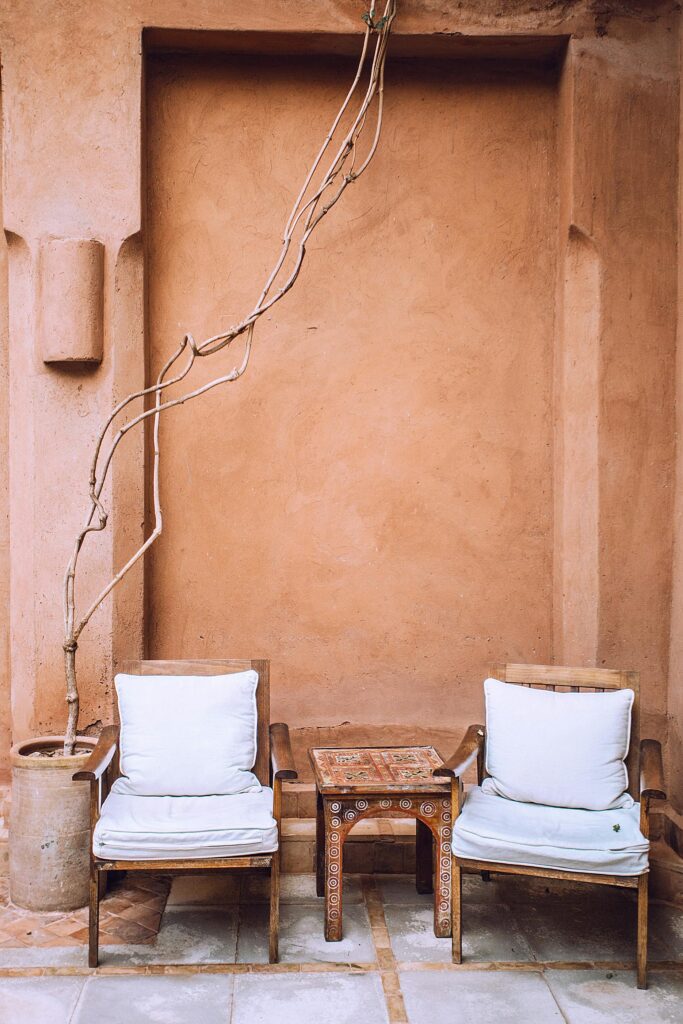
How Long Does it Take for Outdoor Cushions to Dry?
Most outdoor cushions dry within 4 to 24 hours, though the exact time depends on material, climate, and moisture levels. Light moisture from dew evaporates quickly, whereas cushions soaked in heavy rain require longer periods. Sunlight, airflow, and cushion design all significantly influence how fast moisture escapes.
Factors That Affect How Quickly Outdoor Cushions Dry
Several variables work together to determine drying speed. Understanding these factors allows you to adjust placement and care to speed up the process.
Cushion Fabric and Material Composition
Fabric choice plays a major role in how fast moisture evaporates. Outdoor-rated materials are specifically engineered to dry faster than indoor fabrics.
- Solution-dyed acrylic fabrics resist water absorption
- Polyester blends dry faster than cotton-based textiles
- Olefin fabrics repel moisture and resist mildew buildup
These fabrics reduce water retention, allowing cushions to release moisture more efficiently. Cushions made with non-outdoor fabrics often stay damp longer and are more prone to odor and mildew.
Cushion Filling and Foam Type
The interior filling affects drying time just as much as the exterior fabric. Some foams are designed to drain water rather than trap it.
- Reticulated or open-cell foam allows water to pass through
- Quick-dry foam promotes airflow inside the cushion
- Dense traditional foam retains moisture for longer periods
Cushions with advanced drainage foam can dry in a matter of hours, while solid foam cushions may remain wet internally even after the surface feels dry.
Weather and Environmental Conditions
Environmental exposure is one of the most influential drying factors. The same cushion can dry at drastically different speeds depending on location and climate.
The main environmental influences include:
- Air temperature
- Humidity levels
- Sun exposure
- Wind and airflow
Warm, dry, breezy conditions dramatically reduce drying time, while cool, humid, or still air slows evaporation. Cushions left outdoors overnight in humid regions may remain damp well into the next day.
Typical Outdoor Cushion Drying Times by Situation
The table below outlines realistic drying time estimates based on common outdoor scenarios.
| Condition | Estimated Drying Time |
|---|---|
| Morning dew or light mist | 1–3 hours |
| Brief rain shower | 3–6 hours |
| Heavy rain soak | 12–24 hours |
| High humidity, no sun | 24+ hours |
| Direct sun with airflow | 4–8 hours |
These estimates assume outdoor-rated cushions and normal drainage. Cushions with dense foam or poor airflow may take longer.
How Cushion Design Impacts Drying Performance?
Not all outdoor cushions are constructed the same way. Design elements can either help or hinder drying.
Many modern outdoor cushions include:
- Mesh bottoms or vented panels
- Water-resistant seams
- Slight slopes to promote runoff
These features encourage water to escape rather than pool inside the cushion. Cushions without ventilation or drainage tend to hold moisture, increasing drying time and mold risk.
Steps to Help Outdoor Cushions Dry Faster
There are several practical ways to speed up the drying process without damaging the cushions. These steps are especially helpful after heavy rain.
To accelerate drying safely:
- Stand cushions on their sides to allow water to drain
- Separate cushions to improve airflow
- Place them in direct sunlight when possible
- Use a fan to increase air circulation
These methods reduce trapped moisture and help cushions dry evenly. Avoid using high heat sources, which can damage fabric coatings and foam.
Risks of Cushions Not Drying Properly
Allowing outdoor cushions to remain damp for extended periods can lead to long-term issues. Moisture retention creates an ideal environment for microbial growth.
Common problems include:
- Mold and mildew formation
- Musty odors
- Fabric discoloration
- Foam breakdown over time
Ensuring cushions dry fully after rain is essential for maintaining hygiene, appearance, and longevity.
How Climate Affects Long-Term Drying Expectations?
Drying time expectations should be adjusted based on regional climate. Cushions in arid or temperate zones typically dry faster than those in coastal or tropical areas.
In humid climates, even quick-dry cushions may require active intervention such as repositioning or temporary indoor drying. In dry climates, passive air drying is often sufficient.

When to Bring Outdoor Cushions Indoors?
While outdoor cushions are designed to handle weather exposure, there are times when bringing them inside is the better option.
It’s best to store cushions indoors when:
- Rain is forecast for multiple consecutive days
- Humidity remains consistently high
- Temperatures drop significantly overnight
Indoor drying reduces prolonged moisture exposure and helps preserve cushion structure and comfort.
FAQs
The following FAQs provide clear answers to help you maintain your cushions, avoid mold, and ensure they dry efficiently after exposure to moisture.
How long does it take for outdoor cushions to dry after rain?
After rain, outdoor cushions typically dry within 4 to 24 hours, depending on sun exposure, airflow, humidity, and cushion materials. Quick-dry foam and outdoor fabrics dry faster than traditional materials.
Can outdoor cushions dry overnight?
Outdoor cushions may dry overnight in warm, dry conditions with good airflow. In humid or cool environments, they often remain damp until the following day.
Why do outdoor cushions still feel wet inside?
Cushions may feel dry on the surface while retaining moisture inside the foam. Dense foam and poor drainage can trap water internally, extending drying time.
Do waterproof cushions dry faster?
Water-resistant or waterproof fabrics prevent water absorption, which helps cushions dry faster. However, if water enters through seams or zippers, internal drying may still take time.
Is it safe to use outdoor cushions before they are fully dry?
Using damp cushions can encourage mold growth and cause discomfort. It’s best to wait until cushions are completely dry before placing them back on furniture.
These FAQs address the most common concerns about outdoor cushion drying, providing practical guidance to ensure your cushions stay clean, comfortable, and long-lasting.
For hands-on tips and planning ideas, check our outdoor advice articles.
Conclusion
Outdoor cushion drying time ranges from a few hours to over a day, depending on materials, filling, climate, and airflow. Proper placement, maintenance, and material selection ensure faster drying and longer-lasting cushions.