Table of Contents
Choosing the best material for outdoor signs is essential for visibility, durability, weather resistance, and cost-effectiveness. Outdoor signs face sun, wind, rain, humidity, temperature swings, and sometimes even physical impact.
The right material not only ensures the message stays clear and attractive but also minimizes maintenance and replacement costs over time.
Check if you can use outdoor tanning lotion in a tanning bed?
This guide explains the top materials used for outdoor signage, compares their real-world performance, discusses how to match materials to specific environments, highlights common mistakes to avoid, and offers practical examples of what works best in various outdoor contexts.
What is the Best Material for Outdoor Signs?
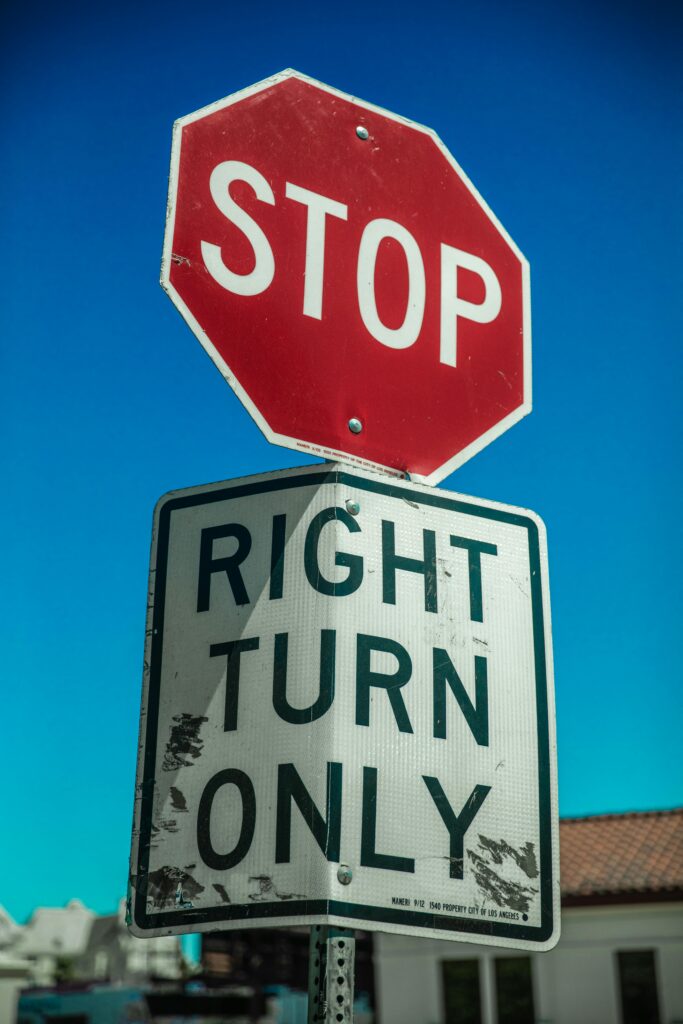
The best material for outdoor signs depends on where the sign will be placed, the expected lifespan, budget, and aesthetic goals, but materials like aluminum, composite dibond, acrylic, PVC, and wood with proper treatmentsconsistently perform well in outdoor conditions when chosen appropriately.
No single material fits all needs, so understanding each option’s strengths and limitations will help you make the most effective choice for your specific signage project.
Why Material Choice Matters For Outdoor Signs?
Outdoor signs are exposed to multiple stressors that indoor signs never encounter. UV rays fade colors, moisture can warp or rot materials, and temperature changes cause expansion and contraction. Poor material choice leads to:
- Fading or peeling graphics
- Warping and cracking
- Rust or corrosion
- Shortened service life
- Higher long-term costs due to frequent replacement
Selecting the right material upfront prevents these issues and makes your sign a reliable asset rather than a recurring expense.
Top Outdoor Sign Materials Explained
Aluminum
Aluminum is one of the most popular outdoor sign materials due to its combination of durability and versatility.
Key Attributes:
- Rust-proof: Naturally resists corrosion even in wet environments
- Lightweight: Easy to install and transport
- Printable Surface: Excellent for vibrant graphics and finishes
- Recyclable: Sustainable choice
Aluminum signs are ideal for street signage, building mounted signs, directional signage, and custom graphics that need to last for years without heavy maintenance.
Dibond (Aluminum Composite Material)
Dibond combines two thin aluminum sheets bonded to a solid polyethylene core, creating a rigid and flat sign surface.
Key Benefits:
- Extremely flat surface for sharp graphics
- Superior rigidity and strength
- Resists dents better than solid aluminum alone
- Available in brushed or painted finishes
Dibond signage is often used for commercial storefronts, architectural signs, and high-end branding where aesthetics and durability both matter.
PVC (Expanded PVC / Sintra)
PVC outdoor signs are made from rigid plastic that doesn’t rust and resists moisture.
Advantages:
- Affordable
- Lightweight yet sturdy
- Good for short- to medium-term outdoor use
- Easy to cut into custom shapes
PVC is great for temporary outdoor signs such as event banners, promotional signage, or construction site boards, but it can warp over time in high heat or direct sun.
Acrylic
Acrylic signs offer a polished, glass-like finish that enhances visual appeal.
Characteristics:
- High clarity and smooth surface
- Excellent for premium look signage
- Weather-resistant but more brittle than metal
Acrylic works well for business nameplates, wayfinding signs, and office signs with a modern aesthetic. In outdoor use, acrylic should be thick and well-mounted to avoid cracking from impact.
Treated Wood
Natural wood provides a timeless, rustic look that complements landscaped or heritage environments when properly treated.
Typical Treatments Include:
- Sealants and stains
- UV inhibitors
- Waterproof coatings
Good wood choices include cedar and redwood, which are naturally resistant to rot and insects. However, wood requires more maintenance than metal or plastic alternatives.
Coroplast (Corrugated Plastic)
Coroplast is lightweight, inexpensive corrugated plastic often used for temporary outdoor signs.
Use Cases:
- Yard signs
- Real estate sign boards
- Short-term promotions
Coroplast performs well for short durations but degrades faster in strong sun and heavy weather.
For additional guides and expert recommendations, explore our outdoor insights.
Outdoor Sign Materials Comparison
| Material | Weather Resistance | Durabiliy | Cost | Best Use Cases |
|---|---|---|---|---|
| Aluminum | Excellent | Very High | Medium | Street signs, business signage |
| Dibond | Excellent | Very High | Higher | High-end branding, architectural signs |
| PVC | Good | Moderate | Low | Event signage, temporary signs |
| Acrylic | Good | Moderate | Medium | Premium aesthetic signage |
| Treated Wood | Variable | Moderate | Medium | Rustic or landscaped environments |
| Coroplast | Fair | Low | Very Low | Short-term outdoor use |
This table highlights how different materials balance performance and cost for outdoor sign applications.
Matching Sign Material to Environment
Selecting the right material means assessing your specific environment:
- Coastal Areas: Use aluminum or dibond with marine-grade coatings to resist salt air corrosion.
- Urban Settings: Aluminum or dibond stand up to pollution and frequent handling or contact.
- High UV Exposure: Choose materials with UV inhibitors and fade-resistant graphics, like aluminum with UV-stable coatings.
- Temporary Needs: PVC and coroplast are cost-effective but should be replaced more often.
Matching materials to environmental conditions not only extends sign life but also preserves appearance.
Practical Installation Tips for Outdoor Signs
Proper installation enhances material performance:
- Use rust-proof hardware such as stainless steel bolts
- Apply UV-resistant adhesives or fasteners
- Angle signs to shed water and reduce pooling
- Ensure mounting surfaces are flat and stable
These simple installation strategies prevent premature wear and improve visibility.
Common Mistakes When Choosing Outdoor Sign Materials
Even durable materials can fail if misused. Avoid these frequent errors:
- Choosing coroplast for long-term outdoor signage
- Ignoring local weather patterns during material selection
- Skipping UV protection on printed graphics
- Using untreated wood outdoors
- Mounting signs too close to moisture sources
By addressing these mistakes before production, you save time and money in the long run.

Real-World Outdoor Sign Scenarios
In a retail storefront, dibond signs with brushed aluminum finishes project professionalism and withstand busy weather seasons without fading. For a weekend event, PVC or coroplast signs get the message out at low cost with easy installation and removal. In parks or gardens, treated wood signs blend naturally with the landscape when sealed and maintained correctly.
FAQs
Below are frequently asked questions that address common concerns when selecting materials for outdoor signs, helping you choose confidently and avoid pitfalls.
Which outdoor sign material lasts the longest?
Aluminum and dibond are among the longest-lasting outdoor sign materials because they resist corrosion, UV degradation, and physical wear better than plastic or wood options.
Is aluminum better than PVC for outdoor signs?
Yes, aluminum generally outperforms PVC in long-term outdoor durability, especially in harsh weather, though PVC can be a budget-friendly option for temporary or short-term signs.
Can wood be used for outdoor signs?
Yes, but only when properly treated with sealants, stains, and UV protectants. Untreated wood will rot, warp, and fade quickly outdoors.
What is the most cost-effective outdoor sign material?
For short-term or temporary needs, coroplast and PVC are the most cost-effective, though they will not last as long as aluminum or dibond.
Do outdoor sign materials affect print quality?
Yes, smoother and flatter surfaces like dibond and acrylic provide sharper, more professional print results compared to corrugated plastics or rough wood.
These FAQs clarify material strengths and use-case scenarios to help you match the right option to your needs.
This overview reinforces that the best material depends on longevity goals, environmental exposure, and budget.
Conclusion
The best material for outdoor signs depends on your specific needs, but aluminum and dibond stand out for long-lasting performance, weather resistance, and professional appearance, while materials like PVC and coroplast suit temporary or budget-friendly applications.