Building an outdoor fireplace with cinder blocks involves creating a durable, heat-safe structure designed for open-air use, using stacked masonry units and fire-rated materials.
This approach is often chosen because the materials are affordable, easy to stack, and strong enough to hold up against outdoor weather while managing the heat produced by an open fire.
This article explains how to build an outdoor fireplace with cinder blocks, covering planning steps, material choices, safety considerations, common mistakes, real-world examples, and includes FAQs for clarity.
How to Build an Outdoor Fireplace With Cinder Blocks?
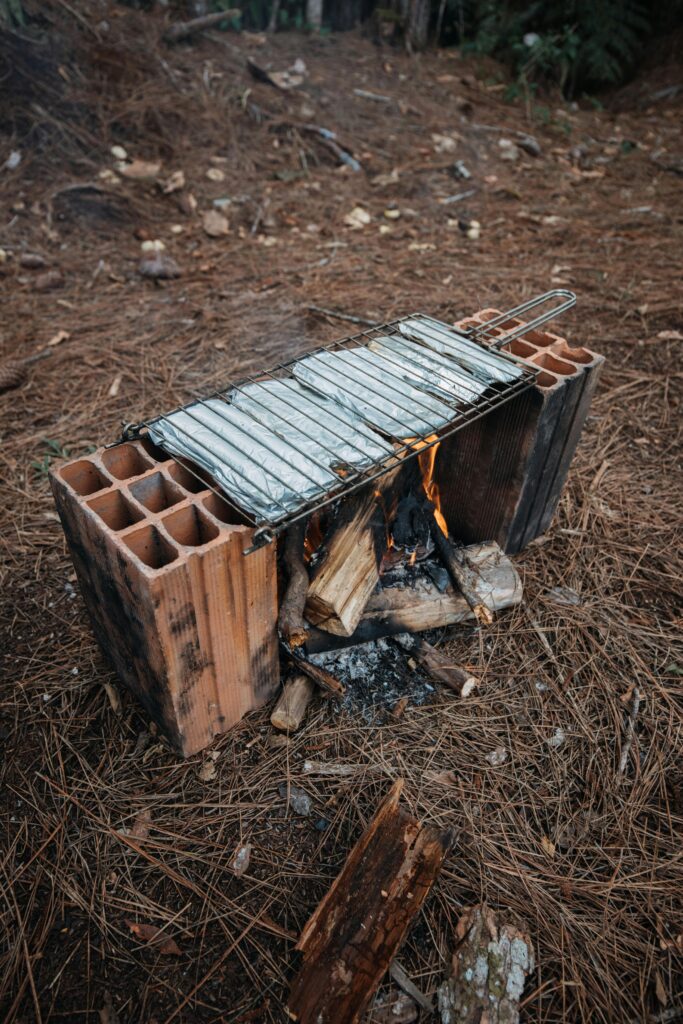
To build an outdoor fireplace with cinder blocks, you need to plan the design and location, pour a solid concrete foundation, dry-stack and mortar cinder blocks into a firebox structure, reinforce with rebar, install a fire-rated interior liner, and finish the exterior with heat-resistant materials to ensure durability and safety.
Planning and Design Considerations
Before laying a single block, careful planning determines whether your outdoor fireplace will be safe, functional, and long-lasting.
A well-designed fireplace accounts for airflow, heat resistance, local building codes, and how the structure fits into your outdoor space. Poor planning often leads to cracking, smoke issues, or code violations.
Choosing the Right Location
Placement affects both safety and usability.
When selecting a location, consider distance from structures, prevailing wind direction, and ground stability. Most codes require outdoor fireplaces to be placed a minimum distance away from homes, fences, and combustible materials. A flat, well-drained area is essential to prevent settling or water damage over time.
Size and Style Decisions
Cinder block fireplaces can be compact or large, depending on your needs.
Smaller designs work well for patios and seating areas, while larger fireplaces can serve as focal points in expansive backyards. Decide early whether you want an open-front fireplace, a raised hearth, or a chimney-style design, as these choices affect materials and construction steps.
Find more stories, ideas, and expert tips on everything outdoors in our blog.
Tools and Materials Needed
Gathering the correct tools and materials ahead of time prevents delays and construction errors.
Below is a clear reference table outlining the essentials.
| Material or Tool | Purpose |
|---|---|
| Cinder blocks (CMUs) | Structural body of the fireplace |
| Concrete mix | Foundation and block reinforcement |
| Rebar | Structural strength and stability |
| Fire bricks | Firebox interior lining |
| Mortar (Type N or S) | Bonding cinder blocks |
| Gravel | Base layer for foundation |
| Level and tape measure | Alignment and accuracy |
| Masonry trowel | Applying mortar |
| Rubber mallet | Adjusting block placement |
| Angle grinder or masonry saw | Cutting blocks and bricks |
Using fire-rated materials for the firebox is non-negotiable and directly impacts safety.
Preparing the Foundation
A strong foundation is the most critical part of building an outdoor fireplace with cinder blocks.
The fireplace’s weight and heat output require a stable, reinforced concrete base to prevent cracking or shifting.
Excavation and Base Preparation
Start by marking the fireplace footprint and excavating the area.
Dig down approximately 8 to 12 inches, depending on soil conditions. Add a compacted gravel layer at the bottom to improve drainage and reduce movement. This base ensures the concrete slab cures evenly and remains stable over time.
Pouring the Concrete Slab
Once the base is prepared, pour a reinforced concrete slab.
Use rebar or wire mesh inside the slab to increase strength. Level the surface carefully and allow the concrete to cure fully, typically for at least 48 hours, before starting block construction. Rushing this step can compromise the entire structure.
Building the Cinder Block Structure
With the foundation cured, construction of the fireplace body can begin.
This stage involves stacking, reinforcing, and mortaring blocks in a precise sequence to ensure structural integrity.
Dry-Stacking the First Course
Always begin by dry-stacking the first layer of cinder blocks without mortar.
This step allows you to confirm spacing, alignment, and overall dimensions. Adjust as needed before committing with mortar, as mistakes at this stage affect the entire build.
Mortaring and Reinforcing the Blocks
After confirming layout, apply mortar and set the blocks permanently.
As you build upward, insert vertical rebar into the block cavities and fill those cavities with concrete. This reinforcement prevents shifting, cracking, and collapse under heat and weather stress.
Creating the Firebox Opening
The firebox opening must be square, level, and properly supported.
Use lintels or steel angle supports above the opening to carry the weight of the blocks above. Improper support here is a common failure point in DIY fireplace builds.
Installing the Firebox Interior
The interior of the fireplace must withstand direct flame and extreme temperatures.
Cinder blocks alone are not sufficient for the firebox lining and must be protected.
Lining With Fire Bricks
Fire bricks are installed inside the firebox using refractory mortar.
These bricks reflect heat, protect the structural blocks, and improve combustion efficiency. Leave proper expansion gaps to allow materials to expand when heated without cracking.
Check out how to tell if an extension cord in outdoor?
Smoke and Airflow Considerations
Proper airflow ensures efficient burning and reduces smoke issues.
Maintain a slightly angled back wall and ensure the firebox depth and opening proportions are appropriate. Poor airflow design often leads to smoke blowing outward instead of venting upward.
Adding a Chimney or Vent Structure
A chimney is optional for some outdoor fireplaces but improves smoke control.
For taller designs, continue stacking cinder blocks upward to form a chimney, reinforcing it with rebar and concrete fill. Chimneys should taper slightly and extend high enough to draw smoke away from seating areas.
Finishing the Exterior
Finishing improves both appearance and longevity.
Exterior finishes also provide additional weather protection for the structure.
Popular Finishing Options
Choose finishes that match your outdoor design and climate.
Common finishes include stone veneer, stucco, brick facing, or heat-resistant paint. Ensure all finishes are rated for high-temperature use near the firebox opening.
Curing and Sealing
Allow all mortar and finishes to cure fully before lighting a fire.
Applying a masonry sealer helps protect against moisture penetration, freeze-thaw damage, and staining, extending the fireplace’s lifespan.
Cost Breakdown and Time Investment
Understanding cost and time expectations helps avoid surprises.
| Component | Estimated Cost Range |
|---|---|
| Cinder blocks | $2–$4 per block |
| Concrete and mortar | $100–$250 total |
| Fire bricks and refractory mortar | $150–$300 |
| Rebar and reinforcement | $50–$100 |
| Finishing materials | $200–$600+ |
Most DIY builds take 2 to 4 days of active work, not including curing time.
Common Mistakes to Avoid
Many outdoor fireplace failures stem from avoidable errors.
Common mistakes include:
- Skipping foundation reinforcement
- Using standard mortar inside the firebox
- Not reinforcing block cavities with rebar
- Building too close to combustible structures
- Lighting fires before full curing
Avoiding these mistakes significantly improves safety and durability.
Safety and Code Considerations
Always check local building codes before starting construction.
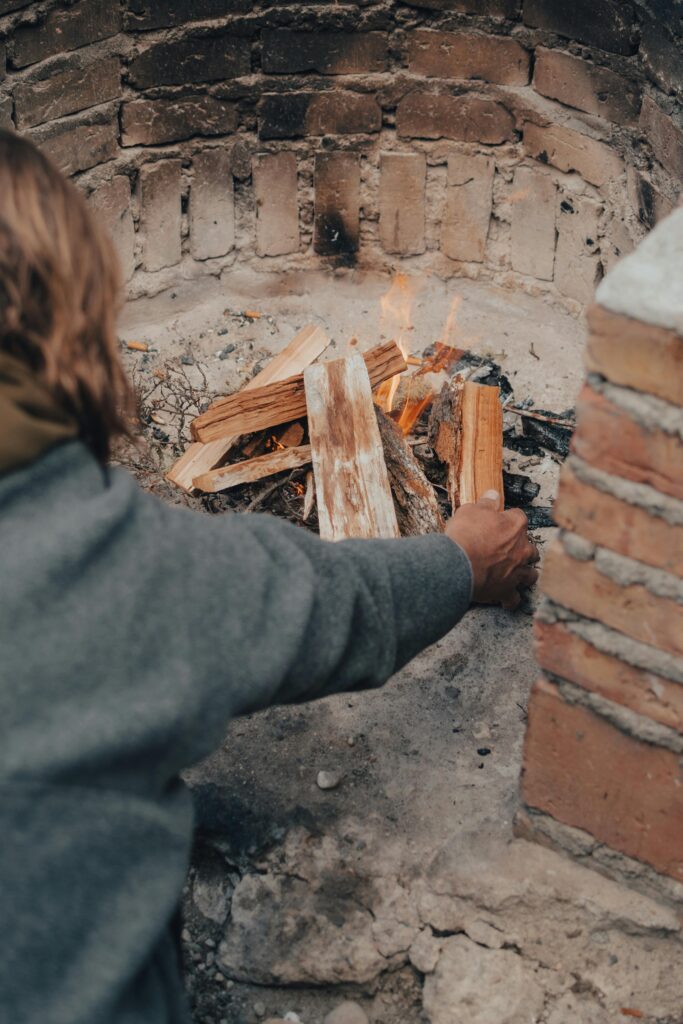
Some areas require permits or inspections for outdoor fireplaces. Follow fire safety guidelines, use spark screens, and never burn treated wood or debris.
Frequently Asked Questions
Here are some frequently asked questions about building outdoor fireplaces with cinder blocks, with practical tips for safe and effective construction.
Do you need fire bricks inside a cinder block fireplace?
Yes, fire bricks are required to protect the cinder blocks from direct flame and extreme heat, preventing cracking and failure.
Can you build an outdoor fireplace with cinder blocks yourself?
Yes, many homeowners build cinder block fireplaces themselves, but careful planning, proper materials, and safety compliance are essential.
How deep should an outdoor fireplace foundation be?
Most foundations should be 8 to 12 inches deep, depending on soil conditions and fireplace size.
Is mortar or dry stacking better for cinder block fireplaces?
Mortar combined with rebar reinforcement is recommended for permanent outdoor fireplaces to ensure stability and safety.
How long should you wait before using a new outdoor fireplace?
You should wait at least 7 days after final construction and curing before lighting a fire.
These answers provide guidance on planning, materials, and assembly to help you build a durable, functional, and attractive outdoor fireplace.
Conclusion
In short, building an outdoor fireplace with cinder blocks requires proper planning, a solid foundation, fire-resistant materials, and careful construction. Following the correct steps improves safety, durability, and long-term performance while helping you avoid costly mistakes.