Installing Christmas lights outdoors can be challenging if you don’t have a nearby outlet.
There are several safe and effective alternatives, including battery-powered lights, solar options, and long outdoor-rated extension cords.
This article covers practical solutions, safety tips, installation techniques, and troubleshooting to ensure your holiday lights shine beautifully without risking hazards.
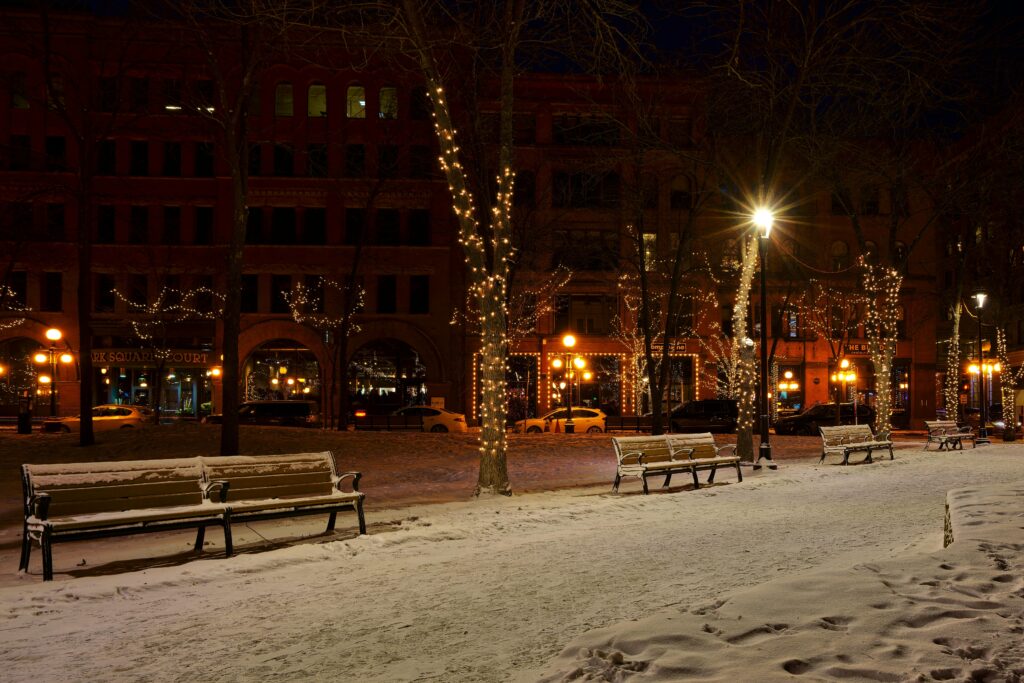
How to Set up Christmas Lights Without Outdoor Outlet?
You can decorate your home with Christmas lights without an outdoor outlet by using battery-powered lights, solar-powered lights, or extension cords from indoor outlets through properly sealed openings. Each method requires careful planning to ensure safety, proper power supply, and lasting performance throughout the holiday season.
Planning and Preparation
Before installing lights, determine the layout, length of strands, and preferred power method. Measure distances from indoor outlets, choose the type of lights (LED or incandescent), and decide on timers or smart plugs for convenience.
Preparing early prevents last-minute challenges, ensures safe installation, and avoids running cords haphazardly across pathways.
See how many blades are best for outdoor ceiling fan?
Planning Checklist
To plan your Christmas light setup safely and effectively:
- Measure outdoor areas to determine the required light length
- Choose weather-resistant lights suitable for outdoor use
- Identify indoor outlets for extension cord access if needed
- Gather necessary tools like hooks, clips, or adhesive mounts
- Plan timers or smart plugs to automate lighting
Careful planning ensures smooth installation and reduces potential safety risks.
Battery-Powered Christmas Lights
Battery-powered lights are ideal for areas far from outlets. They come in various lengths and styles, including string lights, lanterns, and LED icicle lights. Ensure batteries are fully charged and consider using rechargeable options for convenience.
Battery Light Options
Comparing battery-powered lights helps you select the best option for outdoor spaces without electrical outlets.
| Light Type | Battery Type | Run Time | Notes |
|---|---|---|---|
| String LED Lights | AA / AAA | 6–12 hours | Compact, flexible for small areas |
| Solar-Powered LED Lights | Rechargeable Solar | 6–10 hours | Charges during the day, environmentally friendly |
| Lantern-Style Lights | D Batteries | 8–14 hours | Decorative, portable, great for pathways |
| Icicle LED Lights | AA / AAA | 6–12 hours | Adds festive look to rooflines or rails |
Battery-powered options are flexible and eliminate the need for outlets.
Solar-Powered Christmas Lights
Solar lights are an energy-efficient alternative. They require sunlight to charge a small solar panel, which then powers the lights at night. Placement is crucial—ensure panels are in direct sunlight and free from obstruction. Solar lights are ideal for low-maintenance displays and reduce electrical dependency.
Safety Tips
To ensure safe outdoor light installation without an outlet:
- Use outdoor-rated extension cords if drawing power indoors
- Avoid overloading indoor circuits with multiple light strands
- Keep cords elevated and away from walkways to prevent tripping
- Ensure battery compartments and solar panels are weatherproof
- Check light strands for frayed wires or broken bulbs before installation
Following these safety tips prevents accidents and ensures lasting holiday lighting.
Extension Cords from Indoor Outlets
If using an indoor outlet, select a heavy-duty, outdoor-rated extension cord. Seal entry points with weatherproof covers or grommets to prevent water intrusion. Keep cords off the ground where possible, and secure with clips or hooks. Use a GFCI (ground-fault circuit interrupter) for added safety.
Extension Cord Options
Choosing the right extension cord ensures safe and reliable power for your outdoor Christmas lights.
| Cord Type | Rating | Max Wattage | Notes |
|---|---|---|---|
| Outdoor-Rated 12/3 | 12-gauge, 3-prong | 15 amps | Heavy-duty, suitable for multiple strands |
| Outdoor-Rated 14/3 | 14-gauge, 3-prong | 13 amps | Lightweight, good for short distances |
| Indoor/Outdoor 16/3 | 16-gauge, 3-prong | 10 amps | Flexible, best for single light strand |
| Retractable Extension Reel | Various | Check rating | Convenient storage, avoid tangling |
Selecting the right cord prevents electrical hazards and maintains consistent power delivery.
For more outdoor tips and gear reviews, check out our latest guides.
Maintenance Tips
After installation, keep your lights safe and functioning properly:
- Check batteries regularly for replacements or recharging
- Inspect cords for wear, fraying, or damage
- Secure loose strands to prevent wind damage
- Replace burned-out bulbs promptly to avoid short circuits
- Store lights indoors when not in use to prolong lifespan
Regular maintenance ensures a safe and attractive display all season long.
Seasonal Care and Storage
Once the holiday season is over, carefully remove lights from outdoor surfaces. Roll battery or solar lights neatly and store in a dry, cool place. Label cords and batteries for easy reuse next year. Avoid leaving lights outside year-round, as exposure to weather can reduce their lifespan and effectiveness. Proper storage protects both your lights and your home.
Seasonal Care
Organizing and storing your lights properly prevents damage and simplifies next year’s holiday setup.
| Item Type | Storage Method | Tips |
|---|---|---|
| Battery Lights | Box or plastic bin | Remove batteries to prevent leakage |
| Solar Lights | Dry container | Keep panels facing up to prevent scratches |
| Extension Cords | Coil neatly | Avoid tight bends to prevent wire damage |
| Light Clips / Hooks | Small labeled box | Keep similar sizes together for easy access |
Proper storage ensures longevity and hassle-free decorating in future seasons.
Common Mistakes to Avoid
Even with careful planning, certain errors can compromise safety and performance when installing Christmas lights without an outdoor outlet. Knowing what to avoid ensures a secure and long-lasting display.
- Using indoor-only lights outdoors, which can short-circuit
- Overloading circuits or daisy-chaining too many strands
- Ignoring weatherproofing at entry points or cords
- Leaving lights powered continuously for long periods
- Failing to secure cords, risking trips or damage
Avoiding these mistakes keeps your holiday setup safe, reliable, and visually appealing.
FAQs
Here are common questions and practical solutions for safely installing Christmas lights outdoors without a dedicated outlet.
Can I safely use indoor lights outdoors with extension cords?
Yes, but only if the cord and lights are rated for outdoor use and entry points are weatherproofed.
How long do battery-powered Christmas lights last?
Typically 6–12 hours depending on battery type, load, and ambient temperature.
Are solar Christmas lights bright enough for large displays?
Solar lights are ideal for accents, pathways, and small decorations. For large displays, consider battery or extension cord setups.
Can I leave lights plugged in all night?
Yes, if they are outdoor-rated and connected to a GFCI outlet, but using timers is recommended for energy efficiency.
How can I prevent cords from tripping hazards?
Use clips, hooks, or cord covers to elevate and secure cords along walls, railings, or deck surfaces.
These FAQs guide safe, effective installation of Christmas lights without outdoor outlets, ensuring a beautiful and worry-free holiday display.
Conclusion
Decorating with Christmas lights without an outdoor outlet is possible with batteries, solar power, or extension cords. Proper planning, safe installation, maintenance, and seasonal storage ensure a secure, vibrant display while protecting your home and loved ones.