Best outdoor backpacks are purpose-built packs designed to carry gear comfortably and efficiently during activities like hiking, camping, trekking, and travel. They combine ergonomic support, durable materials, and smart storage systems to help users transport essential equipment across varying terrains and weather conditions.
Choosing the right outdoor backpack matters because capacity, fit, weight distribution, and durability directly affect comfort and performance during long trips. This guide compares the best outdoor backpacks, reviews leading models, and explains key features, buying considerations, and real-world performance to help you select the most suitable pack.
Explore our guide to the best outdoor kitchen.
Key Takeaways
Outdoor backpacks vary widely in capacity, durability, and design depending on the intended activity. Choosing the right pack requires understanding how different models balance comfort, load distribution, storage organization, and weather resistance for specific outdoor scenarios.
- Best overall outdoor backpack: A versatile model that balances comfort, durability, and storage capacity for multi-day use.
- Best budget outdoor backpack: Affordable packs that provide essential features for casual hikers or beginners.
- Best premium outdoor backpack: High-end models offering advanced suspension systems and premium materials.
- Best lightweight option: Packs designed to reduce weight for long-distance hiking and backpacking.
- Most durable outdoor backpack: Rugged packs built for harsh environments and heavy loads.
- Best for day hiking: Compact packs optimized for shorter outdoor trips and minimal gear.
- Best for travel and outdoor use: Hybrid backpacks suitable for both hiking and travel situations.
- Best high-capacity backpack: Larger packs designed for extended backpacking trips and heavy gear loads.
These insights provide a quick overview of what to expect when comparing the best outdoor backpacks. The following sections explain how these packs were selected and how each option performs in real-world use.
The Best Outdoor Backpacks
Selecting the best outdoor backpacks requires evaluating how well each pack performs in real-world outdoor conditions. Factors such as comfort, durability, capacity, weight distribution, and storage design play a major role in determining whether a backpack is suitable for hiking, trekking, camping, or travel.
To ensure objective comparisons, products were selected based on several evaluation criteria including load capacity, ergonomic design, ventilation systems, material durability, and organizational features. Customer reviews from outdoor retailers, long-term user feedback, and professional gear testing insights were also analyzed to identify models that consistently perform well across different outdoor environments.
The comparison methodology focuses on balancing performance and usability. Backpacks were assessed for suspension system quality, adjustability for different body sizes, weather resistance, and overall value for money. This approach helps identify outdoor backpacks that not only meet technical standards but also deliver reliable comfort and practicality during real outdoor adventures.
Review the best outdoor car cover with our expert insights.
Best Outdoor Backpack Brands
Selecting the right outdoor backpack often starts with choosing a trusted brand known for durability, comfort, and performance in rugged conditions. Leading outdoor backpack brands invest in quality materials, ergonomic design, and thoughtful features to support hikers, travelers, and adventurers of all kinds.
Osprey
Osprey is widely regarded as a top-tier outdoor backpack brand thanks to its excellent ergonomic fit systems, durable materials, and lifetime warranty. Models like the Atmos/Aura and Kestrel/Talon series are favored by long-distance hikers and backpackers.
Who It’s For: Hikers, backpackers, and travelers seeking a balance of comfort and load support.
Key Advantages: Superior carry comfort, adjustable harness systems, strong durability.
Limitations: Higher price point than entry-level brands.
Deuter
Deuter is a German brand known for its robust construction and ventilation systems, making it ideal for multi-day treks and hot-weather hikes. Their Aircontact and Futura lines are popular among hikers seeking stability and breathability.
Who It’s For: Backpackers and outdoor travelers tackling multi-day routes.
Key Advantages: Excellent ventilation, rugged build quality.
Limitations: Heavier than some ultralight options.
Gregory
Gregory backpacks are designed with contoured harnesses and load-bearing comfort in mind. Their Baltoro/Deva and Paragon/Protector series deliver strong support for loaded trips while maintaining agility on trails.
Who It’s For: Serious backpackers and trekkers carrying heavier loads.
Key Advantages: Comfortable for extended wear, excellent weight distribution.
Limitations: Price tends toward the premium side.
The North Face
The North Face offers a broad range of outdoor backpacks from daypacks to expedition models. Known for reliable quality and versatile design, TNF packs like the Borealis and Terra series are popular with outdoor enthusiasts and casual hikers alike.
Who It’s For: Outdoor adventurers who want reliable performance and brand trust.
Key Advantages: Wide range of sizes, good overall value.
Limitations: Some models focus more on general outdoor use than specialized trekking.
REI Co-op
REI Co-op backpacks deliver great value and performance with designs often inspired by customer feedback and field testing. REI’s Trailbreak, Flash, and Traverse lines appeal to both beginners and experienced hikers.
Who It’s For: Value-conscious hikers and outdoor enthusiasts.
Key Advantages: Excellent value, good warranty, solid design.
Limitations: Brand recognition is lower than some premium competitors.
Choosing a reputable outdoor backpack brand helps ensure durability, comfort, and better performance on the trail. Consider how you’ll use the pack—day hikes, long thru-hikes, travel, or rugged expeditions—and match it with a brand known for that expertise.
See details on the best wireless outdoor security camera in our review.
Best Outdoor Backpacks (Quick Picks)
Outdoor backpacks vary widely in design, comfort systems, durability, and storage capacity. Some models prioritize lightweight performance for long-distance hiking, while others emphasize rugged construction for heavy gear and extended expeditions. The quick picks below highlight standout outdoor backpacks across key purchase categories to help readers quickly identify strong options based on performance, value, and durability.
| Category | Product | Why It’s Best |
| Best Overall | Osprey Atmos AG 65 | Exceptional suspension system, excellent ventilation, and balanced load distribution |
| Best Budget | TETON Sports Scout 3400 | Affordable pack with solid capacity and durable construction for beginners |
| Best Premium | Arc’teryx Bora 65 | Advanced materials, superior comfort system, and high-end performance |
| Best Value | Gregory Paragon 58 | Strong feature set with premium comfort at a competitive price |
| Most Durable | Mystery Ranch Terraframe 65 | Built for heavy loads with military-grade durability |
| Best Lightweight | Hyperlite Mountain Gear 3400 Southwest | Ultralight design with weather-resistant materials |
| Best For Day Hiking | Deuter Speed Lite 25 | Compact, breathable, and highly comfortable for shorter hikes |
| Best High-Capacity | Osprey Aether Plus 85 | Massive storage capacity for extended expeditions |
These categories reflect common purchase priorities such as durability, weight savings, affordability, and expedition readiness. Each category below reviews one standout backpack in detail, covering its features, ideal users, and how it compares to similar models.
Best Overall Outdoor Backpack – Osprey Atmos AG 65
Choosing the best overall outdoor backpack requires balancing comfort, storage capacity, durability, and load management. A top-performing pack must support multi-day trips, distribute weight efficiently, and remain comfortable across long hikes.
The Osprey Atmos AG 65 consistently ranks among the most reliable all-around backpacking packs thanks to its advanced suspension system, excellent ventilation, and versatile 65-liter capacity suitable for multi-day outdoor adventures.
| Category | Product | Type / Capacity | Weight | Price Range | Best For |
| Best Overall Outdoor Backpack | Osprey Atmos AG 65 | Internal frame / 65L | 4.6 lb | $340–$370 | Multi-day hiking and backpacking |
Key Features
- AntiGravity suspension system that distributes weight evenly across the hips and back
- Highly ventilated mesh back panel that improves airflow during warm-weather hikes
- 65-liter capacity suitable for weekend to week-long backpacking trips
- Adjustable torso and hip belt system allowing a personalized fit for different body types
- Multiple storage compartments and external pockets for organized gear access
- Integrated trekking pole attachment and hydration compatibility
The pack’s signature AntiGravity frame connects the hip belt, shoulder harness, and back panel into a continuous mesh structure, helping spread weight efficiently and improve ventilation during long hikes.
Who It’s For
Hikers and backpackers planning multi-day outdoor trips who need a comfortable, well-ventilated pack capable of carrying moderate to heavy loads.
Who Should Avoid It
Ultralight backpackers or minimalists who prioritize extremely low pack weight over advanced suspension systems.
Competitor Comparisons
| Feature | Osprey Atmos AG 65 | Gregory Baltoro 65 | Deuter Aircontact Core 65 |
| Capacity | 65L | 65L | 65L |
| Weight | 4.6 lb | 4.9 lb | 4.7 lb |
| Suspension | AntiGravity mesh | Response A3 system | Aircontact frame |
| Ventilation | Excellent | Moderate | Moderate |
| Price | $340–$370 | $330–$360 | $300–$340 |
Alternatives
- Gregory Baltoro 65 – Excellent load-carrying capability for heavier gear.
- Deuter Aircontact Core 65 – Durable design suited for long trekking trips.
Best Budget Outdoor Backpack – TETON Sports Scout 3400
Finding a reliable outdoor backpack at an affordable price can be challenging, especially when durability and comfort are still important. Budget backpacks should provide adequate storage, basic load support, and practical organization without unnecessary complexity.
The TETON Sports Scout 3400 stands out as a strong entry-level option thanks to its generous capacity, durable build, and adjustable suspension system designed for beginner backpackers.
| Category | Product | Type / Capacity | Weight | Price Range | Best For |
| Best Budget Outdoor Backpack | TETON Sports Scout 3400 | Internal frame / 55L | 4.5 lb | $65–$80 | Beginner hikers and casual backpacking |
Key Features
- 55-liter capacity suitable for overnight trips or weekend backpacking
- Adjustable torso system allowing the pack to fit different body sizes
- Durable 600D Oxford canvas shell designed for outdoor use
- Integrated rain cover for protection during wet weather
- Multiple compression straps for stabilizing gear and improving load balance
- Large sleeping bag compartment with easy-access bottom zipper
These features provide the essential functionality needed for new hikers without significantly increasing cost, making it a practical entry-level backpack.
Who It’s For
Beginner hikers, occasional campers, and budget-conscious outdoor enthusiasts who want a functional backpack without a high upfront cost.
Who Should Avoid It
Experienced backpackers planning long-distance treks who require advanced suspension systems and lighter materials.
Competitor Comparisons
| Feature | TETON Sports Scout 3400 | Amazon Basics Internal Frame Pack | Mountaintop 55L Backpack |
| Capacity | 55L | 55L | 55L |
| Weight | 4.5 lb | 4.3 lb | 4.4 lb |
| Frame Type | Internal | Internal | Internal |
| Rain Cover | Yes | No | Yes |
| Price | $65–$80 | $55–$70 | $70–$85 |
Alternatives
- Mountaintop 55L Backpack – Slightly lighter and well-suited for short trips.
- Amazon Basics Internal Frame Pack – Ultra-budget option for occasional outdoor use.
Best Premium Outdoor Backpack – Arc’teryx Bora 65
Premium outdoor backpacks are designed for serious hikers and backpackers who prioritize advanced comfort systems, premium materials, and superior load management. These packs often include high-end suspension technology, durable weather-resistant fabrics, and refined ergonomic adjustments that improve performance during long expeditions.
The Arc’teryx Bora 65 stands out in this category due to its innovative design, exceptional durability, and highly adaptive suspension system built for demanding outdoor conditions.
| Category | Product | Type / Capacity | Weight | Price Range | Best For |
| Best Premium Outdoor Backpack | Arc’teryx Bora 65 | Internal frame / 65L | 4.9 lb | $500–$550 | Advanced backpacking and expedition trips |
Key Features
- RotoGlide hip belt system that moves naturally with the user’s stride to reduce friction and fatigue
- Highly weather-resistant AC² fabric construction designed to handle harsh outdoor conditions
- GridLock adjustable shoulder straps for precise fit customization
- Thermoformed Tegris frame sheet providing strong load support without excessive weight
- Large top-loading main compartment with modular pocket system for flexible storage organization
- Hydration system compatibility and reinforced attachment points for trekking gear
These design elements allow the pack to handle heavier loads comfortably while maintaining excellent stability during long hikes.
Who It’s For
Experienced hikers, mountaineers, and expedition travelers who need premium durability, advanced suspension technology, and superior load control.
Who Should Avoid It
Casual hikers or beginners who may not need high-end technical features and may prefer lighter or more affordable options.
Competitor Comparisons
| Feature | Arc’teryx Bora 65 | Osprey Aether 65 | Gregory Baltoro 65 |
| Capacity | 65L | 65L | 65L |
| Weight | 4.9 lb | 4.7 lb | 4.9 lb |
| Suspension | RotoGlide hip belt | AirScape system | Response A3 suspension |
| Material | AC² waterproof fabric | Nylon | Nylon |
| Price | $500–$550 | $330–$360 | $330–$360 |
Alternatives
- Osprey Aether 65 – Excellent comfort and load distribution at a lower price point.
- Gregory Baltoro 65 – Known for exceptional support when carrying heavy loads.
Best Value Outdoor Backpack – Gregory Paragon 58
Value-oriented outdoor backpacks balance performance, durability, and price. These packs typically include many of the comfort and storage features found in premium models but at a more accessible price point.
The Gregory Paragon 58 stands out in this category because it delivers excellent load support, thoughtful organization, and durable construction without the higher cost of expedition-level packs.
| Category | Product | Type / Capacity | Weight | Price Range | Best For |
| Best Value Outdoor Backpack | Gregory Paragon 58 | Internal frame / 58L | 3.6 lb | $220–$250 | Multi-day backpacking with balanced comfort and price |
Key Features
- FreeFloat dynamic suspension system that moves naturally with the body
- Breathable back panel designed to reduce heat buildup during long hikes
- Adjustable torso length for improved fit and comfort
- 58-liter storage capacity ideal for weekend or multi-day trips
- Large U-zip front access panel allowing easier gear organization
- Hydration reservoir compatibility and multiple gear attachment loops
These features make the Paragon 58 a practical choice for hikers who want reliable performance without stepping into the highest price tier.
Who It’s For
Intermediate backpackers and outdoor enthusiasts looking for a comfortable, feature-rich backpack that delivers strong performance at a reasonable price.
Who Should Avoid It
Expedition hikers carrying extremely heavy loads who may prefer larger or more reinforced backpacking packs.
Competitor Comparisons
| Feature | Gregory Paragon 58 | Osprey Exos 58 | REI Co-op Flash 55 |
| Capacity | 58L | 58L | 55L |
| Weight | 3.6 lb | 2.9 lb | 2.8 lb |
| Suspension | FreeFloat dynamic suspension | AirSpeed frame | Lightweight frame |
| Access | Top + front U-zip | Top loading | Top loading |
| Price | $220–$250 | $230–$260 | $200–$230 |
Alternatives
- Osprey Exos 58 – Lightweight design favored by long-distance hikers.
- REI Co-op Flash 55 – Ultralight option with modular storage.
Most Durable Outdoor Backpack – Mystery Ranch Terraframe 65
Durability is one of the most important considerations for serious outdoor travelers. Backpacks used in rugged terrain must withstand heavy loads, harsh weather, abrasion from rocks, and repeated long-distance use.
The Mystery Ranch Terraframe 65 is widely recognized for its extremely rugged construction and load-bearing capability, making it a strong choice for demanding environments and extended expeditions.
| Category | Product | Type / Capacity | Weight | Price Range | Best For |
| Most Durable Outdoor Backpack | Mystery Ranch Terraframe 65 | Internal frame / 65L | 5.5 lb | $420–$450 | Heavy loads and rugged outdoor expeditions |
Key Features
- Guide Light MT Frame system designed to carry heavy gear comfortably
- 500D Lite Plus Cordura fabric providing exceptional abrasion resistance
- Overload feature allowing users to carry bulky or irregular gear between the frame and bag
- Y-zip opening design enabling fast access to gear inside the pack
- Reinforced compression straps and hardware built for long-term durability
- Adjustable torso and waist belt system ensuring stability under heavy loads
These features make the Terraframe 65 a reliable pack for extended backcountry trips where durability and load capacity are critical.
Who It’s For
Backcountry hunters, expedition hikers, and outdoor professionals who need a rugged pack capable of carrying heavy gear in difficult terrain.
Who Should Avoid It
Ultralight backpackers or casual hikers who prefer lighter packs designed for shorter trips.
Competitor Comparisons
| Feature | Mystery Ranch Terraframe 65 | Osprey Aether Plus 65 | Gregory Baltoro 65 |
| Capacity | 65L | 65L | 65L |
| Weight | 5.5 lb | 5.1 lb | 4.9 lb |
| Material | 500D Cordura | Nylon | Nylon |
| Frame | Guide Light MT | AirScape frame | Response A3 |
| Price | $420–$450 | $340–$380 | $330–$360 |
Alternatives
- Osprey Aether Plus 65 – Excellent heavy-load comfort with slightly lighter weight.
- Gregory Baltoro 65 – Well-balanced durability and support for multi-day backpacking.
Best Lightweight Outdoor Backpack – Hyperlite Mountain Gear 3400 Southwest
Lightweight outdoor backpacks are designed for hikers who want to reduce overall pack weight without sacrificing essential storage and durability. These packs are particularly popular among long-distance hikers and ultralight backpackers who prioritize efficiency, mobility, and reduced fatigue during extended trips.
The Hyperlite Mountain Gear 3400 Southwest stands out as a leading ultralight backpack due to its minimalist design, durable Dyneema fabric, and weather-resistant construction.
| Category | Product | Type / Capacity | Weight | Price Range | Best For |
| Best Lightweight Outdoor Backpack | Hyperlite Mountain Gear 3400 Southwest | Ultralight internal frame / 55L | 2.0 lb | $355–$380 | Long-distance hiking and ultralight backpacking |
Key Features
- Dyneema composite fabric construction offering exceptional strength with minimal weight
- Roll-top closure system allowing flexible storage capacity and improved weather resistance
- Minimalist internal frame design that provides structure without unnecessary bulk
- Large external mesh pockets for easy access to frequently used gear
- Highly water-resistant materials suitable for wet outdoor environments
- Compression straps and modular attachments for securing additional gear
These design elements help keep overall pack weight low while maintaining durability and practical storage for multi-day trips.
Who It’s For
Ultralight backpackers and long-distance hikers who prioritize weight reduction and efficient packing for extended outdoor adventures.
Who Should Avoid It
Beginners or heavy packers who may require more structured support systems and additional organizational compartments.
Competitor Comparisons
| Feature | Hyperlite Mountain Gear 3400 Southwest | Osprey Exos 58 | Zpacks Arc Blast 55 |
| Capacity | 55L | 58L | 55L |
| Weight | 2.0 lb | 2.9 lb | 1.7 lb |
| Material | Dyneema composite fabric | Nylon | Dyneema |
| Frame | Minimal internal frame | Aluminum frame | Carbon fiber frame |
| Price | $355–$380 | $230–$260 | $375–$400 |
Alternatives
- Osprey Exos 58 – Lightweight backpack with more traditional suspension and ventilation.
- Zpacks Arc Blast 55 – Extremely lightweight option favored by ultralight thru-hikers.
Best For Day Hiking Outdoor Backpack – Deuter Speed Lite 25
Day hiking backpacks prioritize lightweight construction, compact storage, and comfort for shorter outdoor trips. Unlike large backpacking packs, these models focus on efficient organization and quick access to essentials such as water, snacks, navigation tools, and extra clothing.
The Deuter Speed Lite 25 stands out as a reliable option for day hikes thanks to its lightweight design, breathable back system, and well-balanced storage capacity.
| Category | Product | Type / Capacity | Weight | Price Range | Best For |
| Best For Day Hiking Outdoor Backpack | Deuter Speed Lite 25 | Lightweight internal frame / 25L | 1.8 lb | $110–$130 | Short hikes and fast-paced outdoor trips |
Key Features
- Lite Air back system designed to improve airflow and reduce back sweat
- 25-liter capacity ideal for day hikes and lightweight gear loads
- Flexible Delrin U-frame providing structure while keeping weight low
- Hydration system compatibility supporting water reservoirs for longer hikes
- Stretch side pockets and front stash pocket for quick-access gear storage
- Ergonomic shoulder straps with sternum strap for stable movement during active hiking
These features allow the pack to maintain comfort and stability even during faster-paced hiking or trail running activities.
Who It’s For
Day hikers, trail explorers, and outdoor enthusiasts who need a compact backpack for carrying essential gear during shorter trips.
Who Should Avoid It
Backpackers planning overnight or multi-day hikes who require larger storage capacity and more robust suspension systems.
Competitor Comparisons
| Feature | Deuter Speed Lite 25 | Osprey Talon 22 | Gregory Nano 20 |
| Capacity | 25L | 22L | 20L |
| Weight | 1.8 lb | 2.1 lb | 1.6 lb |
| Frame | Delrin U-frame | LightWire frame | Frameless |
| Hydration Compatible | Yes | Yes | Yes |
| Price | $110–$130 | $120–$140 | $70–$90 |
Alternatives
- Osprey Talon 22 – Excellent ventilation and comfort for active day hiking.
- Gregory Nano 20 – Budget-friendly day pack with simple organization.
Best High-Capacity Outdoor Backpack – Osprey Aether Plus 85
High-capacity outdoor backpacks are designed for extended expeditions, mountaineering trips, and situations where hikers must carry large amounts of gear. These packs prioritize load stability, advanced suspension systems, and extensive storage organization.
The Osprey Aether Plus 85 is widely recognized as one of the best high-capacity backpacking packs due to its customizable fit, strong internal frame, and ability to carry heavy loads comfortably during multi-day or week-long adventures.
| Category | Product | Type / Capacity | Weight | Price Range | Best For |
| Best High-Capacity Outdoor Backpack | Osprey Aether Plus 85 | Internal frame / 85L | 6.1 lb | $380–$420 | Extended expeditions and heavy gear loads |
Key Features
- 85-liter capacity designed for long expeditions and multi-day treks with large gear loads
- LightWire internal frame that provides stability when carrying heavy equipment
- Fit-On-The-Fly adjustable hip belt and shoulder straps allowing precise fit customization
- Removable top lid that converts into a small daypack for short side trips
- High-tenacity nylon construction with weather-resistant coating for durability in rugged environments
- Multiple compartments and external pockets for efficient gear organization during long journeys
These features allow the pack to carry loads up to roughly 18–32 kg (40–70 lb) while maintaining comfort and balance on demanding trails.
Who It’s For
Expedition hikers, mountaineers, photographers, and travelers who need to carry large amounts of gear for week-long outdoor trips.
Who Should Avoid It
Ultralight hikers or casual weekend backpackers who prefer lighter packs with smaller capacities.
Competitor Comparisons
| Feature | Osprey Aether Plus 85 | Gregory Baltoro 75 | Deuter Aircontact Pro 70+15 |
| Capacity | 85L | 75L | 85L |
| Weight | 6.1 lb | 4.9 lb | 5.6 lb |
| Frame | LightWire internal frame | Response A3 frame | Aircontact frame |
| Load Capacity | Up to ~70 lb | Heavy loads | Heavy loads |
| Price | $380–$420 | $330–$360 | $340–$380 |
Alternatives
- Gregory Baltoro 75 – Excellent load distribution for heavy backpacking setups.
- Deuter Aircontact Pro 70+15 – Modular design suited for extended trekking expeditions.
Read our review of the best outdoor pizza oven.
Best Outdoor Backpacks Comparison Table
Choosing the right outdoor backpack often depends on specific activities, trip duration, and load requirements. The comparison table below highlights top backpack models across different user-intent categories. It summarizes key features such as capacity, weight, durability, and intended use, helping readers quickly identify which backpack best fits their hiking or backpacking needs.
Outdoor backpacks vary widely in size and design. Daypacks typically hold 10–30 liters, while multi-day trekking packs often range from 35–65 liters or more, allowing hikers to carry heavier loads and extended gear.
| Category | Product | Type / Capacity | Weight | Weather Resistance | Key Features | Best For | Price Range |
| Best Outdoor Backpacks For Day Hikers | Deuter Speed Lite 25 | Daypack / 25L | 1.8 lb | Water-resistant nylon | Lightweight frame, breathable back panel | Short hikes and trail exploration | $110–$130 |
| Best Outdoor Backpacks For Multi-Day Backpacking | Osprey Atmos AG 65 | Internal frame / 65L | 4.6 lb | Durable coated nylon | AntiGravity suspension, ventilation system | Multi-day trekking trips | $340–$370 |
| Best Outdoor Backpacks For Ultralight Backpacking | Hyperlite Mountain Gear 3400 Southwest | Ultralight frame / 55L | 2.0 lb | Highly water-resistant Dyneema | Ultralight design, roll-top closure | Long-distance hikers | $355–$380 |
| Best Outdoor Backpacks For Beginners | TETON Sports Scout 3400 | Internal frame / 55L | 4.5 lb | Water-resistant fabric | Budget-friendly, adjustable torso | Beginner backpackers | $65–$80 |
| Best Outdoor Backpacks For Heavy Loads | Mystery Ranch Terraframe 65 | Internal frame / 65L | 5.5 lb | Heavy-duty Cordura | Load-hauling frame, rugged construction | Carrying heavy gear | $420–$450 |
| Best Outdoor Backpacks For Travel And Trekking | Gregory Paragon 58 | Internal frame / 58L | 3.6 lb | Durable nylon | Comfortable suspension, front access | Hybrid travel + hiking | $220–$250 |
| Best Outdoor Backpacks For Expeditions | Osprey Aether Plus 85 | Internal frame / 85L | 6.1 lb | Reinforced nylon | Massive capacity, heavy-load support | Long expeditions | $380–$420 |
| Best Outdoor Backpacks For Technical Hiking | Arc’teryx Bora 65 | Internal frame / 65L | 4.9 lb | Weather-resistant AC² fabric | RotoGlide hip belt, advanced suspension | Technical alpine trekking | $500–$550 |
The following sections examine each category in detail, reviewing the key specifications, advantages, and real-world performance of the best outdoor backpacks for different types of hikers and outdoor travelers.
Best Outdoor Backpacks For Day Hikers – Deuter Speed Lite 25
Day hikers typically need a compact backpack that prioritizes mobility, comfort, and efficient storage for essentials such as water, snacks, navigation tools, and a lightweight jacket.
The Deuter Speed Lite 25 stands out in this category because it offers an excellent balance of lightweight construction and functional organization. With a 25-liter capacity and weight of about 1.57 lb (710 g), it is designed to carry light-to-medium loads comfortably during full-day outdoor activities.
Key Specifications
| Feature | Specification |
| Capacity | 25 liters |
| Weight | 1.57 lb (710 g) |
| Backpack Type | Lightweight day hiking pack |
| Frame System | Flexible lightweight frame |
| Recommended Load | 8.8–15 lb |
| Hydration Compatibility | Yes |
| Material | Lightweight ripstop nylon |
| Price | $110–$130 |
Pros And Cons
| Pros | Cons |
| Very lightweight for all-day comfort | Limited capacity for overnight trips |
| Breathable back panel reduces heat buildup | Minimal frame support for heavy loads |
| Good organization for small gear | Fewer compartments than larger packs |
| Hydration system compatible | Not ideal for winter gear |
Key Features
Lightweight Construction
The Speed Lite series is built to minimize pack weight, helping hikers conserve energy during long day hikes or fast-paced trail activity.
Breathable Back System
A ventilated back panel helps improve airflow and reduce sweat buildup, which is especially helpful in warm environments.
Compact 25-Liter Storage
The pack provides enough capacity for food, hydration, layers, and emergency gear while remaining compact and easy to maneuver.
Hydration Compatibility
The pack supports hydration reservoirs, allowing hikers to carry water efficiently without stopping frequently.
Best For
- Day hikers who need a lightweight pack for trails
- Outdoor travelers carrying minimal gear
- Fast hikers who prioritize mobility and comfort
Performance And Real-World Use
| Performance Area | Real-World Experience |
| Comfort | Lightweight design reduces fatigue on longer hikes |
| Ventilation | Breathable back panel helps regulate heat |
| Durability | Ripstop nylon handles regular trail use well |
| Organization | Simple pocket layout makes gear easy to access |
| Stability | Sternum strap and hip belt keep the pack secure |
The Deuter Speed Lite 25 performs particularly well on short-to-moderate hiking trips where speed and comfort matter more than heavy load capacity. It provides sufficient organization for essentials while maintaining a lightweight feel on the trail.
Browse our outdoor product reviews for deeper analysis and real-world testing insights.
Best Outdoor Backpacks For Multi-Day Backpacking – Osprey Atmos AG 65
Multi-day backpacking trips require a backpack that balances capacity, comfort, and efficient load distribution. The Osprey Atmos AG 65 is widely recognized as one of the most comfortable packs for extended hikes thanks to its advanced suspension system and ventilated back panel.
The pack features a 65-liter capacity and AntiGravity suspension, which helps distribute weight evenly while maintaining airflow across the back for improved comfort during long treks.
Key Specifications
| Feature | Specification |
| Capacity | 65 liters |
| Weight | 4 lb 10 oz (2.1 kg) |
| Frame Type | Internal frame with AntiGravity suspension |
| Recommended Load | Up to ~40–45 lb |
| Material | High-tenacity recycled nylon |
| Hydration Compatibility | Yes |
| Access Type | Top-loading with additional pockets |
| Price | $340–$370 |
The pack’s AntiGravity suspension uses a suspended mesh system that wraps from the back panel to the hip belt, improving ventilation and distributing load pressure more evenly.
Pros And Cons
| Pros | Cons |
| Excellent weight distribution for long hikes | Slightly heavier than ultralight packs |
| Highly breathable mesh back panel | Premium price compared to entry-level packs |
| Strong load support for multi-day gear | Not designed for minimal ultralight setups |
| Multiple pockets for organized storage | Large frame may feel bulky for smaller users |
Key Features
AntiGravity Suspension System
The pack’s signature suspension uses tensioned mesh that connects the hip belt and back panel, creating a comfortable “floating” feel while distributing weight across the body.
Ventilated Back Panel
The suspended mesh back panel promotes airflow and helps reduce sweat buildup during long hikes.
Adjustable Fit System
Adjustable torso length and hip belt sizing allow the backpack to fit a wide range of body types, improving stability and comfort on extended trips.
Organized Storage Layout
Stretch side pockets, lid compartments, and gear attachment points allow hikers to organize equipment efficiently.
Best For
- Backpackers planning multi-day trekking trips
- Hikers carrying 35–45 lb loads regularly
- Outdoor travelers prioritizing comfort and ventilation
Performance And Real-World Use
| Performance Area | Real-World Experience |
| Comfort | Suspension distributes weight evenly across hips and back |
| Ventilation | Mesh system significantly improves airflow |
| Load Stability | Internal frame keeps heavy gear balanced |
| Durability | Nylon fabric withstands rough trail conditions |
| Organization | Multiple compartments help manage camping gear |
The Atmos AG 65 performs particularly well for weekend to week-long backpacking trips, where hikers need reliable load support and ventilation during long hours on the trail.
Read our review of the best outdoor trampoline.
Best Outdoor Backpacks For Ultralight Backpacking – Hyperlite Mountain Gear 3400 Southwest
Ultralight backpacking focuses on minimizing pack weight while still carrying essential gear for multi-day hikes. The Hyperlite Mountain Gear 3400 Southwest is a popular ultralight pack because it combines lightweight construction with impressive durability. Built with Dyneema composite fabric,
it provides excellent strength and weather resistance while remaining significantly lighter than traditional backpacking packs. The pack offers about 55 liters of internal capacity and typically weighs around 2 lb (≈900 g), making it well suited for long-distance trekking.
Key Specifications
| Feature | Specification |
| Capacity | 55 liters (plus external storage) |
| Weight | ~2.0 lb (31–34 oz depending on version) |
| Frame Type | Minimal internal frame |
| Maximum Load | Up to ~40 lb |
| Material | Dyneema composite fabric |
| Closure | Roll-top waterproof design |
| External Storage | Large mesh pockets |
| Price | $355–$380 |
The pack’s Dyneema fabric provides exceptional strength-to-weight performance and high resistance to abrasion and moisture.
Pros And Cons
| Pros | Cons |
| Extremely lightweight for a 55L pack | Minimal internal organization |
| Highly durable Dyneema material | Less padding than traditional packs |
| Weather-resistant construction | Roll-top closure may take practice |
| Excellent for long-distance hiking | Limited ventilation compared to mesh systems |
Key Features
Dyneema Composite Fabric
Dyneema is known for its exceptional strength relative to weight. It provides strong abrasion resistance and helps keep the pack lightweight during long hikes.
Roll-Top Waterproof Closure
The roll-top system allows the pack to expand or compress depending on gear volume while improving weather resistance.
Minimalist Internal Frame
A lightweight internal support structure helps stabilize loads while keeping overall pack weight extremely low.
Large External Storage Pockets
External pockets allow hikers to quickly access water bottles, rain gear, or snacks without opening the main compartment.
Best For
- Long-distance hikers and thru-hikers
- Ultralight backpacking enthusiasts
- Backpackers prioritizing low base weight
Performance And Real-World Use
| Performance Area | Real-World Experience |
| Weight Efficiency | Significantly reduces pack weight for long hikes |
| Durability | Dyneema fabric handles rough trail conditions well |
| Load Carrying | Comfortable for loads up to about 40 lb |
| Weather Protection | Highly water-resistant material |
| Pack Organization | Minimal compartments encourage efficient packing |
The Hyperlite Mountain Gear 3400 Southwest performs best for long-distance hiking and ultralight backpacking trips, where reducing weight can significantly improve comfort and endurance over many miles.
Explore our guide to the best recycled plastic outdoor furniture.
Best Outdoor Backpacks For Beginners – TETON Sports Scout 3400
Beginner backpackers often need a pack that is affordable, easy to use, and capable of carrying essential gear for short outdoor trips. The TETON Sports Scout 3400 is widely recommended for beginners because it combines a generous capacity with a simple suspension system and durable materials.
With a 55-liter storage capacity and adjustable torso fit, it provides enough space and comfort for weekend camping or entry-level backpacking adventures.
Key Specifications
| Feature | Specification |
| Capacity | 55 liters |
| Weight | 4.5 lb |
| Frame Type | Internal frame |
| Material | 600D Oxford canvas |
| Hydration Compatibility | Yes |
| Rain Cover | Included |
| Access Type | Top-loading with multiple compartments |
| Price | $65–$80 |
The Scout 3400 focuses on simplicity and durability, making it accessible for users who are new to backpacking and still learning how to organize gear efficiently.
Pros And Cons
| Pros | Cons |
| Affordable price for beginners | Heavier than many modern backpacks |
| Durable fabric suitable for outdoor use | Basic suspension system |
| Adjustable torso for better fit | Limited ventilation compared to premium packs |
| Includes rain cover | Bulkier design |
Key Features
Adjustable Torso System
The pack allows users to adjust the torso length, helping beginners achieve a more comfortable fit without complex adjustments.
Large Main Storage Compartment
A spacious main compartment makes it easier for new backpackers to pack gear without needing advanced packing techniques.
Built-In Rain Cover
The included rain cover helps protect gear during unexpected weather conditions.
Compression Straps
Side compression straps stabilize the load and help reduce pack movement while hiking.
Best For
- First-time backpackers learning outdoor gear management
- Casual hikers planning short overnight trips
- Budget-conscious outdoor enthusiasts
Performance And Real-World Use
| Performance Area | Real-World Experience |
| Comfort | Adequate for moderate loads on short trips |
| Durability | Strong fabric holds up well during beginner use |
| Organization | Multiple pockets help manage gear |
| Load Stability | Compression straps reduce pack movement |
| Ease Of Use | Simple design makes packing straightforward |
The TETON Sports Scout 3400 works best for entry-level backpacking and short weekend trips, where hikers need reliable gear without investing in a premium technical backpack.
Best Outdoor Backpacks For Heavy Loads – Mystery Ranch Terraframe 65
Carrying heavy gear during extended outdoor trips requires a backpack designed for stability, durability, and strong load-bearing capability.
The Mystery Ranch Terraframe 65 is built specifically for demanding environments where users must transport large or irregular gear. Its reinforced frame system and rugged construction allow hikers, hunters, and expedition travelers to carry substantial loads while maintaining balance and comfort.
Key Specifications
| Feature | Specification |
| Capacity | 65 liters |
| Weight | 5.5 lb |
| Frame Type | Guide Light MT frame |
| Maximum Load | Up to ~70 lb |
| Material | 500D Lite Plus Cordura |
| Access Type | Y-zip main compartment |
| Hydration Compatibility | Yes |
| Price | $420–$450 |
The pack’s load-bearing frame and reinforced harness system are designed to support heavy equipment while maintaining stability during long hikes.
Pros And Cons
| Pros | Cons |
| Extremely strong frame for heavy loads | Heavier than standard backpacking packs |
| Highly durable Cordura fabric | Premium price point |
| Excellent load stability | Bulkier design |
| Unique Y-zip access for easy packing | Less suited for ultralight hiking |
Key Features
Guide Light MT Frame
This frame system provides strong structural support, allowing the backpack to carry heavy gear while maintaining stability on uneven terrain.
Overload Feature
The pack includes an overload shelf that allows users to carry bulky items between the frame and the main pack body.
Y-Zip Access Design
The unique Y-zip opening provides faster access to gear without needing to unpack the entire bag.
Heavy-Duty Materials
Cordura fabric offers strong resistance to abrasion, making the pack well suited for rugged outdoor environments.
Best For
- Backpackers carrying heavy camping equipment
- Hunters transporting gear or supplies
- Expedition hikers operating in demanding terrain
Performance And Real-World Use
| Performance Area | Real-World Experience |
| Load Carrying | Excellent stability when carrying heavy gear |
| Durability | Cordura fabric withstands harsh outdoor conditions |
| Comfort | Strong hip belt helps distribute heavy weight |
| Accessibility | Y-zip design allows quick access to gear |
| Stability | Frame structure keeps loads balanced |
The Mystery Ranch Terraframe 65 performs best in situations where durability and load capacity are more important than pack weight, such as backcountry expeditions or heavy-gear outdoor trips.
Explore our guide to the best basketball shoes for outdoor.
Best Outdoor Backpacks For Travel And Trekking – Gregory Paragon 58
Travelers who combine hiking with longer trips often need a backpack that balances trekking performance with practical organization. The Gregory Paragon 58 fits this hybrid category well, offering a comfortable suspension system, manageable weight, and versatile storage layout suitable for both outdoor trails and travel use.
With a 58-liter capacity, it provides enough space for multi-day trekking while remaining lighter and more compact than expedition packs.
Key Specifications
| Feature | Specification |
| Capacity | 58 liters |
| Weight | ~3.6 lb (1.63 kg) |
| Frame Type | Internal frame |
| Material | High-tenacity nylon |
| Hydration Compatibility | Yes |
| Access Type | Top loading + front access |
| Recommended Load | 30–40 lb |
| Price | $220–$250 |
The pack’s internal frame and suspension system are designed to distribute weight efficiently, helping maintain stability and comfort during extended hiking trips.
Pros And Cons
| Pros | Cons |
| Good balance between weight and capacity | Not ideal for extremely heavy loads |
| Comfortable suspension for long hikes | Fewer technical features than premium packs |
| Front access improves packing convenience | Slightly less rugged than expedition packs |
| Suitable for both trekking and travel | Moderate ventilation compared to mesh systems |
Key Features
FreeFloat Suspension System
The suspension allows the hip belt to move naturally with the body, helping distribute weight more comfortably during long hikes.
Front U-Zip Access
Unlike traditional top-loading packs, the Paragon 58 includes a large front opening that makes it easier to access gear without unpacking the entire bag.
Balanced Capacity
The 58-liter size is ideal for weekend to multi-day trekking trips, while still being manageable for travel situations.
Organized Storage
Multiple pockets, compression straps, and gear loops help keep equipment organized and stable while moving.
Best For
- Outdoor travelers combining hiking and travel
- Backpackers on weekend or multi-day trips
- Hikers who want easy gear access without ultralight compromises
Performance And Real-World Use
| Performance Area | Real-World Experience |
| Comfort | Suspension distributes weight well across hips |
| Stability | Internal frame maintains balance on uneven trails |
| Durability | Nylon construction handles regular outdoor use |
| Organization | Front access makes packing more convenient |
| Versatility | Works well for trekking and travel |
The Gregory Paragon 58 performs particularly well for travelers who need a versatile pack that can transition between airport travel and multi-day trekking adventures.
View our review of the best permanent outdoor Christmas lights.
Best Outdoor Backpacks For Expeditions — Osprey Aether Plus 85
Long expeditions require backpacks that can carry large amounts of gear while remaining comfortable over extended distances. Expedition backpacks are designed with strong suspension systems, durable materials, and large storage capacities to support multi-day trekking, mountaineering, or remote wilderness travel.
The Osprey Aether Plus 85 is built specifically for demanding expeditions where hikers need to carry heavy loads for several days. With its large capacity, adjustable fit system, and reinforced frame, it provides stability and comfort even when carrying substantial gear.
Key Specifications
| Feature | Specification |
|---|---|
| Backpack Type | Expedition / Multi-Day Backpack |
| Capacity | 83–85 liters |
| Weight | ~2.7–2.9 kg (≈6.0–6.3 lbs) |
| Load Range | ~18–32 kg (40–70 lbs) |
| Frame Type | LightWire internal frame |
| Material | 210D high-tenacity nylon |
| Number of Pockets | 9 exterior pockets + main compartment |
| Price | ~$380–$540 |
| Best Use | Multi-day trekking and expeditions |
The pack’s 85-liter capacity makes it suitable for extended trips requiring large amounts of gear such as camping equipment, food supplies, and mountaineering tools.
Pros And Cons
| Pros | Cons |
|---|---|
| Large capacity for multi-day expeditions | Heavier than ultralight backpacks |
| Strong suspension system for heavy loads | Higher price compared to smaller packs |
| Adjustable torso, hipbelt, and shoulder straps | May be too large for short trips |
| Durable nylon construction | Requires careful packing to manage weight |
Key Features
Heavy-Load Carrying System
The Aether Plus 85 uses a LightWire internal frame and AirScape back panel that helps distribute weight efficiently across the hips and shoulders for better comfort during long treks.
Custom Fit-On-The-Fly Adjustment
Adjustable shoulder straps, hipbelt, and torso length allow hikers to fine-tune the backpack fit, helping reduce strain during long hikes or when carrying heavy equipment.
Removable DayLid Daypack
The top lid can detach and convert into a small DayLid daypack, allowing hikers to leave the main pack at base camp while taking short exploration trips.
Durable Expedition-Ready Materials
The backpack uses high-tenacity nylon with water-resistant coating, providing durability and protection against rough terrain and harsh outdoor conditions.
Best For
- Hikers planning multi-day trekking expeditions
- Mountaineers carrying large equipment loads
- Backpackers who need maximum storage capacity
Performance And Real-World Use
| Aspect | Performance |
|---|---|
| Load Carrying | Comfortable with heavy loads up to ~32 kg |
| Comfort | Adjustable fit reduces pressure on shoulders and hips |
| Storage Organization | Multiple compartments for gear management |
| Durability | Built for rugged expedition environments |
| Ideal Use | Multi-day hikes, mountaineering, long wilderness trips |
In real-world expedition use, the Osprey Aether Plus 85 performs exceptionally well for carrying heavy gear over long distances, making it a reliable choice for serious backpackers and wilderness explorers.
Read our review of the best outdoor mosquito trap.
Best Outdoor Backpacks For Technical Hiking – Arc’teryx Bora 65
Technical hiking often involves uneven terrain, heavier loads, and challenging weather conditions. A backpack designed for this type of activity must provide strong load stability, durable materials, and a highly adjustable suspension system.
The Arc’teryx Bora 65 stands out in this category because it combines rugged construction with advanced load management technology, making it suitable for demanding trekking and mountaineering trips. The pack offers 65 liters of capacity and weighs about 1,915 g (4.2 lb), providing enough space for multi-day gear while maintaining solid structural support.
Key Specifications
| Feature | Specification |
| Capacity | 65 liters |
| Weight | ~1,915 g (4.2 lb) |
| Frame Type | Internal frame with aluminum stays |
| Material | High-tenacity polyamide / Cordura fabric |
| Access | Top loading with side access |
| Hydration Compatibility | Yes |
| Suspension System | RotoGlide hip belt and GridLock harness |
| Price | $500–$550 |
The pack’s design focuses on load stability and comfort, using a RotoGlide hip belt that moves with the wearer’s stride to improve balance and reduce friction during long hikes.
Pros And Cons
| Pros | Cons |
| Excellent stability for technical terrain | Premium price |
| Highly durable materials | Slightly heavier than ultralight packs |
| Advanced suspension improves comfort | Overbuilt for casual hiking |
| Multiple gear attachment points | Limited availability in some regions |
Key Features
RotoGlide Hip Belt
This rotating hip belt moves naturally with the body, improving balance and reducing friction when hiking over uneven terrain.
GridLock Harness Adjustment
The adjustable harness allows hikers to customize the torso fit for improved load distribution and comfort.
Reinforced Internal Frame
The pack uses a strong internal frame and aluminum supports to stabilize heavy loads during long trekking days.
Durable Weather-Resistant Fabric
High-tenacity materials help protect gear from abrasion, moisture, and harsh outdoor conditions.
Best For
- Technical hikers navigating rough terrain
- Mountaineers carrying heavier gear loads
- Backpackers planning multi-day alpine trekking
Performance And Real-World Use
| Performance Area | Real-World Experience |
| Load Stability | Frame structure keeps heavy gear balanced |
| Durability | Cordura/polyamide materials resist abrasion |
| Comfort | Adjustable suspension distributes weight efficiently |
| Accessibility | Top and side access allow easier gear retrieval |
| Terrain Performance | Stable carry on uneven or technical trails |
The Arc’teryx Bora 65 performs particularly well on multi-day alpine treks and technical hiking routes, where durability and load stability are more important than ultralight weight.
Take a look at our best outdoor speakers review.
Types Of Outdoor Backpacks
Outdoor backpacks come in several distinct formats designed for different activities, trip durations, and load requirements. Understanding the main types helps hikers select a pack that matches their travel style, terrain, and gear capacity needs. The most common backpack categories differ in size, frame structure, and overall design purpose.
Each type serves a specific outdoor use case, ranging from short day hikes to extended wilderness expeditions.
Daypacks
Daypacks are compact backpacks designed for short outdoor trips such as day hiking, trail walking, or urban exploration.
How It Works
Daypacks typically feature lightweight frames or frameless designs and provide enough space for essentials like water, food, extra clothing, and navigation tools.
Typical Use Cases
- Day hiking
- Short trail adventures
- Urban travel with outdoor gear
Advantages
- Lightweight and easy to carry
- Comfortable for short trips
- Simple storage organization
Limitations
- Limited capacity for overnight gear
- Not suitable for heavy loads
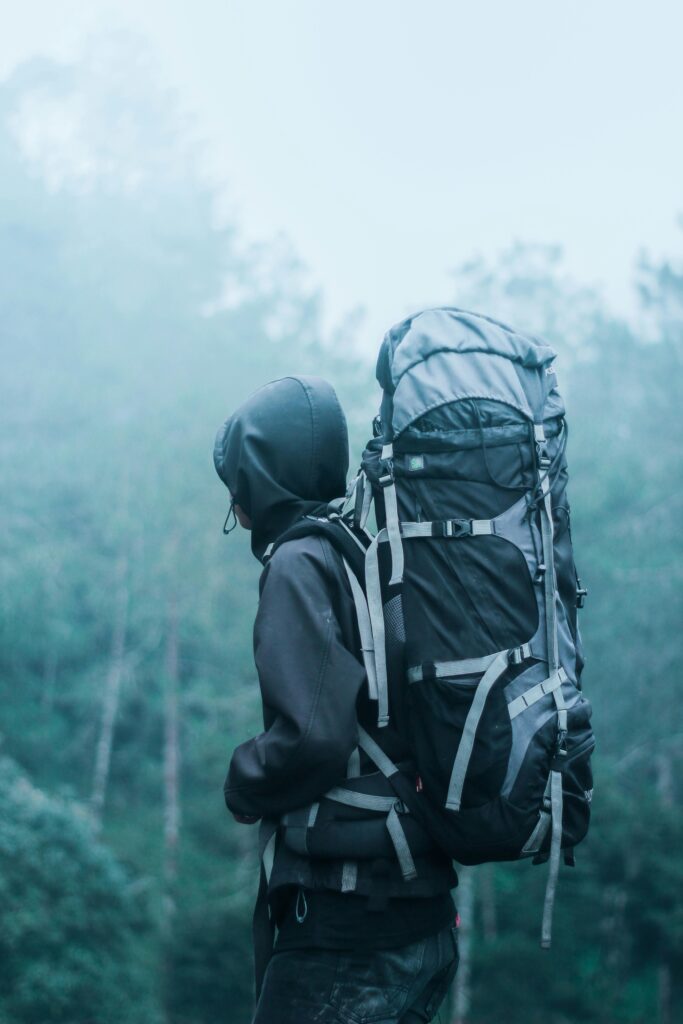
Backpacking Packs
Backpacking packs are designed for multi-day hiking trips where users need to carry camping equipment, food supplies, and clothing.
How It Works
These backpacks usually include an internal frame and suspension system that distributes weight across the hips and shoulders, improving comfort during long hikes.
Typical Use Cases
- Multi-day backpacking trips
- Trekking adventures
- Backcountry camping
Advantages
- Large storage capacity
- Strong load distribution
- Better support for heavy gear
Limitations
- Heavier than daypacks
- Bulkier design
Ultralight Backpacks
Ultralight backpacks focus on minimizing pack weight to improve efficiency during long-distance hiking.
How It Works
These packs use lightweight materials and simplified frame structures to reduce overall pack weight while still supporting essential gear.
Typical Use Cases
- Long-distance hiking
- Thru-hiking
- Lightweight backpacking trips
Advantages
- Reduced fatigue on long trails
- Minimalist design encourages efficient packing
- Lightweight materials
Limitations
- Less structural support for heavy loads
- Minimal padding and organization
Expedition Backpacks
Expedition backpacks are large, high-capacity packs built for extended trips in remote environments.
How It Works
They feature strong internal frames and reinforced materials that allow users to carry large amounts of gear for long periods.
Typical Use Cases
- Long expeditions
- Mountaineering trips
- Remote wilderness exploration
Advantages
- Very high capacity
- Strong load support
- Highly durable materials
Limitations
- Heavier than most backpack types
- Overkill for short trips
Summary
| Type | How It Works | Best Use Case |
| Daypack | Lightweight pack for essential gear | Day hiking and short trips |
| Backpacking Pack | Internal frame supports heavier loads | Multi-day hiking |
| Ultralight Backpack | Minimalist lightweight construction | Long-distance hiking |
| Expedition Backpack | Heavy-duty frame with large capacity | Extended expeditions |
Understanding these backpack categories helps buyers match the right design to their intended outdoor activity.
See our guide to the best outdoor American flag made in the USA.
How To Choose Best Outdoor Backpacks
Choosing the right outdoor backpack depends on several practical factors such as trip duration, load capacity, terrain, and personal comfort. A backpack that works well for a short day hike may not provide enough support for multi-day trekking. Understanding the key buying factors helps hikers select a pack that balances comfort, durability, and storage capacity for their intended outdoor activities.
Capacity And Trip Duration
Backpack capacity is usually measured in liters and directly affects how much gear you can carry.
Recommended
- Best for day hikes: 15–30L daypacks (e.g., Deuter Speed Lite 25)
- Best for weekend backpacking: 40–60L packs (e.g., Gregory Paragon 58)
- Best for extended expeditions: 65–85L packs (e.g., Osprey Aether Plus 85)
Selecting a capacity that matches trip length helps avoid unnecessary weight or limited storage.
Fit And Suspension System
A properly fitted backpack improves comfort and reduces fatigue during long hikes.
Recommended
- Best adjustable fit systems: Packs with adjustable torso length (Osprey Atmos AG 65)
- Best heavy-load suspension: Reinforced frame packs (Mystery Ranch Terraframe 65)
- Best lightweight support: Minimal frame packs (Hyperlite Mountain Gear 3400 Southwest)
Look for packs with adjustable shoulder straps, hip belts, and sternum straps to ensure balanced weight distribution.
Weight Of The Backpack
The empty weight of the backpack affects total carried load.
Recommended
- Best ultralight packs: Around 2 lb or less (Hyperlite Mountain Gear 3400 Southwest)
- Best balanced weight packs: 3–4 lb range (Gregory Paragon 58)
- Best heavy-duty packs: 5 lb or more for heavy gear hauling (Mystery Ranch Terraframe 65)
Lighter packs reduce fatigue but may sacrifice structure and load support.
Durability And Materials
Backpack durability depends on the materials used in the pack body and frame.
Recommended
- Best rugged materials: Cordura fabrics (Mystery Ranch Terraframe 65)
- Best lightweight durability: Dyneema composite materials (Hyperlite 3400 Southwest)
- Best balanced durability: Reinforced nylon fabrics (Osprey Atmos AG 65)
For rough terrain or expedition use, stronger materials provide longer lifespan.
Storage And Organization
Efficient storage design helps hikers access gear quickly and maintain balanced weight distribution.
Recommended
- Best gear access: Packs with front zip panels (Gregory Paragon 58)
- Best simple storage: Top-loading backpacking packs (Osprey Atmos AG 65)
- Best quick-access pockets: Daypacks with external mesh pockets (Deuter Speed Lite 25)
Choosing a pack with the right number of compartments can significantly improve convenience during hikes.
Weather Resistance
Outdoor backpacks must protect gear from rain, moisture, and harsh conditions.
Recommended
- Best waterproof materials: Dyneema composite fabrics (Hyperlite 3400 Southwest)
- Best built-in rain protection: Packs with included rain covers (TETON Sports Scout 3400)
- Best rugged weather resistance: Cordura expedition packs (Mystery Ranch Terraframe 65)
Weather protection becomes more important during long treks or unpredictable mountain conditions.
Selecting the right outdoor backpack involves balancing capacity, weight, durability, and fit. Evaluating these factors carefully helps ensure the pack performs reliably during real outdoor adventures.
Explore our guide to the best outdoor landscape lighting.
Quality And Performance Of Outdoor Backpacks
The quality and performance of outdoor backpacks depend on several factors including design structure, materials, load management systems, and long-term durability. A well-engineered backpack improves comfort, protects gear, and maintains structural integrity during challenging outdoor conditions. Evaluating these performance areas helps buyers determine whether a pack will perform reliably across different hiking environments.
Core Design And Functional Quality
Outdoor backpacks rely on thoughtful structural design and high-quality components to distribute weight and maintain stability. Key design elements influence how well the pack supports gear and how comfortable it remains during extended use.
| Design Element | Performance Impact |
| Frame Structure | Internal frames help distribute load across hips and shoulders |
| Suspension System | Adjustable harnesses improve comfort and weight balance |
| Padding And Support | Shoulder and hip padding reduce pressure during long hikes |
| Storage Layout | Organized compartments improve gear accessibility |
| Hardware Components | Strong buckles and zippers improve long-term durability |
A strong suspension system and ergonomic design help prevent fatigue, particularly during long hiking days.
Performance In Real-World Use
Outdoor backpacks must perform consistently in a wide range of environments, from forest trails to mountain terrain. Real-world performance depends on how well the pack manages weight, airflow, and movement during active use.
| Performance Factor | Real-World Impact |
| Load Distribution | Proper weight balance improves hiking stability |
| Ventilation | Mesh back panels reduce heat and sweat buildup |
| Gear Accessibility | Organized pockets allow quick access to essentials |
| Mobility | Flexible harness systems improve movement on rough terrain |
| Weather Handling | Durable materials protect gear from moisture and abrasion |
Backpacks designed with ergonomic suspension systems typically provide better comfort during long trekking days.
Reliability And Operational Stability
Reliable backpacks maintain structural integrity and consistent performance even after extended outdoor use. Durability and wear resistance are essential when carrying heavy gear across rough terrain.
| Reliability Factor | Impact On Long-Term Use |
| Frame Durability | Reinforced frames maintain load stability over time |
| Fabric Strength | Abrasion-resistant fabrics prevent tearing |
| Stitching Quality | Reinforced seams improve structural reliability |
| Strap Durability | High-strength webbing prevents strap failure |
| Hardware Reliability | Durable buckles and zippers maintain usability |
Backpacks designed for expedition or heavy-load use often feature reinforced materials that extend operational lifespan.
Protection, Safety, Or Security Features
Outdoor backpacks include several protective design features that help safeguard gear and improve user safety during outdoor activities.
| Protection Feature | Benefit |
| Weather-Resistant Fabrics | Protect gear from rain and moisture |
| Reinforced Base Panels | Prevent abrasion when placed on rough surfaces |
| Compression Straps | Stabilize loads and reduce pack movement |
| Hydration System Compartments | Allow safe water storage during long hikes |
| Reflective Elements | Improve visibility during low-light conditions |
These protective elements help ensure that the backpack performs safely across a variety of outdoor environments.
Longevity And Long-Term Value
High-quality outdoor backpacks are designed to last for many years with proper maintenance. Durability and repairability contribute significantly to long-term value.
| Longevity Factor | Long-Term Benefit |
| Durable Fabric Materials | Resist wear from repeated outdoor use |
| Replaceable Components | Buckles and straps can often be replaced |
| Reinforced Frame Systems | Maintain structural support over time |
| Maintenance Requirements | Occasional cleaning preserves materials |
| Brand Warranty Programs | Many premium brands offer long-term warranties |
Investing in a well-built outdoor backpack often results in better long-term value because durable packs can withstand years of hiking and travel.
Key Features Of Outdoor Backpacks
Outdoor backpacks include a range of functional features designed to improve comfort, gear organization, and carrying efficiency during outdoor activities. These features influence how well a backpack performs on hiking trails, camping trips, or multi-day expeditions. Understanding these capabilities helps buyers identify which backpack designs best match their intended use.
The table below summarizes several core features commonly found in high-quality outdoor backpacks.
| Feature | Purpose | Practical Benefit |
| Suspension System | Distributes weight across hips and shoulders | Reduces fatigue during long hikes |
| Adjustable Harness | Customizes torso length and fit | Improves comfort for different body sizes |
| Hydration Compatibility | Allows use of hydration reservoirs | Enables hands-free water access |
| Compression Straps | Tighten and stabilize pack contents | Improves balance and mobility |
| Ventilated Back Panel | Promotes airflow between pack and back | Reduces heat and sweat buildup |
| Gear Attachment Points | Secures trekking poles or tools | Expands carrying capability |
These features work together to improve both comfort and functionality during outdoor adventures.
Suspension And Load Distribution Systems
Adjustable Suspension Designs
Modern outdoor backpacks often include adjustable suspension systems that help distribute the weight of the pack across the hips and shoulders.
Load-Lifter Straps
Load-lifter straps pull the backpack closer to the body, improving balance and reducing strain during uphill hiking.
Hip Belt Support
A well-designed hip belt transfers much of the pack weight to the hips, which are better suited to carry heavier loads than the shoulders.
Hydration And Accessibility Features
Hydration Reservoir Compatibility
Many backpacks include dedicated sleeves and hose ports for hydration reservoirs, allowing hikers to drink water without stopping.
External Storage Pockets
Stretch mesh pockets or side pockets provide quick access to water bottles, snacks, or rain gear.
Top Lid Compartments
Some packs include removable top lids that offer extra storage for small items such as maps, headlamps, or first-aid kits.
Load Stability And Carry Comfort
Compression Systems
Compression straps tighten the pack body to prevent gear from shifting during movement.
Sternum Straps
A sternum strap connects the shoulder straps across the chest, improving stability and reducing shoulder fatigue.
Ergonomic Padding
Shoulder straps and back panels often include breathable foam padding that improves comfort during extended hiking.
Modular Gear Attachment
Trekking Pole Holders
Attachment loops allow hikers to secure trekking poles when they are not in use.
Ice Axe Loops
Some technical hiking backpacks include loops designed to carry mountaineering equipment.
Sleeping Bag Compartments
Certain packs include separate lower compartments designed specifically for sleeping bags.
These features enhance the versatility of outdoor backpacks and help hikers carry gear more efficiently during different types of outdoor activities.
Safety, Maintenance, And Best Practices
Proper safety practices and regular maintenance help ensure outdoor backpacks remain reliable during hiking, trekking, and camping trips. A well-maintained pack protects gear, improves comfort, and extends the lifespan of materials and structural components. Following safe usage guidelines also reduces the risk of equipment failure during demanding outdoor conditions.
The table below summarizes key safety and maintenance practices that support long-term backpack performance.
| Practice | Purpose | Practical Benefit |
| Proper Load Distribution | Balance gear weight inside the pack | Reduces strain on shoulders and back |
| Weather Protection | Use rain covers or waterproof liners | Protects gear from moisture damage |
| Regular Cleaning | Remove dirt and debris from fabric | Preserves materials and prevents wear |
| Strap Inspection | Check buckles and webbing regularly | Prevents unexpected failures |
| Storage Practices | Store packs in dry environments | Prevents mold and material degradation |
Maintaining these habits helps hikers keep their gear reliable for many seasons of outdoor use.
Safe Load Carrying
Load Balance
Proper packing distributes heavier items near the center of the back and closer to the spine. This improves balance and reduces strain during long hikes.
Weight Limits
Each backpack has a recommended load capacity. Exceeding this limit can cause frame damage or reduce carrying comfort.
Secure Compression
Compression straps should be tightened after packing. This prevents gear movement that could affect balance during hiking.
Weather Protection
Rain Covers
Many outdoor backpacks include integrated rain covers that protect gear from sudden rainstorms.
Waterproof Liners
Using internal waterproof liners or dry bags adds an extra layer of protection for electronics, clothing, and sleeping gear.
Moisture Management
After wet trips, backpacks should be fully dried before storage to prevent mold or odor buildup.
Cleaning Procedures
Routine Cleaning
Light dirt and trail debris can be removed with a soft brush and mild soap solution.
Deep Cleaning
Occasional deep cleaning helps remove accumulated sweat and grime from straps and back panels.
Air Drying
Backpacks should always be air-dried rather than machine-dried to protect fabric coatings and structural components.
Extending Backpack Lifespan
Proper Storage
Store backpacks in cool, dry areas away from direct sunlight to prevent material degradation.
Component Replacement
Many backpacks allow replacement of buckles, straps, or hip belts if they become worn.
Periodic Inspection
Checking seams, zippers, and frame elements periodically helps identify potential issues before they become serious problems.
Following these safety and maintenance practices ensures that outdoor backpacks remain functional, comfortable, and reliable throughout many years of outdoor use.
Read our review of the best outdoor fire pit.
Budget And Value Considerations
Outdoor backpacks are available across a wide range of price tiers depending on capacity, materials, suspension systems, and brand reputation. Understanding the typical pricing structure helps buyers choose a backpack that balances performance and cost without overpaying for features they may not need. Entry-level packs generally prioritize affordability and basic functionality, while premium models offer advanced comfort systems, lightweight materials, and improved durability.
Entry-Level Outdoor Backpacks
Typical Price Range
$60 – $120
Entry-level backpacks are designed for beginners, casual hikers, or occasional outdoor use. They typically include basic internal frames, moderate storage capacity, and simple suspension systems.
Common characteristics include:
- Standard nylon or canvas materials
- Basic padding and support
- Limited adjustability
- Simple storage compartments
These backpacks are suitable for short trips or occasional hiking but may not offer the comfort required for long multi-day treks.
Mid-Range Outdoor Backpacks
Typical Price Range
$150 – $300
Mid-range backpacks often provide the best balance between performance and cost. These packs usually include improved suspension systems, better ventilation, and higher-quality materials.
Typical features include:
- Adjustable torso systems
- Improved weight distribution
- Durable high-tenacity nylon fabrics
- Better gear organization
This category works well for hikers who plan to use their backpack regularly on multi-day trips.
Premium Outdoor Backpacks
Typical Price Range
$350 – $550+
Premium outdoor backpacks are built for serious backpackers and expedition travelers. These packs use advanced materials and specialized suspension technologies to improve long-term comfort and durability.
Premium features often include:
- High-performance suspension systems
- Ultralight or reinforced technical fabrics
- Advanced ergonomic designs
- Expedition-level load capacity
These packs provide superior comfort for extended trips but come at a higher price.
Value Comparison Table
| Price Tier | Typical Cost | Key Features | Best For |
| Entry-Level | $60–$120 | Basic frame, simple storage | Beginner hikers |
| Mid-Range | $150–$300 | Improved suspension, better materials | Frequent backpackers |
| Premium | $350–$550+ | Advanced suspension, lightweight fabrics | Long expeditions |
Choosing the right price tier depends on how frequently the backpack will be used and the type of outdoor activities planned. For most hikers, mid-range backpacks often provide the best balance of comfort, durability, and overall value.
Installation, Setup, And Placement
Outdoor backpacks do not require permanent installation, but proper setup and adjustment are essential for comfort, load stability, and injury prevention. A correctly configured backpack distributes weight evenly across the hips and shoulders, allowing hikers to carry gear efficiently during long outdoor trips. Proper positioning of gear inside the pack also plays a major role in maintaining balance while walking on uneven terrain.
DIY Setup Vs Professional Installation
Most outdoor backpacks are designed for user setup, and hikers can adjust the pack themselves with a few simple steps. However, some users benefit from professional fitting when purchasing technical backpacking packs.
DIY Setup
Most backpacks allow easy adjustment using built-in straps and harness systems.
Typical DIY adjustments include:
- Adjusting torso length to match body height
- Tightening or loosening shoulder straps
- Positioning the hip belt across the hip bones
- Adjusting the sternum strap for stability
- Tightening load lifter straps for better weight distribution
These adjustments can usually be done within a few minutes before starting a hike.
Professional Fitting
Outdoor gear retailers sometimes offer professional backpack fitting services. This can help hikers who:
- Carry heavy loads regularly
- Have difficulty finding the right pack size
- Plan long-distance trekking trips
Professional fitting ensures the backpack’s suspension system matches the user’s body shape.
Placement And Positioning Tips
Proper packing and placement of gear inside the backpack significantly affects balance and comfort during hiking.
Heavy Gear Placement
Heavy items such as food bags, cooking equipment, or water should be placed close to the spine and near the middle of the pack. This improves balance and reduces strain.
Medium Weight Gear
Items such as clothing layers and compact equipment should be placed in the middle or upper sections of the pack.
Lightweight Gear
Light items like sleeping bags or spare clothing are best placed toward the bottom of the pack.
Quick-Access Gear
Frequently used items should be stored in external pockets or top compartments, including:
- Water bottles
- Maps or GPS devices
- Snacks
- Rain jackets
Packing gear strategically helps maintain stability while walking and reduces the need to unpack the entire backpack during a hike.
Outdoor Backpacks Vs Alternatives
Outdoor backpacks are specifically designed for hiking, trekking, and outdoor travel, but buyers sometimes compare them with other gear-carrying options such as travel backpacks, duffel bags, or tactical packs. Understanding how outdoor backpacks differ from these alternatives helps users choose the most suitable option for their activities, gear load, and travel style.
The table below highlights the key differences between outdoor backpacks and common alternatives.
| Feature | Outdoor Backpacks | Alternative Option (Travel Backpacks / Duffel Bags) |
| Primary Design | Built for hiking and trekking | Designed mainly for travel or storage |
| Suspension System | Advanced hip belts and load distribution | Limited or basic shoulder support |
| Weight Distribution | Transfers load to hips and back | Mostly carried on shoulders |
| Storage Layout | Multiple gear compartments and attachments | Large central storage with fewer pockets |
| Weather Resistance | Durable fabrics with rain protection | Often less weather-resistant |
| Best For | Hiking, camping, backpacking trips | Travel, gym, or general storage |
Outdoor backpacks provide several structural advantages that make them more suitable for long-distance hiking and outdoor activities.
Comfort And Load Support
Outdoor Backpacks
Outdoor backpacks use suspension systems that distribute weight across the hips, shoulders, and back. This reduces strain and improves comfort during long hikes.
Alternative Bags
Duffel bags and travel backpacks usually lack structured frames and hip belts, which makes carrying heavy loads for long periods more difficult.
Storage And Gear Organization
Outdoor Backpacks
These packs include multiple compartments, compression straps, and external attachment points for gear such as trekking poles or sleeping bags.
Alternative Bags
Travel backpacks and duffel bags typically prioritize large open storage compartments rather than specialized gear organization.
Durability And Weather Protection
Outdoor Backpacks
Outdoor packs are built with rugged materials designed to withstand rough terrain, moisture, and repeated outdoor use.
Alternative Bags
Travel bags may use lighter fabrics that are better suited for airports or urban environments but less durable for hiking trails.
Portability And Activity Suitability
Outdoor Backpacks
Outdoor backpacks are designed to remain comfortable during hours of hiking, even on steep or uneven terrain.
Alternative Bags
Duffel bags and travel backpacks are more suitable for short-distance carrying or transportation between locations.
In general, outdoor backpacks are the best option for activities involving long-distance hiking, camping, or outdoor exploration, while alternative bag types are more appropriate for travel or casual gear transport.
Who Should Buy Outdoor Backpacks
Outdoor backpacks are designed for people who need to carry gear comfortably during outdoor activities such as hiking, trekking, camping, or travel. These backpacks provide better weight distribution, improved storage organization, and stronger durability compared to regular backpacks. Understanding which users benefit most from outdoor backpacks can help buyers determine whether this type of gear fits their needs.
Hikers And Backpackers
Why It Works For Them
- Designed to distribute weight efficiently during long hikes
- Provides large storage capacity for camping gear and supplies
- Includes features such as hydration compatibility and gear attachments
- Helps maintain balance and stability on uneven terrain
Outdoor backpacks allow hikers to carry essential gear for day trips or multi-day backpacking adventures.
Campers And Outdoor Enthusiasts
Why It Works For Them
- Offers sufficient space for camping equipment and supplies
- Durable materials withstand rugged outdoor environments
- Compression straps help stabilize bulky gear
- Multiple compartments improve gear organization
These backpacks make it easier to transport camping essentials during outdoor trips.
Adventure Travelers
Why It Works For Them
- Combines travel storage with hiking functionality
- Suitable for exploring national parks, trails, or remote destinations
- Comfortable for extended walking during travel
- Flexible capacity options depending on trip length
Adventure travelers benefit from backpacks that perform well both on hiking trails and during travel.
Long-Distance Trekkers
Why It Works For Them
- Designed for heavy load carrying over long distances
- Suspension systems reduce fatigue during multi-day hikes
- Large capacities allow transport of food, clothing, and gear
- Durable frames provide stability in challenging terrain
Trekkers planning extended expeditions rely on these backpacks for reliable gear transport.
Beginners Entering Outdoor Activities
Why It Works For Them
- Beginner-friendly models provide simple storage and affordable pricing
- Adjustable suspension systems improve comfort
- Allows new hikers to carry basic gear safely
- Suitable for learning outdoor packing techniques
Entry-level outdoor backpacks help beginners explore hiking and camping without needing highly technical gear.
Outdoor backpacks serve a wide range of users who need reliable gear-carrying solutions for outdoor environments.
Benefits Of Using Outdoor Backpacks
Outdoor backpacks provide significant advantages for hikers, campers, and outdoor travelers who need to carry equipment safely and comfortably. Their specialized design improves weight distribution, gear organization, and durability compared to standard backpacks. These benefits make them essential gear for many outdoor activities.
| Benefit | What It Improves | Practical Impact |
| Efficient Weight Distribution | Transfers load to hips and back | Reduces fatigue during long hikes |
| Better Gear Organization | Multiple compartments and pockets | Easier access to equipment |
| Improved Comfort | Ergonomic straps and padding | Supports extended outdoor use |
| Increased Durability | Rugged outdoor materials | Handles rough terrain and heavy loads |
| Weather Protection | Water-resistant fabrics and rain covers | Protects gear from rain and moisture |
| Versatility | Available in different sizes and designs | Suitable for various outdoor activities |
Improved Comfort And Load Carrying
Ergonomic Suspension Systems
Outdoor backpacks are designed with suspension systems that distribute weight evenly across the body. This reduces pressure on the shoulders and allows hikers to carry heavier loads more comfortably.
Adjustable Fit Systems
Many backpacks include adjustable torso lengths, hip belts, and shoulder straps. These adjustments help users achieve a customized fit for better stability and comfort.
Better Organization And Accessibility
Multiple Compartments
Outdoor backpacks often include top compartments, side pockets, and internal storage areas that allow users to organize gear efficiently.
Quick Access Pockets
External pockets provide easy access to frequently used items such as water bottles, snacks, maps, or rain gear.
Durability For Outdoor Conditions
Rugged Materials
Outdoor backpacks typically use durable materials such as reinforced nylon or Cordura fabrics that resist abrasion from rocks and rough terrain.
Reinforced Construction
High-quality stitching, strong buckles, and sturdy frames help backpacks maintain structural integrity during demanding outdoor trips.
Versatility For Different Activities
Wide Range Of Sizes
Outdoor backpacks come in different capacities, ranging from small daypacks to large expedition packs designed for extended trips.
Adaptable Gear Carrying
Many packs include attachment points for equipment such as trekking poles, sleeping bags, or camping gear.
These benefits make outdoor backpacks one of the most practical and reliable gear solutions for outdoor exploration and adventure travel.
Common Outdoor Backpacks Myths
Outdoor backpacks are widely used in hiking, trekking, and camping, but several misconceptions often influence buying decisions. These myths can cause buyers to choose backpacks that do not match their actual needs. Understanding the reality behind these common beliefs helps outdoor enthusiasts make better purchasing decisions.
Myth: Bigger Backpacks Are Always Better
Reality
Larger backpacks provide more storage capacity, but they also encourage overpacking and increase total carried weight. For many hikers, a 40–60 liter backpack is sufficient for multi-day trips. Choosing the correct capacity based on trip duration improves comfort and efficiency.
Myth: Ultralight Backpacks Are Too Fragile
Reality
Modern ultralight backpacks often use advanced materials such as Dyneema composite fabrics, which provide excellent strength-to-weight ratios. While these packs may have less padding and fewer compartments, many models are durable enough for long-distance hiking when used correctly.
Myth: Expensive Backpacks Always Perform Better
Reality
Higher-priced backpacks often include advanced suspension systems and premium materials, but mid-range backpacks frequently provide excellent performance for most outdoor users. Comfort, proper fit, and correct capacity often matter more than price alone.
Myth: One Backpack Works For Every Outdoor Activity
Reality
Different outdoor activities require different backpack designs. Day hiking, multi-day backpacking, and expedition trekking each require different capacities, frame systems, and gear organization. Selecting a backpack designed for the specific activity improves comfort and usability.
Myth: Heavier Backpacks Are More Durable
Reality
Weight does not always indicate durability. Many lightweight materials provide excellent abrasion resistance and structural strength. Modern outdoor backpack design focuses on optimizing durability while minimizing unnecessary weight.
Understanding these myths helps buyers focus on practical factors such as fit, capacity, suspension system, and intended use rather than relying on common misconceptions.
Common Problems With Outdoor Backpacks
Outdoor backpacks are designed for durability and performance, but users may occasionally encounter issues during long hikes or extended outdoor trips. These problems often result from improper setup, overloading, environmental exposure, or normal wear over time. Understanding common backpack issues and their solutions helps hikers maintain comfort and extend the lifespan of their gear.
Problems And Their Solutions
| Problem | Cause | Solution |
| Shoulder or back discomfort | Incorrect strap adjustment or poor weight distribution | Adjust torso length, tighten hip belt, and redistribute load |
| Pack feels unstable while hiking | Loose compression straps or uneven packing | Tighten compression straps and reposition heavier items |
| Zippers or buckles fail | Wear from heavy use or debris buildup | Clean hardware regularly and replace worn components |
| Fabric wear or small tears | Abrasion from rocks, branches, or rough terrain | Use protective covers and patch small tears early |
| Excessive sweating on the back | Poor ventilation in humid conditions | Choose packs with ventilated back panels |
| Gear getting wet | Rain exposure or lack of waterproof protection | Use rain covers or waterproof pack liners |
Fit And Comfort Issues
Improper Torso Adjustment
Backpacks that do not match the user’s torso length can cause discomfort and poor weight distribution. Many modern packs include adjustable torso systems that help achieve a better fit.
Poor Hip Belt Position
The hip belt should rest directly on the hip bones. If positioned too high or too low, it will fail to transfer weight properly and increase shoulder strain.
Packing And Load Distribution Problems
Uneven Gear Placement
Improper packing can make a backpack feel unstable. Heavy items should be placed close to the spine and centered inside the pack.
Overloading The Backpack
Carrying weight beyond the recommended capacity can strain both the user and the backpack frame.
Environmental Damage
Moisture Exposure
Extended exposure to rain or humidity can damage gear if backpacks are not properly protected with rain covers or waterproof liners.
Abrasion And Wear
Frequent contact with rough surfaces can cause gradual wear to the backpack fabric. Durable materials and proper handling help minimize damage.
By recognizing these common problems and applying simple solutions, hikers can improve comfort and ensure their outdoor backpacks perform reliably during long trips.
Accessories, Add-Ons, And Enhancements
Outdoor backpacks can be enhanced with various accessories and add-ons that improve comfort, organization, and gear protection. These additions help hikers customize their packs for different environments, trip lengths, and gear requirements. Choosing the right accessories can significantly improve efficiency and convenience during outdoor adventures.
Rain Covers
Weather Protection
Rain covers are designed to fit over backpacks and protect them from rain, snow, and moisture. While many backpacks use water-resistant fabrics, rain covers provide an additional protective layer during heavy precipitation.
When To Use
Rain covers are especially useful for:
- Mountain hiking where weather changes quickly
- Multi-day trekking trips
- Environments with frequent rainfall
Hydration Reservoir Systems
Hands-Free Hydration
Hydration reservoirs allow hikers to drink water through a hose without stopping to access water bottles. Many outdoor backpacks include dedicated compartments for these reservoirs.
Benefits
- Easy access to water while hiking
- Encourages better hydration during long trips
- Reduces the need to remove the backpack frequently
Pack Liners And Dry Bags
Waterproof Storage
Pack liners and dry bags protect essential gear from moisture inside the backpack. They are commonly used to protect sleeping bags, clothing, and electronics.
Practical Use
These accessories are particularly useful during:
- River crossings
- Rainy hiking conditions
- Long trekking trips in humid environments
Gear Attachment Accessories
Trekking Pole Attachments
Some backpacks include loops or straps that allow hikers to secure trekking poles when they are not in use.
Tool And Equipment Loops
Technical backpacks may include loops for equipment such as ice axes, climbing gear, or camping tools.
Organization Accessories
Packing Cubes
Packing cubes help hikers organize clothing and small gear items inside the backpack.
Accessory Pouches
Small accessory pouches can store items such as first-aid kits, electronics, or repair tools.
Adding the right accessories allows hikers to adapt their outdoor backpacks for different activities and environmental conditions, improving both comfort and functionality during outdoor adventures.
Best Outdoor Backpacks Trends (2026)
Outdoor backpacks continue to evolve as manufacturers introduce new technologies, materials, and ergonomic improvements. Recent innovations focus on reducing pack weight, improving comfort during long hikes, and increasing durability in harsh outdoor environments. Understanding current trends helps buyers identify modern backpacks that offer improved performance compared to older designs.
Ultralight Materials And Construction
Advanced Lightweight Fabrics
Manufacturers are increasingly using advanced materials such as Dyneema composite fabrics and high-tenacity ripstop nylon. These materials provide strong abrasion resistance while significantly reducing backpack weight.
Minimalist Structural Design
Many modern packs adopt minimalist designs that eliminate unnecessary components. This approach reduces weight and encourages efficient packing without sacrificing essential functionality.
Improved Suspension And Ergonomic Systems
Dynamic Hip Belt Technology
New suspension systems allow hip belts to move more naturally with the user’s body, improving comfort and stability during long hikes.
Enhanced Ventilation Systems
Many backpacks now include suspended mesh back panels or airflow channels designed to improve ventilation and reduce heat buildup during warm-weather hiking.
Modular And Customizable Storage
Expandable Storage Systems
Some backpacks now include modular components such as removable lids, detachable pockets, or expandable compartments. This allows hikers to customize storage capacity depending on the trip length.
Gear Attachment Integration
Manufacturers increasingly include integrated attachment systems for trekking poles, helmets, climbing gear, or sleeping equipment.
Sustainability And Eco-Friendly Materials
Recycled Fabric Use
Outdoor gear companies are increasingly producing backpacks using recycled nylon and polyester fabrics to reduce environmental impact.
Durable Long-Life Design
Brands are also focusing on durability and repairability, allowing users to replace worn components such as buckles or straps instead of replacing the entire backpack.
These trends highlight how outdoor backpacks continue to evolve to meet the needs of modern hikers, focusing on comfort, efficiency, and sustainability.
Real User Feedback And Expert Opinions
Understanding how outdoor backpacks perform in real-world conditions is important when evaluating their reliability and comfort. Feedback from everyday users and professional reviewers provides valuable insight into durability, fit, and long-term performance. These perspectives help highlight what works well during actual hiking and backpacking trips.
The table below summarizes common themes found in user reviews and expert evaluations.
| Feedback Category | Summary |
| Comfort | Many users emphasize the importance of suspension systems and adjustable fit |
| Durability | High-quality fabrics and reinforced frames receive consistent praise |
| Storage Organization | Multiple compartments improve gear accessibility |
| Weight Distribution | Well-designed hip belts significantly reduce shoulder strain |
| Ventilation | Mesh back panels improve airflow in warm conditions |
User Feedback
Comfort During Long Hikes
Users frequently report that backpacks with adjustable torso systems and padded hip belts significantly improve comfort during multi-day hiking trips.
Gear Organization
Hikers appreciate backpacks with multiple compartments, external pockets, and gear loops because they make it easier to organize equipment and access frequently used items.
Durability In Outdoor Conditions
Many reviews highlight that backpacks built with reinforced fabrics and strong stitching withstand rough trails, heavy gear, and repeated outdoor use.
Expert Opinion
Suspension System Performance
Outdoor gear experts often emphasize suspension system design as one of the most important features of a high-quality backpack. Effective suspension improves weight distribution and reduces fatigue.
Load Stability And Fit
Professional gear reviewers frequently test backpacks by carrying different load weights to evaluate how well the pack maintains balance and stability on uneven terrain.
Long-Term Reliability
Experts also evaluate backpacks for long-term durability, assessing how well the materials, zippers, and straps hold up after repeated outdoor use.
Combining insights from real users and professional reviewers provides a more complete understanding of how outdoor backpacks perform in practical situations.
Lifespan And Long-Term Reliability Of Outdoor Backpacks
Outdoor backpacks are built to withstand repeated use in challenging environments, but their lifespan depends on factors such as material quality, usage frequency, maintenance, and environmental exposure. High-quality backpacks from reputable brands often last many years when used properly and maintained regularly.
Typical Lifespan Expectations
| Backpack Type | Typical Lifespan | Usage Scenario |
| Day Hiking Packs | 5–8 years | Occasional day hikes and short trips |
| Backpacking Packs | 7–10 years | Regular multi-day trekking |
| Ultralight Backpacks | 4–7 years | Long-distance hiking with careful handling |
| Expedition Packs | 8–12 years | Heavy-load expeditions and rugged environments |
The lifespan varies depending on how often the backpack is used and how heavily it is loaded during trips.
Factors That Affect Backpack Longevity
Material Quality
Backpacks made with high-tenacity nylon, Cordura fabrics, or Dyneema composites typically resist abrasion and tearing better than basic fabrics.
Frame And Suspension Durability
Internal frame systems and reinforced suspension components maintain structural integrity during repeated heavy-load use.
Hardware Strength
Durable buckles, zippers, and compression straps are essential for maintaining the backpack’s functionality over time.
Environmental Exposure
| Environmental Factor | Impact On Backpack |
| UV Exposure | Can gradually weaken fabric coatings |
| Moisture And Rain | May degrade materials if not dried properly |
| Abrasion From Terrain | Causes wear on base panels and outer fabric |
| Dirt And Dust | Can damage zippers or seams if not cleaned |
Proper storage and cleaning help reduce the effects of environmental exposure.
Maintenance And Repair
Regular Cleaning
Cleaning the backpack periodically removes dirt and sweat that may degrade fabrics over time.
Component Replacement
Many backpacks allow replacement of buckles, straps, or hip belts, which can extend the lifespan significantly.
Warranty Support
Some outdoor gear brands provide long-term warranties or repair services that help maintain backpacks for extended use.
With proper care, many high-quality outdoor backpacks can remain functional for nearly a decade or more, making them a long-term investment for outdoor enthusiasts.
How We Tested And Selected The Best Outdoor Backpacks
Selecting the best outdoor backpacks requires a structured evaluation process that considers performance, comfort, durability, and overall value. The goal is to identify backpacks that perform reliably in real outdoor conditions while meeting the needs of different hikers, backpackers, and outdoor travelers.
The evaluation process combines product specifications, real-world user feedback, expert gear testing insights, and comparative analysis of features across multiple brands.
Evaluation Criteria
| Evaluation Factor | What Was Evaluated | Why It Matters |
| Build Quality | Materials, stitching, and frame strength | Determines long-term durability |
| Suspension System | Load distribution and comfort | Reduces fatigue during long hikes |
| Storage And Organization | Compartments and gear access | Improves usability during trips |
| Weight And Capacity | Pack weight relative to storage volume | Impacts hiking efficiency |
| Weather Resistance | Fabric coatings and rain protection | Protects gear in outdoor conditions |
| Value For Money | Features relative to price | Ensures balanced purchasing decisions |
These criteria help compare different backpacks objectively while identifying models that offer strong overall performance.
A structured comparison of multiple models allows for better evaluation of strengths and limitations before recommending specific backpacks.
Testing Methods
| Testing Method | Purpose |
| Product Specification Analysis | Compare capacity, weight, and materials |
| User Review Analysis | Identify real-world performance trends |
| Expert Gear Testing Insights | Evaluate comfort and suspension performance |
| Durability Assessment | Examine long-term wear resistance |
| Feature Comparison | Compare storage design and usability |
Using multiple testing methods helps ensure that recommendations reflect real-world use rather than relying solely on manufacturer specifications.
Key Brands Considered
Several well-known outdoor gear manufacturers were evaluated during the selection process.
Osprey
Osprey is widely recognized for advanced suspension systems, ergonomic designs, and strong warranty support.
Gregory
Gregory backpacks are known for comfort-focused designs and reliable load distribution systems.
Deuter
Deuter produces durable hiking packs with excellent ventilation systems and practical storage layouts.
Arc’teryx
Arc’teryx specializes in high-performance outdoor equipment with advanced materials and premium construction.
Mystery Ranch
Mystery Ranch backpacks are designed for heavy-duty use and are known for their rugged construction and load-bearing capabilities.
These brands consistently appear in professional gear reviews and user recommendations, making them strong candidates for the best outdoor backpacks.
FAQs About Outdoor Backpacks
Choosing the right outdoor backpack involves understanding capacity, comfort, durability, and intended use. The following frequently asked questions address common concerns buyers have when selecting outdoor backpacks.
What size outdoor backpack should I choose for hiking?
Choose 15–30L for day hikes, 40–60L for weekend trips, and 65L or more for multi-day expeditions. The correct size depends on trip duration and gear requirements.
How much weight can outdoor backpacks safely carry?
Most hiking backpacks comfortably carry 25–45 pounds. Heavy-duty expedition packs may handle up to 70 pounds, depending on frame strength and suspension design.
Are outdoor backpacks waterproof?
Most outdoor backpacks are water-resistant rather than fully waterproof. Many hikers use rain covers or internal pack liners to protect gear during heavy rain or wet conditions.
What is the difference between hiking backpacks and regular backpacks?
Outdoor backpacks include suspension systems, hip belts, and load distribution features designed for long hikes. Regular backpacks typically lack these features and are intended for everyday carrying.
How do I properly fit an outdoor backpack?
A backpack should match your torso length, with the hip belt resting on your hip bones. Shoulder straps should sit comfortably without carrying most of the pack’s weight.
What materials are best for outdoor backpacks?
High-tenacity nylon, Cordura fabrics, and Dyneema composites are commonly used in durable outdoor backpacks. These materials offer strong abrasion resistance while maintaining manageable weight.
Are lightweight outdoor backpacks durable enough for long hikes?
Many ultralight backpacks use advanced fabrics with strong strength-to-weight ratios. They are durable for long-distance hiking when used within recommended load limits and handled carefully.
How long do outdoor backpacks typically last?
High-quality outdoor backpacks typically last 5–10 years depending on usage frequency, load weight, environmental exposure, and maintenance practices.
Do I need a rain cover for my backpack?
A rain cover is recommended for extended hikes or unpredictable weather. It provides additional protection for gear even if the backpack uses water-resistant materials.
What features should I look for in a good outdoor backpack?
Key features include adjustable suspension systems, breathable back panels, durable materials, hydration compatibility, compression straps, and sufficient storage capacity for your intended outdoor activity.
Understanding these frequently asked questions helps hikers make informed decisions and choose outdoor backpacks that match their comfort, durability, and capacity needs.
Final Verdict – Which Outdoor Backpack Should You Get?
Choosing the right outdoor backpack depends on your trip length, load requirements, and hiking style.
- For all-around performance: Osprey Atmos AG 65 offers excellent comfort, ventilation, and balanced load support for multi-day hiking.
- For beginners on a budget: TETON Sports Scout 3400 provides reliable capacity and durability at an affordable price.
- For premium technical performance: Arc’teryx Bora 65 delivers advanced suspension and rugged construction for demanding terrain.
- For lightweight long-distance hiking: Hyperlite Mountain Gear 3400 Southwest minimizes weight while maintaining durability.
- For hybrid travel and trekking: Gregory Paragon 58 balances capacity, comfort, and convenient gear access.
- For heavy expedition loads: Mystery Ranch Terraframe 65 excels at carrying bulky or heavy equipment.
Selecting the right outdoor backpack ultimately depends on how and where you plan to use it.