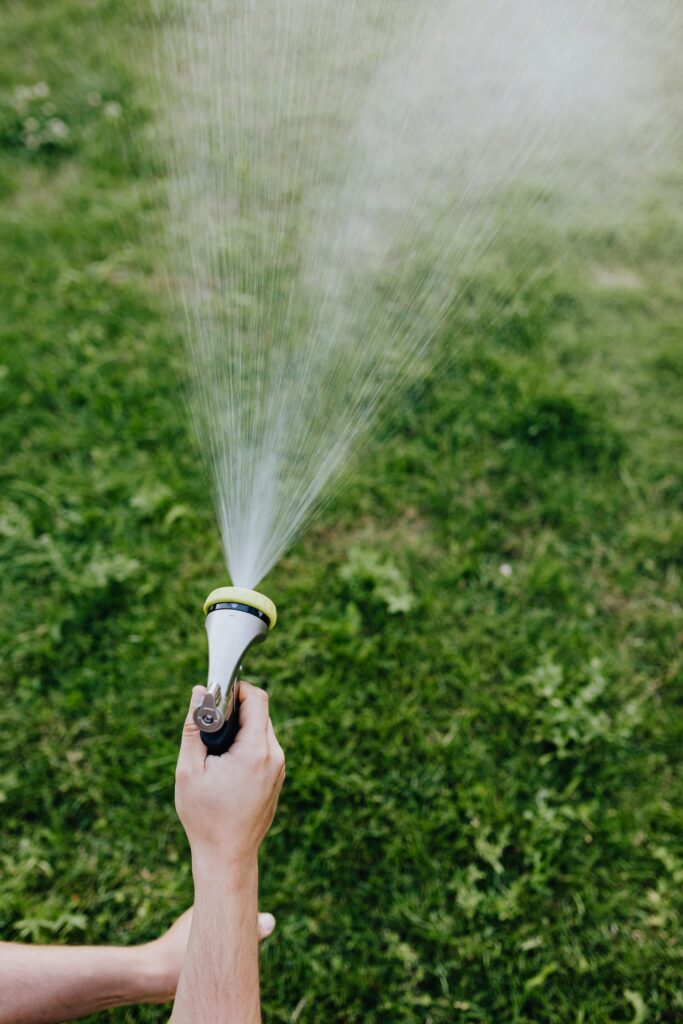
A best outdoor hose is a durable, flexible water hose designed for gardening, cleaning, and outdoor maintenance, built to handle varying water pressure and weather conditions. Choosing the right outdoor hose or garden hose directly impacts water flow, ease of use, and long-term reliability.
Many users struggle with kinks, leaks, or heavy hoses that are difficult to manage. This matters because a poorly chosen hose wastes time and water while increasing frustration. This guide covers top options, key features, and practical insights to help you select the right outdoor hose for your needs.
See details on the best wireless outdoor security camera in our review.
Key Takeaways
- Best overall: Flexzilla Garden Hose stands out for flexibility, durability, and kink resistance across varied outdoor tasks
- Best budget: Amazon Basics Garden Hose delivers reliable performance at an affordable price for light to moderate use
- Best premium: Eley Polyurethane Garden Hose offers exceptional build quality and long-term durability for demanding users
- Best value: Zero-G Lightweight Garden Hose balances strength and weight, making it practical for everyday use
- Most durable: Briggs & Stratton Heavy-Duty Rubber Hose is built for high-pressure and rugged environments
- Best for small spaces: GrowGreen Expandable Garden Hose is compact, easy to store, and ideal for limited areas
- Best for high pressure: Giraffe Tools Hybrid Garden Hose handles strong water flow without compromising structure
- Best lightweight option: Hospaip Expandable Garden Hose is easy to maneuver and suitable for quick watering tasks
These key picks highlight how different outdoor hoses meet specific needs, making it easier to narrow down the right choice. Next, we’ll break down how these hoses were evaluated and compared.
The Best Outdoor Hose
Selecting the best outdoor hose involved analyzing real-world performance, durability, and user experience across multiple product types. Key evaluation criteria included material quality, flexibility, resistance to kinks, pressure handling, and ease of storage. Customer feedback from verified buyers and expert insights from product testing were also considered to understand long-term reliability.
This comparison focuses on how each hose performs in everyday scenarios, from watering gardens to handling heavy-duty cleaning tasks. The goal is to provide a clear, practical perspective before diving into top recommendations.
Read our review of the best outdoor pizza oven.
Best Outdoor Hose (Quick Picks)
Choosing the right outdoor hose depends on how you plan to use it, your budget, and how much durability you need. The following quick picks highlight top-performing options across key buying categories, helping you quickly identify the best fit.
| Category | Product | Why It’s Best |
| Best overall | Flexzilla Garden Hose | Highly flexible, kink-resistant, and durable for all-purpose use |
| Best budget | Amazon Basics Garden Hose | Affordable and reliable for everyday watering needs |
| Best premium | Eley Polyurethane Garden Hose | Exceptional durability with long lifespan and commercial-grade quality |
| Best value | Zero-G Lightweight Garden Hose | Strong yet lightweight with excellent maneuverability |
| Most durable | Briggs & Stratton Rubber Hose | Built for heavy-duty use and high-pressure performance |
| Best for high pressure | Giraffe Tools Hybrid Hose | Maintains structure under strong water pressure |
| Best lightweight | Hospaip Expandable Hose | Easy handling and compact storage |
| Best expandable | GrowGreen Expandable Hose | Space-saving design with flexible expansion capability |
These top selections cover a wide range of needs, from heavy-duty outdoor work to simple garden watering. Below, each category is explored in detail to help you understand real-world performance and usability.
Best Overall Outdoor Hose – Flexzilla Garden Hose
Flexzilla Garden Hose is widely recognized for its hybrid polymer construction that combines flexibility with durability. It remains easy to handle even in colder temperatures, which is where many traditional hoses become stiff and difficult to use.
What makes it stand out is how effortlessly it moves around obstacles without kinking or tangling. It feels noticeably lighter than rubber hoses while still maintaining strong pressure performance, making it suitable for both casual gardening and more demanding outdoor cleaning tasks.
| Category | Product | Type / Power Source | Length Options | Price Range | Best For |
| Best overall | Flexzilla Garden Hose | Hybrid polymer | 25–100 ft | $35–$80 | All-purpose outdoor use |
Key Features
- Hybrid polymer construction for flexibility
- Kink-resistant design
- Lightweight yet durable
- Drinking water safe material
- Abrasion-resistant outer layer
Who It’s For
Homeowners needing a versatile, easy-to-handle hose for daily use
Who Should Avoid It
Users needing ultra-heavy-duty industrial-grade hoses
Competitor Comparisons
| Feature | Flexzilla | Zero-G | Eley Polyurethane |
| Flexibility | Excellent | Very good | Moderate |
| Durability | High | High | Very high |
| Weight | Light | Very light | Medium |
| Price | Mid-range | Mid-range | Premium |
Alternatives
Zero-G Lightweight Hose offers a similar balance with slightly lighter handling
Flexzilla delivers one of the most balanced performances for everyday outdoor use.
Best Budget Outdoor Hose – Amazon Basics Garden Hose
Amazon Basics Garden Hose is designed for users who want a simple, no-frills solution without spending much. It focuses on core functionality, offering decent flexibility and consistent water flow for everyday tasks like watering plants or washing patios.
It stands out in the budget category because it avoids unnecessary complexity while still maintaining acceptable durability. While it may not handle extreme pressure or rough use, it performs reliably for light to moderate applications, making it a practical entry-level choice.
| Category | Product | Type / Power Source | Length Options | Price Range | Best For |
| Best budget | Amazon Basics Garden Hose | PVC | 25–100 ft | $20–$40 | Light to moderate use |
Key Features
- Lightweight PVC construction
- Easy to maneuver for basic tasks
- Standard fittings for compatibility
- Affordable pricing
- Decent kink resistance for its category
Who It’s For
Budget-conscious users needing a basic garden hose
Who Should Avoid It
Users requiring high durability or heavy-duty performance
Competitor Comparisons
| Feature | Amazon Basics | Flexzilla | Briggs & Stratton |
| Durability | Moderate | High | Very high |
| Weight | Light | Light | Heavy |
| Price | Low | Mid | Mid |
| Pressure Handling | Basic | Good | Excellent |
Alternatives
GrowGreen Expandable Hose offers a similarly affordable but more compact option
Amazon Basics is a solid choice for users who want dependable performance without investing heavily.
Best Premium Outdoor Hose – Eley Polyurethane Garden Hose
Eley Polyurethane Garden Hose is engineered for long-term performance and professional-grade durability. Built with high-quality polyurethane, it resists cracking, abrasion, and wear far better than standard hoses, even under frequent use.
Its premium positioning comes from its exceptional lifespan and consistent performance over time. It maintains flexibility while delivering strong pressure handling, making it suitable for demanding environments where reliability matters more than initial cost.
| Category | Product | Type / Power Source | Length Options | Price Range | Best For |
| Best premium | Eley Polyurethane Hose | Polyurethane | 50–100 ft | $120–$200 | Heavy-duty and long-term use |
Key Features
- Commercial-grade polyurethane material
- High resistance to abrasion and UV exposure
- Consistent pressure performance
- Long lifespan with minimal wear
- Leak-resistant fittings
Who It’s For
Users needing long-lasting, heavy-duty performance
Who Should Avoid It
Buyers looking for low-cost or occasional-use hoses
Competitor Comparisons
| Feature | Eley | Flexzilla | Zero-G |
| Durability | Exceptional | High | High |
| Flexibility | Moderate | Excellent | Very good |
| Weight | Medium | Light | Very light |
| Price | High | Mid | Mid |
Alternatives
Briggs & Stratton Rubber Hose provides strong durability at a lower price point
Eley stands out as a long-term investment for users who prioritize reliability and durability above all else.
Best Value Outdoor Hose – Zero-G Lightweight Garden Hose
Zero-G Lightweight Garden Hose is known for combining durability with an unusually light design, making it easier to move around compared to traditional rubber hoses. It’s built with a woven outer layer that maintains strength while keeping weight low, which is noticeable the moment you drag it across a yard.
What sets it apart is how practical it feels in daily use. It doesn’t fight back when coiling, and it handles water flow consistently without feeling bulky. Many users prefer it because it strikes a balance between performance and usability, especially for medium to large yards.
| Category | Product | Type / Power Source | Length Options | Price Range | Best For |
| Best value | Zero-G Garden Hose | Woven fabric hybrid | 25–100 ft | $40–$70 | Everyday balanced use |
Key Features
- Lightweight woven construction
- Kink-resistant design
- Easy to coil and store
- Crush-proof couplings
- Consistent water pressure
Who It’s For
Users wanting a balance of durability and easy handling
Who Should Avoid It
Those needing heavy-duty industrial-grade hoses
Competitor Comparisons
| Feature | Zero-G | Flexzilla | Amazon Basics |
| Weight | Very light | Light | Light |
| Durability | High | High | Moderate |
| Flexibility | Very good | Excellent | Moderate |
| Price | Mid | Mid | Low |
Alternatives
Flexzilla Garden Hose offers slightly better flexibility with similar durability
Zero-G delivers one of the best balances between weight, durability, and usability.
Most Durable Outdoor Hose – Briggs & Stratton Heavy-Duty Rubber Hose
Briggs & Stratton Heavy-Duty Rubber Hose is built for demanding environments where standard hoses fail quickly. Its thick rubber construction gives it a solid, almost industrial feel, making it suitable for high-pressure cleaning and rough outdoor conditions.
This hose stands out because it prioritizes toughness over convenience. It’s heavier than most alternatives, but that weight translates into durability and resistance to wear. For users who leave hoses outdoors or use them frequently, this model holds up far better over time.
| Category | Product | Type / Power Source | Length Options | Price Range | Best For |
| Most durable | Briggs & Stratton Rubber Hose | Rubber | 25–100 ft | $50–$90 | Heavy-duty outdoor use |
Key Features
- Thick rubber construction
- High-pressure resistance
- Long-lasting durability
- Strong brass fittings
- Weather-resistant design
Who It’s For
Users needing a rugged hose for heavy-duty tasks
Who Should Avoid It
Those who prefer lightweight, easy-to-carry hoses
Competitor Comparisons
| Feature | Briggs & Stratton | Eley | Zero-G |
| Durability | Very high | Exceptional | High |
| Weight | Heavy | Medium | Very light |
| Flexibility | Moderate | Moderate | Very good |
| Price | Mid | High | Mid |
Alternatives
Eley Polyurethane Hose offers premium durability with slightly better handling
Briggs & Stratton is ideal when durability and strength matter more than weight or flexibility.
Best Outdoor Hose For High Pressure – Giraffe Tools Hybrid Garden Hose
Giraffe Tools Hybrid Garden Hose is designed for situations where consistent water pressure matters, such as washing driveways, vehicles, or running pressure attachments. The hose feels sturdy in hand and maintains its shape even when water flow is pushed higher than average.
During use, it handles pressure without excessive expansion or soft spots forming along the line. The hybrid material keeps it flexible enough to maneuver, but firm enough to avoid collapsing or restricting flow, which is often an issue with softer hoses.
| Category | Product | Type / Power Source | Length Options | Price Range | Best For |
| Best for high pressure | Giraffe Tools Hybrid Hose | Hybrid polymer | 50–100 ft | $60–$100 | High-pressure cleaning |
Key Features
- Pressure-resistant hybrid material
- Maintains consistent water flow
- Abrasion-resistant outer layer
- Solid brass connectors
- Balanced flexibility and strength
Who It’s For
Users running high-pressure nozzles or cleaning equipment
Who Should Avoid It
Those needing ultra-lightweight or compact storage solutions
Competitor Comparisons
| Feature | Giraffe Tools | Briggs & Stratton | Flexzilla |
| Pressure Handling | Excellent | Excellent | Good |
| Flexibility | Good | Moderate | Excellent |
| Weight | Medium | Heavy | Light |
| Price | Mid | Mid | Mid |
Alternatives
Briggs & Stratton Rubber Hose provides similar pressure handling with a heavier build
This hose is a practical choice when consistent pressure matters more than portability.
Best Lightweight Outdoor Hose – Hospaip Expandable Garden Hose
Hospaip Expandable Garden Hose is built for users who prefer minimal effort when watering or cleaning. When empty, it feels compact and easy to carry; once water flows through, it expands smoothly without becoming difficult to control.
In everyday use, it’s noticeably easier to drag around corners or across small yards compared to traditional hoses. Storage is simple as it contracts back down, which helps in tighter spaces or when avoiding clutter.
| Category | Product | Type / Power Source | Length Options | Price Range | Best For |
| Best lightweight | Hospaip Expandable Hose | Expandable latex core | 25–100 ft (expanded) | $25–$50 | Lightweight everyday use |
Key Features
- Expandable and retractable design
- Lightweight and easy to carry
- Compact storage
- Flexible movement without kinking
- Includes spray nozzle
Who It’s For
Users wanting easy handling and compact storage
Who Should Avoid It
Those needing long-term heavy-duty durability
Competitor Comparisons
| Feature | Hospaip | GrowGreen | Zero-G |
| Weight | Very light | Very light | Light |
| Durability | Moderate | Moderate | High |
| Storage | Excellent | Excellent | Good |
| Price | Low | Low | Mid |
Alternatives
GrowGreen Expandable Hose offers similar portability with slightly different fittings
This option works well for light tasks where ease of use and storage matter most.
Best Expandable Outdoor Hose – GrowGreen Expandable Garden Hose
GrowGreen Expandable Garden Hose is designed for users who want a hose that takes up minimal space when not in use. It expands when water flows through it and contracts once emptied, which makes storage noticeably easier compared to traditional hoses.
In daily use, it moves smoothly around plants, corners, and furniture without the stiffness of rubber hoses. The lightweight build makes it manageable for quick watering sessions, though it’s better suited for moderate use rather than constant heavy-duty work.
| Category | Product | Type / Power Source | Length Options | Price Range | Best For |
| Best expandable | GrowGreen Expandable Hose | Latex core + fabric | 25–100 ft (expanded) | $25–$55 | Compact storage and light use |
Key Features
- Expands with water pressure and contracts after use
- Lightweight and easy to maneuver
- Space-saving storage
- Includes multi-pattern spray nozzle
- Flexible outer fabric prevents tangling
Who It’s For
Users with limited storage space or small gardens
Who Should Avoid It
Those needing long-term durability for heavy-duty tasks
Competitor Comparisons
| Feature | GrowGreen | Hospaip | Flexzilla |
| Storage | Excellent | Excellent | Moderate |
| Weight | Very light | Very light | Light |
| Durability | Moderate | Moderate | High |
| Price | Low | Low | Mid |
Alternatives
Hospaip Expandable Hose offers similar convenience with slight variations in fittings
This hose is practical for quick, light tasks where storage and portability matter most.
Outdoor Hose Comparison Table
This table provides a side-by-side overview of top outdoor hose options based on real user needs. It helps quickly identify which hose fits specific use cases, environments, and performance expectations.
| Category | Product | Type / Power Source | Length Options | Weather Resistance | Key Features | Best For | Price Range |
| Best outdoor hose for small gardens | GrowGreen Expandable Hose | Expandable | 25–75 ft | Moderate | Compact, lightweight | Small spaces | $25–$50 |
| Best outdoor hose for heavy-duty use | Briggs & Stratton Rubber Hose | Rubber | 25–100 ft | High | Thick, pressure-resistant | Tough environments | $50–$90 |
| Best outdoor hose for beginners | Amazon Basics Hose | PVC | 25–100 ft | Moderate | Simple, easy to use | New users | $20–$40 |
| Best outdoor hose for large yards | Flexzilla Garden Hose | Hybrid polymer | 50–100 ft | High | Flexible, kink-resistant | Large coverage areas | $35–$80 |
| Best outdoor hose for frequent use | Eley Polyurethane Hose | Polyurethane | 50–100 ft | Very high | Long lifespan | Daily heavy use | $120–$200 |
| Best outdoor hose for portability | Hospaip Expandable Hose | Expandable | 25–100 ft | Moderate | Lightweight, compact | Easy handling | $25–$50 |
| Best outdoor hose for high pressure | Giraffe Tools Hose | Hybrid | 50–100 ft | High | Pressure stable | Cleaning tasks | $60–$100 |
| Best outdoor hose for durability | Zero-G Hose | Woven hybrid | 25–100 ft | High | Strong, lightweight | Balanced use | $40–$70 |
This comparison highlights how each hose fits a specific need, making it easier to match the right product with your usage scenario. Next, each category will be explored in detail.
Best Outdoor Hose For Small Gardens – GrowGreen Expandable Garden Hose
GrowGreen Expandable Garden Hose works well in smaller spaces where maneuverability and storage matter more than raw durability. The hose expands under water pressure and shrinks back down after use, which helps avoid clutter in patios, balconies, or compact yards.
In practice, it’s easy to guide around pots, narrow walkways, and tight corners. The lighter build reduces strain during short watering sessions, though it’s better suited for moderate use rather than daily heavy-duty tasks.
Key Specifications
| Feature | Specification |
| Type | Expandable latex core |
| Length | 25–75 ft (expanded) |
| Weight | Lightweight |
| Weather Resistance | Moderate |
| Material | Fabric outer + latex inner |
| Price | $25–$50 |
Pros And Cons
| Pros | Cons |
| Easy to store in small spaces | Less durable than rubber hoses |
| Lightweight and flexible | Not ideal for high pressure |
| No kinking during use | Shorter lifespan under heavy use |
Key Features
Expandable Design
The hose stretches only when water flows, reducing tangling and making it easier to store.
Lightweight Handling
Moving it between plants or tight areas feels effortless compared to heavier hoses.
Compact Storage
Once drained, it shrinks significantly, which is useful for apartments or limited storage.
Best For
- Small patios or balcony gardens
- Light watering tasks
- Users with limited storage space
Performance And Real-World Use
| Aspect | Performance |
| Ease of Use | Very easy to handle in tight areas |
| Flexibility | Excellent |
| Durability | Moderate |
| Storage | Excellent |
| Setup | Quick and simple |
It performs well in smaller environments where convenience matters more than long-term heavy use.
Explore our guide to the best recycled plastic outdoor furniture.
Best Outdoor Hose For Heavy-Duty Use – Briggs & Stratton Rubber Hose
Briggs & Stratton Rubber Hose is built for demanding outdoor work where durability and pressure handling are the main concerns. Its thick rubber construction gives it a solid feel and allows it to handle rough surfaces and frequent use without wearing out quickly.
In real use, it holds up well when dragged across concrete, gravel, or uneven ground. The added weight is noticeable, but it also contributes to stability and resistance against twisting or collapsing under pressure.
Key Specifications
| Feature | Specification |
| Type | Rubber hose |
| Length | 25–100 ft |
| Weight | Heavy |
| Weather Resistance | High |
| Material | Industrial-grade rubber |
| Price | $50–$90 |
Pros And Cons
| Pros | Cons |
| Very durable under rough conditions | Heavier than most hoses |
| Handles high pressure easily | Less convenient to move |
| Resistant to wear and abrasion | Takes more effort to store |
Key Features
Thick Rubber Construction
Provides strength and resistance to cracking, even with frequent outdoor exposure.
High Pressure Capability
Maintains consistent water flow during demanding cleaning tasks.
Strong Fittings
Metal connectors reduce the risk of leaks during extended use.
Best For
- Driveway and equipment cleaning
- Frequent heavy-duty outdoor use
- High-pressure water applications
Performance And Real-World Use
| Aspect | Performance |
| Durability | Very high |
| Pressure Handling | Excellent |
| Flexibility | Moderate |
| Weight | Heavy |
| Longevity | Long-term |
This hose performs reliably in demanding environments where lighter hoses tend to fail.
Best Outdoor Hose For Beginners – Amazon Basics Garden Hose
Amazon Basics Garden Hose is a straightforward option for users who want something simple and easy to manage without dealing with complex features. It connects quickly, works with standard fittings, and doesn’t require much adjustment to get started.
For beginners, the lightweight build makes it easier to carry, uncoil, and store. It handles basic watering and cleaning tasks without complications, though it’s not intended for demanding or high-pressure use.
Key Specifications
| Feature | Specification |
| Type | PVC hose |
| Length | 25–100 ft |
| Weight | Light |
| Weather Resistance | Moderate |
| Material | PVC |
| Price | $20–$40 |
Pros And Cons
| Pros | Cons |
| Simple and easy to use | Limited durability |
| Lightweight and manageable | Can kink under pressure |
| Affordable entry-level option | Not suited for heavy-duty use |
Key Features
Easy Setup
Standard connectors allow quick attachment without additional tools or adjustments.
Lightweight Design
Makes handling and storage easier, especially for first-time users.
Basic Functionality
Covers essential watering needs without added complexity.
Best For
- First-time users
- Occasional garden watering
- Simple outdoor cleaning tasks
Performance And Real-World Use
| Aspect | Performance |
| Ease of Use | Very easy |
| Flexibility | Moderate |
| Durability | Moderate |
| Pressure Handling | Basic |
| Storage | Easy |
It works well for learning basic use without requiring investment in higher-end models.
Explore our guide to the best basketball shoes for outdoor.
Best Outdoor Hose For Large Yards – Flexzilla Garden Hose
Flexzilla Garden Hose is well-suited for larger yards where reach, flexibility, and consistent water flow matter. It remains flexible even over longer lengths, which helps when moving across wide areas without constantly repositioning.
When used across bigger spaces, it’s easier to drag and reposition compared to heavier hoses. It doesn’t stiffen as much in changing weather conditions, which makes it more predictable to use over extended watering sessions.
Key Specifications
| Feature | Specification |
| Type | Hybrid polymer |
| Length | 50–100 ft |
| Weight | Light |
| Weather Resistance | High |
| Material | Hybrid polymer |
| Price | $35–$80 |
Pros And Cons
| Pros | Cons |
| Flexible across long distances | Not as rugged as rubber hoses |
| Lightweight for its size | Mid-range pricing |
| Resists kinks during movement | Moderate durability in extreme conditions |
Key Features
Long-Length Flexibility
Maintains flexibility even at extended lengths, reducing tangling.
Kink Resistance
Helps maintain steady water flow across larger areas.
Weather Adaptability
Performs consistently in both warm and cooler conditions.
Best For
- Large lawns or gardens
- Extended watering sessions
- Users needing longer hose lengths
Performance And Real-World Use
| Aspect | Performance |
| Coverage | Excellent |
| Flexibility | Excellent |
| Durability | High |
| Weight | Light |
| Ease of Movement | Very good |
It handles wide coverage areas without becoming difficult to manage, which is essential for larger outdoor spaces.
Learn more about the best outdoor planter pots in our guide.
Best Outdoor Hose For Frequent Use – Eley Polyurethane Garden Hose
Eley Polyurethane Garden Hose is built for repeated, long-term use where consistency matters more than convenience. The material feels firm without being overly stiff, and it maintains its shape even after extended watering sessions.
With frequent use, it avoids common issues like surface cracking or connector leaks. The hose handles daily wear well, especially in environments where it is regularly exposed to sun, water pressure, and rough surfaces.
Key Specifications
| Feature | Specification |
| Type | Polyurethane |
| Length | 50–100 ft |
| Weight | Medium |
| Weather Resistance | Very high |
| Material | Polyurethane |
| Price | $120–$200 |
Pros And Cons
| Pros | Cons |
| Long lifespan with consistent performance | Higher upfront cost |
| Resistant to UV and abrasion | Less flexible than lightweight hoses |
| Reliable under frequent use | Heavier than expandable options |
Key Features
High-Durability Material
Polyurethane resists cracking, wear, and environmental exposure over time.
Stable Water Flow
Maintains consistent pressure during repeated use without weakening.
Leak-Resistant Construction
Secure fittings reduce the chance of water loss over time.
Best For
- Daily watering routines
- Regular outdoor cleaning
- Long-term use without frequent replacement
Performance And Real-World Use
| Aspect | Performance |
| Durability | Very high |
| Pressure Handling | Excellent |
| Flexibility | Moderate |
| Longevity | Long-term |
| Reliability | Consistent |
It performs reliably over time, especially in setups where the hose is used frequently rather than occasionally.
View our review of the best permanent outdoor Christmas lights.
Best Outdoor Hose For Portability – Hospaip Expandable Garden Hose
Hospaip Expandable Garden Hose is designed for situations where ease of movement and storage matter more than durability. It remains compact when not in use and expands only when water flows through it, reducing the effort required to handle longer lengths.
In practical use, it’s easy to carry between areas without dragging excess weight. It works well for quick watering sessions, especially in smaller yards or spaces where maneuverability is more important than long-term toughness.
Key Specifications
| Feature | Specification |
| Type | Expandable latex core |
| Length | 25–100 ft (expanded) |
| Weight | Very light |
| Weather Resistance | Moderate |
| Material | Fabric + latex |
| Price | $25–$50 |
Pros And Cons
| Pros | Cons |
| Extremely lightweight and portable | Lower durability over time |
| Compact storage after use | Not suitable for high pressure |
| Easy to maneuver in tight spaces | Sensitive to sharp edges |
Key Features
Expand-And-Shrink Design
Expands during use and contracts after, reducing storage space.
Lightweight Construction
Minimizes effort when carrying or repositioning.
Flexible Movement
Moves easily around obstacles without tangling.
Best For
- Quick watering tasks
- Small to medium outdoor spaces
- Users prioritizing portability
Performance And Real-World Use
| Aspect | Performance |
| Portability | Excellent |
| Ease of Use | Very high |
| Durability | Moderate |
| Storage | Excellent |
| Pressure Handling | Basic |
It works best in situations where convenience and ease of handling are more important than heavy-duty performance.
Read our review of the best outdoor mosquito trap.
Best Outdoor Hose For High Pressure – Giraffe Tools Hybrid Garden Hose
Giraffe Tools Hybrid Garden Hose is built for situations where water pressure needs to stay consistent, such as cleaning driveways, vehicles, or running pressure attachments. The structure feels firm during use and doesn’t noticeably expand under higher flow.
When used with strong water pressure, it maintains a steady stream without collapsing or restricting flow. The material balances flexibility with structure, which helps avoid interruptions that are common with softer hoses.
Key Specifications
| Feature | Specification |
| Type | Hybrid polymer |
| Length | 50–100 ft |
| Weight | Medium |
| Weather Resistance | High |
| Material | Hybrid polymer |
| Price | $60–$100 |
Pros And Cons
| Pros | Cons |
| Handles high pressure well | Slightly heavier than lightweight hoses |
| Maintains steady water flow | Less compact for storage |
| Durable outer layer | Mid-range pricing |
Key Features
Pressure Stability
Keeps water flow consistent without noticeable expansion or weak spots.
Reinforced Construction
The layered material resists wear when dragged across rough surfaces.
Secure Fittings
Connectors stay tight during extended use, reducing leaks.
Best For
- Pressure washing and cleaning
- High-flow watering systems
- Regular outdoor maintenance
Performance And Real-World Use
| Aspect | Performance |
| Pressure Handling | Excellent |
| Durability | High |
| Flexibility | Good |
| Weight | Medium |
| Reliability | Consistent |
It performs reliably in high-pressure scenarios where weaker hoses tend to lose shape or flow.
Best Outdoor Hose For Durability And Balance – Zero-G Lightweight Garden Hose
Zero-G Lightweight Garden Hose is designed to combine strength with manageable weight, making it suitable for users who need durability without dealing with heavy rubber hoses. The woven outer layer helps protect the inner core while keeping the hose flexible.
During regular use, it moves easily across grass, concrete, and garden beds without feeling bulky. The structure holds up well under repeated use, offering a balance between durability and handling that many hoses struggle to achieve.
Key Specifications
| Feature | Specification |
| Type | Woven hybrid |
| Length | 25–100 ft |
| Weight | Light |
| Weather Resistance | High |
| Material | Fabric + inner core |
| Price | $40–$70 |
Pros And Cons
| Pros | Cons |
| Strong yet lightweight | Not as rugged as thick rubber hoses |
| Easy to maneuver | Moderate flexibility compared to premium hoses |
| Good durability for daily use | Mid-range pricing |
Key Features
Woven Outer Layer
Adds durability while keeping the hose lighter than traditional designs.
Kink Resistance
Maintains water flow without frequent interruptions.
Balanced Design
Combines usability and durability for everyday tasks.
Best For
- Regular garden use
- Medium to large yards
- Users wanting durability without extra weight
Performance And Real-World Use
| Aspect | Performance |
| Durability | High |
| Weight | Light |
| Flexibility | Very good |
| Ease of Use | High |
| Longevity | Reliable |
Modern garden hoses use reinforced materials like PVC, rubber, or hybrid polymers to improve flexibility and durability while maintaining water flow efficiency.
This hose performs consistently in everyday conditions without becoming difficult to handle.
Take a look at our best outdoor speakers review.
Types Of Outdoor Hose
Outdoor hoses come in several distinct types, each designed for specific usage patterns and environments. Understanding these types helps narrow down the right option based on durability needs, storage space, and how frequently the hose will be used.
Rubber Hoses
Rubber hoses are built for strength and long-term use, often used in demanding environments where durability matters more than weight.
They handle high pressure well and resist cracking in extreme weather conditions, making them suitable for frequent or heavy-duty tasks.
- Strong and abrasion-resistant
- Performs well in hot and cold temperatures
- Heavier and harder to move
- Ideal for high-pressure cleaning and daily use
Vinyl (PVC) Hoses
Vinyl hoses are lightweight and more affordable, making them a common choice for casual users or basic gardening needs.
They are easy to handle but tend to wear out faster, especially when exposed to frequent pressure or harsh weather.
- Lightweight and budget-friendly
- Easy to carry and store
- Less durable over time
- Best for light, occasional use
Expandable Hoses
Expandable hoses use an inner elastic core that stretches when water flows through and contracts when emptied.
They are compact and easy to store, but they are not designed for heavy-duty or long-term high-pressure use.
- Expands during use and shrinks after
- Very lightweight and space-saving
- Prone to wear if overused
- Suitable for small spaces and light tasks
Hybrid Polymer Hoses
Hybrid hoses combine materials like rubber and polymer to balance flexibility and durability.
They remain flexible in different weather conditions and are easier to handle than traditional rubber hoses.
- Flexible in varying temperatures
- Good durability without excessive weight
- Resistant to kinks
- Suitable for everyday use across different conditions
These types highlight the main differences in construction and performance. The next step is understanding how to choose the right outdoor hose based on your specific needs.
Read more about the best outdoor work boots in our guide.
How To Choose Best Outdoor Hose
Choosing the right outdoor hose depends on several factors such as yard size, usage frequency, and environmental conditions. A well-matched hose improves efficiency, reduces frustration, and lasts longer under regular use.
Size And Length
The length of the hose should match the area you need to cover without excess slack.
Longer hoses provide reach but can reduce water pressure and become harder to manage.
Recommended:
- Best for small spaces: 25–50 ft hoses (GrowGreen, Hospaip)
- Best for large yards: 75–100 ft hoses (Flexzilla, Eley)
Material And Durability
Material determines how well the hose performs over time, especially under pressure and weather exposure.
Rubber and polyurethane last longer, while PVC and expandable options are better for lighter use.
Recommended:
- Best for durability: rubber or polyurethane (Eley, Briggs & Stratton)
- Best for lightweight use: hybrid or expandable (Zero-G, GrowGreen)
Water Pressure Compatibility
Not all hoses handle high pressure equally. Choosing the right type prevents leaks or bursts.
Recommended:
- Best for high pressure: hybrid or rubber hoses (Giraffe Tools, Briggs & Stratton)
- Best for low pressure: expandable hoses (Hospaip, GrowGreen)
Flexibility And Ease Of Use
A hose that is too stiff or prone to kinking can slow down everyday tasks.
Flexibility matters more for frequent use and larger areas.
Recommended:
- Best for flexibility: hybrid polymer hoses (Flexzilla)
- Best for easy handling: lightweight hoses (Zero-G, Hospaip)
Storage And Space
Storage space can influence the type of hose you choose, especially in smaller homes or patios.
Expandable hoses are easier to store, while traditional hoses may require reels.
Recommended:
- Best for compact storage: expandable hoses (GrowGreen, Hospaip)
- Best for structured storage: standard hoses with reels (Flexzilla, Eley)
By considering these factors, it becomes easier to match the hose to your environment and usage. Next, we’ll evaluate how outdoor hoses perform in terms of quality and long-term reliability.
Explore our guide to the best outdoor landscape lighting.
Quality And Performance Of Outdoor Hose
The performance of an outdoor hose depends on how well it is built, how it handles real-world conditions, and how consistently it performs over time. Materials, structure, and reinforcement layers all play a role in determining durability and usability.
Core Design And Functional Quality
| Aspect | Evaluation |
| Materials Used | Rubber, PVC, polyurethane, or hybrid polymers |
| Build Structure | Multi-layer with internal reinforcement |
| Flexibility Design | Smooth exterior for easy movement |
| Connector Quality | Brass or aluminum fittings |
Outdoor hoses are typically made from synthetic rubber or plastic, often reinforced with fiber layers to improve flexibility and strength.
A well-designed hose feels balanced in hand, bends easily without collapsing, and connects securely without leaks. Reinforced layers help maintain shape under pressure while preventing internal damage.
Performance In Real-World Use
| Aspect | Evaluation |
| Water Flow | Consistent with minimal restriction |
| Kink Resistance | Depends on material and structure |
| Maneuverability | Easier with lightweight or hybrid hoses |
| Environmental Handling | Varies by material type |
In daily use, performance is defined by how smoothly water flows and how easily the hose moves around obstacles. Flexible hoses reduce effort, while heavier models provide stability. A durable hose maintains flow even when stretched across yards or used with attachments.
Reliability And Operational Stability
| Aspect | Evaluation |
| Structural Durability | High in rubber and polyurethane hoses |
| Wear Resistance | Improved with reinforced outer layers |
| Consistency Over Time | Depends on usage frequency |
| Failure Points | Usually connectors or inner lining |
Hoses designed for frequent use maintain their structure over time without soft spots or leaks. Reinforced construction helps reduce wear from dragging across surfaces like concrete or gravel. Consistency becomes noticeable after repeated use cycles.
Protection, Safety, Or Weather Resistance
| Aspect | Evaluation |
| UV Resistance | Higher in premium materials |
| Weather Tolerance | Rubber handles extreme conditions better |
| Leak Prevention | Depends on washer and connector quality |
| Surface Protection | Abrasion-resistant outer layers |
Exposure to sunlight, heat, and moisture affects long-term performance. Some hoses are built to resist UV damage and temperature changes, while others degrade faster under the same conditions. Proper fittings and washers also help prevent leaks.
Longevity And Long-Term Value
| Aspect | Evaluation |
| Expected Lifespan | 2–10+ years depending on material |
| Maintenance Needs | Low with proper storage |
| Replacement Frequency | Higher for budget hoses |
| Value Over Time | Better in durable materials |
Long-term value depends on how well the hose holds up under regular use. Higher-quality materials last longer and reduce replacement costs, while cheaper hoses may need frequent replacement. A well-maintained hose can remain functional for years without performance loss.
This evaluation shows how design, materials, and usage conditions directly impact performance and durability. Understanding these factors makes it easier to assess long-term value before making a purchase.
Explore our guide to the best outdoor kitchen.
Key Features Of Outdoor Hose
Outdoor hoses vary widely in features, and these differences directly affect usability, efficiency, and overall experience. Focusing on practical features helps match the hose to real-world needs.
Flexibility And Kink Resistance
Flexible hoses are easier to move, coil, and store without interruptions. Kink resistance ensures continuous water flow, especially when navigating around corners or obstacles.
A hose that bends smoothly without collapsing reduces frustration during use and saves time during watering tasks.
Pressure Handling Capacity
Pressure capacity determines how well the hose performs with strong water flow or attachments like spray nozzles.
Higher-rated hoses maintain consistent flow without expanding or weakening, which is important for cleaning tasks or large-area watering.
Length And Coverage
Length affects how much area can be covered without repositioning the hose.
Short hoses are easier to manage, while longer hoses provide reach but may reduce pressure slightly if not matched with proper diameter.
Connector And Fitting Quality
Connectors play a key role in preventing leaks and ensuring secure attachment.
Brass fittings are more durable and resistant to corrosion, while lower-cost materials may wear out faster with repeated use.
Storage And Handling Design
Storage features influence how easy it is to manage the hose after use.
Expandable hoses shrink for compact storage, while traditional hoses may require reels or holders to stay organized.
These features determine how the hose performs in daily use and how convenient it feels over time. The next section focuses on safe usage and maintenance practices to extend the lifespan of your outdoor hose.
Have a look at the best decking material in our guide.
Safety, Maintenance, And Best Practices
Using an outdoor hose correctly and maintaining it over time directly affects its lifespan and performance. Simple habits can prevent leaks, cracks, and pressure-related damage while keeping the hose reliable for daily use.
Safe Operation Guidelines
Using a hose beyond its intended pressure or leaving it under constant strain can shorten its lifespan.
Avoid sharp bends or pulling the hose aggressively across rough surfaces. Always turn off the water supply when not in use to reduce internal pressure buildup.
Weather Precautions
Outdoor exposure plays a major role in how long a hose lasts.
Prolonged sunlight can weaken materials, while freezing temperatures may cause cracking.
- Store hoses in shaded areas when possible
- Drain water before storing in cold weather
- Avoid leaving hoses under direct sun for extended periods
Cleaning And Care
Keeping the hose clean prevents buildup and maintains smooth water flow.
Dirt and debris can accumulate inside or around connectors, affecting performance over time.
- Rinse the hose occasionally to remove dirt
- Check connectors for debris or blockages
- Keep fittings dry when not in use
Routine Maintenance
Regular checks help identify issues before they become bigger problems.
Small leaks or worn washers can often be fixed quickly without replacing the entire hose.
- Inspect for cracks or soft spots
- Replace washers if leaks occur
- Check fittings for tight connections
Extending Product Lifespan
Proper storage and handling can significantly increase how long a hose remains usable.
Avoid coiling the hose too tightly, and use a hose reel or hanger when possible.
- Use reels or hooks for organized storage
- Avoid dragging across sharp edges
- Store indoors during extreme weather
Following these practices helps maintain performance and reduces the need for frequent replacements. Next, we’ll look at how pricing impacts value and what to expect across different budget levels.
Review the best outdoor car cover with our expert insights.
Budget And Value Considerations
Outdoor hoses are available across a wide price range, and the cost often reflects material quality, durability, and intended usage. Understanding these tiers helps match your budget with the level of performance you actually need.
| Price Tier | Features | Performance Level | Best For | Trade-Offs |
| Budget ($20–$40) | Basic materials, simple fittings | Moderate | Occasional use | Lower durability |
| Mid-range ($40–$80) | Improved materials, better flexibility | High | Regular use | Slightly higher cost |
| Premium ($100–$200) | High-end materials, long lifespan | Very high | Heavy-duty or frequent use | Higher upfront investment |
Budget hoses are suitable for light tasks and occasional watering. They are easy to handle and cost-effective, but they may wear out faster with frequent use or exposure to harsh conditions.
Mid-range options provide a balance between durability and usability. These hoses are often more flexible and resistant to wear, making them suitable for regular gardening or cleaning without requiring a large investment.
Premium hoses are built for long-term performance. They handle pressure, weather exposure, and frequent use more effectively, which can reduce replacement costs over time despite the higher initial price.
Understanding these pricing tiers helps ensure you choose a hose that aligns with both your usage and long-term expectations. Next, we’ll cover installation, setup, and placement tips for optimal performance.
Installation, Setup, And Placement
Setting up an outdoor hose is usually straightforward, but proper installation and positioning can improve performance and prevent early wear. Small adjustments in setup often make a noticeable difference in usability and longevity.
DIY Setup Vs Professional Installation
Most outdoor hoses are designed for simple, tool-free installation.
Connecting the hose to a standard outdoor faucet takes only a few minutes. Hand-tightening the fittings is usually enough to create a secure seal, though checking for leaks after turning on the water is important.
Professional installation is rarely required unless the hose is part of a larger irrigation or pressure system. In those cases, proper pressure regulation and secure connections become more important.
Placement And Positioning Tips
Where and how the hose is placed affects both performance and durability.
Positioning it along clear paths reduces friction and prevents unnecessary strain during use. Avoid dragging it across sharp edges or rough surfaces that can damage the outer layer.
- Keep the hose routed along garden edges or open areas
- Avoid tight bends near connectors
- Store it on a reel or hanger when not in use
- Place it in shaded areas to reduce sun exposure
Taking time to set up and position the hose properly helps maintain consistent performance and reduces wear over time.
Check our in-depth outdoor product reviews to better understand performance differences between similar outdoor products.
Outdoor Hose Vs Alternatives
Outdoor hoses are the most common solution for water delivery in gardens and outdoor spaces, but there are alternatives depending on the task and environment. Comparing these options helps clarify when a traditional hose is the better choice.
| Feature | Outdoor Hose | Soaker Hose | Sprinkler System |
| Water Delivery | Direct, controlled flow | Slow seepage | Automated spray coverage |
| Installation | Simple | Simple | Complex |
| Cost Range | Low to high | Low to mid | Mid to high |
| Maintenance | Low | Moderate | Higher |
| Best For | General use | Garden beds | Large lawn areas |
| Limitations | Manual use required | Limited coverage | Requires setup and planning |
| Practical Considerations | Flexible and portable | Fixed placement | Automated but less flexible |
Outdoor hoses provide direct control over water flow, making them suitable for a wide range of tasks from watering plants to cleaning surfaces. They are easy to install and adaptable to different environments.
Soaker hoses are better for targeted watering in garden beds, where slow and consistent moisture is needed. However, they lack flexibility and are not suitable for general cleaning or mobility.
Sprinkler systems are useful for covering large areas automatically, but they require more setup and are less versatile for manual tasks.
Understanding these differences helps determine whether a standard outdoor hose or an alternative system better fits your needs.
Who Should Buy Outdoor Hose
An outdoor hose is a practical tool for a wide range of users, but the right choice depends on how and where it will be used. Different users have different priorities, from durability to portability, and matching those needs leads to better long-term satisfaction.
Homeowners With Gardens Or Lawns
Why It Works For Them
- Provides consistent water access for plants, lawns, and landscaping
- Covers large areas without needing complex systems
- Supports multiple tasks like watering, cleaning, and maintenance
Apartment Residents With Small Outdoor Spaces
Why It Works For Them
- Compact hoses work well for balconies or small patios
- Lightweight options are easier to store and handle
- Expandable hoses reduce clutter in limited spaces
Frequent Outdoor Users
Why It Works For Them
- Durable hoses handle repeated daily use without wearing out quickly
- Maintains performance under regular pressure and exposure
- Reduces replacement frequency over time
Users With Cleaning And Maintenance Needs
Why It Works For Them
- Supports tasks like washing cars, driveways, and outdoor furniture
- Works with spray nozzles and attachments for better control
- Provides strong and adjustable water flow
Understanding who benefits most from an outdoor hose helps align product choice with actual usage needs. Next, we’ll explore the key benefits that make outdoor hoses a valuable addition to any setup.
Benefits Of Using Outdoor Hose
Outdoor hoses provide practical advantages that go beyond simple watering. They improve efficiency, flexibility, and overall convenience for a variety of outdoor tasks.
| Benefit | What It Improves | Practical Impact |
| Convenience | Easy water access | Reduces effort in daily tasks |
| Efficiency | Faster watering and cleaning | Saves time |
| Flexibility | Multi-purpose usage | Handles different outdoor needs |
| Control | Adjustable water flow | Better precision for tasks |
| Coverage | Extended reach | Access to larger areas |
Convenience And Ease Of Use
Having a hose readily available makes routine tasks quicker and less physically demanding.
It eliminates the need to carry water manually, especially when covering larger areas or multiple zones.
Improved Efficiency
A hose delivers water directly where needed, reducing wasted effort and time.
This is particularly useful for watering plants evenly or cleaning surfaces effectively.
Versatility Across Tasks
Outdoor hoses are not limited to gardening. They can be used for washing vehicles, cleaning patios, or filling containers.
This flexibility makes them a multi-purpose tool for outdoor maintenance.
Better Control Over Water Flow
Using attachments like spray nozzles allows control over pressure and direction.
This helps adjust the flow depending on the task, whether it’s gentle watering or strong cleaning.
Extended Reach And Coverage
Longer hoses allow access to areas that would otherwise be difficult to reach.
This reduces the need to move equipment frequently, improving overall workflow.
These benefits highlight why outdoor hoses remain a practical and essential tool for many users. Next, we’ll address common myths that often create confusion when choosing a hose.
Common Outdoor Hose Myths
Misconceptions about outdoor hoses can lead to poor buying decisions or unrealistic expectations. Understanding what’s accurate and what isn’t helps avoid common mistakes.
Myth: All Hoses Perform The Same
Reality
Hoses vary significantly in materials, construction, and pressure handling. A rubber or polyurethane hose behaves very differently from a basic PVC or expandable hose.
Choosing based only on price often leads to issues like kinking, leaks, or reduced lifespan.
Myth: Lightweight Hoses Are Always Better
Reality
Lightweight hoses are easier to handle, but they usually sacrifice durability. They are suitable for light tasks but may not hold up under frequent or high-pressure use.
Heavier hoses tend to last longer, especially in demanding environments.
Myth: Longer Hoses Always Provide Better Coverage
Reality
Longer hoses increase reach but can reduce water pressure if not matched with proper diameter and flow capacity.
Using the right length for your space is more effective than simply choosing the longest option available.
Myth: Expandable Hoses Last As Long As Traditional Hoses
Reality
Expandable hoses are convenient and compact, but they are generally less durable than rubber or hybrid hoses.
They work well for occasional use but may wear out faster under continuous or heavy use.
Myth: Higher Price Always Means Better Performance
Reality
Higher-priced hoses often use better materials, but performance still depends on how the hose matches your specific needs.
A mid-range hose can outperform a premium one if it is better suited to the intended use.
Clearing these myths helps set realistic expectations and improves decision-making. Next, we’ll look at common problems users face and how to address them effectively.
Common Problems With Outdoor Hose
Outdoor hoses can develop issues over time, especially with improper use or exposure to harsh conditions. Identifying these problems early and understanding their causes helps prevent long-term damage.
Problems And Their Solutions
| Problem | Cause | Solution |
| Kinking | Poor material or improper coiling | Use kink-resistant hoses or store properly |
| Leaks at connectors | Worn washers or loose fittings | Replace washers and tighten connections |
| Reduced water flow | Blockages or hose length issues | Clean hose and use appropriate length |
| Cracking or splitting | Sun exposure or freezing temperatures | Store in shaded areas and drain before storage |
| Tangling | Improper storage or low flexibility | Use hose reels or flexible materials |
Kinking is one of the most common frustrations, often caused by lower-quality materials or tight bends. Using a hose designed to resist kinks and storing it properly can significantly reduce this issue.
Leaks usually occur at connection points due to worn washers or loose fittings. Replacing small components like washers often resolves the problem without needing a new hose.
Reduced water flow can result from blockages inside the hose or using an excessively long hose that limits pressure. Regular cleaning and choosing the correct length can improve flow.
Cracking and splitting are typically caused by prolonged exposure to sunlight or freezing temperatures. Proper storage and draining the hose before cold weather help prevent this.
Tangling happens when hoses are stored improperly or lack flexibility. Using a hose reel or selecting a more flexible hose design can make handling easier.
Understanding these common problems and solutions helps maintain performance and extend the lifespan of your outdoor hose.
Accessories, Add-Ons, And Enhancements
Outdoor hoses become far more versatile when paired with the right accessories. These additions improve control, extend reach, and make everyday tasks more efficient without requiring a completely new setup.
Spray Nozzles And Adjustable Heads
A basic hose becomes much more functional with a good spray nozzle. Different spray patterns allow you to switch between gentle watering and strong cleaning without changing equipment.
- Adjustable pressure settings for different tasks
- Multiple spray patterns (mist, jet, shower)
- Better control over water usage
Hose Reels And Storage Solutions
Proper storage prevents tangling, kinking, and long-term damage. Hose reels keep the hose organized and make it easier to unwind and rewind after use.
- Wall-mounted or portable reel options
- Reduces wear from improper coiling
- Keeps outdoor spaces organized
Connectors And Quick Couplers
Frequent connecting and disconnecting can wear out standard fittings. Quick couplers simplify this process and reduce strain on connectors.
- Fast attachment and removal
- Minimizes leaks from repeated use
- Improves overall convenience
Hose Extensions And Splitters
Extensions and splitters increase flexibility by allowing multiple connections or extended reach from a single water source.
- Splitters allow two hoses from one faucet
- Extensions increase coverage area
- Useful for multi-zone watering setups
These accessories enhance functionality without requiring major changes, making outdoor hoses more adaptable to different tasks and environments.
Outdoor Hose Trends (2026)
Outdoor hose design continues to evolve, focusing on convenience, durability, and efficiency. Recent trends reflect how users expect more performance with less effort.
Lightweight And Hybrid Materials
Manufacturers are moving toward hybrid materials that combine durability with reduced weight. This improves handling without sacrificing strength.
- Easier maneuverability
- Reduced strain during use
- Maintains durability for regular tasks
Improved Kink-Resistant Designs
Modern hoses are designed to minimize interruptions caused by kinks and twists. This improves overall usability during longer sessions.
- Smoother water flow
- Less need for constant adjustment
- Better user experience
Compact And Expandable Solutions
Expandable hoses continue to gain popularity for their space-saving design. They appeal to users with limited storage or smaller outdoor areas.
- Compact storage after use
- Lightweight and portable
- Ideal for casual use
Enhanced Durability And Weather Resistance
Newer hoses are built to withstand UV exposure, temperature changes, and rough surfaces more effectively.
- Longer lifespan
- Better performance in extreme conditions
- Reduced maintenance needs
These trends show a shift toward more user-friendly and durable designs. Next, we’ll explore how long outdoor hoses typically last and what affects their long-term reliability.
Lifespan And Long-Term Reliability Of Outdoor Hose
The lifespan of an outdoor hose depends on material quality, usage frequency, and environmental exposure. Some hoses last only a couple of seasons, while others remain reliable for many years with proper care.
Material And Construction Impact
Hoses made from rubber or polyurethane generally last longer than PVC or expandable options. Thicker walls and reinforced layers help resist wear, pressure damage, and environmental stress.
Lower-cost hoses may develop weak points faster, especially when exposed to frequent bending or high pressure.
Environmental Exposure
Sunlight, heat, and freezing temperatures all affect durability over time. UV exposure can weaken materials, while freezing water inside the hose can cause cracks or splits.
Storing the hose in shaded areas and draining it before cold weather significantly improves longevity.
Usage Frequency And Handling
Frequent use naturally increases wear, especially if the hose is dragged across rough surfaces or coiled improperly.
Gentle handling, proper coiling, and avoiding sharp bends help maintain structural integrity over time.
Maintenance And Care
Regular maintenance plays a key role in extending lifespan. Small actions like checking fittings, replacing washers, and cleaning the hose prevent minor issues from becoming major failures.
With proper care, a high-quality hose can remain functional for several years without noticeable performance decline.
Understanding these factors helps set realistic expectations and ensures better long-term value from your investment.
Real User Feedback And Expert Opinions
Real-world feedback provides insight into how outdoor hoses perform beyond specifications. Combining user experiences with expert evaluations helps identify patterns in performance, durability, and usability.
| Aspect | Summary |
| Ease of Use | Lightweight and hybrid hoses are preferred for daily handling |
| Durability | Rubber and polyurethane hoses receive higher durability ratings |
| Storage | Expandable hoses are favored for compact storage |
| Performance | Consistent water flow is a key priority for users |
| Common Issues | Kinking, leaks, and wear over time |
User Feedback
What Users Appreciate
- Lightweight hoses are easier to carry and maneuver
- Flexible designs reduce kinking and interruptions
- Expandable hoses simplify storage in small spaces
- Durable hoses last longer under regular use
Common Complaints
- Expandable hoses may wear out faster
- Budget hoses can develop leaks over time
- Heavier hoses are harder to handle
- Long hoses sometimes reduce water pressure
Expert Opinion
Performance Insights
Experts emphasize the importance of matching hose type with intended use. Flexible hoses improve usability, while reinforced hoses maintain consistent pressure.
Durability Evaluation
Higher-end materials like rubber and polyurethane consistently perform better under long-term use and environmental exposure.
Buying Recommendations
Selecting the right hose involves balancing durability, flexibility, and intended use rather than focusing on a single feature.
These insights help bridge the gap between specifications and real-world performance. Next, we’ll explain how the top outdoor hoses were tested and selected.
How We Tested And Selected The Best Outdoor Hose
Selecting the best outdoor hose required a structured evaluation process focused on real-world usability, durability, and long-term value. The goal was to identify hoses that perform consistently across different environments and usage scenarios.
Evaluation Criteria
- Durability and build quality across different materials
- Flexibility and resistance to kinking during use
- Water pressure handling and flow consistency
- Ease of handling, storage, and overall usability
- Connector strength and leak prevention
- Customer feedback and long-term reliability patterns
Each of these factors was assessed to understand how the hose performs beyond basic specifications.
A combination of user experience data and practical performance benchmarks was used to ensure balanced recommendations.
Testing Methods
The evaluation process focused on practical usage rather than controlled lab-only testing.
- Simulated everyday use such as watering, cleaning, and dragging across surfaces
- Compared flexibility and ease of movement across different hose types
- Assessed performance under varying water pressure levels
- Reviewed long-term feedback from consistent users
- Compared durability across materials like rubber, PVC, and hybrid polymers
This approach ensured that the selected hoses reflect real-world performance and usability rather than just theoretical specifications.
FAQs About Outdoor Hose
Choosing the right outdoor hose often raises practical questions about performance, durability, and usage. Below are clear, concise answers to help you make an informed decision.
What is the best material for an outdoor hose?
Rubber and polyurethane hoses offer the best durability and weather resistance, while hybrid polymers balance flexibility and strength. PVC hoses are lighter but less durable for long-term use.
How long should an outdoor hose be?
Choose a length that covers your area without excess slack. Typically, 25–50 ft suits small spaces, while 75–100 ft works better for larger yards.
Do longer hoses reduce water pressure?
Yes, longer hoses can reduce water pressure if diameter and flow capacity are not sufficient. Choosing the correct length and width helps maintain consistent water flow.
Are expandable hoses reliable for daily use?
Expandable hoses are convenient and lightweight but better suited for occasional or light use. Frequent or high-pressure use may reduce their lifespan compared to traditional hoses.
How do I prevent my hose from kinking?
Use kink-resistant or hybrid hoses and avoid sharp bends. Proper storage, such as using a hose reel, also helps reduce kinking during regular use.
Can outdoor hoses stay outside year-round?
Hoses can remain outside, but prolonged sun or freezing temperatures can cause damage. Draining and storing them properly extends their lifespan significantly.
What size diameter hose should I choose?
A 5/8-inch diameter is standard for most tasks, offering balanced flow and pressure. Larger diameters provide higher flow, while smaller ones are lighter but less powerful.
How often should I replace an outdoor hose?
Replacement depends on material and usage. Budget hoses may last 1–3 years, while high-quality rubber or polyurethane hoses can last 5–10 years with proper care.
Are brass fittings better than plastic ones?
Yes, brass fittings are more durable, resistant to corrosion, and less likely to leak compared to plastic connectors, especially with frequent use.
What is the best hose for high water pressure?
Rubber or hybrid hoses handle high pressure better due to reinforced construction. They maintain consistent flow without expanding or weakening under stress.
How should I store an outdoor hose?
Store hoses on reels or hangers in shaded areas. Avoid tight coils and always drain water before storage to prevent internal damage and extend usability.
These answers cover the most common concerns when choosing and using an outdoor hose. Next, we’ll summarize everything to help you make a confident final decision.
Final Verdict – Which Outdoor Hose Should You Get?
The right outdoor hose depends on your usage, durability needs, and how much convenience matters in daily tasks.
- Choose Flexzilla if you want a flexible, all-purpose hose for regular use
- Choose Amazon Basics if you need a simple, budget-friendly option for light tasks
- Choose Eley if long-term durability and frequent use are your priority
- Choose Zero-G if you want a balance of strength and lightweight handling
- Choose Briggs & Stratton if you need maximum durability for heavy-duty work
- Choose GrowGreen or Hospaip if storage space and portability matter most
Match the hose to your environment and usage to get the most reliable performance.