Placing an outdoor rug on a concrete patio can instantly make a hard, bare surface feel more comfortable, stylish, and inviting.
Concrete is a durable material but can be cold, slick, and prone to moisture accumulation, making it important to choose the right rug and installation method.
This article provides practical guidance on selecting materials, installing rugs safely, preventing damage, and maintaining your outdoor rug for long-term usability and aesthetic appeal. We’ll also cover common mistakes, edge cases, and detailed maintenance tips.
Learn how to keep feet warm in winter outdoors?
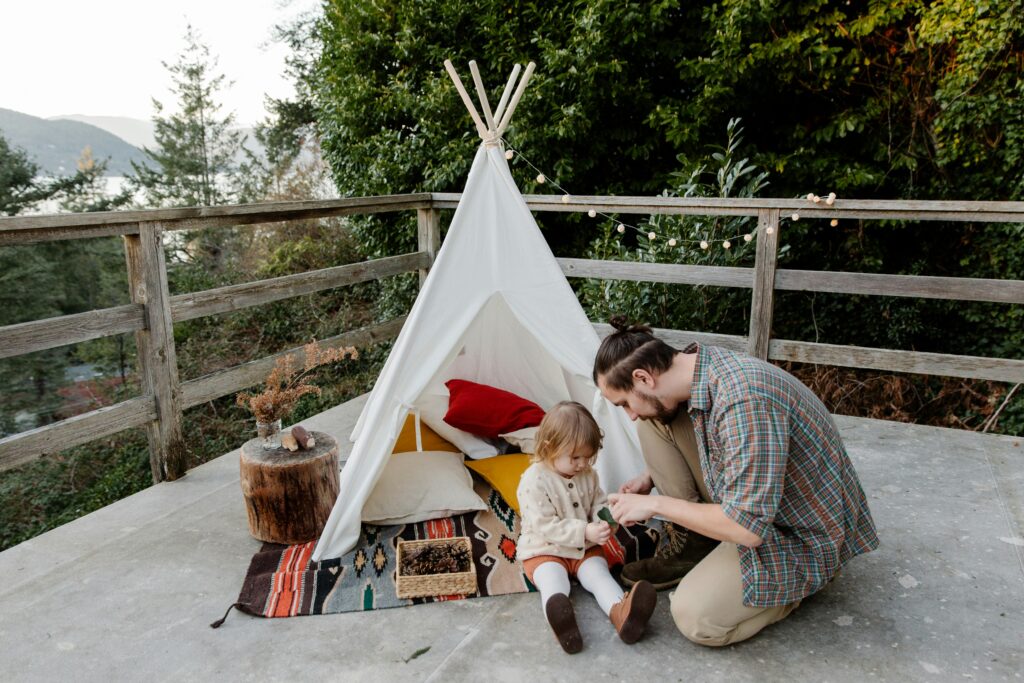
Can You Put an Outdoor Rug on a Concrete Patio?
Yes, you can place an outdoor rug on a concrete patio, but success depends on material selection, installation techniques, and ongoing maintenance. With the right rug and precautions, you can prevent slipping, surface damage, and mold growth while creating a comfortable and attractive outdoor space.
Choose the Right Rug Material
Selecting the correct material is the first step to a successful installation. Some practical options include:
- Polypropylene Rugs: Durable, water-resistant, and easy to clean, polypropylene rugs are ideal for areas exposed to rain or sun.
- Polyester Rugs: Fade-resistant and soft underfoot, polyester rugs are suitable for patios with moderate moisture exposure.
- Recycled Plastic Rugs: Environmentally friendly, resistant to mold, and easy to hose down, these rugs perform well on concrete.
- Avoid Natural Fibers: Jute, coir, and cotton rugs absorb water and degrade quickly in outdoor conditions, making them unsuitable for concrete patios.
When selecting a rug, also consider thickness and texture. Low-profile rugs reduce tripping hazards, while soft textures increase comfort underfoot.
Use a Non-Slip Pad
A non-slip pad is essential for safety and durability. Benefits include:
- Preventing the rug from sliding in wet or windy conditions.
- Protecting the concrete surface from scratches or abrasions.
- Allowing airflow to minimize moisture buildup and prevent mold.
Some non-slip pads are made specifically for outdoor use and can be cut to size, ensuring full coverage and maximum safety.
Ensure Proper Drainage
Concrete patios can retain water after rain or cleaning. To avoid issues:
- Elevate the rug slightly using a breathable rug pad.
- Choose rugs with perforated designs or mesh backing to allow water to pass through.
- Avoid placing rugs in areas prone to pooling water, such as near downspouts or low spots on the patio.
Proper drainage prevents mold, mildew, and a slippery surface while extending the life of your rug.
Regular Cleaning and Maintenance
Maintaining your outdoor rug ensures safety, hygiene, and longevity. Practical tips include:
- Shake out leaves and debris weekly to prevent buildup.
- Hose down the rug monthly to remove dirt and dust.
- Lift the rug occasionally to allow the concrete underneath to dry completely.
- Spot-clean stains immediately using mild soap and water.
- Store rugs indoors during extreme winter conditions to prevent cracking or moisture damage.
Style and Comfort Enhancements
Outdoor rugs can elevate the aesthetics of your concrete patio:
- Choose colors and patterns that complement patio furniture and plants.
- Layer rugs to define different seating or dining zones.
- Use cushions or poufs to add extra comfort and softness underfoot.
- Consider rugs with UV-resistant coatings to maintain vibrant colors over time.
These small adjustments create a more inviting and functional outdoor living space.
Tips for Installing an Outdoor Rug on Concrete
Proper installation maximizes safety, durability, and aesthetic appeal:
- Clean the Patio First: Sweep or hose down the concrete to remove dust, dirt, and debris. A clean surface ensures the rug lays flat.
- Select the Right Size: Measure the seating or dining area to choose a rug that fits comfortably without overlapping edges awkwardly.
- Add a Non-Slip Pad: Place an outdoor-specific pad underneath to prevent sliding and surface damage.
- Allow Airflow: Slightly lift rug corners after rain or cleaning to promote drying and prevent mold or mildew.
- Secure Edges in Windy Areas: Use outdoor rug tape, weighted corners, or clips to keep the rug in place.
- Test Placement: Walk across the rug to check for movement or uneven spots before arranging furniture.
Following these steps reduces risk, enhances comfort, and ensures a longer-lasting installation.

Common Mistakes to Avoid
Preventing mistakes ensures your rug and patio remain in good condition:
- Using indoor rugs outdoors, which can trap moisture and fade quickly.
- Skipping a non-slip pad, increasing the chance of slips or rug movement.
- Allowing debris to accumulate under the rug, promoting mold or staining.
- Placing rugs on uneven surfaces, creating tripping hazards.
- Neglecting regular cleaning and maintenance, which shortens the rug’s lifespan.
- Ignoring drainage needs, leading to pooling water and material degradation.
Being aware of these mistakes helps maintain safety, durability, and visual appeal.
You’ll find additional articles and guides on our outdoor expertise collection.
FAQs
Can I use any outdoor rug on concrete?
Not all outdoor rugs are suitable. Polypropylene or plastic-based rugs are best for concrete patios because they resist moisture, fading, and mildew. Natural fibers may deteriorate faster.
Do I need a rug pad under my outdoor rug?
Yes, a non-slip outdoor rug pad improves safety, prevents sliding, and protects the concrete from scratches or moisture damage.
How do I prevent mold under the rug?
Lift the rug occasionally to let the concrete dry, clean the patio regularly, and use a rug that allows drainage or airflow underneath.
Can outdoor rugs withstand rain and sun?
High-quality outdoor rugs are designed to resist UV fading and water damage, but proper placement and maintenance are essential for long-term durability.
How do I secure the rug on a windy patio?
Use non-slip pads, outdoor rug tape, or weights to prevent the rug from moving or flipping during strong winds.
Using the right rug material, non-slip backing, airflow, and proper maintenance ensures a safe, durable, and attractive patio space.
Conclusion
Placing an outdoor rug on a concrete patio is practical and stylish. By selecting suitable materials, using a non-slip pad, ensuring drainage, and maintaining the rug regularly, you can create a safe, comfortable, and visually appealing outdoor living area for years to come.