Table of Contents
Building outdoor stairs on a slope involves creating a stable, safe, and visually appealing pathway that connects different elevations in your yard or landscape.
Proper materials, precise measurements, and attention to slope and drainage ensure the stairs remain durable, functional, and attractive over time.
Find out what kind of fish can live in an outdoor pond?
This guide covers step-by-step instructions, practical tips, common mistakes to avoid, and design considerations to help you build outdoor stairs that meet both safety and aesthetic goals.
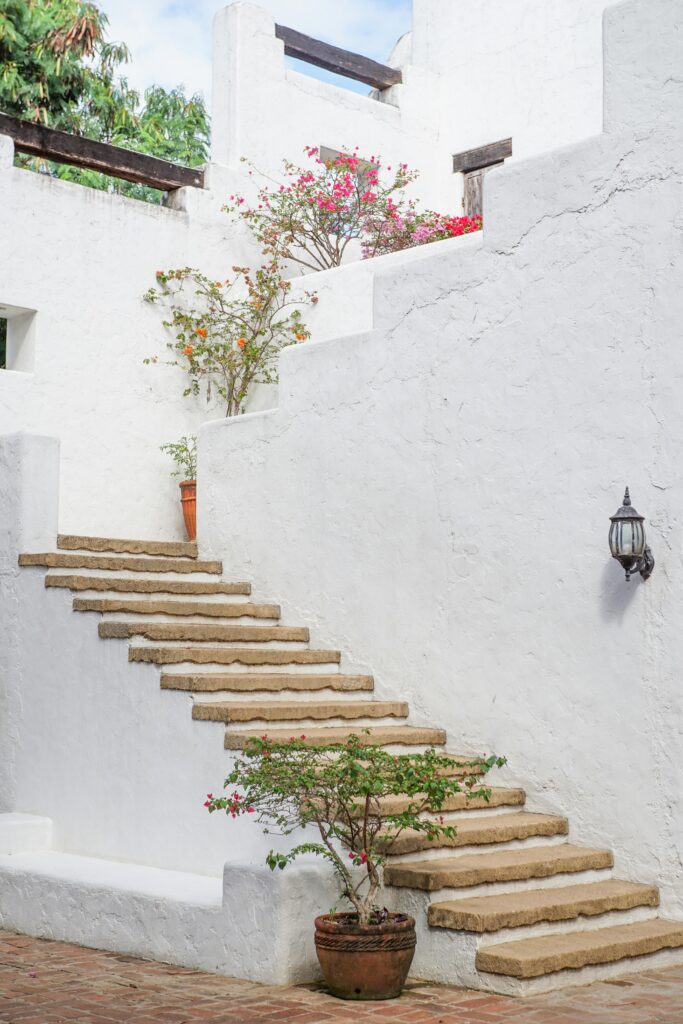
How to Build Outdoor Stairs on a Slope?
Constructing stairs on a slope requires careful planning, measurement, and material selection to ensure stability and longevity. The basic steps include assessing the slope, calculating the rise and run, preparing the site, building the stringers, installing treads, and securing the stairs against erosion.
Proper drainage, material choice, and reinforcement are essential to prevent shifting or damage over time.
Assessing the Slope and Measuring Dimensions
Before building stairs, evaluate the slope and determine how many steps you’ll need.
- Measure the vertical rise: Use a level or laser to measure the total height from the bottom to the top of the slope.
- Determine step height (riser): Standard risers are between 6 to 8 inches. Divide the total rise by the desired riser height to calculate the number of steps.
- Determine tread depth (run): Each tread should typically be 10 to 12 inches deep for safe footing.
- Slope consistency: Ensure the slope is even or account for adjustments in riser heights to maintain uniform steps.
Proper measurement ensures your stairs are safe, comfortable to climb, and compliant with basic ergonomic standards.
Choosing the Right Materials
Selecting durable, weather-resistant materials will prolong the life of your outdoor stairs.
- Wood: Pressure-treated lumber, cedar, or redwood are common choices for outdoor stairs. They are easy to cut and install but require sealing to prevent rot.
- Concrete: Provides maximum durability and can be molded to fit irregular slopes. Ideal for high-traffic areas.
- Stone or Pavers: Natural stone or concrete pavers offer a decorative finish and blend seamlessly with landscaping.
- Metal Supports: Steel brackets or risers can reinforce wooden or stone stairs on steep slopes.
Choosing materials suitable for your climate and slope ensures longevity and reduces maintenance over time.
Preparing the Site
Site preparation is critical for long-lasting stairs.
- Clear the area: Remove grass, roots, and debris along the planned stair path.
- Level the base: Excavate slightly to create a level foundation for the first step.
- Install drainage solutions: Use gravel or drainage pipes to prevent water accumulation that could erode the slope.
- Mark the layout: Use stakes and string to outline the stairway and ensure alignment.
A properly prepared site reduces the risk of shifting, settling, or structural failure.
Building the Stringers
Stringers support the steps and must be accurately cut and positioned.
- Cut stringers: Use treated lumber or metal stringers, ensuring each step matches your measured rise and run.
- Space stringers properly: For wooden stairs, use three stringers for stairs up to 4 feet wide; add more for wider stairs.
- Secure stringers: Attach the top to a stable platform or landing, and anchor the bottom with concrete or footings.
Stringers are the backbone of the stairs, and precise installation ensures the stairs remain level and sturdy.
Installing Treads and Risers
Once stringers are in place, you can install treads and risers.
- Attach risers: If using wood, cut each riser to fit snugly and attach with screws. For stone or concrete, ensure a stable base.
- Install treads: Lay the tread material securely on top of the stringers. Ensure each tread is level and extends slightly beyond the riser for safety.
- Check spacing: Maintain consistent spacing between risers and treads to avoid tripping hazards.
Accurate installation prevents uneven steps and creates a safe, comfortable stairway.
Securing Against Erosion
Sloped areas are prone to erosion, which can compromise stair stability.
- Use retaining walls: Add small retaining walls on each side of the stairway for extra support.
- Add gravel or compacted soil: Fill gaps and stabilize the surrounding area to reduce washout.
- Landscape integration: Plant ground cover or shrubs to anchor soil and enhance aesthetics.
Preventing erosion ensures your stairs remain functional and visually appealing over time.
For additional guides and expert recommendations, explore our outdoor insights.
Safety Considerations and Finishing Touches
Safety and finish details improve usability and longevity.
- Install handrails: Especially for slopes steeper than 6 inches per step, a sturdy handrail adds security.
- Non-slip surfaces: Consider textured treads, anti-slip strips, or treated wood to prevent slips.
- Lighting: Incorporate solar or low-voltage lights for evening visibility and safety.
- Regular maintenance: Inspect stairs periodically for rot, cracks, or shifting, and perform necessary repairs.
Safe, well-finished stairs provide reliable access and reduce liability risks.

Practical Tips for Success
Following these tips ensures your stair project is efficient and durable.
- Plan for a landing every 12–15 steps for long slopes.
- Pre-cut stringers for consistent rise and run.
- Use galvanized or stainless steel fasteners for longevity.
- Test each step for stability before finalizing installation.
- Consider local building codes and permits.
Adhering to these practical tips improves both the safety and aesthetic of your outdoor stairs.
FAQs
Here are some frequently asked questions about building outdoor stairs on a slope to clarify common concerns.
How deep should the treads be for outdoor slope stairs?
Treads should typically be 10–12 inches deep to provide safe and comfortable footing.
Can I build stairs on a steep slope without handrails?
For safety, handrails are strongly recommended on slopes steeper than 6 inches per step.
What is the best material for long-lasting outdoor stairs?
Concrete and stone are the most durable, while pressure-treated wood is cost-effective but requires regular maintenance.
How do I prevent stairs from eroding on a slope?
Install retaining walls, use compacted soil or gravel, and add ground cover or landscaping to stabilize the area.
Do I need a permit to build outdoor stairs on my property?
Permit requirements vary by location; always check local building codes before starting construction.
These FAQs provide quick answers to common questions and help ensure safe, effective construction.
Conclusion
Building outdoor stairs on a slope requires careful planning, precise measurements, and durable materials to create a safe and attractive pathway. Proper installation, drainage, and maintenance ensure long-lasting performance.