Outdoor ponds are vibrant ecosystems that can host a variety of fish, providing beauty, movement, and natural pest control.
The right pond fish not only survive seasonal temperature changes but also contribute to the pond’s ecological balance by controlling algae and insects.
This guide covers suitable fish species, their care requirements, compatible combinations, and practical tips to create a thriving outdoor pond environment.
What Kind of Fish can Live in an Outdoor Pond?
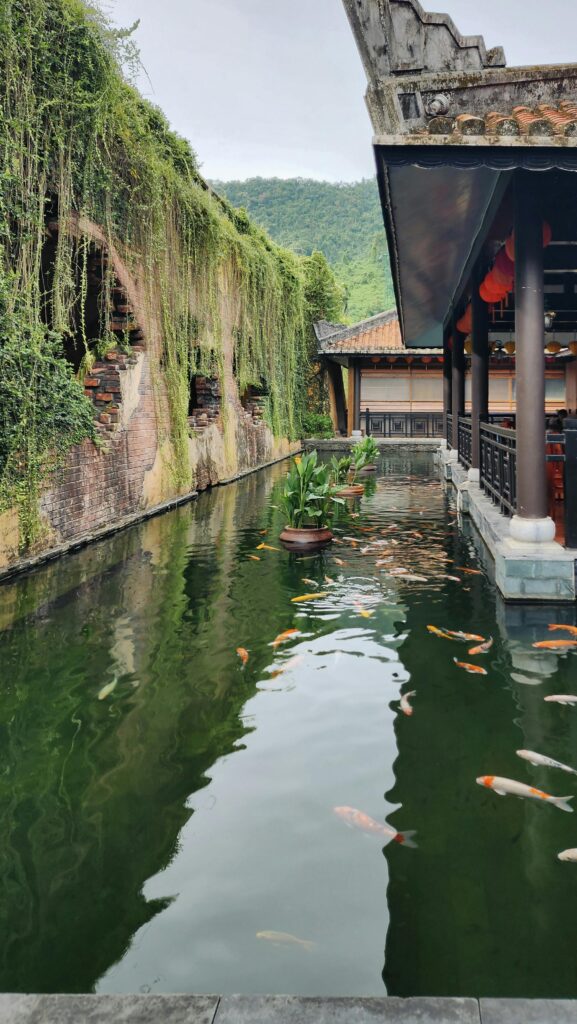
Outdoor ponds can accommodate a range of freshwater fish that tolerate temperature fluctuations, seasonal weather changes, and natural predators. Popular pond fish include ornamental species, hardy cold-water fish, and certain tropical varieties if temperature control is possible.
Selecting the appropriate species requires understanding pond size, climate, and water quality to ensure survival and long-term health.
Popular Cold-Water Fish For Outdoor Ponds
Cold-water fish thrive in ponds that may experience freezing temperatures or fluctuating seasonal changes.
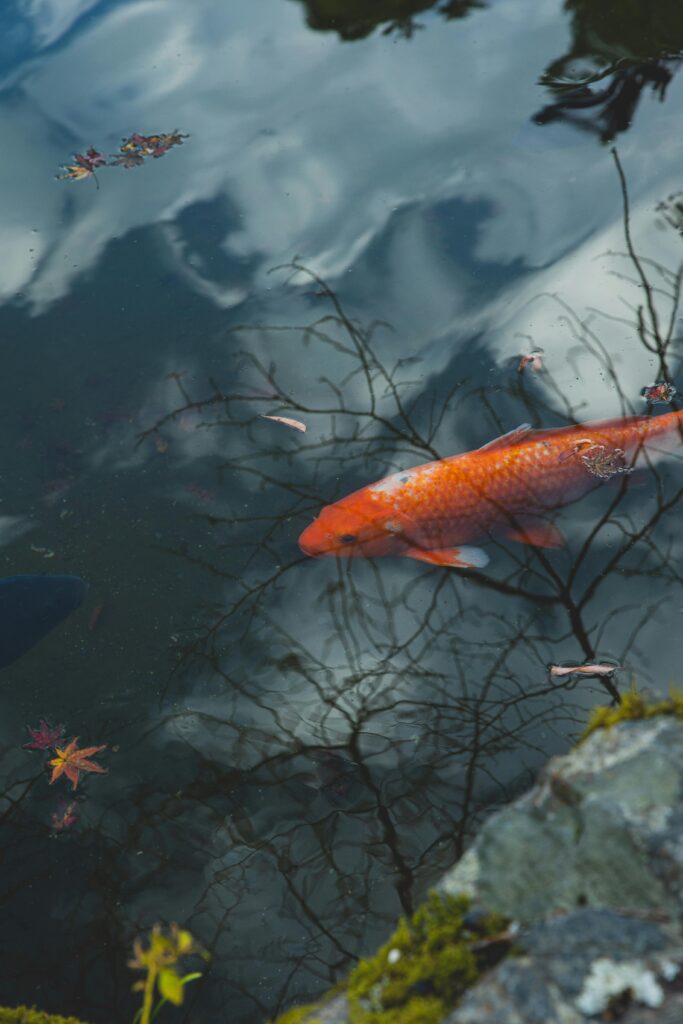
Koi and goldfish are classic examples of hardy, decorative fish suitable for outdoor ponds. They can tolerate a wide range of temperatures, making them ideal for ponds in temperate climates. Koi are social and grow relatively large, often becoming the centerpiece of the pond. Goldfish are smaller, prolific breeders, and versatile in smaller pond setups.
Other cold-water options include shubunkins, comet goldfish, and orfe. Shubunkins are colorful and resilient, while orfe are fast-swimming fish that help control insects. These species generally require aerated water, proper filtration, and occasional winter care, such as deeper sections to prevent freezing solid.
See how many outdoor lights can you string together?
Tropical Fish Options with Temperature Control
Tropical fish are less common in outdoor ponds because they require warmer water temperatures, typically above 65°F. Species like guppies, mollies, and platies can survive outdoors in mild climates or with heaters and pond covers during cooler months. Tropical fish are often appreciated for vibrant colors and small size, which complements other pond inhabitants.
Maintaining tropical species in an outdoor pond requires attentive temperature monitoring, additional filtration, and protection against predators. They are best suited for backyard ponds with partial shade, stable water conditions, and occasional supplemental feeding.
Fish Compatibility and Pond Ecosystem Balance
Creating a balanced pond ecosystem means carefully combining species that coexist without excessive aggression or competition. Avoid mixing large predatory fish with small ornamental species unless you have ample hiding spots and pond depth.
Herbivorous and omnivorous species help manage algae and insect populations. Koi, for instance, can stir up sediment if overfed, which may affect water clarity, while goldfish and shubunkins tend to nibble on algae and pond plants. Understanding the natural behaviors of each fish type helps prevent overpopulation, stress, and poor water quality.
Popular Pond Fish Species and Their Requirements
This table highlights popular pond fish species along with their specific care requirements to help you choose the right fish for a healthy, well-balanced pond.
| Fish Species | Temperature Range | Size | Diet | Compatibility |
|---|---|---|---|---|
| Koi | 35–85°F | 24–36 in | Omnivorous | High with goldfish; moderate with tropical fish |
| Goldfish | 40–80°F | 6–12 in | Omnivorous | High with koi and shubunkins |
| Shubunkin | 40–80°F | 6–12 in | Omnivorous | High with goldfish and koi |
| Orfe | 50–75°F | 12–24 in | Omnivorous | High with koi; avoid small fish |
| Guppies | 65–85°F | 1–2 in | Omnivorous | High with platies and mollies; low with koi |
This table helps pond owners quickly assess which species fit their climate, pond size, and desired pond ecosystem.
Practical Tips for Maintaining Pond Fish
Maintaining healthy pond fish requires attention to water quality, shelter, and seasonal care to ensure long-term survival and ecosystem balance.
- Ensure proper filtration and aeration to maintain oxygen levels, especially during hot summers and freezing winters.
- Regularly test water quality for pH, ammonia, nitrite, and other key parameters to prevent harmful conditions.
- Provide shelter and hiding spots using submerged plants, rocks, or decorative structures to protect fish from predators.
- Adjust feeding routines seasonally: feed cold-water fish less in cooler months and tropical species more consistently if temperatures drop.
- Monitor fish behavior and health, removing any sick or stressed fish promptly to prevent disease spread.
Following these practices ensures a balanced, safe, and thriving pond environment for all fish species.
Seasonal Fish Care Guidelines
Proper care for pond fish varies throughout the year, as temperature fluctuations and seasonal changes affect their behavior, feeding, and overall health. Understanding what actions to take in each season helps maintain a balanced ecosystem, prevent stress, and ensure your fish thrive year-round.
The following guidelines provide practical steps to support fish well-being during spring, summer, fall, and winter.
For additional guides and expert recommendations, explore our outdoor insights.
| Season | Key Actions |
|---|---|
| Spring | Clean pond, check filtration, gradually increase feeding |
| Summer | Ensure aeration, monitor temperature, prevent algae overgrowth |
| Fall | Reduce feeding, remove decaying leaves, prepare winter shelters |
| Winter | Deepen pond if possible, use pond heaters for tropical species, reduce feeding |
These seasonal care guidelines support healthy fish growth and longevity, helping pond owners maintain a balanced ecosystem year-round.
FAQs
Below are commonly asked questions to help pond owners make informed decisions about pond fish.
What is the best fish for a small outdoor pond?
Goldfish or small shubunkins are ideal for small ponds due to their manageable size and hardiness.
Can koi live with tropical fish in an outdoor pond?
Koi can coexist with tropical fish if the pond is large enough, has hiding spaces, and water temperatures are stable.
How many fish can I keep in a pond?
A general guideline is 1 inch of fish per 10 gallons of water, but consider filtration and plant coverage for optimal health.
Do pond fish need plants for survival?
Yes, aquatic plants provide oxygen, shelter, and natural filtration, improving fish health and water quality.
How do I protect outdoor pond fish from predators?
Use netting, floating plants, and deep areas for hiding. Overhangs or rocks also provide safe zones for fish.
These FAQs cover common concerns about fish selection, pond management, and predator protection.
Conclusion
Outdoor ponds can host a variety of fish, from hardy cold-water species like koi and goldfish to tropical species with temperature control. Understanding species compatibility, ecosystem balance, and seasonal care ensures a thriving, visually appealing pond environment.