Table of Contents
Cold winter weather can make spending time outdoors uncomfortable and even dangerous if your feet are not properly protected. Exposure to freezing temperatures, snow, and moisture can lead to numbness, frostbite, or long-term discomfort.
Keeping feet warm outdoors requires a combination of the right footwear, insulating socks, layering techniques, and proactive movement strategies.
This article provides practical steps, real-world examples, common mistakes to avoid, and detailed guidance for staying warm and safe in winter outdoor conditions.
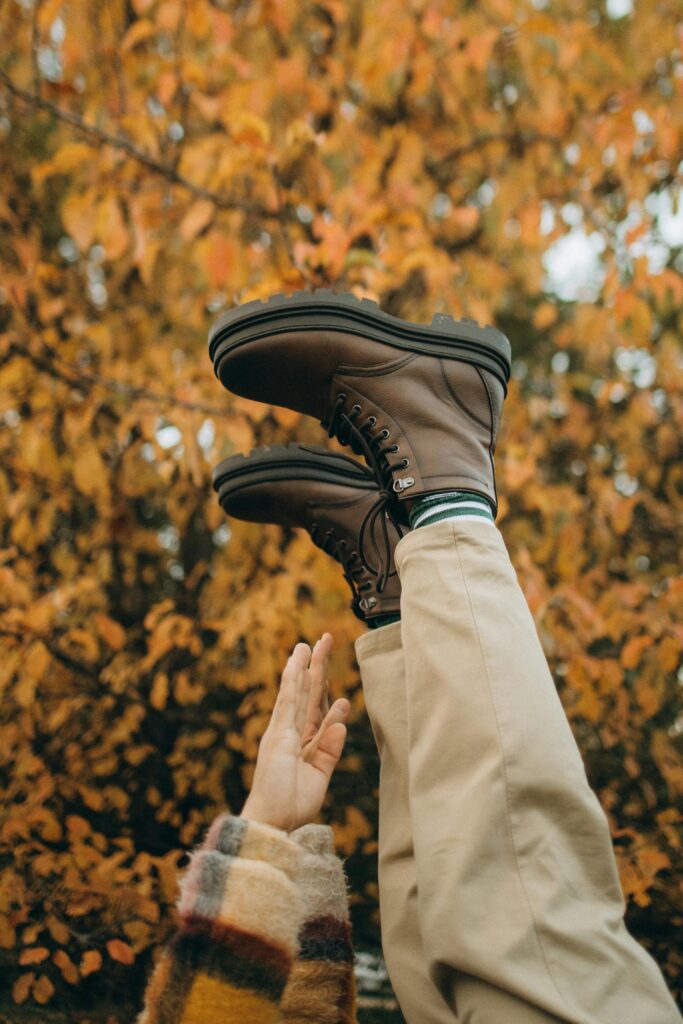
How to Keep Your Feet Warm Outdoors in Winter?
Maintaining warmth in your feet during winter outdoor activities is essential for comfort, circulation, and overall health. Proper preparation and equipment selection can make a significant difference.
Choose the Right Socks
Wearing the right socks is the first step to maintaining warmth and preventing moisture-related cold in your feet during winter.
- Material Matters: Wool and merino wool are ideal because they retain heat even when damp. Cotton should be avoided since it traps moisture and accelerates heat loss.
- Layering Socks: For extreme cold, wear a thin moisture-wicking liner sock under a thicker insulating sock. This layering traps warm air and keeps moisture away from the skin.
- Compression and Fit: Socks should fit snugly without restricting circulation. Too-tight socks can reduce blood flow, making feet colder.
Invest in Proper Footwear
Selecting the right footwear is crucial for keeping your feet warm, dry, and comfortable during winter outdoor activities.
- Insulated Boots: Boots with Thinsulate, down, or synthetic insulation help retain heat without adding bulk.
- Waterproofing: Waterproof boots prevent snow, ice, and slush from soaking your feet.
- Breathability: Even in cold conditions, breathable materials allow sweat to escape, preventing dampness and cold feet.
- Boot Height: Taller boots protect ankles and calves from cold wind and snow entry.
Keep Feet Dry
Moisture is a major cause of cold feet. Staying dry helps maintain warmth.
- Change wet socks immediately to avoid rapid heat loss.
- Use waterproof gaiters for deep snow or slushy areas.
- Sprinkle moisture-absorbing powders or liners inside boots to reduce dampness.
- Avoid standing in snow or puddles for extended periods.
Promote Circulation
Good blood circulation is critical to maintaining warmth.
- Wiggle your toes and move your feet regularly.
- Take short walks or perform simple exercises if standing still for long periods.
- Avoid tight footwear that restricts circulation.
- Keep knees and hips warm with layered clothing to support blood flow to extremities.
Use External Warmers
External warming solutions can provide an extra layer of heat, especially in extremely cold or prolonged outdoor conditions.
- Foot Warmers: Disposable or rechargeable heat packs can provide extra warmth in extremely cold conditions.
- Insulated Insoles: Wool or thermal insoles add a layer of insulation and comfort.
- Pre-Warmed Socks: In extreme cold, warming socks in a safe environment before wearing them can help maintain temperature longer.
By using foot warmers or insulated insoles strategically, you can maintain consistent warmth even in harsh winter conditions.
Find out what to wear to an outdoor memorial service?
Layer Clothing Beyond Feet
Keeping your legs and lower body insulated helps retain overall body heat, which directly supports warmth in your feet.
- Thermal leggings or insulated pants reduce overall heat loss and indirectly help keep feet warmer.
- Windproof and waterproof outer layers protect against cold drafts, snow, and moisture.
- Consider layered boots or boot covers in extreme cold conditions.
Proper layering beyond your feet ensures a holistic approach to warmth, reducing heat loss and enhancing comfort outdoors.
Maintain Awareness of Weather Conditions
Being mindful of temperature, wind, and precipitation helps you prepare effectively and prevent unnecessary heat loss.
- Check forecasts for temperature, wind chill, and precipitation.
- Plan activities during the warmest part of the day when possible.
- Be aware of snow, ice, or wet conditions that can accelerate heat loss.
By planning around weather conditions, you can adjust your gear and strategies to stay safe and warm outdoors.
Common Mistakes to Avoid
Even with the right gear, small errors can quickly lead to cold, uncomfortable feet. Recognizing common mistakes helps you prevent heat loss and stay safe outdoors.
- Wearing cotton socks, which trap moisture and make feet colder.
- Choosing boots that are too tight, restricting circulation.
- Ignoring wet footwear, leading to rapid heat loss and frostbite risk.
- Neglecting movement and circulation during long outdoor activities.
- Overheating indoors before going outside, causing sweat and subsequent chills.
- Using non-insulated or low-quality boots in extreme conditions.
Avoiding these mistakes ensures warmth, comfort, and safety.

Advanced Tips for Extreme Cold Conditions
For prolonged exposure to severe winter conditions, consider:
- Heated Boot Liners: Battery-powered liners provide consistent warmth for hours.
- Layered Footwear: Wear thin thermal liners inside insulated boots for maximum heat retention.
- Foot Rotation: If sitting outdoors for extended periods, alternate which feet bear weight to maintain circulation.
- Protecting Toes and Heels: Use extra padding or insulating toe caps in very low temperatures.
- Regular Check-Ins: Frequently check for numbness or color changes in toes, which could indicate frostbite risk.
Implementing these advanced strategies ensures maximum warmth and safety during prolonged exposure to harsh winter conditions.
For more outdoor tips and gear reviews, check out our latest guides.
FAQs
Here are some frequently asked questions about keeping feet warm outdoors in winter, covering best practices, common concerns, and expert tips.
What type of socks are best for winter outdoors?
Wool or merino wool socks are ideal because they retain heat even when damp. Avoid cotton. Layering a thin liner sock under a thicker insulating sock improves warmth.
Are insulated boots necessary in cold conditions?
Yes, insulated boots help maintain warmth without excessive layers. Look for synthetic or natural insulation like Thinsulate or down.
How can I keep feet dry in snow?
Use waterproof boots, gaiters, and moisture-wicking socks. Change wet socks promptly and consider foot powders or liners to absorb moisture.
Do foot warmers actually work?
Yes, disposable or rechargeable foot warmers provide extra heat in extremely cold conditions, especially during prolonged outdoor exposure.
Can movement help keep feet warm?
Absolutely. Wiggle toes, move around, and take short walks to encourage blood circulation and maintain warmth.
Proper socks, insulated waterproof boots, moisture management, circulation, and optional foot warmers are essential for keeping feet warm outdoors in winter.
Conclusion
Keeping your feet warm outdoors in winter requires proper socks, insulated and waterproof boots, moisture management, and circulation. Following these strategies ensures comfort, safety, and the ability to enjoy cold-weather outdoor activities without risk.