Outdoor curtains enhance privacy, shade, and comfort in patios, pergolas, gazebos, and porches, but wind can quickly turn them into a daily frustration.
Constant flapping, tangled panels, and stressed hardware not only look untidy but can shorten the lifespan of your curtains and outdoor structures.
Knowing how to control movement while still allowing airflow is the key to creating a calm, functional, and visually appealing outdoor space.
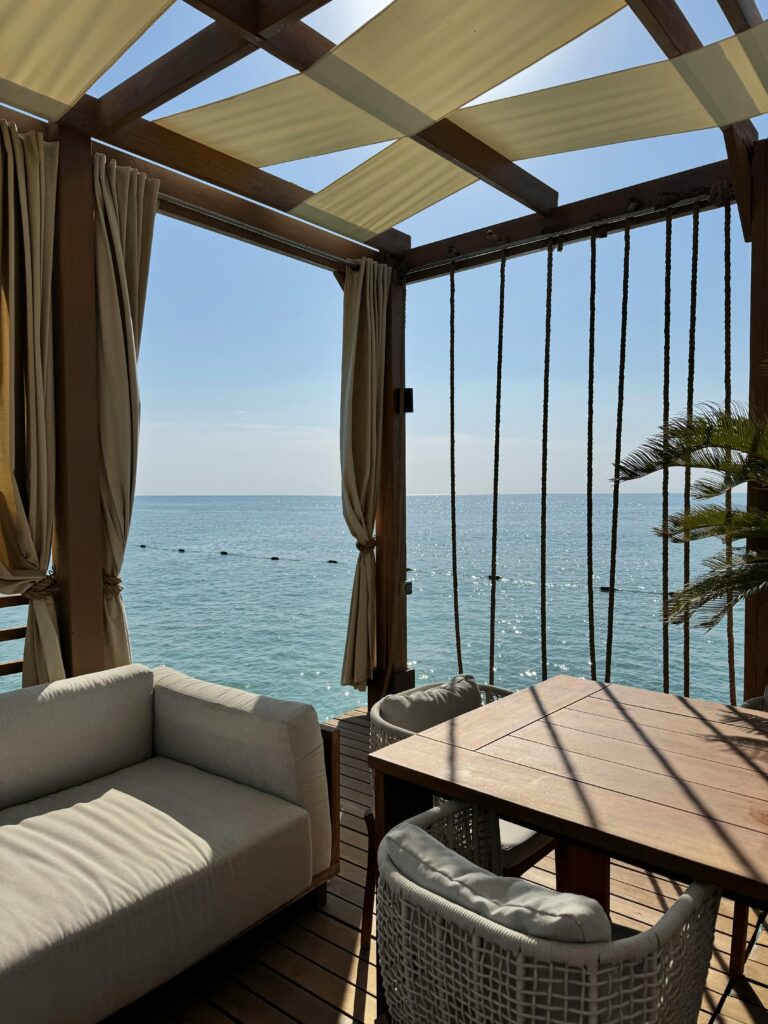
How to Keep Outdoor Curtains From Blowing in the Wind?
The most effective way to keep outdoor curtains from blowing in the wind is to secure them at the bottom and sides using weights, anchors, or tie-down systems, combined with heavier, outdoor-rated fabrics. In most environments, using more than one stabilization method provides the best long-term results, especially in areas exposed to frequent or sudden gusts.
Why Outdoor Curtains Blow So Much in Windy Areas?
Unlike indoor drapes, outdoor curtains are exposed to open air on all sides. Wind pressure builds behind the fabric, lifting and pushing it forward. The larger and lighter the curtain, the more dramatically it reacts to airflow.
Check out if Rieger Begonia is an indoor or indoor plant?
Key Factors That Increase Curtain Movement
Several environmental and installation factors make outdoor curtains more likely to blow around.
- Open patios, decks, and rooftop spaces experience stronger wind flow
- Lightweight or sheer fabrics trap air easily
- Single top-mounted rods allow free swinging
- Long panels act like sails during gusts
- Lack of bottom or side anchoring allows unrestricted movement
Understanding these causes helps you choose solutions that address the root problem rather than relying on temporary fixes.
Use Weighted Hems for Consistent Bottom Control
Adding weight to the bottom of outdoor curtains is one of the simplest and most reliable ways to reduce wind movement while keeping a clean, elegant look.
Built-In Weighted Curtain Hems
Many outdoor curtains are manufactured with sewn-in weights. These are ideal for mild to moderate wind conditions and require no additional setup. They help the fabric hang straight and reduce fluttering.
DIY Curtain Weight Options
If your curtains do not include weights, several effective do-it-yourself options are available.
- Sew small pockets and insert stainless steel washers
- Use removable outdoor drapery weights
- Conceal chain weights inside the hem
- Add sand-filled fabric tubes along the bottom edge
These methods add stability without altering the appearance of the curtains.
Secure Curtains With Tie-Downs and Anchors
In consistently windy locations, weights alone may not be enough. Anchoring curtains to fixed points adds another layer of control.
Ground Anchors and Tie Cords
Ground anchoring works well for gazebos and freestanding pergolas.
- Install ground stakes aligned with curtain corners
- Use outdoor-rated cords or elastic bungees
- Leave slight slack to prevent tearing in strong gusts
This approach keeps curtains steady while allowing limited movement.
Side Wall Anchors and Hooks
When curtains are installed near walls or posts, side anchoring is highly effective.
- Install discreet wall hooks or eye screws
- Use snap hooks, rope ties, or magnetic fasteners
- Secure curtains during windy periods or storms
Side anchors prevent curtains from billowing outward and twisting around supports.
Choose Heavier, Wind-Resistant Outdoor Fabrics
Fabric choice plays a major role in how curtains behave outdoors. Lightweight materials may look appealing but rarely perform well in wind.
Best Fabrics for Windy Environments
Certain materials naturally resist movement due to their weight and structure.
- Solution-dyed acrylic fabrics
- Heavy outdoor polyester blends
- Canvas-style outdoor drapery
- PVC-coated or weather-resistant textiles
These fabrics hang straighter and hold up better over time.
Fabrics to Avoid in Windy Areas
Some materials are more decorative than practical outdoors.
- Sheer voile or chiffon
- Thin cotton or linen blends
- Indoor curtains repurposed for outdoor use
Avoiding these fabrics significantly reduces constant adjustment and wear.
Install Double Curtain Rods or Bottom Tracks
Hardware upgrades can dramatically improve stability in exposed areas.
Double-Rod Systems
Installing a second rod at the bottom of the curtain adds strong anchoring.
- Secure the bottom rod parallel to the top rod
- Thread the curtain through both rods
- Maintain even tension across the panel
This method works especially well for pergolas and covered patios.
Curtain Tracks and Cable Systems
Track and cable systems provide controlled movement while limiting swing.
- Ceiling-mounted outdoor curtain tracks
- Stainless steel cable systems
- Sliding hooks with restricted range
These systems are ideal for modern outdoor designs and high-wind locations.
Use Outdoor Curtain Tiebacks Strategically
Tiebacks are not just decorative; they are practical tools for wind control when used correctly.
When and How to Use Tiebacks?
Tiebacks are best used during strong winds or when curtains are not needed.
- Secure curtains to posts or columns
- Use adjustable, outdoor-rated straps
- Position tiebacks at mid-height for balance
This prevents fabric strain and reduces stress on rods and anchors.
Magnetic and Snap Tiebacks
Modern tieback designs offer convenience and durability.
- Magnetic curtain clips for quick securing
- Snap-loop systems for consistent tension
- UV-resistant materials for outdoor longevity
These options make daily adjustments quick and effortless.
Browse our blog for expert insights on outdoor gear preservation, cleaning methods, and long-term care.
Common Mistakes to Avoid With Outdoor Curtains
Many wind-related issues stem from planning or installation mistakes rather than weather alone.
Mistakes That Reduce Curtain Performance
Avoid these common errors to extend curtain life.
- Using indoor curtains outdoors
- Ignoring prevailing wind direction
- Mounting rods without proper reinforcement
- Over-tightening anchors and stressing fabric
- Leaving curtains unsecured during storms
Correcting these mistakes improves safety, durability, and appearance.

Maintenance Tips to Keep Curtains Secure Long-Term
Regular care helps outdoor curtains perform better year after year.
Ongoing Care and Adjustments
Routine maintenance prevents small issues from becoming costly repairs.
- Inspect rods, anchors, and tiebacks monthly
- Re-tighten hardware after storms
- Clean fabric to prevent stiffness and mildew
- Replace worn weights or cords promptly
Consistent upkeep ensures your curtains remain secure, attractive, and functional.
Frequently Asked Questions
Here are some frequently asked questions about keeping outdoor curtains from blowing in the wind, with practical tips to help maintain a stable and attractive setup.
Can I use indoor curtain weights for outdoor curtains?
Indoor curtain weights are not recommended for outdoor use because they can rust, stain fabric, or degrade when exposed to moisture and UV light. Outdoor-rated stainless steel or coated weights are designed to withstand weather conditions and last longer.
Do outdoor curtains need to be removed during storms?
Yes, during severe storms or high winds, outdoor curtains should either be removed or securely tied back. This prevents fabric tearing, rod damage, and stress on anchors or mounting hardware.
Are grommet curtains better for windy patios?
Grommet curtains slide more smoothly and distribute weight evenly across the rod, which reduces strain. However, they still need weights or anchors to prevent excessive movement in windy environments.
How heavy should outdoor curtain weights be?
Most outdoor curtains perform well with a total of 1 to 2 pounds of weight per panel. Heavier or longer panels in high-wind areas may require additional weight or anchoring methods.
Do wind-resistant outdoor curtains still allow airflow?
Yes, properly stabilized outdoor curtains allow controlled airflow while preventing aggressive flapping. This creates a more comfortable outdoor space without completely blocking breezes.
These answers provide guidance on securing outdoor curtains effectively, ensuring they remain functional, stylish, and protected even in windy conditions.
Conclusion
Keeping outdoor curtains secure in windy conditions enhances both comfort and the longevity of your patio or porch setup. Using methods such as weighted hems, tiebacks, clips, or tension rods helps prevent flapping and potential damage while maintaining an attractive appearance.
By applying these practical solutions, you can enjoy a stylish, functional outdoor space without constantly adjusting or replacing your curtains.