An indoor TV is designed for controlled environments, while outdoor conditions introduce moisture, temperature swings, dust, and sunlight that can quickly damage electronics.
With the right protection methods, many homeowners successfully use standard televisions outside for patios, decks, and covered outdoor living spaces.
This article explains realistic ways to adapt an indoor TV for outdoor use, including enclosures, mounting strategies, weather protection, ventilation, power safety, and limitations to expect.
You’ll find additional articles and guides on our outdoor expertise collection.
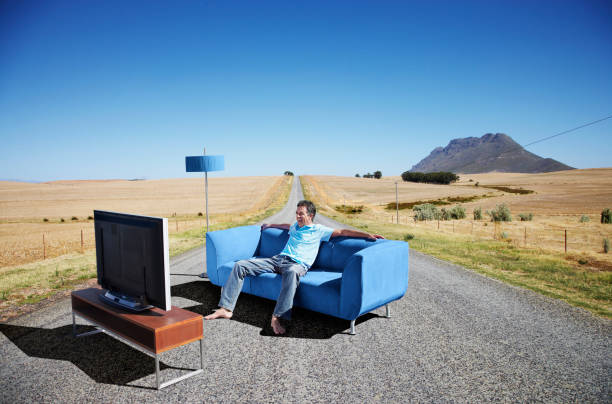
How to Make an Indoor TV an Outdoor TV?
You can make an indoor TV suitable for outdoor use by installing it inside a weatherproof enclosure, protecting it from direct rain and sunlight, ensuring proper ventilation, using outdoor-rated power connections, and limiting exposure to extreme temperatures. The goal is to reduce environmental stress rather than fully weatherproofing the TV itself.
Understand the Limitations of Indoor TVs Outdoors
Indoor TVs are not engineered to resist water, humidity, or temperature extremes. Their internal components, including circuit boards and backlighting systems, are sensitive to moisture and heat buildup.
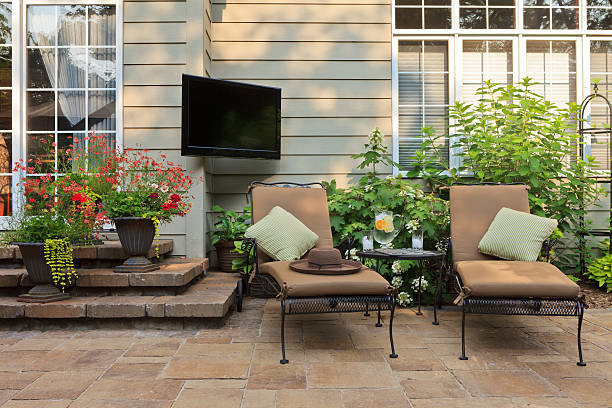
Using an indoor TV outdoors is best suited for covered or semi-protected spaces such as screened porches, pergolas with roofs, or patios with overhangs. Fully exposed installations significantly increase the risk of failure, even with added protection.
Choose the Right Location First
Location selection determines how much protection your TV will need. A well-chosen spot reduces exposure before any accessories are added.
Avoid areas where rain can blow sideways or where sprinklers may reach the screen. Placing the TV against an exterior wall under a roofline minimizes direct weather exposure. Also consider viewing angles, glare from sunlight, and proximity to power sources when selecting the mounting location.
See how to treat pallet wood for outdoor use?
Use a Weatherproof TV Enclosure
A weatherproof enclosure is the most effective way to convert an indoor TV for outdoor use. These enclosures create a sealed barrier between the TV and outdoor elements while allowing visibility and airflow.
The table below outlines enclosure features and their practical benefits.
| Enclosure Feature | Purpose | Why it Matters Outdoors |
|---|---|---|
| Weather-sealed cabinet | Blocks rain and humidity | Prevents internal corrosion |
| UV-resistant front panel | Reduces sun damage | Protects screen and color quality |
| Built-in ventilation | Controls heat buildup | Prevents overheating |
| Lockable design | Adds security | Protects against theft and tampering |
Quality enclosures are designed to balance protection and airflow, which is critical for electronics operating outdoors.
Proper Mounting and Structural Support
Mounting an outdoor TV requires more stability than indoor setups due to wind and vibration. The mounting surface should be solid, such as brick, concrete, or reinforced framing.
Outdoor-rated mounting brackets are preferred because they resist rust and corrosion. Ensure the mount supports the combined weight of the TV and enclosure. Leaving enough clearance behind the unit allows airflow and simplifies maintenance.
Managing Heat and Ventilation
Heat is one of the most overlooked risks when placing an indoor TV outdoors. Enclosures that trap heat can shorten component lifespan or cause sudden shutdowns.
Ventilation systems, such as built-in fans or passive vents, help regulate internal temperature. Avoid placing the TV in direct sunlight whenever possible, as glare reduces visibility and significantly increases internal heat levels.
Protect Against Moisture and Humidity
Even covered outdoor areas experience humidity fluctuations that can affect electronics over time. Moisture protection focuses on prevention rather than total sealing.
Silica gel packs or moisture absorbers inside the enclosure help control condensation. Ensuring tight seals around cable entry points prevents water intrusion during heavy rain or storms. Periodic inspection after severe weather helps identify early signs of moisture buildup.
Electrical and Power Safety Considerations
Outdoor electrical safety is critical when using electronics outside. Power sources must be properly rated and protected.
Before reviewing key precautions, it’s important to understand that outdoor electrical faults can damage both equipment and personal safety.
- Use GFCI-protected outlets
- Avoid extension cords not rated for outdoor use
- Route cables through sealed grommets
- Keep power connections elevated off the ground
Following these precautions reduces the risk of electrical damage and improves overall safety.
Audio and Accessory Protection
Outdoor environments also affect connected devices such as streaming boxes, soundbars, and cables. Many users overlook accessory protection when setting up an outdoor TV.
Placing accessories inside the same enclosure or using weatherproof accessory boxes keeps everything protected. Outdoor-rated HDMI and power cables resist UV damage and cracking better than standard indoor cables.
Maintenance and Seasonal Use Strategy
Routine maintenance extends the life of an indoor TV used outdoors. Dust, insects, and debris can accumulate inside enclosures over time.
A seasonal approach works best for many homeowners. During colder months or extended periods of non-use, removing the TV and storing it indoors reduces exposure to freezing temperatures and moisture. Periodic cleaning and inspection ensure ventilation systems remain functional.
Indoor TV vs True Outdoor TV Comparison
Understanding the differences helps set realistic expectations for performance and lifespan.
| Feature | Indoor TV Outdoors | Outdoor-Rated TV |
|---|---|---|
| Weather resistance | Requires enclosure | Built-in protection |
| Sunlight visibility | Limited | High brightness |
| Temperature tolerance | Narrow range | Wide operating range |
| Cost | Lower upfront | Higher initial investment |
| Longevity outdoors | Moderate | Long-term |
While converting an indoor TV is cost-effective, outdoor-rated TVs offer better durability and visibility in demanding environments.
When an Indoor TV is Not a Good Choice Outdoors?
Some situations make indoor TVs impractical outdoors regardless of protection. Fully exposed decks, areas with heavy rain, snow-prone climates, and locations with intense direct sunlight increase failure risk.
In these cases, investing in a purpose-built outdoor TV or relocating the setup to a more sheltered area is often the smarter long-term choice.
FAQs
Here are some frequently asked questions about using an indoor TV outdoors, with practical tips to help you protect and optimize your setup.
Can an indoor TV be used outside permanently?
It can be used long-term in covered areas with proper protection, but it is not designed for full exposure and may have a shorter lifespan than an outdoor-rated TV.
Do I need a special enclosure for an outdoor TV setup?
Yes, a weatherproof enclosure is the most important component when adapting an indoor TV for outdoor use.
Will heat damage an indoor TV outdoors?
Yes, excessive heat and direct sunlight can damage internal components if ventilation and shading are inadequate.
Is it safe to use a regular power outlet outdoors for a TV?
Only if the outlet is GFCI-protected and rated for outdoor use to prevent electrical hazards.
Can I leave my indoor TV outside during winter?
In cold climates, it’s safer to remove and store the TV indoors during winter to prevent damage from freezing temperatures.
These answers provide guidance on shielding, installation, and maintenance, ensuring your indoor TV performs well and remains safe in outdoor conditions.
Conclusion
Making an indoor TV suitable for outdoor use is possible with careful placement, a quality enclosure, proper ventilation, and electrical safety measures. While it won’t match a true outdoor TV’s durability, thoughtful protection can provide reliable outdoor viewing in covered spaces.