Decorating for the holidays can be challenging when your outdoor space lacks a dedicated electrical outlet.
Plugging in Christmas lights without outdoor power requires safe alternatives that still allow vibrant displays. Battery-operated lights, solar-powered options, and indoor extension cords are some effective solutions that provide flexibility, safety, and creative possibilities.
Learn how to keep ants out of outdoor cat food?
This article explores practical methods, setup tips, common mistakes, and safety considerations for a hassle-free holiday lighting experience.
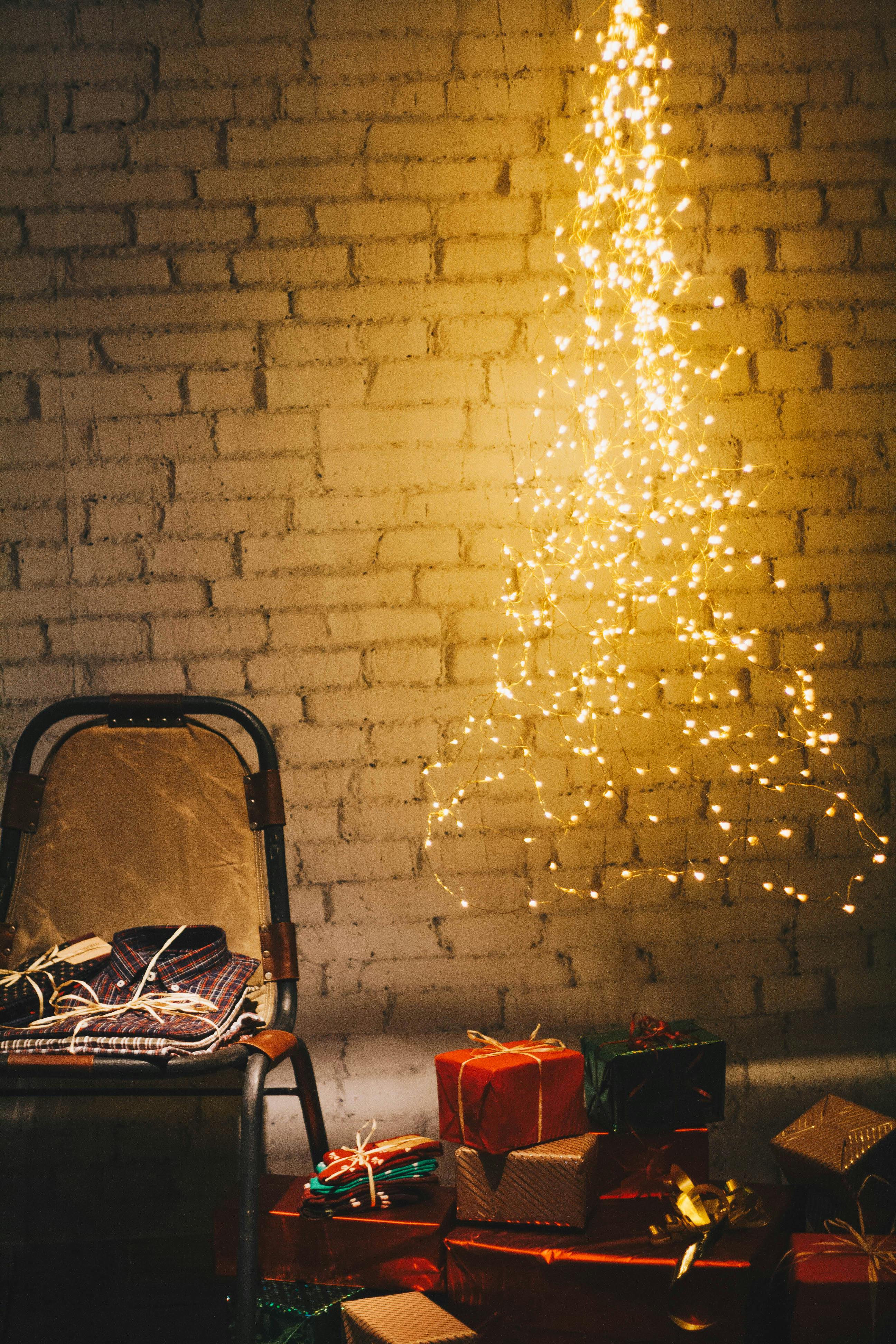
How to Plug-in Christmas Lights Without Outdoor Outlet
You can plug in Christmas lights without an outdoor outlet using safe alternatives that provide power and weather resistance. Options include battery-powered lights, solar lights, and indoor outlets with properly rated extension cords. Each solution has pros, cons, and ideal use cases, depending on your display size, location, and duration. Using these methods ensures your decorations are festive, safe, and reliable throughout the season.
Battery-Operated Christmas Lights
Battery-operated lights are a flexible solution when outdoor power is unavailable.
- Pros: Easy setup, portable, no cords required, suitable for small trees, wreaths, and garlands.
- Cons: Limited runtime depending on battery life; batteries need replacement or recharging.
- Best Use: Small outdoor trees, railing decorations, wreaths, and planters.
These lights are perfect for smaller setups where convenience and flexibility are essential, and they can be placed anywhere without worrying about cords.
Solar-Powered Christmas Lights
Solar lights harness sunlight to power decorations at night, eliminating the need for an outlet.
- Pros: Eco-friendly, cost-effective, no wiring needed, charges during the day.
- Cons: Dependence on sunlight; shaded areas may not get enough power.
- Best Use: Pathways, fences, gardens, and areas with direct sun exposure.
Solar lights are excellent for areas with plenty of sunlight and provide hassle-free illumination without running electrical cords.
Using Indoor Outlets With Extension Cords
Indoor outlets can safely power outdoor lights if proper equipment and precautions are used.
- Use outdoor-rated extension cords with proper insulation.
- Run cords through windows or doors carefully, avoiding pinching or damage.
- Keep connections off the ground and away from water.
- Use GFCI adapters to prevent electrical hazards.
With careful setup and outdoor-rated cords, indoor outlets provide a reliable and safe solution for powering more extensive light displays.
Timers and Smart Plugs
Timers and smart plugs make managing holiday lights easy without requiring constant attention.
- Turn lights on/off automatically.
- Reduce energy usage by preventing lights from running unnecessarily.
- Smart plugs allow remote control via Wi-Fi.
- Timers can be mechanical or digital for preset schedules.
Timers and smart plugs make your holiday lighting hassle-free, energy-efficient, and more convenient to manage.
Practical Tips for Decorating
Proper planning and safety precautions ensure your outdoor lighting display is both beautiful and safe.
Before installing lights, plan your layout, measure the distance to power sources, and consider the weather exposure. Use cable clips or hooks to secure cords neatly. Avoid overloading circuits and always inspect lights and cords for damage before use.
Following these practices prevents electrical hazards, protects your decorations, and ensures a polished, professional-looking display.
Common Mistakes to Avoid
Being aware of common errors keeps your lights safe and prevents damage.
Some typical mistakes include overloading extension cords, using indoor cords outdoors, leaving cords exposed to rain or snow, neglecting timers or smart plugs, and ignoring manufacturer instructions.
Avoiding these mistakes ensures your lights remain safe, reliable, and enjoyable throughout the holiday season.
For more outdoor tips and gear reviews, check out our latest guides.
Powering Christmas Lights Without Outdoor Outlets
Quick comparison of available solutions for outdoor lighting without outlets:
| Solution | Pros | Cons | Best Use |
|---|---|---|---|
| Battery-Operated Lights | Portable, no cords, easy setup | Limited runtime, battery replacement | Small trees, wreaths, planters |
| Solar-Powered Lights | Eco-friendly, automatic, no wiring | Sunlight dependent, shaded areas limited | Gardens, pathways, fences |
| Indoor Outlet + Extension | Can power large displays | Requires careful setup, cord safety | Rooflines, larger decorations, fences |
| Timers / Smart Plugs | Automates on/off, energy-efficient | Wi-Fi or programming may be needed | Any setup using battery, solar, or extension |
Each solution has specific advantages depending on display size, location, and convenience needs.
FAQs
Here are common questions about plugging in Christmas lights without an outdoor outlet:
Can I use indoor extension cords outside safely?
Yes, if you use outdoor-rated cords and keep connections dry. Avoid pinching cords in doors or windows, and consider GFCI adapters for added safety.
How long can battery-powered lights run?
Runtime depends on battery type and light quantity, typically 6–12 hours. Rechargeable batteries may extend usage.
Are solar Christmas lights reliable in winter?
Solar lights work best with direct sunlight. Winter days with limited sunlight may reduce brightness or runtime.
Can I combine solar and battery lights in one display?
Yes, but keep power sources separate. Use appropriate timers or switches to manage operation and avoid overloading circuits.
Should I use timers with battery or solar lights?
Yes, timers or smart plugs can optimize energy use and automate lights even if they are battery or solar-powered, enhancing convenience.
Conclusion
In conclusion, Christmas lights can be safely powered without outdoor outlets using battery, solar, or indoor extension solutions. Careful planning, proper cords, and automation options like timers or smart plugs ensure a festive display that is safe, flexible, and energy-efficient. Following best practices helps your decorations shine brightly throughout the holiday season.