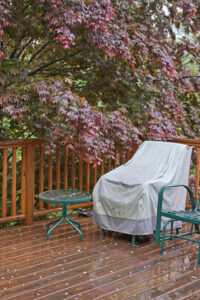
Wicker furniture preservation for outdoor use refers to the methods and maintenance practices that protect woven furniture from moisture, sunlight, temperature changes, and physical wear when placed outside.
Because wicker pieces rely on tightly woven strands over a frame, their durability depends heavily on how well those materials are shielded from environmental exposure.
This article explains how to preserve wicker furniture for outdoor use through proper material selection, routine cleaning, sealing, placement strategies, weather protection, and long-term maintenance, while also highlighting common mistakes and overlooked scenarios that shorten furniture lifespan.
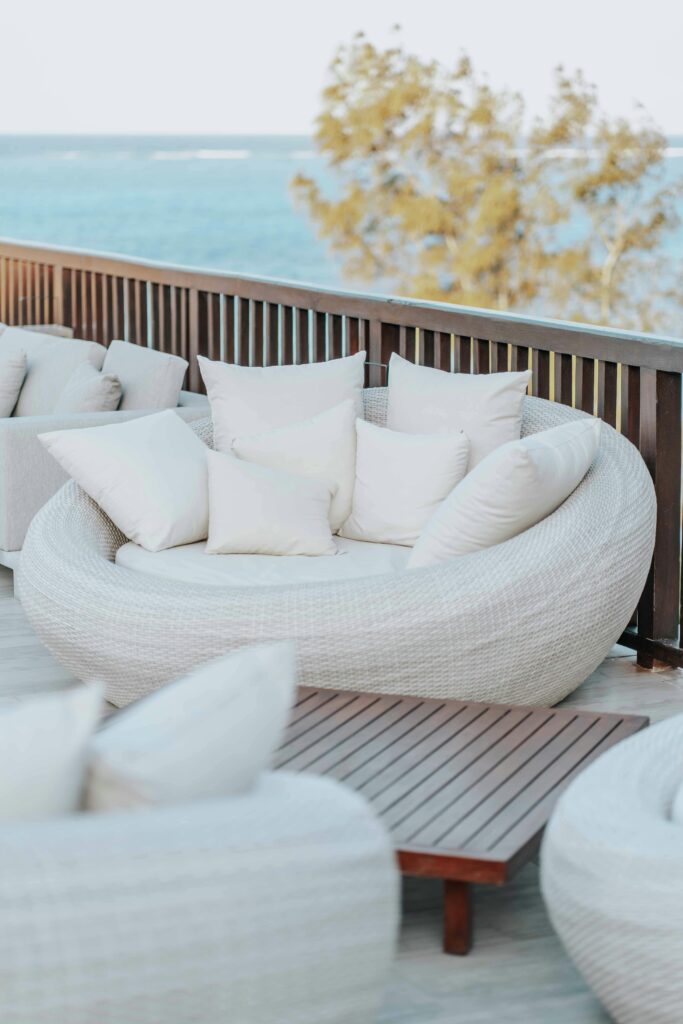
How to Preserve Wicker Furniture for Outdoor Use?
Preserving wicker furniture for outdoor use requires a combination of correct material care, consistent cleaning, protective treatments, and smart placement to minimize weather damage and structural stress over time.
Understand the Type of Wicker You Own
Before applying any preservation method, it is essential to understand what type of wicker furniture you have, as care requirements vary significantly.
Natural Wicker Materials
Natural wicker is typically made from plant-based fibers that are lightweight and breathable but more vulnerable outdoors.
- Often crafted from rattan, reed, bamboo, or willow
- Absorbs moisture easily, leading to swelling or cracking
- More sensitive to prolonged sun exposure and temperature changes
Natural wicker is best suited for covered patios or screened areas rather than fully exposed outdoor spaces.
Synthetic or Resin Wicker
Synthetic wicker is designed specifically for outdoor durability and requires less intensive preservation.
- Made from polyethylene or resin-based materials
- Resistant to moisture, mildew, and UV exposure
- Maintains shape and color longer in outdoor conditions
While synthetic wicker is more forgiving, it still benefits from regular maintenance to extend its lifespan.
Learn how to build an outdoor tv lift cabinet?
Clean Wicker Furniture Regularly and Correctly
Consistent cleaning prevents dirt buildup that can trap moisture and accelerate fiber breakdown. Proper cleaning keeps the weave intact and helps preservation treatments work more effectively.
Routine Cleaning Steps
Regular maintenance cleaning should be gentle and thorough.
- Remove loose dust and debris using a soft brush or vacuum with a brush attachment
- Mix mild soap with warm water for surface cleaning
- Use a soft cloth or sponge to wipe along the weave direction
- Rinse lightly with clean water, avoiding excessive soaking
After cleaning, allow the furniture to dry completely in a shaded, well-ventilated area.
Deep Cleaning When Needed
Occasional deep cleaning addresses mold or embedded grime.
- Use a soft toothbrush for tight crevices
- Add a small amount of vinegar to the cleaning solution for mildew control
- Avoid pressure washers, which can loosen fibers and joints
Thorough drying after deep cleaning is critical to prevent moisture retention.
Apply Protective Sealants and Finishes
Sealing wicker furniture is one of the most effective ways to preserve it for outdoor use. Protective finishes act as a barrier against moisture and UV damage.
Best Sealants for Wicker Furniture
Choosing the right sealant depends on the wicker material and finish.
- Clear polyurethane spray for moisture resistance
- Outdoor-grade varnish for natural wicker
- UV-resistant clear coats to reduce fading
Always test sealants on a small, hidden area before full application.
How to Seal Wicker Properly?
Correct application ensures even protection without clogging the weave.
- Clean and fully dry the furniture first
- Apply thin, even coats rather than one heavy layer
- Allow adequate drying time between coats
Reapply sealants annually or as signs of wear appear.
Protect Wicker from Sun and Weather Exposure
Environmental exposure is the primary cause of outdoor wicker deterioration. Reducing direct contact with sun, rain, and wind significantly improves longevity.
Smart Placement Strategies
Placement plays a major role in preservation.
- Position furniture under covered patios or pergolas
- Avoid direct ground contact to prevent moisture absorption
- Rotate pieces periodically to ensure even sun exposure
Shaded placement helps prevent fading and drying of fibers.
Use Furniture Covers Consistently
Protective covers are essential when furniture is not in use.
- Choose breathable, water-resistant covers
- Ensure proper ventilation to avoid trapped moisture
- Remove covers periodically to allow airflow
Consistent cover use dramatically slows weather-related damage.
Address Moisture and Humidity Challenges
Moisture is one of the most damaging elements for wicker furniture. Managing humidity prevents swelling, mold growth, and structural weakening.
Drainage and Airflow Considerations
Proper airflow helps wicker dry naturally after exposure.
- Elevate furniture slightly using protective feet
- Avoid placing wicker directly against walls
- Allow space between pieces for air circulation
These measures reduce prolonged dampness after rain or cleaning.
What to Do After Rain Exposure?
Quick action minimizes moisture damage.
- Wipe excess water immediately with a dry cloth
- Move furniture to a shaded, dry area
- Avoid using heat sources, which can cause cracking
Allow natural air drying whenever possible.
Perform Routine Inspections and Minor Repairs
Regular inspections help catch small issues before they become major problems. Early intervention extends the usable life of wicker furniture.
What to Look For During Inspections?
Routine checks should focus on structural integrity.
- Loose or broken weave strands
- Cracked finishes or peeling sealant
- Wobbly legs or weakened joints
Addressing these early prevents further deterioration.
Simple Repair Techniques
Minor repairs can be done without professional tools.
- Reattach loose strands with outdoor-grade adhesive
- Touch up finishes with matching sealant
- Tighten screws or fasteners in framed pieces
Prompt repairs maintain both appearance and functionality.
For more outdoor tips and gear reviews, check out our latest guides.
Avoid Common Mistakes That Shorten Wicker Lifespan
Certain practices unintentionally accelerate wicker damage.
Being aware of these mistakes helps preserve furniture more effectively.
Practices to Avoid
Many preservation issues result from improper handling.
- Leaving wicker uncovered during storms
- Using harsh chemicals or abrasive brushes
- Allowing prolonged water pooling on surfaces
Avoiding these habits significantly reduces wear and tear.
Seasonal Storage Errors
Improper storage can undo months of good maintenance.
- Storing wicker in damp basements or garages
- Wrapping furniture tightly in plastic without ventilation
- Failing to clean before long-term storage
Dry, climate-controlled storage is always preferred.

Compare Preservation Needs by Climate
Climate conditions play a major role in how wicker furniture ages outdoors, making it important to adjust preservation methods based on local weather patterns and environmental stressors.
| Climate Type | Primary Risks to Wicker Furniture | Key Preservation Focus | Recommended Care Actions |
|---|---|---|---|
| Hot and Sunny Regions | UV fading, fiber drying, brittleness, finish cracking | Sun and heat protection | Use UV-resistant sealants, place furniture in shaded areas, rotate pieces for even exposure, inspect finishes frequently |
| Humid or Rainy Areas | Moisture absorption, mold growth, mildew, structural weakening | Moisture control and airflow | Elevate furniture, ensure proper drainage, clean mildew promptly, use breathable covers with ventilation |
| Cold or Seasonal Climates | Freeze–thaw damage, fiber cracking, frame stress | Seasonal protection and storage | Store furniture indoors during winter, clean and reseal before storage, avoid exposure to snow and ice |
| Coastal or Salty Environments | Salt buildup, corrosion of frames, accelerated wear | Corrosion and residue prevention | Rinse regularly with fresh water, dry thoroughly, inspect frames and joints, apply protective coatings |
| Dry or Desert Climates | Excessive drying, brittleness, color fading | Fiber hydration and UV shielding | Limit direct sun exposure, apply protective finishes, clean gently to avoid further drying |
By tailoring wicker furniture care to the specific climate it is exposed to, you can significantly reduce damage, maintain structural integrity, and extend its usable outdoor lifespan.
Frequently Asked Questions About Preserving Wicker Furniture
The following FAQs address common concerns and questions related to outdoor wicker care.
Can natural wicker furniture be used outdoors permanently?
Natural wicker is not ideal for permanent outdoor exposure because it absorbs moisture and degrades faster. It performs best in covered or partially enclosed outdoor areas with regular maintenance.
How often should wicker furniture be sealed?
Most wicker furniture should be resealed once a year, or sooner if the finish shows signs of wear, cracking, or fading from sun exposure.
Is synthetic wicker completely weatherproof?
Synthetic wicker is more weather-resistant than natural wicker but not entirely maintenance-free. Regular cleaning and protection still help extend its lifespan.
Can I leave wicker furniture outside during winter?
Leaving wicker furniture outside during winter is not recommended, especially in freezing climates. Indoor or dry, covered storage prevents cracking and structural damage.
What is the best way to prevent mold on wicker furniture?
Prevent mold by keeping wicker clean, dry, and well-ventilated. Promptly drying after rain and using breathable covers helps reduce mildew growth.
Taking these steps and understanding material limitations makes preserving wicker furniture for outdoor use far more effective and predictable.
Conclusion
Preserving wicker furniture for outdoor use depends on proper cleaning, protective sealing, smart placement, and climate-aware maintenance to prevent moisture, sun, and structural damage while extending overall durability.