Table of Contents
Adding lights to a large outdoor tree can instantly elevate your outdoor space, whether you are decorating for the holidays, hosting evening gatherings, or enhancing year-round landscape lighting.
Because of the tree’s size, height, and exposure to weather, this project requires more than simply wrapping a few strings around branches.
With proper planning, the right materials, and a structured approach, you can achieve a balanced, professional-looking result that is safe, durable, and visually striking.
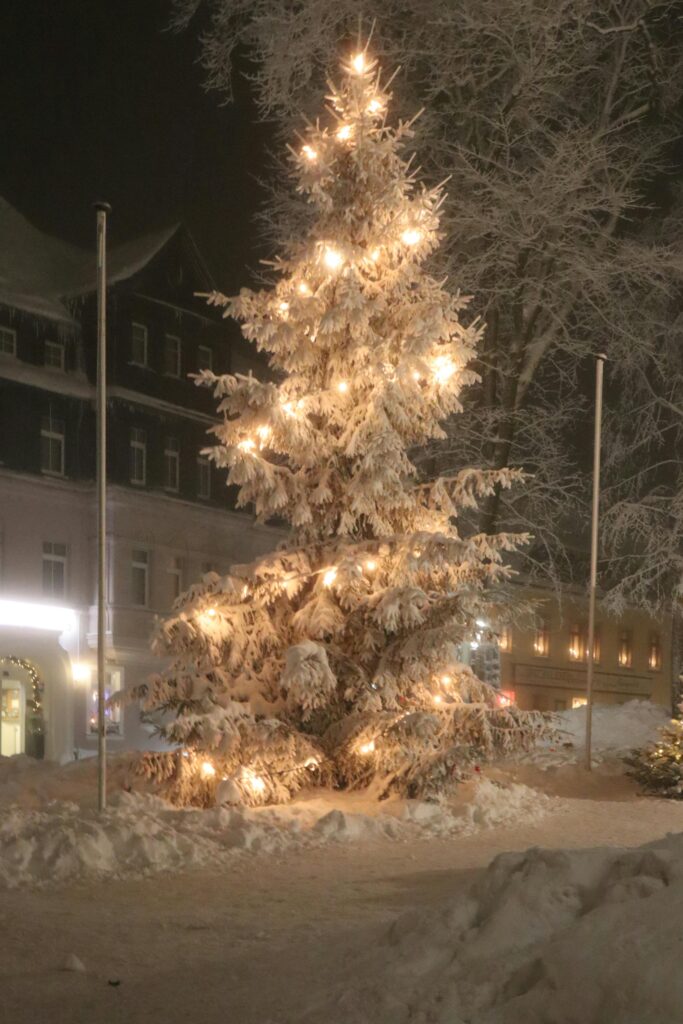
How to Put Lights on a Large Outdoor Tree?
The best way to put lights on a large outdoor tree is to plan the lighting pattern in advance, use outdoor-rated LED lights, start wrapping from the trunk or base upward, secure lights evenly along major branches, and connect everything using weatherproof power sources while following ladder and electrical safety practices.
Plan the Lighting Style and Coverage Area
Before you begin, it is important to decide how you want the tree to look once it is lit. Large trees offer multiple lighting options, and clarity at this stage will save time and prevent uneven results.
Some people prefer a minimalist look by lighting only the trunk and main branches, which creates a soft glow and highlights the tree’s structure. Others aim for a full, dramatic appearance by wrapping lights throughout the canopy, making the entire tree visible from a distance.
Also consider where viewers will see the tree from. If the tree faces the street, focus more lights on the outward-facing side. If it stands in an open yard, plan for even coverage around the entire tree for a balanced look from all angles.
Choose the Right Lights for Outdoor Use
Using the correct type of lights is essential for both safety and performance. Large outdoor trees should only be decorated with lights specifically rated for exterior use.
Outdoor LED string lights are the most practical option because they consume less electricity, stay cool, and allow you to connect multiple strands together without overloading circuits. This is especially important when lighting tall or wide trees that require long runs of lights.
When selecting bulb size, smaller mini lights provide dense coverage and a refined appearance, while larger bulbs offer a bold visual impact that stands out from a distance. Choose a bulb size that matches the scale of the tree so the lights neither disappear nor overwhelm the natural shape.
Learn how to power outdoor lights without an outlet?
Measure the Tree to Estimate Light Quantity
Accurately estimating the number of lights needed is a crucial step that many people overlook. Large trees almost always require more lights than expected.
Measure the approximate height of the tree and count the main branches you plan to wrap. A common guideline is to use about 100 lights for every 1.5 feet of tree height for full coverage, or 50 lights per 1.5 feet for a lighter look. For trees with wide canopies or thick branches, add extra strands to account for additional wrapping distance.
It is better to have extra lights than to run short halfway through the project, especially once lights are already installed.
Gather Tools and Safety Equipment
Lighting a large outdoor tree often involves working at height, so preparation is key. Having the right tools nearby reduces risk and makes the process more efficient.
Before starting, make sure you have a sturdy outdoor-rated ladder, heavy-duty extension cords, weatherproof timers or smart plugs, and tree-safe clips or zip ties designed for outdoor lighting. Gloves with good grip can protect your hands from rough bark and cold weather.
For very tall trees, a light-hanging pole with a hook attachment can help place lights on higher branches without excessive climbing.
Start From the Trunk or Base of the Tree
Beginning at the base of the tree creates a strong foundation for your lighting design. This approach also helps distribute light evenly and makes cable management easier.
Wrap the lights evenly around the trunk, keeping consistent spacing to avoid dark gaps. Once the trunk is complete, move outward along each main branch, wrapping from the base toward the tips. This method draws the eye naturally upward and outward, enhancing the tree’s overall shape.
Avoid pulling lights too tightly around branches, as trees move with wind and growth. Leave enough slack to prevent damage to both the tree and the lights.
For more outdoor tips and gear reviews, check out our latest guides.
Work Upward and Outward in Sections
Breaking the tree into sections makes the process more manageable and reduces mistakes. Focus on completing one area at a time before moving on.
Start with the lowest branches and gradually work your way upward, ensuring each section looks balanced before proceeding. Step back occasionally to check spacing and symmetry from a distance, making adjustments as needed.
This gradual approach helps maintain even coverage and prevents overcrowding lights in one area while leaving others too sparse.
Secure Lights Without Damaging the Tree
Properly securing lights is important for both appearance and tree health. Using the wrong fasteners can damage bark and restrict growth.
Use tree-safe clips or soft zip ties designed for outdoor lighting. These hold lights in place without cutting into the bark. Avoid nails, staples, or tight wires, as they can harm the tree and create safety hazards.
Secure lights at intervals that keep them in position during wind and weather while still allowing natural movement.
Connect Power Sources Safely Outdoors
Electrical safety is especially important when working outdoors. All connections should be protected from moisture and exposure.
Use outdoor-rated extension cords and plug them into GFCI-protected outlets. Elevate connections off the ground when possible and use weatherproof covers to protect plugs from rain and snow.
Timers or smart plugs can automate lighting schedules, ensuring consistent use while saving energy and extending the life of your lights.
Test the Lights Before and After Installation
Testing lights before installation prevents wasted effort and frustration. Plug in each strand to ensure all bulbs are working properly.
After installation, test the entire setup at night to confirm even brightness and identify any dark spots. Make small adjustments to spacing or placement as needed to achieve a polished look.
Regular testing also helps catch issues early, such as loose connections or damaged strands.
Common Mistakes to Avoid When Lighting Large Trees
Lighting a large outdoor tree can go wrong without careful attention. Being aware of common mistakes helps ensure a successful outcome.
Some frequent errors include underestimating the number of lights needed, using indoor-rated lights outdoors, clustering lights too tightly in one area, and ignoring safety precautions when working at height. Another common issue is failing to plan the power source in advance, resulting in visible cords or unsafe connections.
Avoiding these mistakes leads to a cleaner, safer, and more visually appealing result.

Maintaining Outdoor Tree Lights Over Time
Once the lights are installed, ongoing maintenance keeps them looking great season after season.
Check lights periodically for loose strands, damaged bulbs, or exposed wiring, especially after storms. Replace faulty sections promptly to maintain safety and appearance.
When removing lights, store them carefully by wrapping strands loosely to prevent tangling and damage, making future installations easier.
Key Takeaways
Lighting a large outdoor tree is much easier and safer when you approach it with a clear plan and the right materials in place before you start.
- Plan the lighting design in advance based on the tree’s size, shape, and viewing angles
- Use only outdoor-rated LED lights to ensure safety, durability, and energy efficiency
- Start wrapping lights from the trunk or base and work upward and outward for even coverage
- Secure lights with tree-safe clips or ties to avoid damaging bark or restricting growth
- Use GFCI outlets, outdoor extension cords, and weatherproof covers for all power connections
- Test lights before and after installation to catch issues early and fine-tune spacing
By following these principles, you can create a balanced, professional-looking lighting display that enhances your outdoor space while protecting both the tree and your electrical setup.
Frequently Asked Questions
Here are some frequently asked questions about putting lights on large outdoor trees, with practical tips to help you achieve a safe and visually appealing setup.
How many lights do I need for a large outdoor tree?
The number of lights depends on the tree’s height and desired coverage, but a common estimate is 50 to 100 lights per 1.5 feet of height, with additional strands for wide canopies.
Can I use indoor string lights on an outdoor tree?
Indoor string lights should not be used outdoors, as they are not designed to withstand moisture, temperature changes, or exposure to the elements.
Is it safe to wrap lights tightly around branches?
Lights should be wrapped securely but not tightly, allowing room for branch movement and growth to avoid damage.
What is the safest way to light a very tall tree?
For very tall trees, use a combination of ladders, light-hanging poles, and professional-grade equipment, and avoid climbing higher than recommended ladder limits.
Can outdoor tree lights be left on all year?
Yes, if the lights are rated for year-round outdoor use, but regular inspections are necessary to ensure wiring and connections remain safe.
These answers provide guidance on installation techniques, safety measures, and best practices to help you create a beautifully lit outdoor tree with minimal effort and maximum impact.
Conclusion
Putting lights on a large outdoor tree requires planning, the right equipment, and careful installation to ensure safety and a stunning visual effect. Using ladders, extension cords, and secure attachment methods allows you to illuminate the tree evenly while preventing damage or hazards. By following proper techniques, you can create a festive, long-lasting display that enhances your outdoor space and can be enjoyed season after season.