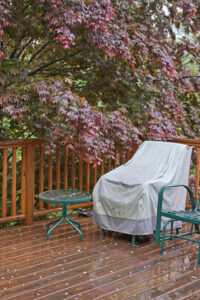
Rattan furniture offers a timeless aesthetic and lightweight durability, making it a popular choice for patios, decks, and garden seating.
However, when exposed to sun, rain, and humidity, untreated rattan can crack, fade, or deteriorate. Sealing rattan furniture provides a protective barrier against moisture, UV damage, and dirt while enhancing its lifespan.
This guide covers all essential steps, materials, and maintenance tips for effectively sealing rattan furniture for outdoor use.
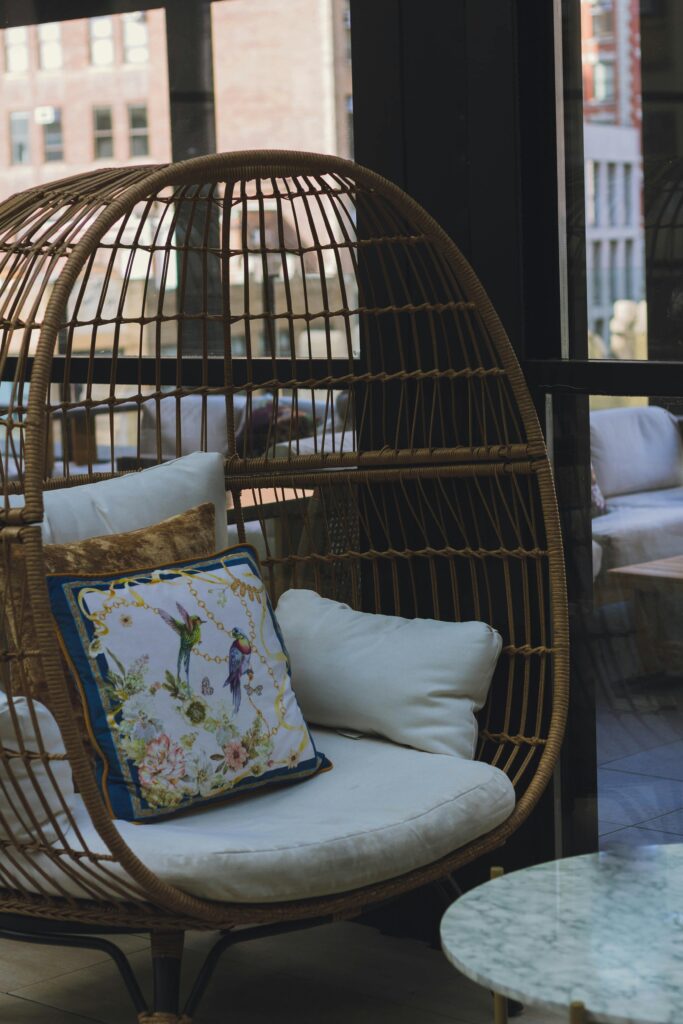
How to Seal Rattan Furniture for Outdoor Use?
Sealing rattan furniture involves a series of steps designed to protect fibers from moisture, sunlight, and outdoor wear. Start with thorough cleaning, followed by sanding any rough spots, applying a protective sealant, and finishing with a weatherproof coating.
Properly sealed rattan resists water absorption, reduces fading, and maintains structural integrity, ensuring your outdoor furniture stays beautiful and functional for years.
Find out how long does outdoor voices take to ship?
Cleaning and Preparing Rattan Furniture
Before applying any sealant, it’s crucial to clean the rattan thoroughly. Dirt, dust, and mildew can interfere with adhesion and reduce the effectiveness of protective coatings. Use a soft brush or vacuum to remove loose debris.
A mild soap solution with water helps remove grime, while a damp cloth can wipe down the furniture without saturating the fibers. Allow the rattan to dry completely in a shaded area before proceeding.
Cleaning Materials
Following these cleaning steps ensures that the rattan surface is properly prepared for a smooth and long-lasting sealant application.
| Material | Purpose | Notes |
|---|---|---|
| Soft-bristle brush | Remove dust and debris | Avoid metal brushes that can scratch |
| Mild soap | Deep cleaning | Dilute in water for gentle cleaning |
| Damp cloth | Wipe surfaces | Prevents over-saturating fibers |
| Vacuum with brush attachment | Reach crevices and woven areas | Helps remove trapped dust and dirt |
| Dry shaded area | Dry furniture after cleaning | Avoid direct sun which can warp fibers |
This table ensures all cleaning steps are covered to prepare the rattan for sealing.
Choosing the Right Sealant
Not all sealants are suitable for rattan. Look for clear polyurethane, marine varnish, or outdoor-rated spray sealantsdesigned to resist UV rays and moisture. Avoid indoor-only varnishes or coatings that are not flexible, as rattan fibers expand and contract with weather changes.
Choosing the right sealant enhances longevity, appearance, and resistance to cracking or peeling.
Planning Checklist
Before sealing, check these factors:
- Ensure the furniture is completely dry before application
- Decide between brush-on or spray-on sealants depending on coverage needs
- Test sealant on a small, inconspicuous area first
- Prepare a well-ventilated workspace for safety and drying
- Gather protective gear: gloves, mask, and drop cloths
Proper planning prevents mistakes and ensures smooth, uniform coverage.
Sanding and Surface Preparation
Light sanding removes rough patches and opens the fiber surface, allowing the sealant to adhere effectively. Use fine-grit sandpaper (180–220 grit) and sand lightly along the grain. Avoid aggressive sanding, which can damage woven areas. Clean off dust with a brush or cloth before applying the sealant.
For regular updates and gear recommendations, see our articles and guides section.
Sealant Application Techniques
Choosing the correct application technique and allowing adequate drying time ensures even coverage and maximizes the protective benefits of the sealant.
| Technique | Method | Notes |
|---|---|---|
| Brush-on Sealant | Apply thin layers with a natural bristle brush | Ideal for detailed or woven areas |
| Spray Sealant | Hold can 8–12 inches from surface | Ensures even coverage on complex shapes |
| Multiple Coats | 2–3 thin coats | Allow each coat to dry before next |
| Drying Time | 4–6 hours per coat (varies by product) | Avoid handling furniture until fully dry |
| Ventilation | Work outdoors or in ventilated area | Prevents fumes and improves curing |
This table helps choose the right application method for your outdoor rattan furniture.
Safety Tips
When sealing rattan furniture, consider these safety measures:
- Wear gloves and a mask to protect from chemicals and fumes
- Work in a well-ventilated area or outdoors
- Keep children and pets away from wet sealant
- Avoid open flames near flammable sealants
- Clean spills immediately to prevent staining
Safety precautions reduce health risks and prevent damage during sealing.
Drying and Curing
After applying the sealant, allow furniture to cure completely before using outdoors. Drying times vary by product but typically range from 24–48 hours per coat. Avoid direct sunlight during curing to prevent bubbling or uneven drying. Once fully cured, the furniture is ready for exposure to outdoor conditions.
Maintenance Tips
To keep sealed rattan furniture in top condition:
- Clean regularly with a soft brush or damp cloth
- Reapply sealant every 1–2 years or as needed
- Store in shaded areas or use furniture covers during heavy rain
- Avoid dragging furniture, which can damage fibers and sealant
- Inspect for cracks or peeling and touch up promptly
Consistent maintenance ensures long-term protection and preserves appearance.
Cost and Product Considerations
Reviewing costs and product options helps you plan and budget effectively for sealing and maintaining your outdoor rattan furniture.
| Item | Estimated Cost | Notes |
|---|---|---|
| Clear polyurethane | $15–$30 per quart | Provides durable moisture protection |
| Marine varnish | $20–$40 per quart | UV-resistant and flexible coating |
| Spray sealant | $10–$25 per can | Convenient for intricate or woven areas |
| Sandpaper (fine grit) | $5–$10 per pack | Smooths surfaces for better adhesion |
| Gloves & mask | $10–$20 | Essential for safety |
This table helps budget for supplies needed to seal and maintain outdoor rattan furniture.

Final Tips for Outdoor Durability
Sealed rattan furniture lasts longer when protected from extreme conditions.
Use furniture covers in harsh weather, avoid prolonged exposure to direct sunlight, and rotate furniture periodically to prevent uneven fading.
Combining proper sealing with preventive measures ensures the furniture remains attractive and functional for years.
FAQs
Here are common questions about sealing rattan furniture for outdoor use:
Can I use any polyurethane on rattan furniture?
No, only use clear, outdoor-rated polyurethane or marine varnish designed to withstand moisture and UV exposure.
How often should I reseal outdoor rattan furniture?
Typically, every 1–2 years depending on exposure to sun and rain.
Can I seal rattan furniture that is already painted?
Yes, but lightly sand the painted surface first and use a compatible sealant.
Is it safe to seal furniture indoors?
Yes, if the area is well-ventilated and you wear protective gloves and a mask.
How long should I wait before using furniture after sealing?
Wait at least 24–48 hours per coat, depending on the sealant’s instructions.
Following these FAQs ensures your outdoor rattan furniture remains protected, attractive, and long-lasting.
Conclusion
Sealing rattan furniture for outdoor use protects it from moisture, sunlight, and wear. Proper cleaning, sanding, sealant application, and regular maintenance will preserve your furniture’s beauty and durability for years.