Table of Contents
Staying warm at outdoor sporting events means maintaining body heat while exposed to cold air, wind, moisture, and long periods of inactivity in open environments.
These settings often involve metal seating, concrete surfaces, unpredictable weather, and extended time outdoors, all of which accelerate heat loss if you are not prepared properly.
This article explains practical, real-world ways to stay warm at outdoor sporting events, covering clothing strategies, accessories, seating considerations, common mistakes, and overlooked situations that affect comfort in cold conditions.
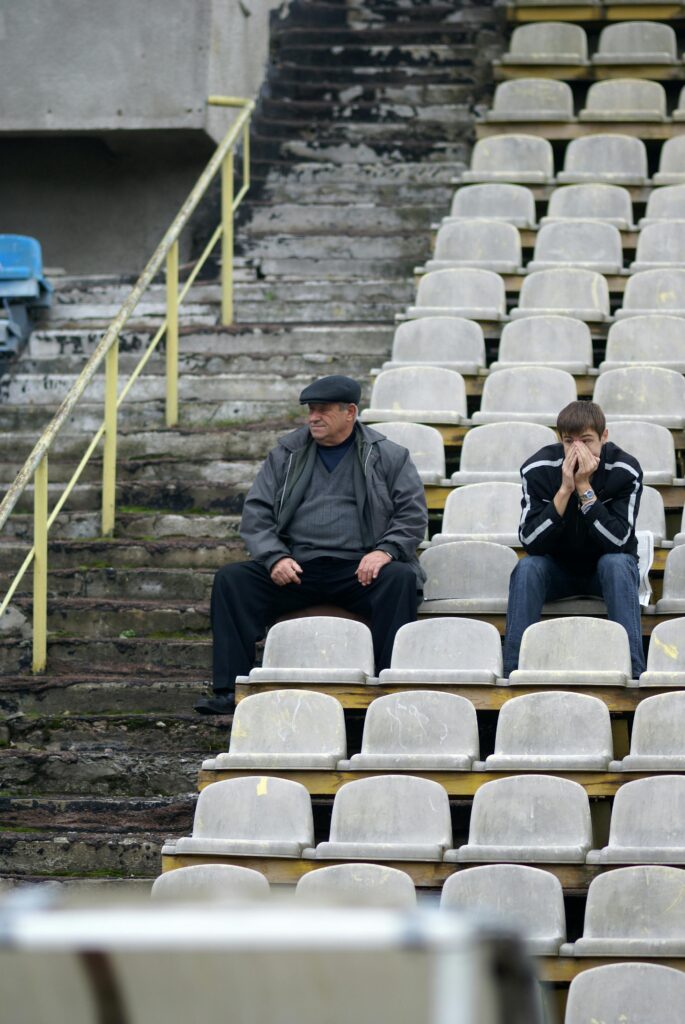
How to Stay Warm at Outdoor Sporting Events?
The most effective way to stay warm at outdoor sporting events is to use proper layering, protect heat-loss areas like hands and feet, block wind and moisture, and plan for long periods of sitting with minimal movement.
Dress in Effective Cold-Weather Layers
Layering works because it traps warm air between clothing layers while allowing flexibility as temperatures change. Outdoor sporting events often begin in daylight and end after sunset, making adaptable clothing essential.
Start With a Moisture-Wicking Base Layer
A good base layer keeps sweat away from your skin, which is critical because damp clothing accelerates heat loss. Even in cold weather, walking, cheering, or climbing stadium steps can cause sweating.
- Choose synthetic or merino wool fabrics instead of cotton
- Ensure the base layer fits snugly without restricting movement
- Focus on long-sleeve tops and full-length bottoms for maximum coverage
A proper base layer keeps your skin dry, which allows insulation layers to work effectively throughout the event.
Add an Insulating Middle Layer
The middle layer provides the primary warmth by retaining body heat. The thickness of this layer should match the temperature and wind conditions.
- Fleece jackets provide warmth with breathability
- Down or synthetic insulated jackets offer higher heat retention
- Lightweight insulated vests can add warmth without bulk
This layer is responsible for keeping heat close to your body during long periods of sitting.
Use a Windproof and Weather-Resistant Outer Layer
Wind is one of the biggest factors that makes outdoor stadiums feel colder than the actual temperature. A protective outer shell prevents cold air from stripping away body heat.
- Choose jackets with wind-blocking materials
- Look for water-resistant or waterproof coatings
- Ensure cuffs and hems can be tightened to seal out drafts
A proper outer layer creates a barrier between your body and harsh outdoor conditions.
For fresh updates and inspiration, browse our outdoor resources.
Protect Hands, Feet, and Head First
Extremities lose heat faster than the core, especially when circulation slows during sitting.
Keep Your Hands Warm and Functional
Cold hands can make an entire event uncomfortable, especially when holding drinks, food, or tickets.
- Wear insulated gloves or mittens with wind resistance
- Consider gloves with touchscreen-compatible fingertips
- Use disposable or reusable hand warmers inside gloves
Keeping hands warm improves comfort and dexterity throughout the game.
Insulate Your Feet From Cold Surfaces
Stadium floors and bleachers are often concrete or metal, which draw heat away from your feet quickly.
- Wear thick, insulated socks made of wool or thermal blends
- Avoid tight footwear that restricts circulation
- Choose boots or shoes with insulated soles
Warm feet help maintain overall body warmth during long events.
Cover Your Head and Neck Properly
A significant amount of body heat escapes through the head and neck when exposed.
- Wear a thermal beanie or insulated hat
- Use a scarf or neck gaiter to block cold air
- Pull neck coverings up over the chin in strong winds
Covering these areas helps maintain core temperature more efficiently.
Prepare for Long Periods of Sitting
Unlike active outdoor recreation, attending sporting events involves extended inactivity, which reduces natural heat generation.
Use Insulated Seating Solutions
Direct contact with cold seating can drain warmth quickly.
- Bring a foam stadium cushion or insulated seat pad
- Use folded blankets to create a barrier from metal or concrete
- Avoid sitting directly on exposed surfaces when possible
Creating insulation between you and the seat significantly improves comfort.
Keep Your Core Warm During Inactivity
When sitting still, your body produces less heat, making insulation more important.
- Zip jackets fully when seated
- Pull layers down to prevent cold air gaps
- Tuck base layers into pants to retain heat
Maintaining a sealed clothing system reduces heat loss over time.
Use Accessories That Generate or Retain Heat
Small accessories can make a noticeable difference in cold outdoor environments.
Take Advantage of Portable Heat Sources
Heat-generating accessories provide targeted warmth when temperatures drop sharply.
- Place hand warmers in pockets or gloves
- Use foot warmers inside boots
- Carry rechargeable warming devices if permitted
These tools help maintain comfort without bulky clothing.
Bring Blankets or Insulated Wraps
Blankets are especially useful during evening games when temperatures fall.
- Choose fleece or insulated stadium blankets
- Wrap blankets around legs and waist while seated
- Share larger blankets for added warmth
Blankets provide adjustable warmth without restricting movement.
Eat and Drink Strategically During the Event
Internal heat production is influenced by nutrition and hydration.
Consume Warm or High-Energy Foods
Your body generates heat through digestion and calorie processing.
- Eat protein-rich or carbohydrate-dense foods
- Choose warm beverages when available
- Avoid excessive alcohol, which increases heat loss
Proper nutrition helps sustain warmth throughout the event.
Stay Hydrated Without Overcooling
Dehydration affects circulation and heat regulation.
- Drink fluids regularly, even in cold weather
- Avoid icy beverages that lower core temperature
- Use insulated cups to keep drinks warm
Balanced hydration supports temperature regulation.
Account for Weather and Stadium Conditions
Not all outdoor sporting events expose fans to the same elements.
Understand Wind Patterns and Seating Location
Wind exposure varies by stadium design and seating height.
- Upper-level seats are often colder and windier
- Open corners of stadiums experience stronger drafts
- Sheltered sections retain warmth better
Choosing seating strategically can significantly affect comfort.
Plan for Sudden Weather Changes
Outdoor conditions can shift rapidly during events.
- Bring extra layers even if forecasts seem mild
- Pack rain-resistant gear for unexpected moisture
- Check event rules for allowed items in advance
Preparedness reduces discomfort caused by unexpected weather.
Check out where does Luke from The Outdoor Gear Review live?

Avoid Common Cold-Weather Mistakes
Many spectators dress incorrectly or underestimate how cold outdoor events feel.
Mistakes That Make You Feel Colder Faster
These common errors can ruin comfort even in moderate temperatures.
- Wearing cotton clothing that traps moisture
- Skipping insulated footwear
- Dressing for movement instead of sitting
Avoiding these mistakes ensures your layering system works effectively.
Overlooking Small Details That Matter
Minor details often make the biggest difference in comfort.
- Exposed ankles or wrists allow heat loss
- Loose collars let cold air enter clothing
- Forgetting seat insulation increases heat drain
Paying attention to these details improves warmth significantly.
Adjust Strategies for Different Types of Outdoor Sporting Events
Not all sports create the same exposure or conditions.
Cold-Weather Football and Soccer Games
These events often involve long durations and minimal movement.
- Prioritize insulation and seating barriers
- Use heavier outer layers and blankets
- Prepare for extended exposure after sunset
Winter Races and Outdoor Tournaments
Standing or moving intermittently changes heat needs.
- Use adjustable layers for temperature control
- Wear footwear suitable for standing on cold ground
- Balance insulation with breathability
Adapting strategies to event type improves overall comfort.
Frequently Asked Questions
Here are some frequently asked questions about staying warm at outdoor sporting events, with practical tips to help you manage cold conditions effectively.
What is the best clothing for outdoor sporting events in cold weather?
The best clothing includes a moisture-wicking base layer, an insulating middle layer, and a windproof outer layer combined with insulated accessories for hands, feet, and head.
Do hand warmers really help at outdoor games?
Yes, hand warmers provide targeted heat that helps maintain comfort, especially during long periods of sitting with minimal movement.
How cold does it feel sitting in an outdoor stadium?
Outdoor stadiums often feel significantly colder due to wind exposure, metal seating, and inactivity, sometimes making temperatures feel 10–15 degrees colder than reported.
Are blankets allowed at outdoor sporting events?
Most outdoor venues allow blankets, but policies vary, so it is best to check stadium rules before bringing large or insulated blankets.
Should I size up clothing for layering at outdoor events?
Slightly looser outer layers help accommodate insulation and improve heat retention, but clothing should not be so tight that it restricts circulation.
These answers provide guidance on clothing, accessories, and strategies to keep you warm, safe, and comfortable while enjoying outdoor sports.
Conclusion
Staying warm at outdoor sporting events comes down to thoughtful layering, protecting extremities, blocking wind, and preparing for inactivity and changing weather, ensuring comfort without overpacking or overheating.