Table of Contents
An outdoor-rated extension cord is designed to safely deliver power in exterior environments where moisture, temperature changes, and physical wear are common.
These cords are built with tougher outer coverings and construction meant to tolerate damp conditions, temperature changes, and rough handling that are common in exterior environments.
This article explains how to tell if an extension cord is outdoor-safe, what details to check, common mistakes to avoid, real-world scenarios, and includes FAQs to clarify common concerns.
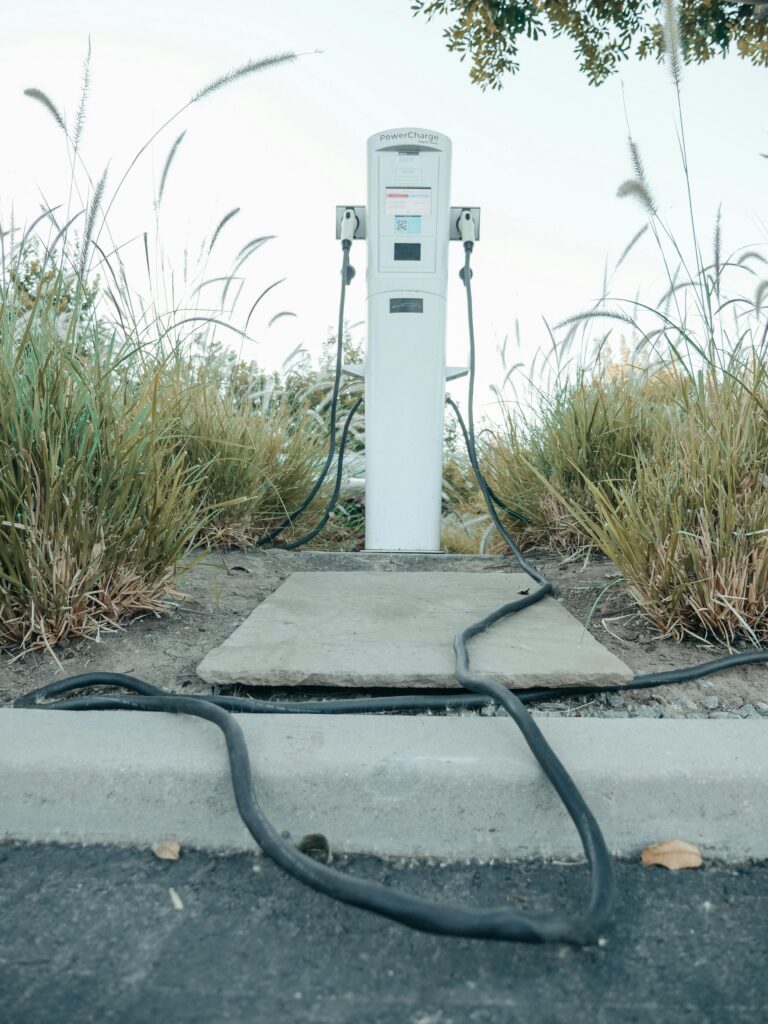
How to Tell if an Extension Cord is Outdoor?
You can tell if an extension cord is outdoor-rated by checking the jacket markings for outdoor designations, looking for thicker weather-resistant insulation, confirming the cord type letters, verifying the temperature and moisture ratings, and reviewing the manufacturer’s label or packaging for outdoor or wet-location approval.
Check the Extension Cord Jacket Markings
The fastest and most reliable way to identify an outdoor extension cord is by reading the printed markings along the cord jacket itself.
Most extension cords include stamped or printed codes that indicate where and how the cord can be used. Outdoor-rated cords are required to clearly state this information for safety compliance.
Common Letter Codes That Indicate Outdoor Use
Outdoor cords usually include specific letter combinations in their cord type.
Here is a simple reference table to help decode common markings:
| Cord Marking | Meaning | Outdoor Safe? |
|---|---|---|
| S | General service cord | No (by itself) |
| SJ | Junior service cord | Usually indoor only |
| SJTW | Junior service, thermoplastic, weather-resistant | Yes |
| SJEOW | Junior service, oil-resistant, weather-resistant | Yes |
| SOOW | Service cord, oil-resistant, weather-resistant | Yes |
| W | Approved for outdoor and wet locations | Yes |
If you see a “W” at the end of the marking, that is a strong indicator the cord is approved for outdoor use.
Look for “Outdoor,” “Weather-Resistant,” or “W” Labels
Manufacturers clearly label outdoor cords to meet safety standards and reduce misuse.
Outdoor-rated cords will often include:
- “Outdoor Use”
- “Weather-Resistant”
- “Suitable for Wet Locations”
- A visible “W” rating on the jacket
If the cord or packaging only says “Indoor Use” or provides no weather-related language, it should not be used outdoors.
Inspect the Thickness and Insulation Quality
Outdoor extension cords are physically built to withstand harsher conditions, which makes them noticeably different from indoor cords.
The insulation on outdoor cords is thicker, more flexible in cold temperatures, and more resistant to cracking or splitting. Indoor cords often feel lighter and stiffer, especially in cooler weather.
Visual and Physical Differences
When comparing cords side by side, outdoor cords typically:
- Have a thicker outer jacket
- Feel heavier for the same length
- Remain flexible in cold or damp conditions
- Resist surface scuffs and abrasions
These physical traits help protect the internal wiring from moisture and mechanical damage.
Check the Wire Gauge Rating
Wire gauge plays a major role in determining whether a cord is suitable for outdoor power loads.
Outdoor extension cords are commonly 12-gauge or 14-gauge, which allows them to handle higher electrical loads over longer distances without overheating. Thin cords, such as 16-gauge or higher, are more common indoors and are not ideal for outdoor equipment.
Typical Gauge Comparison Table
| Gauge | Typical Use | Outdoor Suitability |
|---|---|---|
| 12 AWG | Heavy-duty tools and generators | Excellent |
| 14 AWG | Lawn equipment and outdoor lighting | Good |
| 16 AWG | Lamps and small indoor devices | Poor |
| 18 AWG | Light indoor electronics | Not suitable |
Using the correct gauge reduces voltage drop and overheating risks outdoors.
Check out how to build an outdoor fireplace with cinder blocks?
Review Temperature and Moisture Ratings
Outdoor cords are rated to function across a wider temperature range and in damp or wet environments.
These ratings are often printed on the cord jacket or packaging and indicate resistance to:
- Rain and moisture
- UV exposure from sunlight
- Cold temperatures that cause cracking
- Heat buildup during extended use
If a cord does not list temperature or wet-location tolerance, it should be assumed to be indoor-only.
Check the Plug and Connector Design
Outdoor extension cords use reinforced plug ends to reduce moisture intrusion and physical damage.
Outdoor plugs often feature:
- Molded, sealed connections
- Heavier-duty prongs
- Brightly colored housings (orange, yellow, green) for visibility
Indoor cords usually have lighter plug ends with less protection against moisture.
Indoor vs Outdoor Extension Cords: Key Differences
Understanding the differences helps prevent accidental misuse.
| Feature | Indoor Extension Cord | Outdoor Extension Cord |
|---|---|---|
| Insulation | Thin and lightweight | Thick and weather-resistant |
| Moisture Protection | Minimal or none | Designed for wet locations |
| Temperature Tolerance | Narrow operating range | Wide temperature range |
| Visibility | Neutral or dark colors | Bright, high-visibility colors |
| Durability | Light-duty construction | Heavy-duty construction |
These differences directly affect safety and lifespan when used outside.
Common Mistakes to Avoid
Many extension cord failures occur due to simple but dangerous mistakes.
The most common issues include:
- Using indoor cords outdoors “just temporarily”
- Ignoring jacket markings and ratings
- Overloading thin-gauge cords
- Leaving cords exposed to sun and rain long-term
- Running cords through standing water
Avoiding these mistakes significantly reduces electrical and fire hazards.
For more inspiration and practical outdoor tips like this, check out our full collection of outdoor lifestyle and adventure articles.
When You Should Replace an Extension Cord?
Even outdoor-rated cords do not last forever, especially with frequent exposure.
Replace an extension cord if you notice:
- Cracked or brittle insulation
- Exposed internal wires
- Loose plug connections
- Discoloration or melting
- Frequent breaker trips
Damaged cords should never be repaired with tape for outdoor use.
Safety Tips for Using Outdoor Extension Cords
Safe usage is just as important as choosing the correct cord.
Follow these best practices:
- Use GFCI-protected outlets
- Keep connections elevated off the ground
- Unplug cords when not in use
- Store cords indoors when possible
- Match cord length and gauge to the power load
These habits extend cord life and improve outdoor electrical safety.
Frequently Asked Questions
Here are some frequently asked questions about identifying outdoor extension cords, with practical tips to ensure safe and effective use.
Can an indoor extension cord be used outdoors temporarily?
No, indoor extension cords are not designed to handle moisture or temperature changes and should never be used outdoors, even for short periods.
What does the “W” on an extension cord mean?
The “W” marking indicates the cord is approved for outdoor and wet-location use.
Are orange extension cords always outdoor-rated?
Many orange cords are outdoor-rated, but color alone is not a guarantee. Always check the jacket markings and ratings.
How long can an outdoor extension cord be safely used?
Outdoor extension cords can be used long-term if they are properly rated, not overloaded, and stored correctly when not in use.
Do outdoor extension cords need to be waterproof?
Outdoor cords are weather-resistant, not waterproof. They can handle rain and moisture but should not be submerged in water.
These answers provide guidance on recognizing outdoor-rated cords and using them safely in various weather conditions and outdoor settings.
Conclusion
In short, you can tell if an extension cord is outdoor-rated by checking for clear labeling such as “Outdoor Use” or “W,” examining the cord’s thick, weather-resistant insulation, and confirming it is built to handle moisture and temperature changes. Using the correct outdoor extension cord improves safety, prevents damage to equipment, and ensures dependable performance outdoors.