Table of Contents
Rough cut lumber is unfinished wood directly milled from logs and left with a textured surface that makes it popular for outdoor structures and rustic projects.
Because it lacks factory-applied protection, it reacts strongly to moisture, sunlight, and temperature changes. When properly treated, it can withstand rain, humidity, insects, and seasonal movement.
This guide explains preparation, treatment options, application methods, common mistakes, and real-world considerations for long-term outdoor durability.
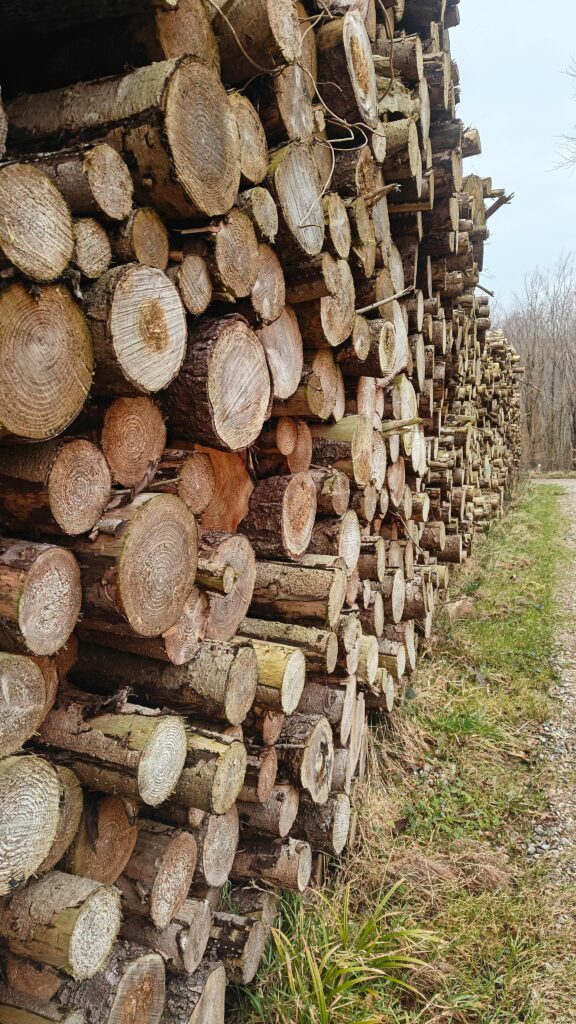
How to Treat Rough Cut Lumber for Outdoor Use?
Rough cut lumber should be dried, cleaned, and treated with a penetrating preservative or exterior-grade sealer designed to protect against moisture, UV exposure, fungi, and insects. The process focuses on deep absorption rather than surface coating, allowing the wood to expand and contract outdoors without premature failure.
Why Rough Cut Lumber Needs Special Outdoor Treatment
Unlike planed or factory-treated boards, rough cut lumber has open wood fibers that readily absorb water. This characteristic is useful for treatment penetration but also makes the wood vulnerable if left untreated.
In outdoor environments, untreated lumber is exposed to rain, ground moisture, insects, and direct sunlight. Over time, this leads to checking, warping, surface cracking, mold growth, and structural weakening. Treating the wood early significantly extends its lifespan and reduces maintenance.
Step 1: Allow the Lumber to Properly Dry
Freshly milled rough cut lumber often contains a high moisture content. Treating it too soon can trap moisture inside the wood, leading to rot from the inside out.
Air-drying is the most practical approach for outdoor lumber. Stack boards off the ground with spacers between layers to promote airflow. The drying time depends on thickness, species, and climate, but most rough cut boards need several weeks to a few months before treatment.
As a general rule, the wood should feel dry to the touch and show stable dimensions before applying any preservative.
Step 2: Clean the Surface Without Over-Smoothing
Rough cut lumber does not need sanding for outdoor use, and over-smoothing can reduce treatment absorption. However, surface contaminants should be removed before treatment.
Dirt, sawdust, mildew, or mud can interfere with even penetration. A stiff brush or low-pressure rinse is usually sufficient. Let the lumber dry fully again after cleaning before applying any product.
Step 3: Choose the Right Treatment Type
Different outdoor applications require different protection levels. The table below compares the most common treatment options for rough cut lumber.
| Treatment Type | Primary Protection | Best For |
|---|---|---|
| Penetrating Wood Preservative | Moisture, rot, insects | Fences, posts, barns, framing |
| Oil-Based Exterior Sealer | Water resistance, flexibility | Decks, pergolas, siding |
| Water-Based Wood Sealer | Mild moisture protection, faster drying | Decorative outdoor projects |
| Pressure Treatment (Factory) | Deep chemical protection | Ground-contact structures |
Penetrating preservatives are generally the most effective for rough cut lumber because they soak deeply into the open grain instead of forming a surface film.
You’ll find additional articles and guides on our outdoor expertise collection.
Step 4: Apply Treatment the Right Way
Application technique matters just as much as product choice. Rough cut lumber absorbs more liquid than smooth boards, so adequate coverage is essential.
For best results, apply treatment using a brush, roller, or low-pressure sprayer. Brushing works particularly well because it forces the preservative into the wood fibers. Pay extra attention to end grain, joints, and cut edges, as these areas absorb moisture fastest.
Most products require at least two coats, applied wet-on-wet or after a short absorption period. Always follow the manufacturer’s drying and recoat guidelines.
Common Mistakes to Avoid When Treating Rough Cut Lumber
Improper treatment often shortens the life of outdoor lumber instead of protecting it. The following mistakes are especially common.
Before listing them, it helps to understand that rough cut wood behaves differently than finished lumber and must be treated accordingly.
- Applying sealer to wet or green lumber
- Using interior-grade stains or paints outdoors
- Skipping end-grain sealing
- Applying thick surface coatings that crack and peel
- Ignoring maintenance reapplication schedules
Avoiding these mistakes ensures the treatment penetrates properly and performs as intended over time.
Should You Paint or Stain Rough Cut Lumber Outdoors?
Paint and film-forming stains are generally poor choices for rough cut lumber exposed to the elements. Because the surface is uneven, coatings tend to crack, trap moisture, and peel prematurely.
Penetrating stains or sealers are better suited for outdoor use. They allow moisture to escape while still providing water resistance and UV protection. If color is desired, choose a penetrating exterior stain specifically labeled for rough or sawn wood.
Discover how to treat rough cut lumber for outdoor use?
How Often Should Outdoor Rough Cut Lumber Be Re-Treated?
Maintenance frequency depends on exposure, climate, and product type. In most outdoor settings, reapplication every two to three years is sufficient.
Structures exposed to constant sun, heavy rainfall, or ground contact may require more frequent inspection and touch-ups. Fading color, surface dryness, or water absorption are signs that re-treatment is needed.
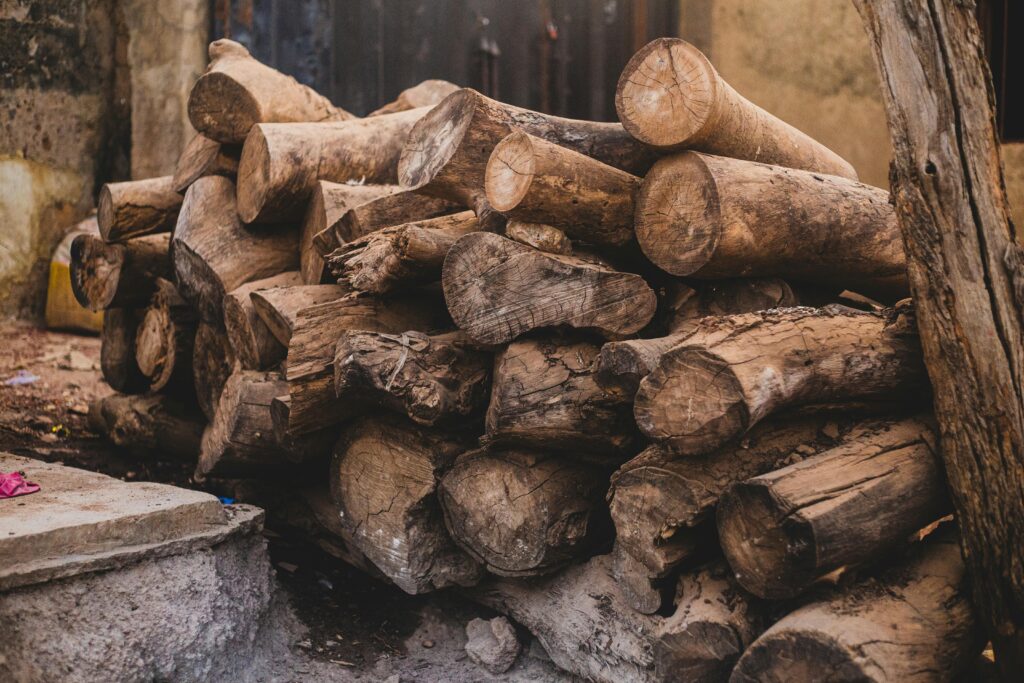
Ground Contact vs Above-Ground Use Considerations
Rough cut lumber used in ground contact faces higher risks due to constant moisture and soil organisms. Standard sealers are often insufficient in these conditions.
For posts or supports embedded in soil, pressure-treated lumber or heavy-duty preservatives rated for ground contact are strongly recommended. Above-ground applications such as siding, beams, and pergolas have fewer risks and respond well to penetrating treatments.
Environmental and Safety Considerations
Some wood preservatives contain chemicals that require careful handling. Always wear gloves, eye protection, and follow disposal guidelines. Avoid using treated lumber where it may contact food or drinking water.
If environmental impact is a concern, look for low-VOC or plant-oil-based preservatives designed for exterior use while still offering adequate protection.
FAQs
Here are some frequently asked questions about treating rough cut lumber for outdoor use, with practical guidance to help you protect and maintain your wood.
Is rough cut lumber weatherproof without treatment?
No, untreated rough cut lumber absorbs moisture quickly and is highly susceptible to rot, insects, and warping when exposed to outdoor conditions.
Can you use a pressure washer before treating rough cut lumber?
Yes, but only on low pressure. High pressure can damage wood fibers and reduce the effectiveness of penetrating treatments.
What is the best sealer for rough cut lumber outdoors?
Oil-based penetrating wood preservatives or exterior sealers designed for rough or sawn wood offer the best long-term protection.
Can rough cut lumber be used for decks?
Yes, but it must be properly treated and maintained. Penetrating sealers are preferred over surface coatings for deck applications.
How long does treated rough cut lumber last outdoors?
With proper treatment and maintenance, rough cut lumber can last 10–20 years or longer in above-ground outdoor applications.
These answers provide tips on treatment methods, protection, and maintenance, ensuring your outdoor lumber stays durable and weather-resistant for years.
Conclusion
Treating rough cut lumber for outdoor use requires proper drying, cleaning, and deep-penetrating protection. Choosing the right preservative and applying it correctly prevents moisture damage, insect infestation, and premature failure while extending the wood’s usable life outdoors.