Outdoor lighting transforms your backyard, patio, or garden, adding ambiance, safety, and functionality.
Many outdoor areas, however, lack nearby electrical outlets, making traditional plug-in lights difficult to use. By using solar-powered lights, battery-operated fixtures, and portable power solutions, you can illuminate any space creatively and safely.
Learn how to seal wood stumps for outdoor use?
This article explores practical solutions, comparisons, placement strategies, and common mistakes to help you light outdoor areas without an outlet.
How to Use Outdoor Lights Without an Outlet?
Alternative power sources allow you to install outdoor lights even where electrical access is limited. Solar lights charge with sunlight, battery-powered lights run independently, and low-voltage or portable power packs provide reliable illumination. Your choice depends on brightness, runtime, installation ease, and environmental factors.
Solar Outdoor Lights
Solar lights are a convenient option for areas without outlets, automatically converting sunlight into energy for nighttime illumination.
Solar lighting comes in different styles, offering flexibility for gardens, walkways, and outdoor decor.
- Pathway Lights: Stake into the ground for garden paths or walkways.
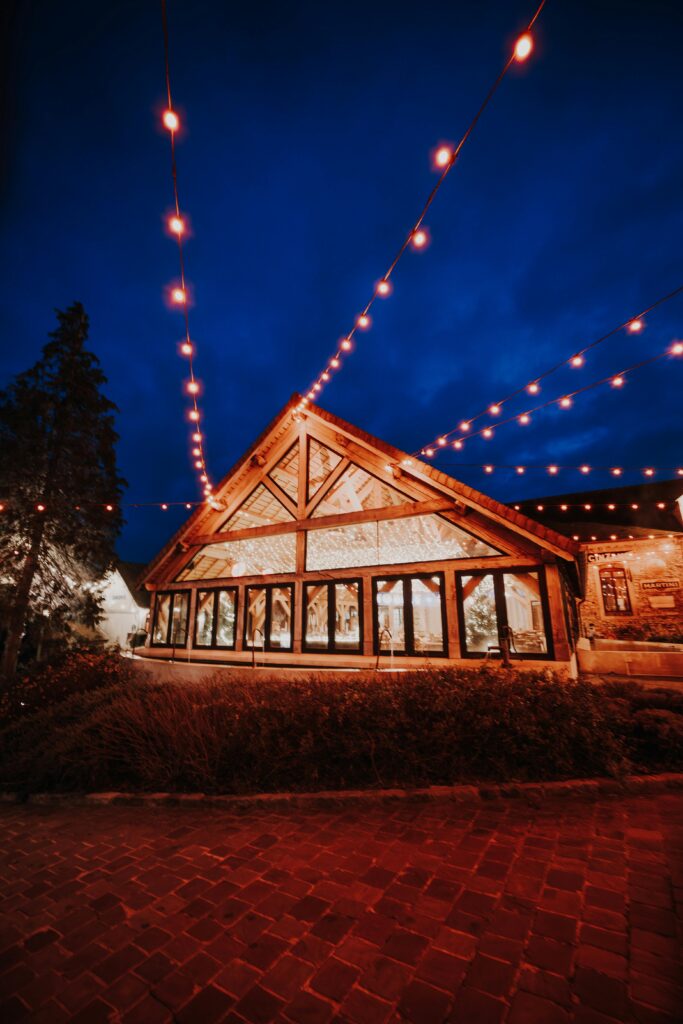
- String Lights: Flexible for decks, fences, or pergolas; create warm ambiance.
- Spotlights: Highlight trees, sculptures, or architectural features.
Proper placement ensures maximum sun exposure, while routine cleaning of panels maintains efficiency. Solar lights are energy-efficient and require minimal maintenance, making them ideal for eco-conscious homeowners.
Battery-Powered Outdoor Lights
Battery-powered lights provide flexibility and portability, perfect for temporary setups or areas where sunlight is insufficient.
They can be positioned anywhere, allowing creative setups for entertainment or seasonal decor.
- LED Lanterns: Compact, durable, and ideal for tables or ground use.
- String Lights: Battery boxes can be discreetly hidden in planters or mounted.
- Spotlights and Floodlights: Rechargeable options offer bright, focused illumination for security purposes.
Battery-powered lights may need regular charging or battery replacement, but they offer consistent brightness and adaptability to various locations.
Low-Voltage and Portable Power Options
For larger areas or extended use, low-voltage lights and portable power packs provide reliable illumination without outlets.
These solutions can support multiple fixtures and integrate with timers or smart switches for automation.
- Low-Voltage LED Lights: Connect several fixtures to a single transformer or battery; perfect for landscape or accent lighting.
- Portable Solar Generators: Rechargeable units can power high-wattage lights and small appliances, ideal for large patios or outdoor events.
Using low-voltage or portable solutions ensures stable lighting while minimizing reliance on traditional electrical outlets.
Extension Cord Alternatives and Safety Tips
In some situations, outdoor-rated extension cords offer a temporary way to power lights. Even temporary setups require safety precautions:
- Use cords with GFCI protection to prevent shocks.
- Avoid running cords through high-traffic areas.
- Secure cords with clips or covers to prevent tripping hazards.
Following these guidelines ensures safe and temporary access to electricity for outdoor lighting.
Creative Placement and Mounting Tips
Strategic placement enhances light coverage and aesthetics, especially without outlets.
- Hang string lights along fences, pergolas, or railings for ambient lighting.
- Stake pathway lights evenly along walkways for consistent illumination.
- Mount spotlights on trees or posts to accent garden or architectural features.
- Position battery packs or solar panels in sunlit areas for optimal performance.
Thoughtful placement improves efficiency, maximizes coverage, and ensures functional and decorative lighting.
Comparing Options: Solar vs Battery vs Portable Power
Understanding the differences between power options helps you choose the best solution.
| Feature | Solar Lights | Battery-Powered Lights | Portable Power Packs |
|---|---|---|---|
| Power Source | Sunlight | Rechargeable or disposable batteries | Solar, wall, or generator |
| Brightness | Moderate | Moderate to high | High |
| Runtime | Limited by sunlight | Limited by battery | Long, depending on pack |
| Installation | Easy | Easy | Moderate |
| Cost | Low to moderate | Low to moderate | Moderate to high |
| Best Use | Garden paths, patios, decks | Temporary setups, decorative lighting | Large areas, events |
This table provides a quick comparison to help select the most suitable lighting solution for your outdoor needs.
Common Mistakes to Avoid
Even with alternative power sources, improper use can reduce performance and longevity. Being aware of common pitfalls ensures effective and durable lighting:
- Ignoring Sun Exposure: Solar lights under shade charge poorly.
- Overloading Batteries: Using too many lights on one battery reduces runtime.
- Improper Weatherproofing: Non-waterproof lights may fail in rain.
- Poor Placement: Lights too far from power sources or sunlight perform poorly.
- Skipping Maintenance: Regular cleaning and battery checks are essential for reliability.
Avoiding these mistakes enhances efficiency, safety, and illumination quality.
For additional guides and expert recommendations, explore our outdoor insights.
Additional Tips for Efficiency and Longevity
Small adjustments significantly improve the performance of outdoor lights without outlets.
- Choose LED bulbs for energy efficiency and durability.
- Install timers or smart switches to automate lighting and conserve power.
- Combine solar and battery solutions for layered lighting coverage.
- Incorporate motion sensors for security and energy savings.
- Test placements during the day to ensure optimal coverage.
Implementing these tips ensures reliable, long-lasting outdoor lighting.

Smart Outdoor Lighting Controls
Modern outdoor lights can benefit from smart controls to enhance convenience and energy efficiency.
Timers, motion sensors, and app-based controls provide automation and remote management.
- Timers: Schedule lights to operate at specific times.
- Motion Sensors: Activate lighting only when movement is detected.
- App Controls: Adjust brightness, color, and operation remotely.
Smart controls help conserve energy, extend battery life, and simplify management of outdoor lighting setups.
FAQs
Here are common questions about using outdoor lights without an outlet:
Can I use regular string lights without an outlet?
Yes, if they are battery-operated, solar-powered, or connected to a portable power pack. Standard plug-in string lights require an outlet or extension cord.
How long do solar outdoor lights last without sunlight?
Most solar lights provide 6–12 hours of illumination after a full day of charging, but cloudy conditions or shaded areas reduce runtime.
Are battery-powered outdoor lights safe in rain?
Yes, if they are labeled as waterproof or weather-resistant. Always check the IP rating before exposure to rain.
Can I combine solar and battery lights in one setup?
Absolutely. Solar lights provide continuous ambient illumination, while battery-powered lights add targeted brightness where needed.
What is the best placement for solar panels for outdoor lights?
Panels should face direct sunlight for 6–8 hours daily, free from shade caused by trees, buildings, or structures, to ensure maximum charging.
How can smart controls improve outdoor lighting efficiency?
Timers, motion sensors, and app-based controls reduce energy consumption, extend battery life, and allow precise management of lighting schedules and brightness.
These tips provide reliable, flexible, and safe outdoor lighting solutions without the need for electrical outlets.
Conclusion
With solar, battery-powered, and portable solutions, outdoor lighting without outlets is simple and versatile. Proper planning, placement, and use of smart controls ensure safe, efficient, and attractive illumination for any outdoor space.