Eucalyptus is a hardwood commonly used for outdoor furniture, valued for its natural strength, density, and ability to withstand exterior conditions.
It comes from fast-growing trees that produce dense boards with natural oils, helping the wood resist moisture, insects, and everyday weather exposure.
This article explains whether eucalyptus is a good outdoor furniture choice, how durable it really is, how it compares to other woods, and what maintenance it requires.
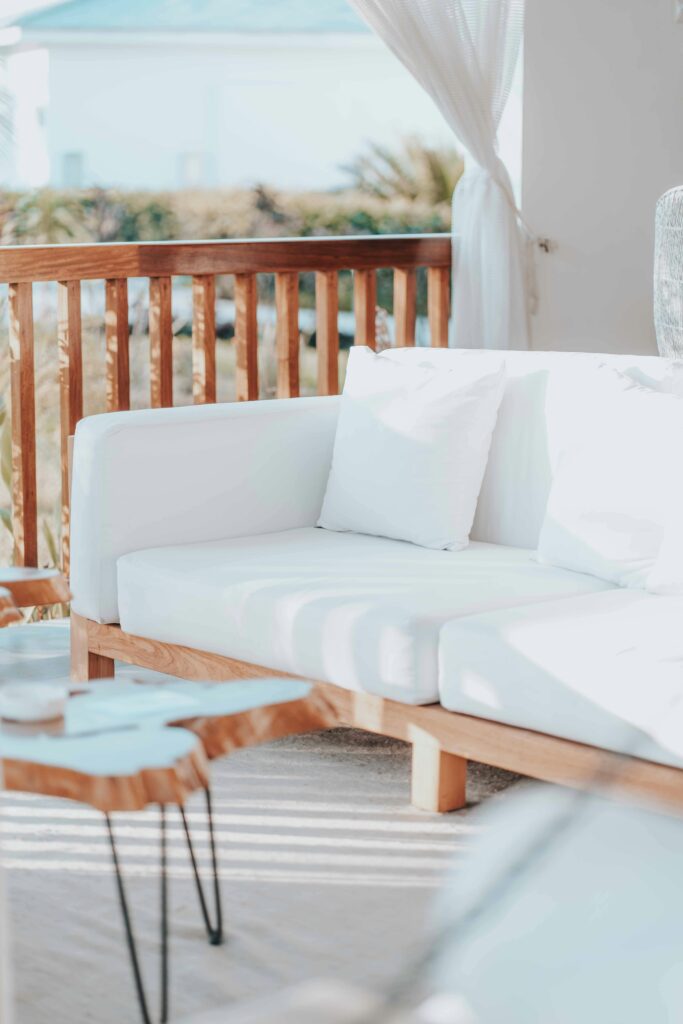
Is Eucalyptus a Good Wood for Outdoor Furniture?
Yes, eucalyptus is a good wood for outdoor furniture because it is a dense hardwood with natural oils that provide resistance to moisture, insects, and moderate weather exposure. When sealed and maintained correctly, eucalyptus furniture can perform well outdoors for many years.
Durability of Eucalyptus Wood Outdoors
Eucalyptus is classified as a hardwood, making it stronger and more impact-resistant than many softwoods used outdoors. Its tight grain structure limits water absorption, which helps reduce swelling and cracking.
In outdoor furniture applications, eucalyptus performs best above ground and in well-ventilated environments. While it does not match teak’s extreme longevity, it offers reliable durability for residential outdoor use at a lower cost.
Natural Weather and Moisture Resistance
One of eucalyptus wood’s key advantages is its natural oil content. These oils act as a barrier against moisture and pests, slowing rot and decay.
However, eucalyptus is not fully weatherproof on its own. Prolonged exposure to rain, snow, or direct sun without protection can lead to surface drying, fading, and small cracks. Protective finishes significantly improve its outdoor performance.
How Eucalyptus Compares to Other Outdoor Woods?
The table below highlights how eucalyptus compares to commonly used outdoor furniture woods.
| Wood Type | Durability | Maintenance Level | Cost Range | Outdoor Performance |
|---|---|---|---|---|
| Eucalyptus | High | Moderate | Medium | Very good with sealing |
| Teak | Very high | Low | High | Excellent |
| Cedar | Medium | Low | Medium | Good in dry climates |
| Pine (treated) | Medium | High | Low | Fair |
Eucalyptus offers a strong balance between cost and performance, making it a popular alternative to teak for budget-conscious buyers.
Maintenance Requirements for Eucalyptus Furniture
Maintenance plays a major role in how well eucalyptus furniture performs outdoors. Without care, the wood can lose its natural color and surface smoothness.
To maintain eucalyptus furniture effectively:
- Apply outdoor oil or sealer once or twice per year
- Clean dirt and debris regularly to prevent moisture buildup
- Use furniture covers during extreme weather
- Avoid prolonged ground contact or standing water
Routine care extends lifespan and preserves appearance.
For hands-on tips and planning ideas, check our outdoor advice articles.
Sun Exposure and Color Changes
Unprotected eucalyptus wood gradually fades to a silver-gray color when exposed to sunlight. This change is cosmetic and does not immediately affect structural integrity.
If maintaining the original reddish-brown tone is important, UV-resistant oils or stains should be applied periodically. Shaded placement also helps reduce sun-related wear.
Is Eucalyptus Suitable for All Climates?
Eucalyptus performs well in mild to moderately harsh climates. In areas with heavy rainfall, freezing temperatures, or intense sun year-round, additional protection is necessary.
Using covers, storing furniture during off-seasons, and maintaining finishes help eucalyptus withstand more challenging conditions. Without these precautions, its lifespan may shorten.
Environmental and Sustainability Considerations
Eucalyptus is often considered an eco-friendly option because it grows quickly and is widely cultivated. Responsibly sourced eucalyptus reduces pressure on slow-growing hardwoods like teak.
Choosing FSC-certified eucalyptus furniture ensures sustainable harvesting practices while still delivering outdoor durability.
Learn how to protect outdoor ceiling fan from wind?
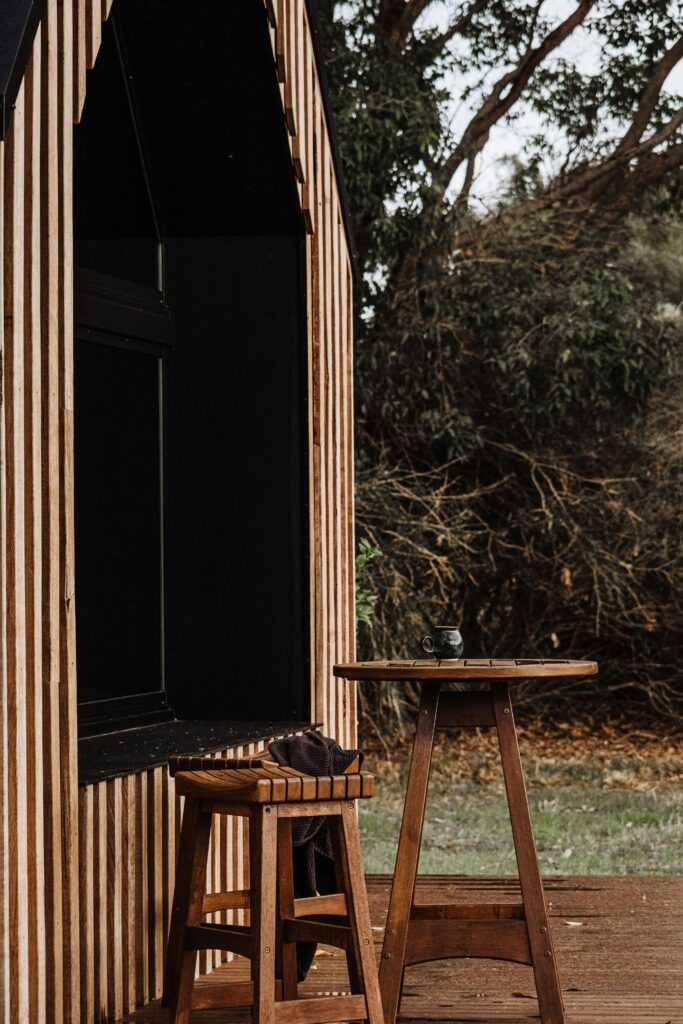
Common Pros and Cons of Eucalyptus Outdoor Furniture
Understanding both benefits and limitations helps set realistic expectations.
Pros include strong hardwood structure, natural resistance to insects, and lower cost than premium woods.
Cons include higher maintenance needs and less longevity than teak in extreme conditions.
For many homeowners, the advantages outweigh the drawbacks with proper care.
FAQs
Here are some frequently asked questions about using eucalyptus wood for outdoor furniture, with practical guidance on durability, care, and maintenance.
How long does eucalyptus outdoor furniture last?
With proper sealing and routine maintenance, eucalyptus outdoor furniture typically lasts 10–15 years in above-ground outdoor conditions.
Does eucalyptus wood rot outdoors?
Eucalyptus has natural oils that resist rot, but untreated wood can still deteriorate if exposed to constant moisture. Sealing is essential for outdoor use.
Is eucalyptus better than teak for outdoor furniture?
Eucalyptus is more affordable but requires more maintenance. Teak lasts longer with minimal care, while eucalyptus offers good durability at a lower cost.
Can eucalyptus furniture stay outside year-round?
Yes, but using protective covers and reapplying oil or sealer helps prevent cracking, fading, and moisture damage in harsh weather.
What is the best finish for eucalyptus outdoor furniture?
Penetrating outdoor oils or UV-resistant sealers work best, as they protect against moisture while allowing the wood to breathe.
These answers provide insights to help you select and maintain eucalyptus wood, ensuring your outdoor furniture remains sturdy, functional, and visually appealing for years.
Conclusion
Eucalyptus is a good wood for outdoor furniture when properly sealed and maintained. It offers strong durability, natural resistance, and affordability, making it a practical alternative to premium hardwoods for patios, decks, and garden spaces.