Outdoor bleach and regular household bleach are often used interchangeably, but they are formulated for different purposes and environments.
While both products rely on similar chemical principles to clean and disinfect, their concentration, additives, and intended use can affect safety, effectiveness, and surface compatibility.
This article explains whether outdoor bleach is the same as regular bleach, how they differ in real-world use, when each should be used, common mistakes to avoid, and practical guidance for outdoor and household cleaning.
Learn what is the best material for outdoor signs?
Is Outdoor Bleach the Same as Regular Bleach?
Outdoor bleach is not exactly the same as regular bleach, even though both are typically based on sodium hypochlorite. Outdoor bleach is usually more concentrated and may include additives designed for tougher exterior cleaning, while regular bleach is diluted for indoor household use and controlled sanitation.
Understanding these differences helps prevent surface damage, safety hazards, and ineffective cleaning.
What Both Outdoor and Regular Bleach Have in Common?
At their core, both types of bleach perform similar chemical functions. They are designed to break down organic material, kill bacteria, and remove stains.
Both products typically:
- Use sodium hypochlorite as the active ingredient
- Disinfect and sanitize surfaces
- Remove mold, mildew, and algae
- Brighten stained materials
Despite these similarities, how they are formulated and applied makes a meaningful difference.
Key Differences Between Outdoor Bleach And Regular Bleach
The main differences lie in strength, additives, and intended applications. These differences influence how aggressive the product is and where it can be safely used.
Concentration Levels
Outdoor bleach is often sold at higher concentrations to tackle heavy buildup on exterior surfaces. Regular bleach is diluted to reduce fumes and surface damage indoors.
Higher concentration means outdoor bleach:
- Works faster on algae and mildew
- Requires more careful dilution
- Can damage delicate materials if misused
Additives And Formulation
Many outdoor bleach products include surfactants or detergents that help the solution cling to vertical surfaces like siding or fences. Regular bleach is typically free of these additives to remain food-safe when used correctly.
These added ingredients make outdoor bleach more effective for large exterior areas but less suitable for indoor disinfection.
Intended Use Environment
Outdoor bleach is designed for open-air use where ventilation is unrestricted. Regular bleach is formulated for controlled indoor environments where fumes must be minimized.
Using outdoor bleach indoors can create excessive fumes and increase health risks.
Outdoor Bleach Vs Regular Bleach Comparison
The table below summarizes the most practical differences between the two.
| Feature | Outdoor Bleach | Regular Bleach |
|---|---|---|
| Typical Concentration | Higher | Lower |
| Additives | Often included | Rare |
| Indoor Safe | No | Yes (when diluted) |
| Outdoor Cleaning Power | Very High | Moderate |
| Surface Aggressiveness | High | Lower |
This comparison shows why choosing the right bleach matters for safety and results.
When Outdoor Bleach Should be Used?
Outdoor bleach is best reserved for heavy-duty exterior cleaning tasks where organic buildup is common.
Appropriate uses include cleaning:
- Concrete patios and driveways
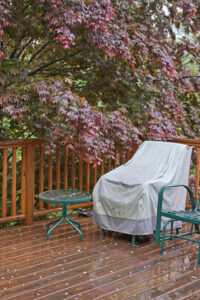
- Decks and fences
- Vinyl siding
- Outdoor furniture (non-delicate materials)
- Algae-covered stone or brick
Because of its strength, outdoor bleach should always be diluted according to manufacturer guidelines.
When Regular Bleach is the Better Choice?
Regular household bleach is safer for indoor environments and controlled sanitation tasks.
It is better suited for:
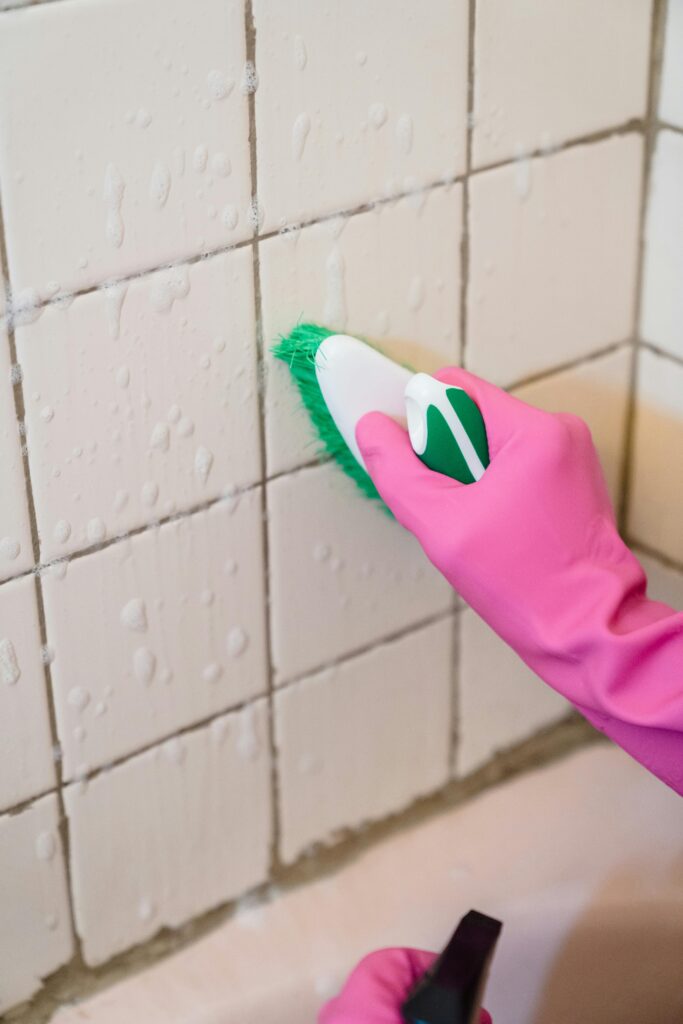
- Kitchen and bathroom disinfection
- Laundry whitening
- Mold removal in bathrooms
- Sanitizing non-porous indoor surfaces
- General household cleaning
Its lower concentration reduces the risk of surface damage and excessive fumes.
Safety Considerations You Should Not Ignore
Bleach misuse is a common source of accidental damage and health issues. Understanding basic safety rules is critical.
Important safety guidelines include:
- Never mixing bleach with ammonia or acids
- Wearing gloves when handling concentrated bleach
- Avoiding indoor use of outdoor bleach
- Rinsing surfaces thoroughly after use
- Keeping bleach away from plants and soil outdoors
Following these precautions protects both people and property.
Common Mistakes People Make With Outdoor Bleach
Many problems arise from assuming all bleach products are interchangeable. This leads to misuse and unintended consequences.
Common mistakes include:
- Using outdoor bleach inside enclosed spaces
- Applying full-strength bleach without dilution
- Spraying bleach near landscaping
- Leaving bleach residue on surfaces
- Using bleach on wood without neutralizing afterward
Avoiding these errors prevents long-term surface damage and safety risks.
Real-World Cleaning Scenarios
For patios and driveways with heavy algae growth, outdoor bleach diluted properly delivers fast, visible results. For bathroom mold or laundry whitening, regular bleach provides sufficient cleaning power without excessive fumes.
Matching the product to the task ensures both effectiveness and safety.
For additional guides and expert recommendations, explore our outdoor insights.
FAQs
Below are answers to common questions people ask when trying to understand the difference between outdoor bleach and regular bleach and how to use each correctly.
Can I use outdoor bleach inside my house?
No, outdoor bleach is not recommended for indoor use because its higher concentration and additives can create strong fumes and health risks.
Is outdoor bleach stronger than regular bleach?
Yes, outdoor bleach is usually more concentrated and formulated for tougher exterior cleaning jobs.
Can regular bleach clean outdoor surfaces?
Yes, regular bleach can clean outdoor surfaces, but it may require more scrubbing and repeated applications compared to outdoor bleach.
Does outdoor bleach kill mold and algae?
Yes, outdoor bleach is very effective at killing mold, mildew, and algae when diluted and applied properly.
Will outdoor bleach damage plants?
Yes, outdoor bleach can damage or kill plants if it comes into contact with leaves or soil, so care must be taken during application.
These FAQs clarify when each type of bleach should be used and highlight key safety considerations.
Conclusion
Outdoor bleach and regular bleach are not the same, even though they share similar chemistry. Outdoor bleach is stronger and designed for exterior cleaning, while regular bleach is safer for indoor use when applied correctly.