Outdoor speakers require careful consideration of wattage, placement, and environment to deliver high-quality sound in open-air settings.
Unlike indoor speakers, outdoor audio systems must overcome challenges such as sound dispersion, background noise, and exposure to weather. Wattage determines both volume and clarity, while other factors like speaker type, positioning, and connectivity influence overall performance.
Find out if spruce pine fir good for outdoor use?
This guide covers recommended wattage, space considerations, installation tips, and additional insights into achieving optimal outdoor audio.
What is a Good Wattage for Outdoor Speakers?
For most residential outdoor spaces, a speaker wattage between 50–200 watts per speaker is ideal.
- Small patios or balconies: 50–75 watts, sufficient for intimate gatherings and low ambient noise.
- Medium decks or garden areas: 75–100 watts, providing clear sound throughout medium-sized outdoor spaces.
- Large backyards, pool areas, or noisy environments: 100–200 watts or multiple speakers to ensure full coverage without distortion.
Proper wattage ensures crisp, balanced sound while avoiding overloading the speaker. It’s important to note that wattage alone is not the only factor; placement, environmental conditions, and speaker efficiency play a critical role.
Factors Affecting Outdoor Speaker Wattage
Several variables influence the wattage requirement for outdoor speakers. Addressing these ensures an efficient and high-performing system.
Space Size and Layout
The size and shape of your outdoor area directly impact the wattage needed:
- Small patios: Lower wattage is sufficient; overpowered speakers can be overwhelming.
- Medium decks or gardens: Moderate wattage ensures even coverage without hotspots or dead zones.
- Large backyards or pool areas: Higher wattage or multiple speakers are necessary for consistent sound across open areas.
Obstructions like walls, fences, and vegetation can absorb or reflect sound, potentially increasing the need for higher wattage or additional speakers.
Speaker Type and Efficiency
Outdoor speakers may be active (with built-in amplifiers) or passive (requiring an external amplifier).
- Active speakers simplify setup and reduce the risk of power mismatch.
- Passive speakers allow flexibility in choosing amplifiers but require careful matching of wattage.
Efficiency ratings, usually measured in decibels (dB), indicate how much sound is produced per watt of power. Higher efficiency reduces the need for excessive wattage.
Environmental Noise
Outdoor noise levels, such as traffic, wind, or neighbors, affect how loud your speakers need to be. Spaces with high ambient noise require either higher wattage or additional speakers to maintain clarity and audibility.
Recommended Wattage by Outdoor Space
The table below shows the recommended wattage levels for different outdoor spaces to help ensure proper lighting and energy efficiency.
| Outdoor Space Type | Suggested Wattage Per Speaker | Notes |
|---|---|---|
| Small Patio / Balcony | 50–75 W | Ideal for personal listening or small gatherings |
| Medium Deck / Garden | 75–100 W | Ensures even sound coverage across the area |
| Large Backyard / Pool Area | 100–200 W | Covers wider areas and counteracts noise |
| Outdoor Events / Parties | 150–300 W | High-powered speakers for large gatherings |
This table provides a quick reference for homeowners to determine appropriate power levels based on outdoor space and usage.
Outdoor Speaker Placement Strategies
Correct placement improves sound quality and often reduces the need for high wattage.
- Place speakers slightly above ear level to improve dispersion.
- Angle speakers toward the main listening area for even coverage.
- Use multiple lower-wattage speakers for larger areas instead of relying on a single high-powered unit.
- Avoid placing speakers too close to walls or reflective surfaces that can create echo or distortion.
Proper placement balances sound across your outdoor space, delivering immersive audio without increasing wattage unnecessarily.
Connectivity Options for Outdoor Speakers
Outdoor speaker performance is also influenced by the type of connectivity used:
- Wired speakers: Provide consistent, high-quality sound; require careful planning for cable routing.
- Wireless/Bluetooth speakers: Offer flexibility in placement; suitable for smaller setups but can be affected by interference or range limits.
- Wi-Fi-enabled speakers: Enable multi-room or multi-zone setups with higher control over audio distribution.
Understanding connectivity helps ensure your speakers operate at their best and maintain sound quality across your outdoor environment.
Maintenance and Weatherproofing
Outdoor speakers are exposed to elements, and proper maintenance extends lifespan and performance:
- Weather-resistant models prevent water and UV damage.
- Regular cleaning removes dirt, leaves, and debris that can affect sound quality.
- Check connections and cables periodically to prevent corrosion or signal loss.
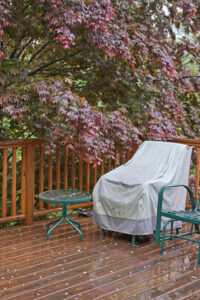
- Use protective covers or housings in extreme weather conditions.
Routine care ensures consistent performance and reduces long-term replacement costs.
Common Mistakes to Avoid
Even with correct wattage, mistakes can reduce effectiveness:
- Over-relying on high wattage instead of multiple speakers
- Ignoring environmental noise and space layout
- Skipping weatherproofing or maintenance
- Using a single speaker for a large area instead of a distributed setup
Avoiding these errors ensures optimal sound quality and longevity of your outdoor audio system.
You’ll find additional articles and guides on our outdoor expertise collection.
FAQs
These FAQs address common concerns about outdoor speaker wattage and usage.
What wattage is best for a small patio or balcony?
For small spaces, 50–75 watts per speaker is sufficient to produce clear, enjoyable sound without overpowering the area.
Do I need higher wattage for a large backyard?
Yes, larger areas often require 100–200 watts per speaker or multiple speakers to achieve even coverage and clarity.
Can too much wattage damage outdoor speakers?
Yes, exceeding a speaker’s recommended wattage can cause distortion or permanent damage. Always match speakers with compatible amplifiers.
Are active speakers better for outdoor use than passive ones?
Active speakers have built-in amplifiers optimized for their power, simplifying setup and reducing the risk of mismatched wattage.
How does environmental noise affect wattage needs?
Higher ambient noise, such as traffic or wind, requires more wattage or additional speakers to maintain clear and audible sound.
Can placement reduce the need for high wattage?
Proper speaker placement can maximize sound coverage, reducing the need for excessive wattage and preventing uneven audio zones.
Conclusion
Choosing the right wattage, placing speakers strategically, selecting appropriate connectivity, and maintaining equipment ensures high-quality outdoor audio while preventing distortion, damage, and unnecessary power consumption.