The best material for an outdoor table refers to selecting durable, weather-resistant surfaces like teak, aluminum, or polywood that can withstand outdoor conditions. Choosing the right outdoor table material directly impacts longevity, maintenance, and overall performance in varying climates.
Many buyers struggle with tables that fade, crack, or rust over time. Understanding the best materials for outdoor tableshelps avoid costly replacements and ensures long-term usability. This guide compares top materials, key features, and practical considerations to help you choose the most suitable option.
Key Takeaways
Choosing the right material for an outdoor table directly affects durability, maintenance, and long-term value. Different materials perform better depending on climate, usage, and budget.
- Best overall: Teak offers exceptional durability, natural weather resistance, and long lifespan
- Best budget: Plastic or resin tables provide affordability with minimal maintenance
- Best premium: Stainless steel and high-end hardwoods deliver superior strength and aesthetics
- Best value: Aluminum balances durability, weight, and corrosion resistance
- Most durable: Concrete and stone withstand extreme weather with minimal wear
These insights highlight how material choice impacts performance and cost over time. Understanding these differences helps narrow down the most suitable option for your needs.
Selecting the right material requires evaluating real-world performance factors, which leads into how these materials were assessed.
The Best Material For Outdoor Table
Selecting the best material for an outdoor table involves evaluating durability, weather resistance, maintenance requirements, and overall usability. Materials were compared based on how they perform in different climates, their resistance to moisture, UV exposure, and structural stability over time.
The evaluation process includes analyzing manufacturer specifications, real user feedback, and expert insights on long-term performance. Comparisons focus on practical use cases such as patios, gardens, and high-exposure outdoor environments to ensure accurate recommendations.
With a clear evaluation framework established, the next step is identifying the top material options based on key buying priorities.
The Best Material For Outdoor Table (Quick Picks)
Choosing the right material often comes down to balancing durability, maintenance, cost, and aesthetics. The quick picks below highlight the most practical material options based on common buying priorities, helping you quickly identify what suits your needs.
| Category | Product | Why It’s Best |
| Best Overall | Teak Wood Outdoor Table | Exceptional durability and natural weather resistance |
| Best Budget | Plastic Resin Outdoor Table | Affordable, lightweight, and low maintenance |
| Best Premium | Stainless Steel Outdoor Table | High-end durability with modern aesthetics |
| Best Value | Aluminum Outdoor Table | Rust-resistant and cost-effective balance |
| Most Durable | Concrete Outdoor Table | Withstands extreme weather and heavy use |
| Best Low Maintenance | Polywood Outdoor Table | Recycled material with minimal upkeep |
| Best Lightweight | Wicker (Resin) Outdoor Table | Easy to move and versatile |
| Best Aesthetic | Natural Stone Outdoor Table | Premium visual appeal with strong build |
Each of these materials represents a distinct advantage depending on how and where the table will be used. Below, each category is explored in detail.
Best Overall Material For Outdoor Table – Teak Wood Outdoor Table
Teak wood outdoor tables are widely regarded as the benchmark for outdoor furniture due to their natural oils and dense grain. These properties make teak highly resistant to moisture, insects, and decay, even in harsh outdoor conditions.
Teak stands out because it ages gracefully, developing a silver-gray patina over time without compromising structural integrity. It requires minimal maintenance compared to other hardwoods while offering long-term durability and classic aesthetics.
| Category | Product | Type | Size / Capacity | Price Range | Best For |
| Best Overall | Teak Wood Outdoor Table | Hardwood | 4–8 people | $800–$3,000 | Long-term outdoor use |
Key Features
- Naturally weather-resistant due to high oil content
- Strong and dense hardwood structure
- Resistant to rot, pests, and moisture
- Develops attractive patina over time
Who It’s For
Homeowners seeking long-lasting, premium outdoor furniture
Who Should Avoid It
Buyers on a tight budget
Competitor Comparisons
| Feature | Teak | Cedar | Acacia |
| Durability | Excellent | Moderate | Moderate |
| Maintenance | Low | Medium | Medium |
| Cost | High | Low | Medium |
Alternatives
Acacia wood outdoor tables offer a more budget-friendly hardwood option
Teak remains one of the most reliable long-term choices for outdoor tables.
Best Budget Material For Outdoor Table – Plastic Resin Outdoor Table
Plastic resin outdoor tables provide a practical solution for buyers looking for affordability and convenience. These tables are typically made from molded polyethylene or similar materials, offering decent weather resistance at a low cost.
They stand out because they require almost no maintenance and are highly resistant to moisture, making them suitable for casual outdoor setups. While they lack the premium feel of wood or metal, they deliver solid functionality for everyday use.
| Category | Product | Type | Size / Capacity | Price Range | Best For |
| Best Budget | Plastic Resin Outdoor Table | Synthetic | 2–6 people | $50–$300 | Temporary or casual use |
Key Features
- Lightweight and easy to move
- Resistant to water and rust
- Minimal maintenance required
- Budget-friendly pricing
Who It’s For
Buyers needing affordable and practical outdoor furniture
Who Should Avoid It
Users seeking premium durability or aesthetics
Competitor Comparisons
| Feature | Plastic Resin | Aluminum | Wood |
| Cost | Low | Medium | High |
| Durability | Moderate | High | High |
| Aesthetics | Basic | Modern | Natural |
Alternatives
Polywood tables offer better durability with similar low-maintenance benefits
Plastic resin tables are ideal for budget-conscious buyers prioritizing convenience.
Best Premium Material For Outdoor Table – Stainless Steel Outdoor Table
Stainless steel outdoor tables bring a clean, architectural look that fits modern patios and outdoor kitchens. The material feels solid and stable, even in larger table formats, and doesn’t flex or warp the way lighter metals sometimes can.
What makes stainless steel appealing in real use is how it handles exposure. It doesn’t rust easily, tolerates humidity well, and holds its finish with minimal upkeep. In coastal or high-moisture environments, this reliability becomes noticeable over time compared to lower-grade metals.
| Category | Product | Type | Size / Capacity | Price Range | Best For |
| Best Premium | Stainless Steel Outdoor Table | Metal | 4–10 people | $1,000–$4,000 | Modern outdoor spaces |
Key Features
- Strong structural integrity with minimal flex
- High resistance to rust and corrosion
- Smooth, easy-to-clean surface
- Maintains appearance over long-term use
Who It’s For
Homeowners prioritizing durability and modern design
Who Should Avoid It
Buyers looking for warm, natural aesthetics
Competitor Comparisons
| Feature | Stainless Steel | Aluminum | Wrought Iron |
| Durability | High | High | Very High |
| Weight | Medium | Light | Heavy |
| Maintenance | Low | Low | Medium |
Alternatives
Aluminum tables offer a lighter, more budget-friendly metal option
Stainless steel works best when you want a table that feels permanent and holds up without constant upkeep.
Best Value Material For Outdoor Table – Aluminum Outdoor Table
Aluminum outdoor tables strike a balance that’s easy to appreciate once you start using them regularly. They’re light enough to move around without effort, yet sturdy enough to handle daily use on patios or balconies.
In practice, aluminum performs well across different weather conditions. It doesn’t rust, dries quickly after rain, and doesn’t demand much attention beyond occasional cleaning. That combination makes it a reliable choice for people who want durability without the higher cost of premium materials.
| Category | Product | Type | Size / Capacity | Price Range | Best For |
| Best Value | Aluminum Outdoor Table | Metal | 2–8 people | $200–$1,000 | Versatile outdoor use |
Key Features
- Naturally rust-resistant
- Lightweight and easy to reposition
- Low maintenance requirements
- Suitable for various climates
Who It’s For
Users looking for a balance of cost, durability, and ease of use
Who Should Avoid It
Those wanting heavy, ultra-solid furniture
Competitor Comparisons
| Feature | Aluminum | Steel | Plastic |
| Weight | Light | Heavy | Very Light |
| Durability | High | Very High | Moderate |
| Maintenance | Low | Medium | Low |
Alternatives
Powder-coated steel tables offer more weight and stability
Aluminum is a practical choice when you want something dependable without overthinking maintenance or cost.
Most Durable Material For Outdoor Table – Concrete Outdoor Table
Concrete outdoor tables feel different the moment they’re in place. They’re heavy, grounded, and not something you casually move around. That weight becomes an advantage in exposed areas where wind, shifting weather, or frequent use would wear down lighter materials.
Over time, concrete holds up with very little structural change. It doesn’t rot, won’t warp, and handles heat, rain, and cold without noticeable damage. Minor surface marks can appear, but they rarely affect performance. For long-term outdoor setups, that kind of consistency matters more than surface perfection.
| Category | Product | Type | Size / Capacity | Price Range | Best For |
| Most Durable | Concrete Outdoor Table | Composite | 4–10 people | $600–$2,500 | Permanent outdoor setups |
Key Features
- Extremely strong and stable construction
- Resistant to weather extremes
- Does not warp, crack easily, or corrode
- Long lifespan with minimal structural wear
Who It’s For
Users needing a fixed, long-lasting outdoor table
Who Should Avoid It
Those who need portability or frequent repositioning
Competitor Comparisons
| Feature | Concrete | Stone | Wood |
| Durability | Very High | High | Medium |
| Weight | Very Heavy | Heavy | Medium |
| Maintenance | Low | Low | Medium |
Alternatives
Natural stone tables offer similar durability with a more refined finish
Concrete is best suited for spaces where stability and longevity matter more than flexibility.
Best Low Maintenance Material For Outdoor Table – Polywood Outdoor Table
Polywood outdoor tables are made from recycled plastic lumber, but they don’t feel like typical plastic furniture. The surface has a solid, wood-like texture, and it doesn’t splinter, crack, or absorb moisture the way natural materials can.
In everyday use, this material removes most of the usual upkeep concerns. It doesn’t need sealing, staining, or special treatment. Rain, sun, and spills can be handled with simple cleaning, which makes it practical for busy households or outdoor dining areas used frequently.
| Category | Product | Type | Size / Capacity | Price Range | Best For |
| Best Low Maintenance | Polywood Outdoor Table | Recycled Plastic | 4–8 people | $400–$1,500 | Easy-care outdoor setups |
Key Features
- Resistant to moisture, fading, and cracking
- No painting, staining, or sealing required
- Durable recycled material construction
- Easy cleaning with basic tools
Who It’s For
Users wanting hassle-free outdoor furniture
Who Should Avoid It
Buyers seeking natural wood aesthetics
Competitor Comparisons
| Feature | Polywood | Teak | Plastic Resin |
| Maintenance | Very Low | Low | Very Low |
| Appearance | Wood-like | Natural | Basic |
| Durability | High | Very High | Moderate |
Alternatives
Plastic resin tables offer similar maintenance ease at a lower cost
Polywood works well when you want a clean look without committing to ongoing maintenance.
Best Lightweight Material For Outdoor Table – Wicker (Resin) Outdoor Table
Wicker resin outdoor tables are noticeably easy to handle the moment you move them. Unlike heavier materials, they can be repositioned quickly without effort, which makes them practical for patios where layouts change often or for spaces that need flexibility.
The woven design also adds a softer visual texture compared to metal or concrete. In everyday use, resin wicker holds up well against moisture and sun exposure, especially when built over an aluminum frame. It doesn’t feel as rigid as solid materials, but for casual setups, that trade-off is usually acceptable.
| Category | Product | Type | Size / Capacity | Price Range | Best For |
| Best Lightweight | Wicker (Resin) Outdoor Table | Synthetic | 2–6 people | $150–$800 | Flexible outdoor layouts |
Key Features
- Lightweight and easy to move
- Weather-resistant synthetic weave
- Often paired with rust-proof aluminum frames
- Comfortable, casual design style
Who It’s For
Users who frequently rearrange outdoor spaces
Who Should Avoid It
Those needing rigid, heavy-duty tables
Competitor Comparisons
| Feature | Wicker Resin | Aluminum | Wood |
| Weight | Very Light | Light | Medium |
| Durability | Moderate | High | High |
| Flexibility | High | Medium | Low |
Alternatives
Aluminum tables provide similar mobility with a more solid feel
Wicker resin works best in relaxed settings where flexibility matters more than structural weight.
Best Aesthetic Material For Outdoor Table – Natural Stone Outdoor Table
Natural stone outdoor tables immediately change the feel of a space. The surface has weight, texture, and variation that synthetic materials can’t replicate, whether it’s granite, marble, or slate. Each piece tends to look slightly different, which adds character to outdoor settings.
In real use, stone handles heat well and stays relatively cool compared to metal surfaces under direct sunlight. It does require some care to prevent staining or surface wear, but the visual impact often outweighs the maintenance for those prioritizing design.
| Category | Product | Type | Size / Capacity | Price Range | Best For |
| Best Aesthetic | Natural Stone Outdoor Table | Stone | 4–10 people | $700–$3,500 | High-end outdoor design |
Key Features
- Unique natural patterns and textures
- Strong and weather-resistant surface
- Retains visual appeal over time
- Adds premium look to outdoor spaces
Who It’s For
Users focused on design and visual impact
Who Should Avoid It
Those seeking lightweight or low-cost options
Competitor Comparisons
| Feature | Natural Stone | Concrete | Glass |
| Appearance | Premium | Minimalist | Modern |
| Weight | Heavy | Very Heavy | Medium |
| Maintenance | Medium | Low | Medium |
Alternatives
Concrete tables offer a similar solid look with less maintenance
Natural stone is best suited for spaces where aesthetics take priority over portability.
The Best Material For Outdoor Table Comparison Table
Choosing between materials becomes easier when you can see how they differ side by side. The table below highlights key outdoor table materials based on real-world use cases, helping you match each option to your specific needs, environment, and budget.
| Category | Product | Type | Size / Capacity | Weather Resistance | Key Features | Best For | Price Range |
| Best Material For Outdoor Table For Small Spaces | Aluminum Outdoor Table | Metal | 2–4 people | High | Lightweight, rust-resistant | Compact patios/balconies | $200–$600 |
| Best Material For Outdoor Table For Large Families | Teak Wood Outdoor Table | Hardwood | 6–10 people | Very High | Strong, long-lasting | Large gatherings | $1,000–$3,000 |
| Best Material For Outdoor Table For Harsh Weather | Concrete Outdoor Table | Composite | 4–10 people | Extremely High | Weatherproof, heavy-duty | Extreme climates | $800–$2,500 |
| Best Material For Outdoor Table For Modern Patios | Stainless Steel Outdoor Table | Metal | 4–8 people | High | Sleek, corrosion-resistant | Contemporary setups | $1,200–$4,000 |
| Best Material For Outdoor Table For Low Maintenance | Polywood Outdoor Table | Recycled Plastic | 4–8 people | Very High | No upkeep, fade-resistant | Busy households | $400–$1,500 |
| Best Material For Outdoor Table For Casual Use | Plastic Resin Outdoor Table | Synthetic | 2–6 people | Moderate | Affordable, easy-care | Temporary setups | $50–$300 |
| Best Material For Outdoor Table For Flexible Layouts | Wicker Resin Outdoor Table | Synthetic | 2–6 people | High | Lightweight, movable | Rearrangeable spaces | $150–$800 |
| Best Material For Outdoor Table For Luxury Design | Natural Stone Outdoor Table | Stone | 4–10 people | High | Unique texture, premium look | Design-focused patios | $700–$3,500 |
Each category reflects how buyers typically search and choose based on their specific situation. Understanding these distinctions helps narrow down the most suitable material before diving into detailed evaluations.
Best Material For Outdoor Table For Small Spaces – Aluminum Outdoor Table
Aluminum outdoor tables fit naturally into smaller patios, balconies, and compact outdoor areas where space and mobility matter. The lighter weight makes it easy to shift the table when needed, whether you’re cleaning, rearranging, or making room.
In tighter spaces, bulkier materials can feel restrictive. Aluminum avoids that issue while still offering enough strength for daily use. It also dries quickly after rain and doesn’t rust, which reduces the need for constant upkeep in limited outdoor environments.
Key Specifications
| Feature | Specification |
| Material | Aluminum |
| Capacity | 2–4 people |
| Weight | Lightweight |
| Weather Resistance | Rust-resistant |
| Maintenance | Low |
| Price | $200–$600 |
Pros and Cons
| Pros | Cons |
| Easy to move and reposition | Can feel less solid than heavier materials |
| Resistant to rust and moisture | May heat up under direct sunlight |
| Low maintenance | Limited premium appearance |
Key Features
Lightweight Construction
Makes it practical for small areas where flexibility is important
Rust Resistance
Performs well in humid or rainy environments
Compact Design Options
Available in space-saving shapes and sizes
Best For
- Small balconies or patios
- Apartment outdoor setups
- Users needing movable furniture
Performance and Real-World Use
| Aspect | Performance |
| Daily Use | Reliable for light to moderate use |
| Weather Exposure | Handles rain and humidity well |
| Maintenance | Requires minimal effort |
| Usability | Easy to reposition and store |
Aluminum performs consistently in smaller spaces where ease of use matters more than heavy-duty construction.
Best Material For Outdoor Table For Large Families – Teak Wood Outdoor Table
Teak outdoor tables work well in larger setups where durability and seating capacity are priorities. The solid build supports bigger table sizes without feeling unstable, which becomes noticeable during frequent gatherings or outdoor meals.
For families or entertaining spaces, the material’s resistance to wear makes a difference over time. It doesn’t weaken easily under repeated use, and its natural oils help protect against moisture, making it reliable for long-term outdoor placement.
Key Specifications
| Feature | Specification |
| Material | Teak Wood |
| Capacity | 6–10 people |
| Weight | Heavy |
| Weather Resistance | Very High |
| Maintenance | Low to Medium |
| Price | $1,000–$3,000 |
Pros and Cons
| Pros | Cons |
| Strong and stable for large tables | Higher upfront cost |
| Long lifespan outdoors | Gradual color change over time |
| Naturally weather-resistant | Requires occasional care |
Key Features
High Structural Strength
Supports larger table sizes without instability
Natural Oil Protection
Helps resist moisture and decay
Long-Term Durability
Maintains performance over years of use
Best For
- Large families or gatherings
- Permanent outdoor dining setups
- Users prioritizing longevity
Performance and Real-World Use
| Aspect | Performance |
| Daily Use | Handles heavy use comfortably |
| Weather Exposure | Performs well in varying climates |
| Maintenance | Occasional care needed |
| Usability | Stable and reliable |
Teak remains a dependable option when the table needs to handle frequent use and larger groups.
Best Material For Outdoor Table For Harsh Weather – Concrete Outdoor Table
Concrete tables make sense in environments where weather is not predictable. Whether it’s strong sun, heavy rain, or temperature swings, the material doesn’t react much. It stays stable, doesn’t expand or contract noticeably, and doesn’t weaken after repeated exposure.
In places where lighter tables tend to shift, fade, or deteriorate, concrete holds its position—literally and structurally. The weight can be inconvenient during setup, but once placed, it removes the need to worry about movement or damage from wind or storms.
Key Specifications
| Feature | Specification |
| Material | Concrete |
| Capacity | 4–10 people |
| Weight | Very Heavy |
| Weather Resistance | Extremely High |
| Maintenance | Low |
| Price | $800–$2,500 |
Pros And Cons
| Pros | Cons |
| Handles extreme weather conditions | Difficult to move |
| Long-lasting structural integrity | Can develop surface marks |
| Minimal maintenance required | Heavy installation process |
Key Features
High Density Structure
Maintains shape and strength under environmental stress
Weather Stability
Performs consistently across heat, rain, and cold
Low Maintenance Surface
Requires minimal upkeep beyond occasional cleaning
Best For
- Areas with harsh or unpredictable weather
- Open outdoor spaces exposed to elements
- Permanent table installations
Performance And Real-World Use
| Aspect | Performance |
| Daily Use | Extremely stable and reliable |
| Weather Exposure | Unaffected by extreme conditions |
| Maintenance | Very low effort |
| Usability | Best for fixed placements |
Concrete works best when durability outweighs the need for flexibility or mobility.
Best Material For Outdoor Table For Modern Patios – Stainless Steel Outdoor Table
Stainless steel tables fit naturally into modern outdoor layouts, especially where clean lines and minimal design are preferred. The surface reflects light slightly, giving patios a sharper, more structured look compared to wood or textured materials.
In everyday use, stainless steel feels solid and consistent. It doesn’t chip easily, resists corrosion, and handles humidity without visible damage. For outdoor kitchens or contemporary seating areas, it blends well with other metal or stone elements.
Key Specifications
| Feature | Specification |
| Material | Stainless Steel |
| Capacity | 4–8 people |
| Weight | Medium |
| Weather Resistance | High |
| Maintenance | Low |
| Price | $1,200–$4,000 |
Pros And Cons
| Pros | Cons |
| Strong and corrosion-resistant | Can show fingerprints or smudges |
| Modern, clean appearance | Higher cost than basic materials |
| Durable under regular use | Can heat up under direct sun |
Key Features
Corrosion Resistance
Performs well in humid or coastal environments
Structural Strength
Maintains stability without excessive weight
Modern Design Compatibility
Pairs well with contemporary outdoor setups
Best For
- Modern patios and outdoor kitchens
- Users prioritizing design and durability
- Semi-permanent outdoor layouts
Performance And Real-World Use
| Aspect | Performance |
| Daily Use | Stable and dependable |
| Weather Exposure | Handles moisture well |
| Maintenance | Occasional cleaning required |
| Usability | Consistent and durable |
Stainless steel fits best in spaces where both durability and visual consistency matter.
Best Material For Outdoor Table For Low Maintenance – Polywood Outdoor Table
Polywood tables are often chosen by people who don’t want to think about upkeep every few weeks. The material doesn’t absorb water, doesn’t splinter, and doesn’t need sealing, so it stays consistent even when left outside year-round.
In day-to-day use, this becomes noticeable after rain or heavy sun exposure. There’s no swelling, fading happens slowly, and cleaning usually means a quick rinse or wipe. For households that use their outdoor space frequently, that simplicity makes a difference.
Key Specifications
| Feature | Specification |
| Material | Polywood (Recycled Plastic) |
| Capacity | 4–8 people |
| Weight | Medium |
| Weather Resistance | Very High |
| Maintenance | Very Low |
| Price | $400–$1,500 |
Pros And Cons
| Pros | Cons |
| Requires almost no maintenance | Less natural feel than wood |
| Resistant to moisture and fading | Heavier than basic plastic |
| Long-lasting recycled material | Limited premium appeal |
Key Features
Moisture Resistance
Does not absorb water or swell after rain
No Surface Treatment Needed
Eliminates the need for staining or sealing
Consistent Performance
Maintains structure and appearance over time
Best For
- Busy households
- Outdoor dining areas used frequently
- Users wanting minimal upkeep
Performance And Real-World Use
| Aspect | Performance |
| Daily Use | Reliable for regular use |
| Weather Exposure | Handles sun and rain well |
| Maintenance | Minimal effort required |
| Usability | Consistent and low-stress |
Polywood works well when convenience and long-term consistency matter more than natural aesthetics.
Best Material For Outdoor Table For Casual Use – Plastic Resin Outdoor Table
Plastic resin tables are often used in situations where practicality matters more than longevity. They’re easy to set up, easy to move, and don’t require much attention once placed outdoors.
For occasional use—like extra seating, temporary setups, or rental spaces—they do the job without adding cost or complexity. They won’t match the durability of heavier materials, but for light use, that trade-off is usually acceptable.
Key Specifications
| Feature | Specification |
| Material | Plastic Resin |
| Capacity | 2–6 people |
| Weight | Very Light |
| Weather Resistance | Moderate |
| Maintenance | Very Low |
| Price | $50–$300 |
Pros And Cons
| Pros | Cons |
| Very affordable | Lower durability over time |
| Lightweight and portable | Basic appearance |
| Resistant to moisture | Can fade with prolonged sun exposure |
Key Features
Lightweight Build
Easy to move and reposition as needed
Moisture Resistance
Handles rain without damage
Cost Efficiency
Accessible option for short-term use
Best For
- Temporary setups
- Occasional outdoor use
- Budget-conscious buyers
Performance And Real-World Use
| Aspect | Performance |
| Daily Use | Suitable for light use |
| Weather Exposure | Handles mild conditions |
| Maintenance | Minimal effort |
| Usability | Highly portable |
Plastic resin tables are practical for short-term or flexible setups where cost and convenience are priorities.
Explore more about the best outdoor security camera in our review.
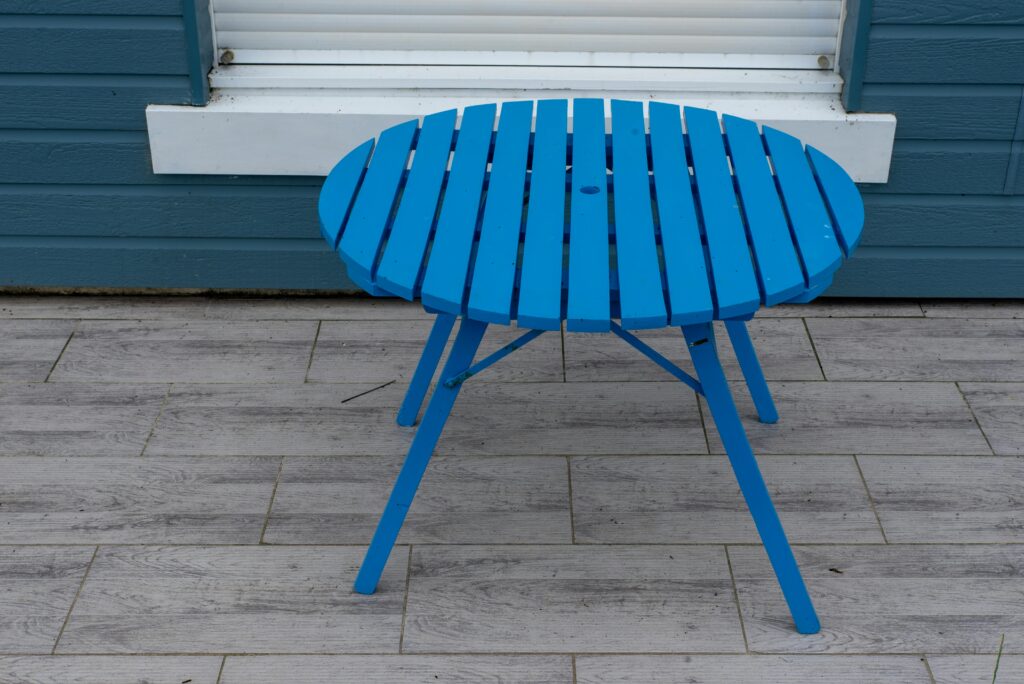
Best Material For Outdoor Table For Flexible Layouts – Wicker Resin Outdoor Table
Wicker resin tables make sense in spaces that don’t stay fixed. If you rearrange seating often or shift things around depending on the occasion, this material makes that easy without feeling flimsy.
In everyday use, the woven surface softens the overall look of a patio while the underlying frame—usually aluminum—keeps it stable enough for regular use. It won’t feel as rigid as metal or stone, but for relaxed setups, that slight give is rarely an issue.
Key Specifications
| Feature | Specification |
| Material | Resin Wicker (Over Aluminum Frame) |
| Capacity | 2–6 people |
| Weight | Lightweight |
| Weather Resistance | High |
| Maintenance | Low |
| Price | $150–$800 |
Pros And Cons
| Pros | Cons |
| Easy to move and rearrange | Less rigid than solid materials |
| Weather-resistant synthetic weave | Can loosen over time |
| Comfortable, casual appearance | Not ideal for heavy loads |
Key Features
Flexible Structure
Adapts well to changing layouts and seating arrangements
Weather-Resistant Build
Handles moisture and sunlight with minimal damage
Lightweight Frame
Simple to reposition without effort
Best For
- Frequently rearranged outdoor spaces
- Casual patio setups
- Users prioritizing flexibility
Performance And Real-World Use
| Aspect | Performance |
| Daily Use | Suitable for moderate use |
| Weather Exposure | Performs well in typical conditions |
| Maintenance | Low upkeep required |
| Usability | Highly flexible and portable |
Wicker resin fits best where movement and layout flexibility matter more than structural rigidity.
Best Material For Outdoor Table For Luxury Design – Natural Stone Outdoor Table
Natural stone tables change the tone of an outdoor space immediately. The surface has depth, variation, and weight that feels intentional rather than manufactured, especially with materials like granite or marble.
In practical use, stone stays relatively stable under heat and doesn’t degrade easily with exposure. It does need some care to avoid staining or surface wear, but for spaces designed around visual impact, that extra attention is usually expected.
Key Specifications
| Feature | Specification |
| Material | Natural Stone (Granite/Marble/Slate) |
| Capacity | 4–10 people |
| Weight | Heavy |
| Weather Resistance | High |
| Maintenance | Medium |
| Price | $700–$3,500 |
Pros And Cons
| Pros | Cons |
| Premium, unique appearance | Heavy and difficult to move |
| Strong and weather-resistant | Requires periodic sealing |
| Retains visual appeal over time | Higher cost |
Key Features
Natural Surface Variation
Each table has unique patterns and textures
Heat Resistance
Handles sun exposure without surface damage
Solid Construction
Provides long-term structural stability
Best For
- Design-focused outdoor spaces
- Permanent patio setups
- Users prioritizing aesthetics
Performance And Real-World Use
| Aspect | Performance |
| Daily Use | Durable and stable |
| Weather Exposure | Handles outdoor conditions well |
| Maintenance | Requires occasional care |
| Usability | Best for fixed placement |
Natural stone works best when the goal is to create a visually refined outdoor environment.
Types Of Material For Outdoor Table
Outdoor tables are available in several distinct material types, each designed to handle specific conditions and usage patterns. Understanding how these materials behave in real settings helps narrow down the most suitable option before focusing on design or size.
Wood Outdoor Tables
Wood remains one of the most commonly used materials due to its natural appearance and solid feel. Hardwoods like teak and acacia are often chosen because they hold up better outdoors than softer woods.
In practical use, wood offers a warm, organic look that fits most outdoor spaces. However, it does require occasional care to maintain its appearance and prevent surface wear.
- Works well in patios, gardens, and traditional setups
- Offers strong structural support and durability (especially hardwoods)
- Needs periodic sealing or oiling depending on the type
Metal Outdoor Tables
Metal tables include aluminum, steel, and wrought iron, each with different weight and durability characteristics. Aluminum is lightweight and rust-resistant, while steel provides more strength but can require protective coatings.
From a usability perspective, metal tables feel stable and consistent. They’re often used in modern or functional outdoor spaces where durability matters more than texture.
- Suitable for modern patios and outdoor kitchens
- Resistant to weather when properly treated
- Can heat up under direct sunlight
Plastic And Synthetic Tables
Plastic and synthetic materials, including resin and polywood, are designed for low maintenance and weather resistance. These materials don’t absorb moisture and are generally resistant to fading and cracking.
They’re commonly used in casual or high-use environments where convenience is more important than aesthetics. Cleaning is simple, and they don’t require additional treatments.
- Ideal for busy households or rental spaces
- Lightweight and easy to handle
- Lower maintenance compared to wood or metal
Stone And Concrete Tables
Stone and concrete tables are built for durability and long-term outdoor placement. These materials are heavy and stable, making them suitable for areas exposed to strong weather conditions.
In real-world use, they require little structural maintenance but may need surface care depending on the finish. Their weight makes them less flexible but highly reliable once installed.
- Best for permanent outdoor setups
- Extremely durable under harsh conditions
- Limited mobility due to weight
Each material type serves a different purpose depending on how the outdoor space is used. Choosing the right type becomes easier once you understand these core differences, which leads into how to evaluate the best option for your needs.
Learn more about the best outdoor patio lights in our guide.
How To Choose The Best Material For Outdoor Table
Choosing the right outdoor table material depends on how the table will be used, where it will be placed, and how much maintenance you’re willing to handle. Focusing on a few key factors helps narrow down the most practical option.
Space And Size Requirements
The size of your outdoor area directly influences which material works best. Smaller spaces benefit from lightweight materials that can be moved easily, while larger areas can support heavier, more permanent tables.
- Recommended:
• Best for small spaces: aluminum tables (compact and movable)
• Best for large patios: teak or concrete tables (stable and spacious)
Climate And Weather Conditions
Outdoor tables are constantly exposed to weather, so material choice should match local conditions. Humid or rainy environments require materials that resist moisture, while hot climates need surfaces that tolerate sun exposure.
- Recommended:
• Best for humid climates: aluminum or polywood (rust and moisture resistant)
• Best for extreme weather: concrete (high durability under stress)
Usage And Functionality
How often the table is used—and for what purpose—affects the material choice. Dining tables used daily need more durability than occasional-use tables.
- Recommended:
• Best for frequent use: teak or stainless steel (long-term reliability)
• Best for occasional use: plastic resin (cost-effective and simple)
Budget Considerations
Material cost varies widely, so aligning your budget with expected performance is important. Higher upfront costs often translate to longer lifespan and less frequent replacement.
- Recommended:
• Best budget option: plastic resin (low cost, basic use)
• Best long-term investment: teak or stainless steel (durability over time)
By evaluating these factors together, you can narrow down the material that fits both your space and usage needs without unnecessary compromise.
Quality And Performance Of Material For Outdoor Table
The performance of an outdoor table depends heavily on how the material behaves under daily use and long-term exposure. Evaluating quality goes beyond appearance and focuses on structure, reliability, and how well the material holds up over time.
Core Design And Functional Quality
| Aspect | Evaluation |
| Materials Used | Teak, aluminum, polywood, and concrete dominate for durability |
| Structural Build | Heavier materials offer better stability, lighter ones prioritize mobility |
| Surface Finish | Smooth finishes resist stains and simplify cleaning |
| Component Quality | Frames, joints, and fasteners affect long-term strength |
The way a table is built directly impacts how it feels during use. A well-constructed table doesn’t wobble, maintains alignment, and handles weight without stress points. Materials like teak and steel tend to offer better structural consistency, while lighter materials depend more on frame design.
Performance In Real-World Use
| Aspect | Evaluation |
| Weather Exposure | Teak, aluminum, and polywood perform well across climates |
| Moisture Resistance | Plastic-based and metal materials resist water effectively |
| Heat Handling | Stone and wood manage heat better than metal |
| Daily Usability | Smooth, stable surfaces improve usability |
Outdoor tables face constant environmental stress. Materials that resist water, UV exposure, and temperature changes tend to perform more consistently. For example, aluminum dries quickly after rain, while wood handles temperature changes more naturally.
Reliability And Operational Stability
| Aspect | Evaluation |
| Structural Durability | Concrete and steel maintain shape over time |
| Wear Resistance | Polywood and teak resist cracking and surface damage |
| Stability | Heavier materials provide better balance |
| Long-Term Use | High-density materials last longer |
Reliability becomes noticeable after extended use. Tables that maintain their shape, resist loosening joints, and handle repeated use without degradation provide better long-term value. Heavier materials often perform better in this area.
Protection, Safety, Or Durability Features
| Aspect | Evaluation |
| Weather Resistance | Aluminum and polywood resist corrosion and moisture |
| UV Protection | Treated wood and synthetic materials resist fading |
| Surface Protection | Coatings and sealants extend lifespan |
| Rust And Corrosion | Stainless steel and aluminum perform best |
Outdoor exposure can quickly damage lower-quality materials. Protective features such as coatings, natural oils, or synthetic composition help prevent deterioration. Materials designed for outdoor use typically include built-in resistance to these factors.
Longevity And Long-Term Value
| Aspect | Evaluation |
| Lifespan | Teak and concrete can last decades |
| Maintenance Needs | Polywood requires the least upkeep |
| Repairability | Wood is easier to repair than synthetic materials |
| Value Over Time | Higher upfront cost often means lower replacement frequency |
Long-term value depends on how often a table needs replacement or maintenance. Materials like teak justify their cost through longevity, while lower-cost options may need replacement sooner, increasing overall expense over time.
Understanding how materials perform helps identify which features matter most, leading into the core features that influence buying decisions.
Key Features Of Material For Outdoor Table
Outdoor table materials differ not just in composition but in how they function during everyday use. These features influence durability, comfort, and overall usability.
Weather Resistance
Materials exposed to outdoor conditions must handle rain, sun, and temperature changes without degrading. Aluminum, polywood, and teak perform well because they resist moisture and UV exposure naturally or through treatment.
Structural Stability
A table should remain stable under weight and regular use. Heavier materials like concrete and stone provide strong stability, while lighter materials rely on frame design and balance to maintain performance.
Maintenance Requirements
Some materials demand ongoing care, while others remain functional with minimal effort. Wood may require sealing or oiling, whereas synthetic materials typically need only basic cleaning.
Weight And Portability
Weight determines how easy it is to move or reposition the table. Aluminum and resin are easier to handle, while concrete and stone are better suited for fixed placements.
Surface Durability
The tabletop surface must resist scratches, stains, and general wear. Materials like stone and treated wood perform well here, while lower-cost plastics may show wear more quickly.
Each of these features plays a role in how the table performs in real-world conditions, making it easier to match material characteristics with specific needs.
View our review of the best permanent outdoor Christmas lights.
Safety, Maintenance, And Best Practices
Outdoor tables are exposed to weather, weight, and frequent use, so proper care and safe handling extend their lifespan and maintain usability. The level of attention required varies depending on the material, but a few consistent practices apply across most types.
Safe Usage Guidelines
Using outdoor tables correctly prevents unnecessary wear and potential damage. Stability and weight distribution are especially important for long-term performance.
- Place tables on even, stable surfaces to avoid stress on joints
- Avoid excessive weight beyond the table’s intended capacity
- Use protective pads under heavy objects to prevent surface damage
A stable setup reduces the risk of structural strain, especially for lighter materials like aluminum or resin.
Weather Protection
Continuous exposure to sun, rain, and temperature changes can gradually affect performance. Even weather-resistant materials benefit from basic protection.
- Use covers during prolonged exposure or off-season storage
- Position tables in shaded areas when possible
- Avoid standing water on surfaces to prevent staining or buildup
These small adjustments help maintain both appearance and structural integrity over time.
Cleaning And Routine Maintenance
Regular cleaning prevents buildup that can damage surfaces or reduce usability. The approach depends on the material but remains generally simple.
- Wipe surfaces with mild soap and water
- Avoid harsh chemicals that can damage finishes
- Clean spills quickly to prevent stains
Consistent cleaning keeps surfaces functional and reduces long-term wear.
Extending Product Lifespan
Long-term durability depends on how the table is used and maintained over time. Preventive care minimizes the need for repairs or replacement.
- Reapply protective coatings for wood when needed
- Tighten joints or hardware periodically
- Store lightweight tables indoors during extreme weather
Simple maintenance habits significantly improve how long a table remains usable.
With proper care in place, the next consideration is how different materials compare in terms of cost and long-term value.
Budget And Value Considerations
Outdoor table materials vary widely in price, and the cost often reflects durability, maintenance needs, and expected lifespan. Understanding these differences helps balance upfront investment with long-term value.
| Price Tier | Features | Performance Level | Best For | Trade-Offs |
| Budget | Basic materials, lightweight build | Moderate | Occasional use | Shorter lifespan |
| Mid-Range | Balanced durability and design | High | Regular outdoor use | Moderate cost |
| Premium | High-end materials, strong construction | Very High | Long-term use | Higher upfront cost |
Budget materials such as plastic resin offer an accessible starting point. They work well for temporary setups or occasional use but may require replacement sooner due to wear or fading.
Mid-range options like aluminum and polywood provide a noticeable upgrade in durability and usability. They handle regular outdoor exposure better and require less frequent replacement, making them a practical choice for most users.
Premium materials such as teak, stainless steel, and stone involve a higher initial cost but deliver long-term reliability. Over time, they often provide better value by reducing maintenance needs and replacement frequency.
Balancing cost with expected usage helps identify the most efficient investment, leading into how these tables are installed and positioned in outdoor spaces.
Installation, Setup, And Placement
Setting up an outdoor table is usually straightforward, but the process varies depending on the material, size, and weight. Some tables are ready to use out of the box, while others require assembly or careful positioning due to their structure.
DIY Setup Vs Professional Installation
Most outdoor tables fall into the DIY category, especially lightweight materials like aluminum, resin, or polywood. These typically involve simple assembly, such as attaching legs or securing a frame with basic tools.
Heavier materials change the setup process. Concrete and stone tables often require more than one person to position safely, and once placed, they are rarely moved again.
- DIY setup works well for:
- Lightweight aluminum or plastic tables
- Flat-pack designs with minimal hardware
- Temporary or flexible setups
- Professional or assisted setup is better for:
- Concrete or natural stone tables
- Large teak dining tables
- Permanent outdoor installations
Choosing the right setup approach avoids damage during installation and ensures the table remains stable in use.
Placement And Positioning Tips
Where the table is placed directly affects both usability and longevity. Exposure to sun, rain, and foot traffic should be considered before final positioning.
- Place tables on flat, stable surfaces to prevent wobbling
- Avoid direct ground contact for wood tables to reduce moisture exposure
- Position in shaded or partially covered areas to reduce UV impact
- Leave enough clearance around the table for comfortable movement
Good placement improves both comfort and durability, especially in frequently used outdoor areas.
With setup and positioning covered, it becomes easier to compare outdoor table materials with alternative options buyers often consider.
Material For Outdoor Table Vs Alternatives
Outdoor tables are often compared with alternative furniture solutions that serve similar purposes. Understanding these differences helps clarify when a dedicated outdoor table is the better choice.
| Feature | Material For Outdoor Table | Indoor Tables Used Outdoors |
| Weather Resistance | Designed for outdoor exposure | Limited resistance to moisture and sun |
| Durability | Built for long-term outdoor use | Prone to damage outdoors |
| Maintenance | Varies by material but generally manageable | Requires extra care outdoors |
| Cost Range | Wide range from budget to premium | May seem cheaper initially |
| Best For | Patios, gardens, outdoor dining | Temporary outdoor use |
| Limitations | Higher upfront cost for durable materials | Short lifespan outdoors |
| Practical Considerations | Designed for environmental stress | Not built for weather exposure |
Outdoor-specific materials are engineered to handle environmental stress such as UV exposure, moisture, and temperature changes. This makes them more reliable for long-term use compared to indoor tables placed outside.
Indoor tables used outdoors may seem convenient initially, but they often deteriorate quickly when exposed to weather. Warping, fading, and structural damage are common issues, especially with untreated wood or non-weatherproof finishes.
For users planning consistent outdoor use, investing in proper outdoor materials reduces maintenance and replacement costs over time.
This comparison highlights why choosing the right material matters, leading into who benefits most from these outdoor table options.
Who Should Buy Material For Outdoor Table
Different users benefit from different outdoor table materials depending on how they use their space. Identifying your needs makes it easier to choose a material that fits both lifestyle and environment.
Homeowners With Backyard Or Patio Space
Why It Works For Them
- Provides a dedicated outdoor dining or seating area
- Supports long-term use with durable materials like teak or concrete
- Enhances outdoor living spaces with functional furniture
Apartment Residents With Limited Space
Why It Works For Them
- Lightweight materials like aluminum or resin are easy to move
- Compact designs fit balconies or small patios
- Low-maintenance options reduce upkeep in smaller spaces
Families And Frequent Entertainers
Why It Works For Them
- Larger tables made from teak or steel handle repeated use
- Strong materials support heavier loads and frequent gatherings
- Durable surfaces resist wear from daily activity
Casual Users Or Occasional Outdoor Setups
Why It Works For Them
- Budget-friendly materials like plastic resin meet short-term needs
- Easy setup and storage for temporary use
- Minimal investment required
Choosing the right material becomes clearer when aligned with how the table will actually be used.
Benefits Of Using Material For Outdoor Table
Outdoor table materials are designed to handle conditions that indoor furniture cannot. These benefits directly impact usability, durability, and long-term value.
| Benefit | What It Improves | Practical Impact |
| Weather Resistance | Protection from rain and sun | Longer lifespan outdoors |
| Durability | Structural strength | Handles frequent use |
| Low Maintenance | Reduced upkeep effort | Saves time and cost |
| Versatility | Adaptability to different spaces | Fits various outdoor setups |
| Aesthetic Value | Visual appeal | Enhances outdoor environment |
Weather Resistance
Outdoor materials are built to withstand environmental exposure. This reduces the risk of damage from rain, sunlight, and temperature changes, allowing consistent use throughout the year.
Durability
Stronger materials like teak, aluminum, and concrete maintain their structure over time. This makes them suitable for both daily use and long-term placement without frequent replacement.
Low Maintenance
Materials such as polywood and aluminum require minimal care. This reduces the time spent on upkeep and makes them practical for busy users.
Versatility
Different materials suit different environments, from compact balconies to large patios. This flexibility allows users to match the table to their specific space and usage needs.
Aesthetic Value
Outdoor tables contribute to the overall look of a space. Materials like wood and stone add character, while metal and synthetic options offer a more modern appearance.
Understanding these benefits helps clarify why investing in the right material improves both functionality and overall outdoor experience.
Common Material For Outdoor Table Myths
Misconceptions around outdoor table materials often lead to poor buying decisions. Clarifying these myths helps set realistic expectations about durability, maintenance, and performance.
Myth: All Wood Outdoor Tables Rot Quickly
Reality
Not all wood behaves the same outdoors. Hardwoods like teak are naturally resistant to moisture and decay due to their oil content. When properly maintained, they last for years without structural issues.
Myth: Metal Tables Always Rust
Reality
Modern outdoor metals such as aluminum and stainless steel are specifically designed to resist corrosion. Rust typically occurs only in untreated or low-quality steel exposed to moisture over time.
Myth: Plastic Tables Are Too Weak For Regular Use
Reality
While basic plastic tables are lightweight, higher-quality resin and polywood materials offer solid durability. They can handle daily use without cracking or structural failure when properly manufactured.
Myth: Heavy Tables Are Always Better
Reality
Weight adds stability but doesn’t guarantee better performance. Lightweight materials like aluminum can still provide strong durability while offering easier mobility and flexibility.
Myth: Outdoor Tables Require Constant Maintenance
Reality
Many modern materials are designed for minimal upkeep. Polywood, aluminum, and resin tables require little more than occasional cleaning, making them suitable for low-maintenance use.
Clearing these misconceptions helps buyers focus on actual performance rather than assumptions.
Common Problems With Material For Outdoor Table
Outdoor tables can face issues depending on material choice, environment, and maintenance habits. Understanding these problems—and how to address them—helps prevent long-term damage.
Problems And Their Solutions
| Problem | Cause | Solution |
| Surface fading | Prolonged UV exposure | Use covers or UV-resistant materials |
| Rust or corrosion | Moisture exposure on untreated metal | Choose rust-resistant materials like aluminum |
| Cracking or warping | Temperature changes or poor material quality | Select high-quality hardwood or composite materials |
| Staining | Spills or moisture absorption | Clean promptly and use protective coatings |
| Structural loosening | Frequent use or improper setup | Tighten hardware and ensure stable placement |
Surface fading is common in materials exposed to direct sunlight for long periods. Using covers or placing tables in partially shaded areas reduces UV impact and preserves appearance.
Rust and corrosion typically affect untreated metals. Switching to aluminum or stainless steel eliminates most of these concerns and improves long-term durability.
Cracking or warping often results from poor material quality or extreme temperature shifts. Investing in well-constructed hardwood or composite tables reduces this risk significantly.
Stains can develop when spills are left unattended, especially on porous surfaces. Regular cleaning and protective finishes help maintain surface quality.
Structural loosening happens over time with frequent use. Periodic checks and tightening of joints keep the table stable and safe.
Addressing these issues early ensures consistent performance and extends the table’s usable life.
Browse our outdoor product reviews for deeper analysis and real-world testing insights.
Accessories, Add-Ons, And Enhancements
Outdoor tables become more functional with the right accessories. These additions improve usability, protect the table, and extend its lifespan without requiring major upgrades.
Protective Covers
Outdoor table covers help reduce exposure to sun, rain, and debris. Over time, this prevents fading, moisture buildup, and surface wear.
Using a fitted, weather-resistant cover is especially useful during off-seasons or in areas with unpredictable weather.
- Protects against UV damage and moisture
- Reduces cleaning frequency
- Extends overall lifespan
Table Umbrellas And Shade Solutions
Adding shade improves comfort and protects both the table and users from direct sunlight. Many outdoor tables include umbrella holes or compatibility with standalone bases.
Shade reduces heat buildup on surfaces like metal and stone, making the table more comfortable to use during warmer conditions.
- Improves usability in hot weather
- Protects surface from prolonged sun exposure
- Enhances outdoor comfort
Surface Protectors And Pads
Protective pads and mats prevent scratches, stains, and heat damage from cookware or decorative items. This is especially useful for wood and stone surfaces.
They act as a barrier between the table and heavy or hot objects, preserving the finish over time.
- Prevents scratches and surface wear
- Reduces risk of stains
- Protects against heat damage
Replacement Parts And Maintenance Kits
Some materials, particularly wood and metal, benefit from occasional maintenance. Oils, sealants, and replacement hardware help maintain performance and appearance.
Keeping basic maintenance supplies on hand makes it easier to address minor issues before they become larger problems.
- Supports long-term durability
- Maintains structural integrity
- Reduces need for full replacement
These enhancements improve both functionality and longevity, making the table more adaptable to different use scenarios.
The Best Material For Outdoor Table Trends (2026)
Outdoor furniture materials continue to evolve, focusing on durability, sustainability, and improved usability. These trends reflect how buyers are prioritizing long-term value and convenience.
Sustainable And Recycled Materials
There is a growing shift toward eco-friendly materials such as recycled plastic (polywood). These materials reduce environmental impact while maintaining durability.
They also offer practical benefits like resistance to moisture and minimal maintenance, making them increasingly popular.
- Increased use of recycled materials
- Reduced environmental footprint
- Durable and low-maintenance performance
Hybrid Material Designs
Manufacturers are combining materials like metal frames with wood or synthetic surfaces. This approach balances strength, weight, and aesthetics.
Hybrid designs allow users to benefit from multiple material properties without compromising usability.
- Combines durability with visual appeal
- Improves structural efficiency
- Expands design flexibility
Improved Weather Resistance Technologies
Advancements in coatings and treatments have improved how materials handle outdoor exposure. UV-resistant finishes and anti-corrosion treatments extend lifespan.
These improvements reduce maintenance needs and help materials retain their appearance longer.
- Enhanced UV protection
- Better resistance to moisture and corrosion
- Longer-lasting surface finishes
Minimalist And Functional Design Trends
Outdoor tables are increasingly designed with simplicity and practicality in mind. Clean lines and functional layouts are becoming more common.
This trend aligns with modern outdoor spaces that prioritize usability and visual clarity.
- Focus on simple, clean designs
- Emphasis on functionality
- Adaptability to different outdoor environments
These trends highlight how outdoor table materials are evolving to meet changing user expectations.
Lifespan And Long-Term Reliability Of Material For Outdoor Table
How long an outdoor table lasts depends less on brand and more on material choice, exposure, and upkeep. Some materials hold steady for decades, while others are better suited for short-term or seasonal use.
Material Durability And Construction
Different materials age in noticeably different ways. Teak and concrete tend to hold their structure with minimal change, even after years outdoors. Aluminum stays consistent without rusting, while lower-grade plastics may become brittle over time.
Well-built tables with solid joints and stable frames maintain their shape longer, especially under regular use.
Environmental Exposure And Usage Conditions
Outdoor conditions play a major role in lifespan. Constant sun exposure can fade surfaces, while moisture can weaken untreated materials. Heavily used tables also show wear faster than those used occasionally.
Covered patios and shaded areas naturally extend the life of most materials compared to fully exposed setups.
Maintenance Impact On Longevity
Maintenance doesn’t need to be complex, but it does affect how long a table lasts. Wood benefits from occasional oiling, while metal may need cleaning to prevent buildup. Synthetic materials generally require the least attention.
Small, consistent upkeep prevents larger issues like cracking, fading, or corrosion.
Expected Lifespan By Material
- Teak wood: 15–25+ years with proper care
- Aluminum: 10–20 years with minimal maintenance
- Polywood: 10–15 years with consistent performance
- Concrete/stone: 20+ years in stable conditions
- Plastic resin: 3–10 years depending on quality
Choosing a material aligned with your environment and usage habits ensures better long-term reliability.
Real User Feedback And Expert Opinions
Real-world use often reveals details that specifications don’t. Feedback from users and insights from experts highlight how outdoor table materials perform over time in practical settings.
Summary Of User Feedback
| Aspect | Insight |
| Durability | Teak, aluminum, and concrete receive the most consistent positive feedback |
| Maintenance | Polywood and resin are preferred for low upkeep |
| Aesthetics | Wood and stone are favored for visual appeal |
| Value | Mid-range materials balance cost and performance best |
User Feedback
What Users Appreciate
- Long-lasting performance of teak and metal tables
- Ease of cleaning with synthetic materials
- Stability of heavier tables in outdoor conditions
- Minimal maintenance requirements for polywood
Common Complaints
- Fading in lower-quality plastic tables
- Heat retention in metal surfaces under direct sun
- Weight challenges with concrete or stone tables
- Maintenance needs for natural wood
Expert Opinion
Performance Insights
Experts consistently recommend matching material to climate. Aluminum and polywood perform well in humid areas, while teak handles a wide range of conditions.
Durability Evaluation
Dense materials like teak and concrete are often rated highest for long-term reliability, especially in exposed environments.
Buying Recommendations
For most users, mid-range materials like aluminum or polywood offer the best balance of cost, durability, and ease of use. Premium materials are better suited for long-term, design-focused setups.
These insights reinforce the importance of choosing materials based on real usage rather than assumptions.
How We Tested And Selected The Best Material For Outdoor Table
Choosing the right material required comparing how each option performs under real outdoor conditions rather than relying only on specifications. The focus was on durability, usability, and long-term value across different environments.
Evaluation Criteria
- Durability and build quality across weather conditions
- Resistance to moisture, UV exposure, and temperature changes
- Ease of maintenance and cleaning requirements
- Structural stability during regular use
- Value for money based on lifespan and performance
- Consistency of user feedback and expert insights
These criteria ensured that each material was assessed based on practical performance rather than just theoretical advantages.
Testing Methods
The evaluation combined comparative analysis with real-world usage scenarios. Materials were assessed based on how they behave in common outdoor setups such as patios, gardens, and exposed areas.
- Reviewed performance in different climates and conditions
- Compared maintenance needs across materials
- Analyzed durability based on long-term usage patterns
- Evaluated stability, usability, and structural consistency
This approach helped identify materials that perform reliably over time, not just those that look good initially.
FAQs About Material For Outdoor Table
Choosing the right material often raises practical questions about durability, maintenance, and long-term value. Below are clear answers to the most common concerns buyers have.
What is the most durable material for an outdoor table?
Concrete and teak are among the most durable materials, handling extreme weather and long-term use with minimal structural degradation compared to lighter or lower-quality materials.
Which outdoor table material requires the least maintenance?
Polywood and aluminum require the least maintenance, as they resist moisture, fading, and corrosion, needing only occasional cleaning without sealing, staining, or protective treatments.
Is wood a good material for outdoor tables?
Yes, hardwoods like teak perform well outdoors due to natural oils that resist moisture and decay, but they require occasional maintenance to preserve appearance.
Do metal outdoor tables rust over time?
Not all metal tables rust. Aluminum and stainless steel resist corrosion, while untreated steel may rust if exposed to moisture without protective coatings.
What material is best for outdoor tables in hot climates?
Teak, stone, and polywood perform well in hot climates, as they handle sun exposure without excessive heat retention or surface damage compared to some metals.
Are plastic outdoor tables durable enough for daily use?
High-quality resin or polywood tables are durable enough for daily use, though basic plastic tables may wear faster under heavy or prolonged exposure.
Which material is best for coastal or humid environments?
Aluminum, stainless steel, and polywood are ideal for humid or coastal areas because they resist moisture, corrosion, and salt exposure effectively.
How long do outdoor table materials typically last?
Lifespan varies by material, with teak and concrete lasting over 20 years, aluminum around 10–20 years, and plastic materials typically lasting 3–10 years.
Is a heavy outdoor table better than a lightweight one?
Heavier tables offer more stability in windy conditions, but lightweight materials provide flexibility and ease of movement, making them better for smaller or adaptable spaces.
What is the best budget-friendly material for outdoor tables?
Plastic resin is the most budget-friendly option, offering basic weather resistance and usability, though it may not match the durability of higher-end materials.
Can outdoor tables stay outside year-round?
Most outdoor tables can remain outside year-round if made from weather-resistant materials, but using covers or sheltered placement helps extend lifespan and maintain appearance.
These FAQs address the most important considerations when choosing outdoor table materials, leading into a final summary of the best options and recommendations.
Final Verdict – Which Material For Outdoor Table Should You Get?
The right material depends on your climate, usage, and how much maintenance you’re willing to handle.
- Choose teak if you want long-term durability with a natural look
- Choose aluminum if you need a lightweight, low-maintenance option
- Choose polywood if you want minimal upkeep with consistent performance
- Choose concrete if you need maximum durability in harsh conditions
- Choose stainless steel for modern design with strong weather resistance
- Choose plastic resin if you need an affordable, short-term solution
Match the material to your environment and usage to get the most reliable performance over time.