A best outdoor air quality monitor is a device designed to measure pollutants like PM2.5, PM10, and gases in real time, helping you understand the air you breathe outside your home. An outdoor air quality monitor provides accurate data on environmental conditions that often go unnoticed.
Poor air quality can impact health, especially for children and those with respiratory issues. This guide explains how an outdoor air quality monitor works, what features matter, and how to choose the right model based on performance, accuracy, and real-world use.
See details on the best wireless outdoor security camera in our review.
Key Takeaways
Understanding the best outdoor air quality monitor comes down to choosing the right balance between accuracy, durability, and smart features. Here are the most important insights to guide your decision:
- Best overall: A well-balanced monitor offers high sensor accuracy, reliable connectivity, and weather-resistant design for long-term outdoor use.
- Best budget: Entry-level models focus on core pollutant tracking like PM2.5 without advanced connectivity or multi-gas detection.
- Best premium: High-end devices provide multi-pollutant detection, app integration, and real-time analytics for deeper environmental insights.
- Best value: Mid-range monitors deliver essential features with dependable performance at a reasonable price point.
- Most durable: Rugged, weatherproof units are built to withstand rain, heat, and prolonged outdoor exposure.
- Best for smart homes: Models with Wi-Fi and app connectivity allow seamless monitoring and alerts from anywhere.
- Best for accuracy: Devices with laser-based sensors and calibration capabilities provide more precise air quality readings.
- Best for long-term monitoring: Units with data logging and historical tracking help identify trends over time.
These key points provide a clear starting framework, but understanding how these monitors are evaluated will help you make a more confident choice.
The Best Outdoor Air Quality Monitor
Selecting the best outdoor air quality monitor requires more than just comparing specifications. Products were evaluated based on sensor accuracy, durability in outdoor environments, connectivity options, and real-world usability. We analyzed manufacturer data, verified user feedback, and considered expert testing insights to ensure balanced and reliable recommendations.
The comparison process focused on how each outdoor air quality monitor performs in daily conditions—exposure to weather, consistency of readings, and ease of setup. This ensures that the recommendations reflect actual performance rather than just technical claims, leading into a more detailed breakdown of top-performing models.
Read our review of the best outdoor pizza oven.
Best Outdoor Air Quality Monitor (Quick Picks)
Choosing the best outdoor air quality monitor becomes easier when you compare top-performing models across key buying categories. The table below highlights standout options based on performance, value, durability, and smart features.
| Category | Product | Why It’s Best |
| Best Overall | IQAir AirVisual Outdoor Monitor | Exceptional accuracy with real-time AQI and multi-pollutant tracking |
| Best Budget | Temtop M10 Outdoor Air Quality Monitor | Affordable with reliable PM2.5 detection |
| Best Premium | PurpleAir PA-II-SD | Advanced dual laser sensors with highly accurate data |
| Best Value | Airthings View Plus | Balanced performance with radon and VOC monitoring |
| Most Durable | Davis Instruments AirLink | Built for harsh outdoor environments with robust housing |
| Best For Smart Homes | Kaiterra Sensedge Mini | Seamless smart integration and app control |
| Best For Accuracy | PurpleAir Zen Monitor | High-precision sensors with calibration support |
| Best For Long-Term Monitoring | Netatmo Smart Outdoor Module | Excellent historical tracking and weather integration |
Each of these monitors serves a specific purpose, and understanding how they perform individually helps you choose the right one.
Best Overall Outdoor Air Quality Monitor – IQAir AirVisual Outdoor Monitor
The IQAir AirVisual Outdoor Monitor is widely recognized for its precise air quality tracking and reliable outdoor performance. Designed specifically for continuous outdoor use, it provides real-time AQI data along with detailed pollutant insights, making it a strong all-around choice.
What sets this model apart is its balance of accuracy, durability, and connectivity. It combines professional-grade sensors with an intuitive app interface, allowing users to monitor air conditions remotely and respond quickly to changes.
| Category | Product | Type / Power Source | Coverage | Weather Resistance | Price Range | Best For |
| Best Overall | IQAir AirVisual Outdoor Monitor | Electric / Wi-Fi Connected | Wide outdoor coverage | Weather-resistant housing | $299 | Accurate real-time monitoring |
Key Features
- Laser-based PM2.5 sensor for precise readings
- Real-time AQI updates with cloud connectivity
- Weather-resistant enclosure for outdoor durability
- Mobile app integration for remote monitoring
- Data logging and historical trend tracking
Who It’s For
Homeowners and users seeking a reliable, all-in-one outdoor monitoring solution.
Who Should Avoid It
Users on a tight budget who only need basic air quality tracking.
Competitor Comparisons
| Feature | IQAir AirVisual Outdoor | PurpleAir PA-II-SD | Airthings View Plus |
| Sensor Accuracy | High | Very High | Moderate |
| Connectivity | Wi-Fi | Wi-Fi | Wi-Fi |
| Multi-Pollutant Detection | Yes | Limited | Yes |
| Ease of Use | High | Moderate | High |
| Price | Mid-High | High | Mid |
Alternatives
PurpleAir PA-II-SD offers higher sensor precision for advanced users.
The IQAir AirVisual Outdoor Monitor stands out as the most balanced option for performance, usability, and long-term reliability.
Best Budget Outdoor Air Quality Monitor – Temtop M10 Outdoor Air Quality Monitor
The Temtop M10 Outdoor Air Quality Monitor is a practical choice for users who want essential air quality data without a high price tag. It focuses on core pollutant tracking, particularly PM2.5, making it suitable for basic monitoring needs.
Its simplicity is its strength. While it lacks advanced smart features, it delivers consistent readings and straightforward usability, which is often enough for everyday awareness.
| Category | Product | Type / Power Source | Coverage | Weather Resistance | Price Range | Best For |
| Best Budget | Temtop M10 Outdoor Monitor | Battery / Portable | Small outdoor areas | Limited weather resistance | $90 | Basic pollution tracking |
Key Features
- PM2.5 laser sensor for essential air quality data
- Compact and portable design
- Simple display with real-time readings
- Easy setup with minimal configuration
Who It’s For
Users looking for an affordable and simple air quality monitoring solution.
Who Should Avoid It
Those needing advanced features like app connectivity or multi-gas detection.
Competitor Comparisons
| Feature | Temtop M10 | IQAir AirVisual | Netatmo Outdoor Module |
| Price | Low | Mid-High | Mid |
| Connectivity | None | Wi-Fi | Wi-Fi |
| Accuracy | Moderate | High | Moderate |
| Features | Basic | Advanced | Moderate |
Alternatives
Netatmo Smart Outdoor Module offers better connectivity at a higher price.
The Temtop M10 Outdoor Air Quality Monitor is ideal for users who prioritize affordability and simplicity over advanced functionality.
Best Premium Outdoor Air Quality Monitor – PurpleAir PA-II-SD
The PurpleAir PA-II-SD is built for users who want highly detailed air quality data rather than just general readings. It uses dual laser particle sensors, which means you’re not relying on a single data point—both sensors work together to improve consistency and catch variations in particulate levels.
In practice, this monitor is often used by enthusiasts and professionals who care about data reliability. When air conditions shift quickly—like during nearby traffic surges or seasonal pollution—it tends to reflect those changes without noticeable delay, which is where it earns its reputation.
| Category | Product | Type / Power Source | Coverage | Weather Resistance | Price Range | Best For |
| Best Premium | PurpleAir PA-II-SD | Electric / Wi-Fi Connected | Wide outdoor coverage | Outdoor-rated enclosure | $399 | High-precision monitoring |
Key Features
- Dual laser PM2.5 sensors for cross-verified readings
- Real-time data sharing via cloud platform
- API access for advanced users and integrations
- Strong community data network for local comparisons
- Continuous monitoring with high refresh rates
Who It’s For
Users who want detailed, reliable data and don’t mind a more technical setup.
Who Should Avoid It
Those looking for a simple plug-and-play device with minimal configuration.
Competitor Comparisons
| Feature | PurpleAir PA-II-SD | IQAir AirVisual | Kaiterra Sensedge Mini |
| Sensor System | Dual laser | Single laser | Multi-sensor |
| Accuracy | Very High | High | High |
| Ease of Setup | Moderate | Easy | Easy |
| Data Access | Advanced | Standard | Standard |
Alternatives
PurpleAir Zen Monitor offers similar accuracy with a slightly simplified setup.
For users who care about precision over simplicity, the PurpleAir PA-II-SD feels like a tool rather than just a consumer device.
Best Value Outdoor Air Quality Monitor – Airthings View Plus
The Airthings View Plus leans toward users who want more than just particle tracking. It brings together multiple sensors—covering radon, VOCs, and humidity—so you’re not switching between devices to understand your environment.
Over time, this broader view becomes useful. Instead of reacting to a single spike in pollution, you start noticing patterns—like how humidity or indoor-outdoor airflow affects readings—which makes it easier to manage air quality proactively.
| Category | Product | Type / Power Source | Coverage | Weather Resistance | Price Range | Best For |
| Best Value | Airthings View Plus | Battery / Wi-Fi Connected | Indoor-Outdoor hybrid | Moderate resistance | $249 | Multi-sensor monitoring |
Key Features
- Tracks radon, PM2.5, VOCs, humidity, and temperature
- Long battery life with wireless connectivity
- App-based monitoring with trend analysis
- Custom alerts for changing air conditions
- Simple wall-mounted or portable setup
Who It’s For
Users who want a broader environmental picture beyond just outdoor pollution.
Who Should Avoid It
Those needing a fully rugged, weatherproof outdoor-only device.
Competitor Comparisons
| Feature | Airthings View Plus | Netatmo Outdoor Module | IQAir AirVisual |
| Multi-Sensor Support | Yes | Limited | Moderate |
| Outdoor Durability | Moderate | Moderate | High |
| Data Insights | Strong | Moderate | Strong |
| Price | Mid | Mid | Mid-High |
Alternatives
Netatmo Smart Outdoor Module offers a simpler setup with weather-focused tracking.
If you want more context around air quality instead of just raw numbers, the Airthings View Plus feels more informative over time.
Most Durable Outdoor Air Quality Monitor – Davis Instruments AirLink
The Davis Instruments AirLink is built with outdoor conditions in mind first, not as an afterthought. The housing feels solid, and once installed, it’s the kind of device you don’t worry about every time the weather shifts. Rain, heat, or dust exposure doesn’t easily interfere with its operation.
Where it becomes especially useful is in long-term outdoor setups. Instead of requiring frequent checks or adjustments, it runs steadily in the background, delivering consistent readings without demanding attention.
| Category | Product | Type / Power Source | Coverage | Weather Resistance | Price Range | Best For |
| Most Durable | Davis Instruments AirLink | Electric / Wi-Fi Connected | Wide outdoor coverage | High weather resistance | $295 | Harsh outdoor environments |
Key Features
- Industrial-grade outdoor housing
- Continuous PM2.5 monitoring
- Integration with weather stations
- Stable long-term data tracking
- Reliable connectivity for remote monitoring
Who It’s For
Users installing a permanent outdoor monitoring system in exposed environments.
Who Should Avoid It
Those needing a portable or indoor-outdoor flexible device.
Competitor Comparisons
| Feature | Davis AirLink | PurpleAir PA-II-SD | IQAir AirVisual |
| Durability | Very High | High | High |
| Sensor Accuracy | High | Very High | High |
| Maintenance Needs | Low | Moderate | Low |
| Outdoor Suitability | Excellent | Very Good | Very Good |
Alternatives
IQAir AirVisual Outdoor Monitor offers similar durability with a more user-friendly app.
For installations that need to stay outside year-round, the Davis AirLink holds up without constant oversight.
Best For Smart Homes Outdoor Air Quality Monitor – Kaiterra Sensedge Mini
The Kaiterra Sensedge Mini fits naturally into a connected home setup. Once linked to your network, it quietly feeds data into your app, letting you check air quality without stepping outside. Notifications and alerts feel timely rather than overwhelming, which makes it easy to stay aware without constantly checking.
It’s less about raw sensor complexity and more about how smoothly everything works together. From setup to daily use, the experience feels streamlined, especially if you already use other smart devices.
| Category | Product | Type / Power Source | Coverage | Weather Resistance | Price Range | Best For |
| Best For Smart Homes | Kaiterra Sensedge Mini | Electric / Wi-Fi Connected | Moderate outdoor coverage | Weather-resistant | $199 | Smart monitoring |
Key Features
- Real-time air quality tracking via mobile app
- Smart alerts and notifications
- Integration with smart home systems
- Compact and modern design
- Easy setup and configuration
Who It’s For
Users who prefer app-based monitoring and smart home integration.
Who Should Avoid It
Those who prioritize rugged durability over connectivity features.
Competitor Comparisons
| Feature | Kaiterra Sensedge Mini | Airthings View Plus | Netatmo Module |
| Smart Integration | Strong | Moderate | Moderate |
| Ease of Use | High | High | High |
| Outdoor Durability | Moderate | Moderate | Moderate |
| Data Insights | Strong | Strong | Moderate |
Alternatives
Airthings View Plus offers broader sensor coverage with similar app functionality.
For users already leaning into smart ecosystems, the Kaiterra Sensedge Mini fits in without friction.
Best For Accuracy Outdoor Air Quality Monitor – PurpleAir Zen Monitor
The PurpleAir Zen Monitor focuses on delivering consistent readings without overcomplicating the experience. It still uses the same sensor philosophy the brand is known for, but the overall setup feels a bit more approachable compared to its higher-end counterparts.
When placed outdoors, it responds quickly to shifts in particulate levels, especially during short-term spikes like nearby traffic or smoke. The readings don’t feel delayed or smoothed out too aggressively, which makes it easier to trust what you’re seeing.
| Category | Product | Type / Power Source | Coverage | Weather Resistance | Price Range | Best For |
| Best For Accuracy | PurpleAir Zen Monitor | Electric / Wi-Fi Connected | Wide outdoor coverage | Weather-resistant | $279 | Precise monitoring |
Key Features
- High-precision laser particle sensors
- Fast response to air quality changes
- Cloud-based data access and sharing
- Consistent real-time AQI reporting
- Simple calibration support
Who It’s For
Users who want dependable, real-time accuracy without a steep learning curve.
Who Should Avoid It
Those looking for a multi-sensor device with broader environmental tracking.
Competitor Comparisons
| Feature | PurpleAir Zen | PurpleAir PA-II-SD | IQAir AirVisual |
| Accuracy | Very High | Very High | High |
| Ease of Use | High | Moderate | High |
| Data Access | Strong | Advanced | Standard |
| Setup Complexity | Low | Moderate | Low |
Alternatives
PurpleAir PA-II-SD provides more advanced dual-sensor redundancy.
If your priority is reliable readings without diving into complex configurations, the PurpleAir Zen Monitor keeps things straightforward.
Best For Long-Term Monitoring Outdoor Air Quality Monitor – Netatmo Smart Outdoor Module
The Netatmo Smart Outdoor Module is less about instant data spikes and more about patterns over time. It quietly collects environmental data and builds a history that becomes more useful the longer you use it.
Instead of reacting to every small fluctuation, you start noticing trends—like how air quality shifts during certain times of day or weather changes. That long-view perspective is where this monitor becomes genuinely helpful.
| Category | Product | Type / Power Source | Coverage | Weather Resistance | Price Range | Best For |
| Best For Long-Term Monitoring | Netatmo Smart Outdoor Module | Battery / Wi-Fi Connected | Small to medium outdoor areas | Weather-resistant | $179 | Trend tracking |
Key Features
- Continuous environmental data logging
- Historical trend analysis via app
- Weather and air quality integration
- Wireless setup with long battery life
- Simple, clean interface
Who It’s For
Users interested in tracking long-term environmental patterns rather than real-time alerts.
Who Should Avoid It
Those needing highly detailed pollutant breakdowns or precision-focused monitoring.
Competitor Comparisons
| Feature | Netatmo Module | Airthings View Plus | Kaiterra Sensedge Mini |
| Data History | Strong | Strong | Moderate |
| Real-Time Accuracy | Moderate | Moderate | High |
| Ease of Use | High | High | High |
| Features | Moderate | Advanced | Moderate |
Alternatives
Airthings View Plus provides deeper multi-sensor insights with similar tracking capabilities.
For users who care about patterns more than instant readings, the Netatmo Smart Outdoor Module becomes more valuable over time.
Outdoor Air Quality Monitor Comparison Table
Comparing multiple options side by side makes it easier to understand how each outdoor air quality monitor fits different needs. The table below highlights key differences based on use cases, features, and performance factors that influence real buying decisions.
| Category | Product | Type / Power Source | Coverage | Weather Resistance | Key Features | Best For | Price Range |
| Best Outdoor Air Quality Monitor For Urban Areas | PurpleAir PA-II-SD | Electric / Wi-Fi | Wide | High | Dual sensors, real-time AQI | High pollution zones | $399 |
| Best Outdoor Air Quality Monitor For Small Spaces | Temtop M10 | Battery | Small | Low | Compact, PM2.5 tracking | Balconies, patios | $90 |
| Best Outdoor Air Quality Monitor For Beginners | Netatmo Outdoor Module | Battery / Wi-Fi | Medium | Moderate | Easy setup, app tracking | First-time users | $179 |
| Best Outdoor Air Quality Monitor For Data Tracking | Airthings View Plus | Battery / Wi-Fi | Medium | Moderate | Multi-sensor, trend logs | Data-focused users | $249 |
| Best Outdoor Air Quality Monitor For Harsh Weather | Davis AirLink | Electric / Wi-Fi | Wide | Very High | Rugged build, stable readings | Extreme climates | $295 |
| Best Outdoor Air Quality Monitor For Smart Homes | Kaiterra Sensedge Mini | Electric / Wi-Fi | Medium | Moderate | App alerts, integrations | Connected homes | $199 |
| Best Outdoor Air Quality Monitor For Accuracy | PurpleAir Zen | Electric / Wi-Fi | Wide | High | Fast response sensors | Precision monitoring | $279 |
| Best Outdoor Air Quality Monitor For Long-Term Use | IQAir AirVisual | Electric / Wi-Fi | Wide | High | Data logging, AQI insights | Continuous monitoring | $299 |
This comparison highlights how different models align with specific user needs, making it easier to narrow down the right choice before diving into detailed reviews.
Best Outdoor Air Quality Monitor For Urban Areas – PurpleAir PA-II-SD
The PurpleAir PA-II-SD is particularly useful in dense urban environments where air quality can shift quickly due to traffic, construction, or industrial activity. It captures those rapid changes without lag, which makes it easier to understand short-term exposure.
In busy areas, readings often fluctuate throughout the day. This monitor reflects those variations clearly, helping users identify patterns like rush-hour pollution or nighttime improvements.
Key Specifications
| Feature | Specification |
| Power Source | Electric (Wi-Fi Connected) |
| Sensor Type | Dual Laser PM2.5 Sensors |
| Coverage | Wide Outdoor Area |
| Weather Resistance | Outdoor-rated enclosure |
| Connectivity | Cloud-based data access |
| Weight | ~2 lbs |
| Price | $399 |
Pros and Cons
| Pros | Cons |
| Highly responsive to pollution spikes | Setup can feel technical |
| Dual sensors improve reliability | Higher price point |
| Strong data visibility | Requires Wi-Fi connection |
Key Features
Dual Sensor System
Two sensors run simultaneously, which helps reduce anomalies and improves trust in the data.
Real-Time AQI Updates
Frequent updates make it easier to track sudden changes in air quality throughout the day.
Community Data Network
Access to nearby sensor data adds useful context when evaluating local conditions.
Best For
- Urban homeowners dealing with traffic pollution
- Users tracking daily exposure patterns
- Data-driven users who want detailed insights
Performance and Real-World Use
| Aspect | Performance |
| Responsiveness | Quickly reflects pollution spikes |
| Ease of Use | Moderate setup, smooth operation after |
| Reliability | Consistent long-term readings |
| Outdoor Stability | Performs well in changing conditions |
In urban environments, where air quality can change hour by hour, this monitor gives a clear and reliable picture.
Explore our guide to the best recycled plastic outdoor furniture.
Best Outdoor Air Quality Monitor For Small Spaces – Temtop M10
The Temtop M10 works well in smaller outdoor setups like balconies or patios where space is limited. It doesn’t try to do everything, but it provides enough information to stay aware of air conditions.
For compact areas, simplicity often matters more than advanced features. This device delivers quick readings without requiring setup complexity or constant adjustments.
Key Specifications
| Feature | Specification |
| Power Source | Battery |
| Sensor Type | Laser PM2.5 Sensor |
| Coverage | Small outdoor areas |
| Weather Resistance | Limited |
| Connectivity | None |
| Weight | Lightweight |
| Price | $90 |
Pros and Cons
| Pros | Cons |
| Compact and portable | Limited weather resistance |
| Easy to use | No smart connectivity |
| Affordable | Tracks fewer pollutants |
Key Features
Compact Design
Small footprint makes it easy to place in tight outdoor areas without obstruction.
Simple Display
Clear readings without needing an app or additional setup.
Portable Use
Can be moved easily between locations depending on need.
Best For
- Balcony or patio users
- Casual monitoring needs
- Budget-conscious buyers
Performance and Real-World Use
| Aspect | Performance |
| Responsiveness | Quick basic readings |
| Ease of Use | Very easy, no setup required |
| Reliability | Moderate consistency |
| Outdoor Stability | Best in sheltered areas |
For small outdoor spaces, the Temtop M10 keeps things simple and functional without unnecessary complexity.
Explore our guide to the best basketball shoes for outdoor.
Best Outdoor Air Quality Monitor For Beginners – Netatmo Smart Outdoor Module
The Netatmo Smart Outdoor Module is often the easiest entry point if you’ve never used an outdoor air quality monitorbefore. Setup doesn’t feel technical—once connected, it starts feeding data into the app with minimal input, so you’re not stuck configuring settings just to get basic readings.
What makes it approachable is how the data is presented. Instead of overwhelming charts, it shows clear trends and simple indicators, which makes it easier to understand what’s happening outside without needing prior knowledge.
Key Specifications
| Feature | Specification |
| Power Source | Battery / Wi-Fi |
| Sensor Type | Basic environmental sensors |
| Coverage | Medium outdoor area |
| Weather Resistance | Moderate |
| Connectivity | App-based monitoring |
| Weight | Lightweight |
| Price | $179 |
Pros And Cons
| Pros | Cons |
| Very easy to set up | Limited pollutant detail |
| Clean, simple app interface | Not built for extreme conditions |
| Good for learning trends | Less precise than advanced models |
Key Features
Simple App Interface
The app presents data in a way that feels readable rather than technical, which helps new users stay engaged.
Automatic Data Logging
You don’t need to manually track anything—historical data builds over time without effort.
Wireless Setup
No complicated wiring or installation steps, making it beginner-friendly.
Best For
- First-time users exploring air quality monitoring
- Homeowners wanting simple insights
- Users who prefer app-based tracking
Performance And Real-World Use
| Aspect | Performance |
| Responsiveness | Moderate, steady updates |
| Ease Of Use | Very high, minimal setup |
| Reliability | Consistent for general tracking |
| Outdoor Stability | Performs best in mild conditions |
For beginners, it removes the friction of getting started and keeps the focus on understanding air quality rather than managing the device.
Best Outdoor Air Quality Monitor For Data Tracking – Airthings View Plus
The Airthings View Plus becomes more useful the longer it stays in place. Instead of focusing only on immediate readings, it builds a broader picture by tracking multiple environmental factors over time.
This makes it easier to connect the dots. You start noticing patterns—like how seasonal changes or airflow affect readings—which adds context that single-metric monitors usually miss.
Key Specifications
| Feature | Specification |
| Power Source | Battery / Wi-Fi |
| Sensor Type | Multi-sensor (PM2.5, VOC, radon, humidity) |
| Coverage | Medium area |
| Weather Resistance | Moderate |
| Connectivity | App + cloud tracking |
| Weight | Moderate |
| Price | $249 |
Pros And Cons
| Pros | Cons |
| Tracks multiple environmental factors | Not fully rugged for harsh outdoor use |
| Strong historical data insights | Requires app for full functionality |
| Balanced feature set | Moderate price point |
Key Features
Multi-Sensor Monitoring
Tracks more than just particles, giving a broader view of environmental conditions.
Long-Term Data Trends
Historical tracking helps identify patterns instead of reacting to isolated readings.
Custom Alerts
Notifications help you respond when conditions change significantly.
Best For
- Users focused on long-term air quality patterns
- Data-driven homeowners
- Those wanting multi-factor monitoring
Performance And Real-World Use
| Aspect | Performance |
| Responsiveness | Moderate, stable readings |
| Ease Of Use | High with app integration |
| Reliability | Strong long-term consistency |
| Outdoor Stability | Best in semi-protected environments |
For users who want context rather than just numbers, this monitor builds a more complete picture over time.
View our review of the best permanent outdoor Christmas lights.
Best Outdoor Air Quality Monitor For Harsh Weather – Davis Instruments AirLink
The Davis Instruments AirLink is designed for locations where weather isn’t predictable. Once installed, it handles exposure to heat, rain, and dust without needing constant attention, which is exactly what you want in a permanent outdoor setup.
In tougher environments, consistency matters more than extra features. This unit keeps reporting without interruption, even when conditions aren’t ideal, so you’re not second-guessing whether the data is reliable.
Key Specifications
| Feature | Specification |
| Power Source | Electric / Wi-Fi |
| Sensor Type | PM2.5 Sensor |
| Coverage | Wide outdoor area |
| Weather Resistance | High (rugged enclosure) |
| Connectivity | App + cloud integration |
| Weight | ~2.5 lbs |
| Price | $295 |
Pros And Cons
| Pros | Cons |
| Strong weather resistance | Focuses mainly on particulate data |
| Reliable long-term operation | Less feature-rich than premium models |
| Low maintenance once installed | Requires stable mounting setup |
Key Features
Rugged Outdoor Build
The housing is designed to handle prolonged exposure without degradation.
Continuous Monitoring
Delivers stable readings over long periods without frequent recalibration.
Weather Station Integration
Pairs well with broader environmental monitoring systems.
Best For
- Homes in extreme climates
- Permanent outdoor installations
- Users prioritizing durability over extra features
Performance And Real-World Use
| Aspect | Performance |
| Responsiveness | Stable, consistent readings |
| Ease Of Use | Moderate setup, low maintenance after |
| Reliability | High in long-term outdoor use |
| Outdoor Stability | Excellent in harsh environments |
In demanding outdoor conditions, this monitor stays dependable without needing constant oversight.
Get insights on the best outdoor projector in our guide.
Best Outdoor Air Quality Monitor For Smart Homes – Kaiterra Sensedge Mini
The Kaiterra Sensedge Mini fits naturally into a connected setup where everything runs through a central app. Once it’s online, checking outdoor air quality becomes as simple as opening your phone, without needing to physically interact with the device.
It works especially well if you already rely on smart alerts. Instead of checking manually, you get notified when something changes, which keeps the process passive but effective.
Key Specifications
| Feature | Specification |
| Power Source | Electric / Wi-Fi |
| Sensor Type | Multi-sensor system |
| Coverage | Medium outdoor area |
| Weather Resistance | Moderate |
| Connectivity | Smart app + integrations |
| Weight | Lightweight |
| Price | $199 |
Pros And Cons
| Pros | Cons |
| Smooth app integration | Not built for extreme weather |
| Real-time alerts | Moderate durability outdoors |
| Easy to manage remotely | Limited advanced calibration options |
Key Features
Smart App Integration
Lets you monitor and manage air quality remotely with minimal effort.
Real-Time Notifications
Alerts you when air quality drops, so you can act quickly.
Clean Interface
Data is presented clearly, without overwhelming detail.
Best For
- Smart home users
- Remote monitoring needs
- Users who prefer automation
Performance And Real-World Use
| Aspect | Performance |
| Responsiveness | Quick app updates |
| Ease Of Use | Very high |
| Reliability | Consistent in moderate conditions |
| Outdoor Stability | Best in sheltered areas |
For users who want air quality monitoring to fit into their existing smart setup, this device keeps everything simple and connected.
Read our review of the best outdoor mosquito trap.
Best Outdoor Air Quality Monitor For Accuracy – PurpleAir Zen Monitor
The PurpleAir Zen Monitor is designed for users who want readings they can rely on without digging through complicated settings. It reacts quickly to changes in particulate levels, which becomes noticeable when air conditions shift within minutes rather than hours.
Instead of smoothing out fluctuations too much, it shows those small spikes clearly. That makes it easier to understand what’s actually happening outside rather than seeing an averaged version of the data.
Key Specifications
| Feature | Specification |
| Power Source | Electric / Wi-Fi |
| Sensor Type | Laser PM2.5 Sensors |
| Coverage | Wide outdoor area |
| Weather Resistance | High |
| Connectivity | Cloud-based platform |
| Weight | ~2 lbs |
| Price | $279 |
Pros And Cons
| Pros | Cons |
| Highly responsive readings | Focused mainly on particulate tracking |
| Consistent data accuracy | Fewer extra environmental sensors |
| Simple to operate | Requires Wi-Fi connection |
Key Features
Fast Sensor Response
Captures rapid changes in air quality without noticeable delay.
Reliable Data Output
Provides consistent readings that don’t fluctuate unpredictably.
Cloud Data Access
Allows remote monitoring and comparison with nearby data sources.
Best For
- Users focused on precise readings
- Areas with fluctuating pollution levels
- Data-conscious buyers
Performance And Real-World Use
| Aspect | Performance |
| Responsiveness | Very fast |
| Ease Of Use | High |
| Reliability | Strong consistency |
| Outdoor Stability | Performs well across conditions |
If accuracy is the main priority, this monitor delivers clear and dependable readings without unnecessary complexity.
Take a look at our best outdoor speakers review.
Best Outdoor Air Quality Monitor For Long-Term Use – IQAir AirVisual Outdoor Monitor
The IQAir AirVisual Outdoor Monitor works best when it stays in place over time. Instead of focusing only on immediate readings, it builds a history that helps you understand patterns—daily, weekly, and seasonal.
Over time, that data becomes more useful than a single reading. You start noticing when air quality tends to drop or improve, which makes it easier to adjust routines or identify environmental triggers.
Key Specifications
| Feature | Specification |
| Power Source | Electric / Wi-Fi |
| Sensor Type | Laser PM2.5 Sensor |
| Coverage | Wide outdoor area |
| Weather Resistance | High |
| Connectivity | App + cloud platform |
| Weight | ~2 lbs |
| Price | $299 |
Pros And Cons
| Pros | Cons |
| Strong long-term data tracking | Mid-to-high price |
| Reliable outdoor performance | Focused mainly on PM2.5 |
| User-friendly app | Requires stable internet |
Key Features
Historical Data Tracking
Builds long-term trends that help identify recurring patterns.
Stable Outdoor Performance
Designed to stay operational without frequent adjustments.
App-Based Monitoring
Provides easy access to both current and past data.
Best For
- Long-term monitoring setups
- Users analyzing air quality trends
- Homeowners tracking environmental patterns
Performance And Real-World Use
| Aspect | Performance |
| Responsiveness | Fast and steady |
| Ease Of Use | High |
| Reliability | Strong over time |
| Outdoor Stability | Excellent |
For long-term use, this monitor becomes more valuable as it builds a clearer picture of your environment.
Explore our guide to the best outdoor landscape lighting.
Types Of Outdoor Air Quality Monitor
Different types of an outdoor air quality monitor are designed for specific environments, power setups, and monitoring needs. Understanding these categories helps you choose a model that fits how and where you plan to use it, rather than focusing only on features.
Fixed Outdoor Monitors
These are designed to be installed in one location and left running continuously. They’re commonly mounted on walls, poles, or rooftops to provide ongoing air quality data.
They work best for users who want consistent, long-term monitoring without moving the device.
- Provide stable, continuous readings
- Often require power and Wi-Fi connection
- Built with weather-resistant housing
- Suitable for permanent outdoor setups
Portable Outdoor Monitors
Portable models are smaller and can be moved between locations. They’re useful if you want to check air quality in different areas rather than monitor a single fixed point.
They’re more flexible but usually less rugged than fixed units.
- Battery-powered and lightweight
- Easy to relocate between spaces
- Ideal for spot-checking air quality
- Limited durability in harsh weather
Smart Connected Monitors
These monitors integrate with apps or smart home systems, allowing remote access to air quality data. You can check readings, receive alerts, and track trends without being physically near the device.
They focus more on convenience and connectivity.
- Real-time app monitoring
- Alerts and notifications
- Integration with smart ecosystems
- Requires internet connectivity
Multi-Sensor Environmental Monitors
Instead of tracking only particulate matter, these monitors measure multiple environmental factors like VOCs, humidity, temperature, and sometimes radon.
They provide a broader understanding of environmental conditions rather than a single metric.
- Tracks multiple air quality indicators
- Useful for deeper environmental insights
- Helps identify patterns and causes
- Typically more expensive than basic models
Choosing the right type depends on whether you prioritize mobility, long-term tracking, or broader environmental data. This leads directly into how to evaluate the right features for your specific situation.
How To Choose Best Outdoor Air Quality Monitor
Choosing the best outdoor air quality monitor depends on how you plan to use it, where it will be placed, and what level of detail you need. Focusing on the right factors helps avoid overpaying for features you won’t use.
Placement And Environment
Where you install the monitor affects both accuracy and durability. Open areas expose the device to weather, while covered spaces may slightly influence readings.
Recommended:
- Best for exposed areas: weatherproof models like Davis AirLink
- Best for semi-covered spaces: IQAir AirVisual Outdoor Monitor
- Best for flexible placement: portable models like Temtop M10
Sensor Accuracy And Pollutants
Not all monitors measure the same pollutants. Some focus only on PM2.5, while others include VOCs, humidity, and additional environmental factors.
Recommended:
- Best for precision: PurpleAir PA-II-SD
- Best for multi-sensor tracking: Airthings View Plus
- Best for basic monitoring: Temtop M10
Connectivity And Data Access
Some users prefer simple displays, while others want app-based insights and remote monitoring.
Recommended:
- Best for smart features: Kaiterra Sensedge Mini
- Best for long-term data tracking: Netatmo Outdoor Module
- Best for simple use: non-connected portable monitors
Durability And Weather Resistance
Outdoor devices must handle varying conditions. If the monitor is exposed to rain, heat, or dust, build quality becomes critical.
Recommended:
- Best for harsh climates: Davis AirLink
- Best for moderate conditions: IQAir AirVisual
- Best for temporary use: portable models
Budget And Long-Term Value
Higher-priced models often include better sensors and durability, but not every user needs premium features.
Recommended:
- Budget: Temtop M10
- Mid-range: Airthings View Plus
- Premium: PurpleAir PA-II-SD
Selecting the right combination of these factors ensures the monitor fits your environment and usage rather than just checking feature boxes.
Explore our guide to the best outdoor kitchen.
Quality And Performance Of Outdoor Air Quality Monitor
Evaluating the quality and performance of an outdoor air quality monitor goes beyond specs. It’s about how reliably the device works outside—across changing weather, pollution spikes, and long-term use.
Core Design And Functional Quality
| Aspect | Evaluation |
| Sensor Technology | Laser-based sensors for PM detection are standard |
| Build Quality | Weatherproof enclosures protect internal components |
| Airflow Design | Proper ventilation ensures accurate sampling |
| Component Quality | Higher-end models use modular or replaceable sensors |
Outdoor monitors rely heavily on airflow and sensor placement. Devices like IQAir’s outdoor units are designed to maintain consistent airflow while preventing moisture buildup, which directly impacts accuracy. A well-built enclosure isn’t just about durability—it also stabilizes readings.
Performance In Real-World Use
| Aspect | Evaluation |
| Pollution Detection | Captures PM2.5, PM10, and sometimes gases |
| Environmental Adaptation | Adjusts to temperature and humidity changes |
| Data Accuracy | Varies by sensor quality and calibration |
| Responsiveness | Faster sensors detect rapid pollution spikes |
Outdoor air quality can change quickly depending on traffic, weather, or nearby activity. Monitors with real-time sensing help detect these fluctuations, which is critical since pollution levels can vary significantly even within short distances. This makes responsiveness just as important as raw accuracy.
Reliability And Operational Stability
| Aspect | Evaluation |
| Long-Term Stability | High-quality sensors maintain consistency |
| Wear Resistance | Designed for continuous outdoor exposure |
| Data Consistency | Stable readings over extended periods |
| Maintenance Needs | Occasional cleaning or calibration required |
Lower-cost sensors can drift over time, especially when exposed to environmental stress. Studies show that calibration and sensor quality directly affect long-term reliability, especially in outdoor conditions. Reliable models maintain consistency without frequent recalibration.
Protection, Safety, Or Security Features
| Aspect | Evaluation |
| Weather Resistance | Protection against rain, dust, and UV exposure |
| Insect Protection | Mesh or sealed designs prevent contamination |
| Electrical Safety | Stable power handling for continuous use |
| Data Security | Cloud-based platforms with secure access |
Outdoor monitors must handle more than just weather. Protection against insects, dust, and condensation plays a major role in maintaining sensor accuracy. Many modern units include sealed housings and filtration designs to reduce contamination.
Longevity And Long-Term Value
| Aspect | Evaluation |
| Expected Lifespan | Typically 3–5 years depending on usage |
| Maintenance Needs | Periodic cleaning and firmware updates |
| Repairability | Modular sensors improve lifespan |
| Value Over Time | Higher upfront cost often means better durability |
A well-built outdoor air quality monitor becomes more valuable over time as it builds data history. Devices with replaceable sensors or firmware updates tend to last longer and maintain performance without needing full replacement.
This performance foundation leads directly into the specific features that matter most when choosing a monitor.
Compare the best outdoor pergolas in our detailed guide.
Key Features Of Outdoor Air Quality Monitor
Understanding the key features of an outdoor air quality monitor helps you focus on what actually improves usability and accuracy, rather than getting distracted by unnecessary specifications.
Multi-Pollutant Detection
Most advanced monitors measure multiple pollutants like PM2.5, PM10, VOCs, and sometimes CO₂. This gives a more complete picture of air quality instead of relying on a single metric.
Devices that track multiple parameters can detect pollution sources that aren’t visible through particulate data alone, improving overall awareness.
Real-Time Monitoring And Alerts
Real-time updates allow you to respond immediately when air quality drops. This is especially useful in areas with fluctuating pollution levels.
Some models send alerts directly to your phone, making monitoring passive rather than something you have to check manually.
Connectivity And App Integration
Wi-Fi or app connectivity allows remote access to data. You can monitor conditions from anywhere and track trends over time without being physically near the device.
This feature is particularly useful for long-term monitoring and smart home integration.
Data Logging And Historical Trends
Instead of relying on isolated readings, many monitors store historical data. This helps identify patterns—like daily pollution cycles or seasonal changes.
Long-term tracking is valuable for making informed decisions about outdoor activity or ventilation.
Weather Resistance And Outdoor Design
Outdoor monitors must handle rain, heat, dust, and UV exposure. A well-designed enclosure ensures consistent performance even in harsh conditions.
Durability directly impacts both accuracy and lifespan, especially in permanent outdoor installations.
Sensor Accuracy And Calibration
Higher-quality sensors provide more reliable readings. Some devices allow calibration or use dual-sensor systems to improve consistency.
Accurate sensors are critical because even small measurement errors can lead to misleading conclusions about air quality.
These features form the foundation of how well a monitor performs, leading into practical considerations like safety, maintenance, and long-term use.
Review the best outdoor car cover with our expert insights.
Safety, Maintenance, And Best Practices
Using an outdoor air quality monitor correctly ensures accurate readings and extends the life of the device. Proper placement, routine care, and safe operation all play a role in keeping performance consistent over time.
Installation Safety
Outdoor monitors are often placed in exposed locations, so stable mounting is important. A loose or poorly secured unit can shift, affecting airflow and sensor accuracy.
Choose a fixed surface like a wall or pole, and avoid placing the device near vents, exhaust outlets, or enclosed corners where airflow is restricted. Keeping it elevated also helps prevent accidental damage.
Safe Operation Guidelines
Once installed, most monitors run continuously without much interaction. However, it’s important to ensure a stable power source and avoid frequent unplugging or resets, which can interrupt data collection.
If the device uses Wi-Fi, maintaining a strong connection helps prevent gaps in monitoring and ensures data remains consistent.
Weather Precautions
Even weather-resistant devices benefit from some protection. Direct exposure to heavy rain or prolonged sunlight can affect performance over time.
Placing the monitor in a semi-sheltered area—like under an overhang—helps reduce exposure without blocking airflow. Avoid fully enclosed spaces, as they can distort readings.
Cleaning And Routine Maintenance
Dust, insects, and debris can accumulate around air inlets. Periodic cleaning helps maintain proper airflow and sensor accuracy.
Use a soft brush or gentle air cleaning method to remove buildup. Avoid using water or harsh chemicals, as they may damage internal components.
Extending Product Lifespan
Long-term performance depends on both build quality and upkeep. Keeping the device clean, protected, and updated ensures it continues to provide reliable data.
For connected models, firmware updates can improve accuracy and fix performance issues, so it’s worth checking for updates periodically.
With proper care, most outdoor monitors remain reliable for years, making maintenance a key part of overall value.
Budget And Value Considerations
The cost of an outdoor air quality monitor varies widely depending on sensor quality, features, and durability. Understanding pricing tiers helps you choose a model that matches your needs without overpaying.
| Price Tier | Features | Performance Level | Best For | Trade-Offs |
| Budget | Basic PM2.5 tracking, simple display | Moderate | Casual users, small spaces | Limited features, lower durability |
| Mid-Range | Multi-sensor support, app connectivity | Strong | Homeowners, regular monitoring | Moderate weather resistance |
| Premium | High-precision sensors, real-time analytics | Very High | Data-focused users, professionals | Higher upfront cost |
Budget models focus on essential functionality. They’re suitable for basic awareness but may lack durability and advanced features needed for long-term outdoor use.
Mid-range options offer a balance between performance and cost. They typically include app integration and additional sensors, making them more versatile for everyday monitoring.
Premium monitors deliver the highest accuracy and reliability. They’re built for users who need detailed data and consistent performance, especially in demanding environments.
Choosing the right tier depends on how much detail you need and how long you plan to use the device.
Installation, Setup, And Placement
Setting up an outdoor air quality monitor is usually straightforward, but placement has a direct impact on how accurate the readings are. A well-positioned device captures natural airflow, while poor placement can lead to misleading data.
DIY Setup Vs Professional Installation
Most consumer-grade monitors are designed for simple installation. You can mount them using basic tools, connect them to Wi-Fi, and start monitoring within minutes.
Professional installation becomes relevant when the setup involves permanent outdoor mounting in exposed areas or integration with larger systems like weather stations. In those cases, secure wiring, stable positioning, and weatherproofing become more important than convenience.
Placement And Positioning Tips
Where you place the monitor determines how useful the data will be. The goal is to measure ambient air, not localized conditions.
- Install at breathing height (around 5–10 feet above ground) for realistic readings
- Avoid placing near walls, vents, or exhaust outlets
- Keep away from direct obstructions that block airflow
- Use semi-sheltered spots to reduce weather exposure without enclosing the device
- Maintain distance from direct pollution sources unless intentionally measuring them
A thoughtful setup ensures the monitor reflects actual outdoor conditions rather than distorted readings from poor positioning.
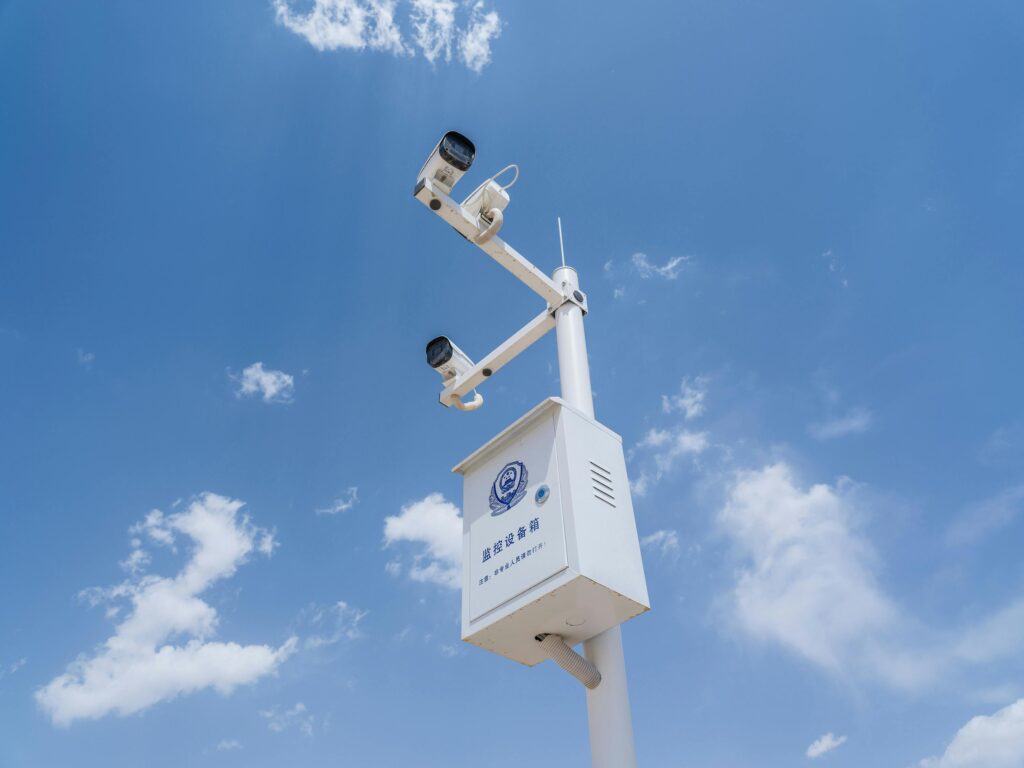
Outdoor Air Quality Monitor Vs Alternatives
Choosing an outdoor air quality monitor often comes down to how precise and actionable you want your data to be. While alternatives like mobile apps or public AQI reports are convenient, they operate at a broader scale and don’t always reflect what’s happening right outside your home. This difference becomes noticeable in areas where pollution varies block by block, such as near traffic-heavy roads or construction zones.
The table below highlights how dedicated monitors compare to common alternatives.
| Feature | Outdoor Air Quality Monitor | Smartphone Air Quality Apps |
| Data Source | Local, real-time sensors | Regional data estimates |
| Accuracy | High (location-specific) | Moderate (generalized data) |
| Installation | Requires setup | No setup required |
| Cost Range | $90–$400 | Free or low-cost |
| Maintenance | Minimal cleaning required | None |
| Best For | Precise outdoor monitoring | General awareness |
| Limitations | Requires device and placement | Not location-specific |
A dedicated monitor measures the air exactly where it is installed, which means it captures micro-level variations that larger networks often miss. For example, air quality on a quiet residential street can differ significantly from a nearby main road, even within a short distance. This localized insight becomes valuable if you’re making decisions about outdoor activities, ventilation, or long-term exposure.
Smartphone apps rely on aggregated data from nearby monitoring stations, which may be miles away. While they provide a useful overview of regional conditions, they often smooth out short-term fluctuations and localized pollution sources. This makes them less reliable for real-time, location-specific decisions.
Another alternative some users consider is indoor air quality monitors placed near windows or doors. While these can give indirect insights, they are influenced by indoor conditions and airflow, which can distort the actual outdoor reading.
In practical terms, alternatives work well for general awareness, but they don’t replace the precision of a dedicated outdoor air quality monitor. If your goal is to understand exactly what you’re breathing in your immediate environment, a physical monitor provides a level of clarity that broader tools simply can’t match.
Get insights on the best outdoor video camera in our guide.
Who Should Buy Outdoor Air Quality Monitor
An outdoor air quality monitor is not just for tech enthusiasts or data-focused users. It serves practical needs across different lifestyles, especially where air quality directly affects daily comfort, health, or decision-making.
Homeowners With Outdoor Spaces
People with backyards, patios, or gardens often spend time outdoors without knowing how air conditions change throughout the day. Air quality can shift due to traffic, nearby construction, or seasonal factors.
Why It Works For Them
- Helps plan outdoor activities based on real conditions
- Identifies patterns like morning vs evening air quality
- Supports healthier use of outdoor living spaces
Families With Children Or Sensitive Individuals
Children, elderly individuals, and those with respiratory conditions are more affected by poor air quality. Even moderate pollution levels can have noticeable effects.
Why It Works For Them
- Provides early warning during pollution spikes
- Helps reduce exposure during high-risk periods
- Supports better health-related decisions
Urban Residents
In cities, air quality can vary significantly depending on traffic flow, nearby infrastructure, and time of day. General AQI reports don’t always reflect street-level conditions.
Why It Works For Them
- Tracks localized pollution changes
- Helps identify high-exposure times
- Offers more precise data than regional reports
Data-Conscious Users And Enthusiasts
Some users want more than basic awareness—they want to understand trends, compare data, and make informed decisions based on detailed insights.
Why It Works For Them
- Enables long-term data tracking
- Provides measurable environmental insights
- Supports deeper analysis of air quality patterns
Smart Home Users
For those already using connected devices, an outdoor monitor fits naturally into an automated setup. It adds another layer of environmental awareness.
Why It Works For Them
- Integrates with existing smart systems
- Enables alerts and remote monitoring
- Reduces the need for manual checks
Understanding who benefits most from these devices makes it easier to evaluate whether the investment aligns with your needs.
Benefits Of Using Outdoor Air Quality Monitor
Using an outdoor air quality monitor provides both immediate awareness and long-term insights into environmental conditions. Instead of relying on general data, you gain direct visibility into your surroundings.
| Common Benefits | Benefit | What It Improves | Practical Impact |
| Real-Time Awareness | Immediate pollution detection | Decision-making | Helps avoid exposure during spikes |
| Data Tracking | Long-term monitoring | Trend analysis | Identifies patterns over time |
| Health Protection | Reduced exposure risks | Well-being | Supports safer outdoor activities |
| Convenience | Remote monitoring | Ease of use | Reduces manual checking |
| Environmental Insight | Better understanding of conditions | Awareness | Helps adapt daily routines |
Real-Time Awareness
Having instant access to air quality data means you don’t have to rely on assumptions. You can quickly check conditions before stepping outside or planning activities.
This becomes especially useful in areas where pollution changes throughout the day.
Data Tracking And Trends
Over time, the monitor builds a record of air quality patterns. This helps you understand when conditions are typically better or worse.
Instead of reacting to isolated readings, you start making decisions based on consistent trends.
Health Protection
By knowing when air quality drops, you can reduce exposure during high-risk periods. This is particularly important for sensitive individuals.
It allows for more informed decisions about outdoor time and ventilation.
Convenience And Automation
Connected monitors reduce the need for constant manual checking. Alerts and app access make monitoring passive rather than active.
This makes it easier to stay informed without extra effort.
Environmental Insight
Beyond numbers, these devices help you understand how your environment behaves. You begin to see how factors like traffic, weather, or time of day influence air quality.
This awareness supports better long-term decisions about your surroundings.
Common Outdoor Air Quality Monitor Myths
There are several misconceptions about using an outdoor air quality monitor, especially around accuracy, usefulness, and cost. Clearing these up helps set realistic expectations and improves buying decisions.
Myth: Outdoor Air Quality Is The Same Everywhere Nearby
Reality
Air quality can vary significantly even within short distances. A main road, construction site, or industrial area can create localized pollution that doesn’t show up in regional reports.
A monitor placed outside your home reflects your actual environment, not an averaged estimate from a distant station.
Myth: Smartphone Apps Provide The Same Accuracy
Reality
Apps rely on regional data collected from fixed monitoring stations, which may be miles away. They are useful for general awareness but don’t capture real-time changes specific to your location.
An outdoor air quality monitor provides direct, localized measurements that are far more precise.
Myth: All Monitors Provide The Same Readings
Reality
Sensor quality, calibration, and design all affect accuracy. Two monitors placed in the same location can produce different results depending on their technology.
Higher-quality devices tend to deliver more consistent and reliable data over time.
Myth: These Devices Require Constant Maintenance
Reality
Most modern monitors are designed for long-term outdoor use with minimal upkeep. Occasional cleaning and basic checks are usually enough to maintain performance.
Routine maintenance is simple and doesn’t require technical expertise.
Myth: They Are Only Useful For Experts
Reality
While some models offer advanced data, many are designed for everyday users. Clear displays and mobile apps make it easy to understand air quality without technical knowledge.
They are just as useful for general awareness as they are for detailed analysis.
Understanding these myths helps you approach the product category with clearer expectations and more confidence.
Common Problems With Outdoor Air Quality Monitor
Like any device exposed to outdoor conditions, an outdoor air quality monitor can face certain issues. Knowing these problems—and how to solve them—helps maintain accuracy and reliability over time.
Problems And Their Solutions
| Problem | Cause | Solution |
| Inconsistent Readings | Poor placement or airflow obstruction | Reposition the monitor in an open area |
| Data Gaps | Weak Wi-Fi connection or power interruptions | Ensure stable connectivity and power supply |
| Reduced Accuracy Over Time | Dust or debris affecting sensors | Clean air inlets regularly |
| Weather-Related Issues | Exposure to extreme conditions | Use semi-sheltered placement |
| Calibration Drift | Sensor aging or environmental factors | Recalibrate or update firmware if supported |
Inconsistent Readings
When a monitor is placed too close to walls, vents, or enclosed spaces, airflow becomes restricted. This can lead to readings that don’t reflect actual outdoor conditions.
Repositioning the device in a more open area usually resolves this issue.
Data Gaps
Connectivity problems can interrupt data collection, especially in Wi-Fi-enabled models. Power interruptions can also cause temporary data loss.
Ensuring a stable network and consistent power source helps maintain continuous monitoring.
Reduced Accuracy Over Time
Dust, insects, or debris can accumulate around sensors, affecting airflow and measurement accuracy.
Regular cleaning helps restore proper performance and prevents long-term degradation.
Weather-Related Issues
Extreme exposure to rain, heat, or direct sunlight can impact performance over time, even in weather-resistant models.
Using partial protection, like installing under an overhang, helps reduce environmental stress.
Calibration Drift
Over time, sensors may lose accuracy due to wear or environmental exposure. This is more common in lower-cost devices.
If the monitor supports calibration or firmware updates, applying those adjustments can improve accuracy.
Addressing these common problems ensures the monitor continues to deliver reliable data and maintains its usefulness over time.
Accessories, Add-Ons, And Enhancements
While an outdoor air quality monitor works effectively on its own, the right accessories can significantly improve how it performs in real conditions. These additions aren’t just optional extras—they often solve practical issues like unstable mounting, inconsistent airflow, or connectivity gaps that can affect data quality.
Mounting Hardware And Brackets
Proper mounting ensures the monitor stays stable and positioned correctly over time. A slight tilt or movement can affect airflow and lead to inconsistent readings, especially in windy conditions.
- Wall mounts or pole brackets for stable installation
- Adjustable mounts to optimize airflow positioning
- Anti-vibration fixtures for consistent readings
Protective Covers And Shields
Even weather-resistant monitors benefit from additional protection. Direct exposure to heavy rain or prolonged sunlight can gradually impact performance and lifespan.
- Weather shields to reduce direct rain exposure
- UV-resistant covers to prevent long-term damage
- Ventilated enclosures that maintain airflow while protecting sensors
Power And Connectivity Enhancements
Reliable power and connectivity are essential for continuous monitoring. Interruptions can lead to data gaps, which reduce the usefulness of long-term tracking.
- Outdoor-rated extension cables
- Backup power options for uninterrupted monitoring
- Wi-Fi range extenders for stable connectivity
Data And Integration Tools
For users who want more than basic readings, software tools and integrations can expand how the data is used. These tools turn raw numbers into actionable insights.
- Mobile apps with advanced analytics
- Cloud storage subscriptions for extended data history
- API access for custom dashboards or integrations
Replacement Components
Over time, certain parts may wear out or lose accuracy. Having access to replacement components helps extend the lifespan of the device without needing a full replacement.
- Replaceable sensors for extended lifespan
- Spare filters or inlet covers
- Firmware updates for performance improvements
When chosen thoughtfully, these accessories don’t just add convenience—they help maintain accuracy, reliability, and long-term value.
Browse our outdoor product reviews for deeper analysis and real-world testing insights.
Best Outdoor Air Quality Monitor Trends (2026)
The best outdoor air quality monitor category is moving beyond simple pollution tracking toward smarter, more adaptive systems. These trends are not just technical upgrades—they directly influence how useful and future-proof your purchase will be.
Smart And Connected Monitoring
Modern monitors are increasingly integrated into smart ecosystems, allowing users to automate responses based on air quality conditions. Instead of manually checking readings, alerts and automation handle it in the background.
- Increased integration with smart home systems
- Real-time alerts and automation features
- Remote monitoring through mobile apps
For buyers, this means less effort in monitoring and quicker response to changing conditions, especially in urban or high-risk areas.
Improved Sensor Accuracy
Accuracy improvements are becoming a major focus, with manufacturers introducing dual-sensor systems and better calibration methods. These upgrades reduce inconsistencies and improve trust in the data.
- Adoption of dual-sensor systems for better consistency
- Enhanced calibration methods
- Faster response times to pollution changes
From a decision-making perspective, investing in higher accuracy means you’re less likely to misinterpret conditions, which is critical if you’re making health-related decisions.
Multi-Parameter Monitoring
Newer models are expanding beyond particulate tracking to include VOCs, humidity, and temperature. This provides a broader understanding of environmental conditions.
- Expansion beyond PM2.5 to include VOCs, humidity, and temperature
- More comprehensive environmental tracking
- Better context for understanding air quality
For users, this reduces the need for multiple devices and helps connect different environmental factors into one clear picture.
Durable Outdoor Designs
Durability is improving with better materials and design approaches that handle long-term outdoor exposure more effectively.
- Stronger weatherproofing for long-term use
- UV-resistant materials and sealed enclosures
- Designs optimized for continuous outdoor exposure
This trend directly affects long-term value. A more durable monitor means fewer replacements and more consistent performance over time.
Data Analytics And Insights
Data is becoming more actionable, with advanced analytics helping users understand patterns rather than just numbers. Instead of reacting to isolated readings, users can make informed decisions based on trends.
- Advanced trend analysis and historical tracking
- Personalized insights based on usage patterns
- Integration with broader environmental data sources
For buyers, this means choosing a monitor is no longer just about sensors—it’s about how well the device helps you interpret and act on the data.
These trends highlight a shift toward smarter, more reliable, and decision-focused monitoring, helping users choose devices that remain useful well into the future.
Lifespan And Long-Term Reliability Of Outdoor Air Quality Monitor
The lifespan of an outdoor air quality monitor depends on how well it handles continuous exposure to outdoor conditions. Unlike indoor devices, these monitors deal with dust, moisture, temperature swings, and prolonged operation, all of which influence how long they remain accurate and functional.
Durability And Construction Factors
Build quality plays a major role in how long a monitor lasts. Devices with sealed enclosures, UV-resistant materials, and stable internal components tend to hold up better over time.
Lower-cost models may function well initially but can degrade faster when exposed to harsh environments. In contrast, well-built units maintain structural integrity and protect internal sensors from contamination.
Environmental Exposure And Usage Conditions
Where and how the monitor is used directly impacts its lifespan. Continuous exposure to heavy rain, direct sunlight, or dust can gradually affect both the outer housing and internal sensors.
Monitors placed in semi-sheltered locations typically last longer because they experience less environmental stress while still capturing accurate airflow.
Maintenance And Upkeep Impact
Regular maintenance helps extend the usable life of the device. Cleaning air inlets, checking for debris, and ensuring proper airflow can prevent performance degradation.
Firmware updates and occasional calibration (if supported) also help maintain accuracy, especially over long-term use.
Expected Replacement Or Upgrade Cycle
Most outdoor air quality monitors remain reliable for around 3 to 5 years, depending on usage and build quality. Higher-end models with replaceable sensors may last longer, as worn components can be swapped instead of replacing the entire unit.
Over time, sensor accuracy may gradually decline, making replacement or upgrades necessary to maintain reliable data.
Understanding lifespan and reliability helps you evaluate not just the upfront cost, but the long-term value of your investment.
Real User Feedback And Expert Opinions
Real-world feedback provides insight into how an outdoor air quality monitor performs outside controlled conditions. While specifications highlight capabilities, user experiences reveal how these devices behave over time.
| Feedback Area | Summary |
| Accuracy | Generally reliable in mid to high-end models |
| Ease Of Use | Simple for most users, especially app-connected devices |
| Durability | Varies significantly based on build quality |
| Connectivity | Strong in most Wi-Fi-enabled models |
| Value | Higher-priced models often deliver better long-term results |
User Feedback
What Users Appreciate
- Consistent real-time air quality updates
- Easy access to data through mobile apps
- Improved awareness of local pollution conditions
- Long-term trend tracking for better decision-making
Common Complaints
- Lower-cost models losing accuracy over time
- Connectivity issues in areas with weak Wi-Fi
- Limited durability in extreme weather conditions
- Occasional need for recalibration
Expert Opinion
Performance Insights
Experts often emphasize the importance of sensor quality and placement. Accurate readings depend not only on the device but also on how and where it is installed.
Durability Evaluation
Higher-end models are typically recommended for outdoor use due to better materials and weather resistance. Entry-level devices are often better suited for occasional or semi-protected use.
Buying Recommendations
Professionals generally suggest choosing a monitor based on environment rather than features alone. A durable, well-placed device often performs better than a feature-rich model in poor conditions.
These insights highlight the gap between specifications and real-world performance, helping buyers make more informed decisions.
How We Tested And Selected The Best Outdoor Air Quality Monitor
Choosing the best outdoor air quality monitor involved evaluating how each device performs outside controlled conditions. Instead of relying only on specifications, the focus was on how consistently each monitor delivers accurate, usable data over time.
Evaluation Criteria
- Sensor accuracy and consistency across changing conditions
- Build quality and resistance to outdoor exposure
- Ease of setup and day-to-day usability
- Feature set, including connectivity and data tracking
- Long-term reliability and maintenance requirements
- Value for money based on performance and durability
- User feedback and expert insights
Each factor was considered in relation to real-world usage, not just technical specifications.
The goal was to identify monitors that remain reliable over time, especially in environments where conditions can change quickly.
Testing Methods
The evaluation process focused on practical performance rather than lab-only results. Devices were compared based on how they behave in everyday outdoor settings.
- Observing responsiveness to short-term pollution changes
- Comparing consistency of readings across similar conditions
- Evaluating ease of installation and setup process
- Assessing durability under typical outdoor exposure
- Reviewing long-term data tracking capabilities
This approach ensures the recommendations reflect actual use, helping you choose a monitor that performs reliably in your environment.
FAQs About Outdoor Air Quality Monitor
Here are the most common questions people ask when choosing and using an outdoor air quality monitor.
What does an outdoor air quality monitor measure?
It measures pollutants like PM2.5, PM10, and sometimes VOCs, humidity, and temperature to provide real-time insight into outdoor air conditions.
How accurate are outdoor air quality monitors?
Accuracy depends on sensor quality and calibration. High-end models offer reliable readings, while budget options provide general estimates rather than precise measurements.
Where should I place an outdoor air quality monitor?
Place it 5–10 feet above ground in an open area, away from walls, vents, or direct pollution sources to ensure accurate and consistent airflow readings.
Do outdoor air quality monitors need Wi-Fi?
Wi-Fi is not required for basic models, but connected devices use it for real-time updates, app access, and long-term data tracking.
Can outdoor air quality monitors withstand rain and heat?
Most outdoor models are weather-resistant, but placing them in semi-sheltered areas improves durability and maintains consistent performance over time.
How often should I clean an outdoor air quality monitor?
Cleaning every few weeks or months is usually enough. Remove dust or debris from air inlets to maintain proper airflow and sensor accuracy.
Are outdoor air quality monitors worth the investment?
They are valuable for tracking local pollution, especially in urban or high-risk areas, where regional data may not reflect actual conditions.
Do these monitors detect all types of pollution?
Most focus on particulate matter, while advanced models detect VOCs, gases, and environmental factors for a broader understanding of air quality.
How long does an outdoor air quality monitor last?
Most devices last 3–5 years, depending on build quality, environmental exposure, and maintenance practices.
Can I use an indoor monitor outdoors?
Indoor monitors are not designed for weather exposure and may provide inaccurate readings or get damaged when used outdoors.
Do outdoor air quality monitors require calibration?
Some models support calibration to maintain accuracy over time, but many are factory-calibrated and require minimal user adjustment.
These answers clarify key concerns and help narrow down your options, leading into a final recommendation based on overall performance and value.
Final Verdict – Which Outdoor Air Quality Monitor Should You Get?
The right outdoor air quality monitor depends on how much accuracy, durability, and data insight you need for your specific environment.
- Choose IQAir AirVisual if you want a balanced, reliable all-around monitor
- Choose PurpleAir PA-II-SD if accuracy and detailed data matter most
- Choose Temtop M10 if you need a simple and affordable option
- Choose Davis AirLink for harsh outdoor conditions and long-term installation
- Choose Kaiterra Sensedge Mini for smart home integration and remote access
- Choose Airthings View Plus for multi-sensor environmental tracking
- Choose Netatmo Outdoor Module for long-term trend monitoring
Make your choice based on how and where you plan to use it, then match features to your daily needs.