Best outdoor work boots are rugged footwear designed to protect your feet while working in demanding outdoor environments. These outdoor work boots combine durability, safety features, and weather resistance to handle tough conditions like mud, rain, and uneven terrain.
Choosing the right pair matters because poor-quality boots can lead to discomfort, fatigue, or even injury during long work hours. The right boots improve safety, stability, and overall performance.
This guide covers how to evaluate, compare, and choose the most reliable options based on real-world needs.
View our review of the best permanent outdoor Christmas lights.
Key Takeaways
This section highlights the most important insights to help you quickly understand what matters when choosing outdoor work boots.
- Best overall: Timberland PRO Boondock 6-Inch Composite Toe offers durability, waterproofing, and all-day comfort for demanding job sites.
- Best budget: Wolverine Floorhand Waterproof Steel Toe provides reliable protection at an affordable price point.
- Best premium: Red Wing Iron Ranger delivers exceptional craftsmanship and long-term durability.
- Best value: Caterpillar Second Shift Steel Toe balances price, comfort, and rugged performance.
- Most durable: Thorogood American Heritage Moc Toe stands out for heavy-duty construction and long lifespan.
- Best waterproof: KEEN Utility Pittsburgh Steel Toe excels in wet and muddy environments.
- Best for comfort: Carhartt Rugged Flex Waterproof Boot is designed for long hours with reduced foot fatigue.
- Best for traction: Irish Setter Wingshooter ST provides excellent grip on uneven outdoor surfaces.
These highlights provide a quick snapshot of top-performing options before diving into deeper comparisons and detailed evaluations.
The Best Outdoor Work Boots
Choosing the best outdoor work boots requires evaluating multiple factors such as durability, safety features, comfort, and weather resistance. Products were selected based on real-world performance, verified customer feedback, expert reviews, and brand reputation within the workwear industry.
Each option was compared using consistent criteria, including material quality, traction, waterproofing, and long-term usability. This approach ensures a balanced and practical comparison that reflects how these boots perform during actual outdoor work conditions.
Next, we break down the top picks across key buying categories to help you quickly identify the right option for your needs.
Read our review of the best outdoor mosquito trap.
Best Outdoor Work Boots (Quick Picks)
This quick picks section highlights the top outdoor work boots across key buying categories, helping you quickly identify the best option based on your priorities.
| Category | Product | Why It’s Best |
| Best Overall | Timberland PRO Boondock 6-Inch Composite Toe | Balanced durability, comfort, and waterproof protection |
| Best Budget | Wolverine Floorhand Waterproof Steel Toe | Affordable with solid protection and performance |
| Best Premium | Red Wing Iron Ranger | High-end craftsmanship and long-term reliability |
| Best Value | Caterpillar Second Shift Steel Toe | Strong performance at a reasonable price |
| Most Durable | Thorogood American Heritage Moc Toe | Built for heavy-duty use and long lifespan |
| Best Waterproof | KEEN Utility Pittsburgh Steel Toe | Excellent protection in wet conditions |
| Best For Comfort | Carhartt Rugged Flex Waterproof Boot | Designed for long hours with reduced fatigue |
Below, each category is reviewed in detail to help you understand how these boots perform in real-world conditions.
Best Overall Outdoor Work Boots – Timberland PRO Boondock 6-Inch Composite Toe
The Timberland PRO Boondock 6-Inch Composite Toe is widely recognized for its rugged build and dependable performance in demanding outdoor environments. It combines waterproof leather construction with advanced cushioning, making it suitable for long workdays in unpredictable conditions.
What sets this boot apart is its balance—it doesn’t sacrifice comfort for durability. The composite safety toe keeps weight manageable while still offering protection, and the anti-fatigue technology noticeably reduces strain during extended wear.
| Category | Product | Type / Safety Toe | Height | Price Range | Best For |
| Best Overall | Timberland PRO Boondock | Composite Toe | 6-inch | $180–$220 | All-around outdoor work |
Key Features
- Waterproof leather with seam-sealed construction
- Anti-fatigue technology for shock absorption
- Slip-resistant, oil-resistant outsole
- Composite safety toe (non-metallic)
- Electrical hazard protection
Who It’s For
Ideal for workers needing a reliable, all-purpose boot for mixed outdoor conditions.
Who Should Avoid It
Not ideal for those seeking lightweight or casual-use boots.
Competitor Comparisons
| Product | Key Difference |
| Wolverine Floorhand | More affordable but less durable |
| KEEN Pittsburgh | Better waterproofing but bulkier |
Alternatives
Consider KEEN Utility Pittsburgh for wetter environments.
A dependable choice that balances comfort, safety, and durability without major compromises.
Best Budget Outdoor Work Boots – Wolverine Floorhand Waterproof Steel Toe
The Wolverine Floorhand Waterproof Steel Toe is a practical choice for anyone who needs dependable protection without stretching their budget. It doesn’t try to compete with premium models on refinement, but it handles everyday outdoor tasks surprisingly well, especially in wet or muddy conditions.
You’ll notice right away that it feels straightforward and functional. The waterproof full-grain leather keeps moisture out during light rain or damp job sites, while the steel toe adds a reassuring layer of protection. It’s not the lightest boot out there, but for the price, it delivers more than expected.
| Category | Product | Type / Safety Toe | Height | Price Range | Best For |
| Best Budget | Wolverine Floorhand | Steel Toe | 6-inch | $90–$120 | Affordable outdoor work |
Key Features
- Waterproof full-grain leather upper
- Steel toe for impact protection
- Slip-resistant rubber outsole
- Cushioned footbed for basic comfort
- Oil- and abrasion-resistant sole
Who It’s For
Best suited for budget-conscious users who still need safety and weather protection.
Who Should Avoid It
Not ideal for those working extremely long shifts who need advanced cushioning.
Competitor Comparisons
| Product | Key Difference |
| Caterpillar Second Shift | Slightly more durable but less waterproof |
| Timberland PRO Boondock | More comfortable but significantly more expensive |
Alternatives
Consider Caterpillar Second Shift for slightly better durability in dry environments.
For the price, it holds up well and covers the essentials without feeling disposable.
Best Premium Outdoor Work Boots – Red Wing Iron Ranger
The Red Wing Iron Ranger feels different the moment you put it on. It’s heavier and stiffer at first, but that’s part of the appeal—this is a boot built to break in over time and last for years, not just seasons.
The thick leather construction and reinforced toe cap give it a solid, almost old-school durability. It’s not designed for quick comfort out of the box, but once it molds to your feet, it becomes one of the most reliable options for outdoor work that doesn’t involve constant exposure to water.
| Category | Product | Type / Safety Toe | Height | Price Range | Best For |
| Best Premium | Red Wing Iron Ranger | Soft Toe | 6-inch | $300–$350 | Long-term durability |
Key Features
- Full-grain leather with Goodyear welt construction
- Double-layer toe cap for added durability
- Oil-resistant outsole
- Resoleable design for extended lifespan
- Classic lace-up structure with strong ankle support
Who It’s For
Ideal for experienced users who value longevity over immediate comfort.
Who Should Avoid It
Not suitable for wet environments or those needing safety toe protection.
Competitor Comparisons
| Product | Key Difference |
| Thorogood Moc Toe | Softer feel but less rugged leather |
| Timberland PRO Boondock | More comfort-focused and waterproof |
Alternatives
Thorogood American Heritage offers a softer break-in experience.
It’s the kind of boot you invest in once and rely on for years if maintained properly.
Best Value Outdoor Work Boots – Caterpillar Second Shift Steel Toe
The Caterpillar Second Shift Steel Toe sits right in that middle ground where price and performance meet without major compromises. It’s the kind of boot that feels familiar from day one—sturdy, slightly rugged, and built for straightforward outdoor work rather than specialized conditions.
There’s a noticeable emphasis on durability here. The thick leather upper and steel toe give it a solid feel, while the outsole handles rough surfaces like gravel or uneven ground without slipping around. It doesn’t have advanced cushioning, but it remains comfortable enough for regular use once broken in.
| Category | Product | Type / Safety Toe | Height | Price Range | Best For |
| Best Value | Caterpillar Second Shift | Steel Toe | 6-inch | $100–$130 | Balanced performance and cost |
Key Features
- Full-grain leather upper
- Steel toe for protection
- Slip-resistant outsole
- Oil-resistant traction design
- Goodyear welt construction
Who It’s For
Best for users who want durability and protection without paying premium prices.
Who Should Avoid It
Not ideal for those prioritizing lightweight comfort or advanced cushioning.
Competitor Comparisons
| Product | Key Difference |
| Wolverine Floorhand | More waterproof but slightly less rugged |
| Timberland PRO Boondock | More comfortable but higher cost |
Alternatives
Wolverine Floorhand is a better pick for wetter environments.
It delivers dependable performance at a price point that feels justified for regular outdoor use.
Most Durable Outdoor Work Boots – Thorogood American Heritage Moc Toe
The Thorogood American Heritage Moc Toe feels built for long-term use the moment you handle it. The leather is thick, the stitching is clean, and everything about it suggests it’s meant to handle years of wear rather than just a season or two.
On the job, it holds up particularly well under constant movement and heavy-duty tasks. The wedge sole provides steady footing on hard surfaces, and the overall construction resists breakdown even with frequent use. It’s not designed for extreme wet conditions, but in dry to moderately damp environments, it performs consistently.
| Category | Product | Type / Safety Toe | Height | Price Range | Best For |
| Most Durable | Thorogood Moc Toe | Soft/Steel Toe Options | 6-inch | $250–$300 | Long-term heavy-duty use |
Key Features
- Premium full-grain leather construction
- Goodyear storm welt for durability
- Shock-absorbing wedge outsole
- Fiberglass shank for stability
- Made in USA craftsmanship
Who It’s For
Ideal for workers who need boots that can handle years of consistent use.
Who Should Avoid It
Not the best choice for constantly wet or muddy environments.
Competitor Comparisons
| Product | Key Difference |
| Red Wing Iron Ranger | More rigid but less cushioned underfoot |
| KEEN Pittsburgh | Better waterproofing but less traditional durability |
Alternatives
Red Wing Iron Ranger is a strong alternative for similar long-term use.
It’s a reliable option when durability matters more than lightweight comfort or modern features.
Best Waterproof Outdoor Work Boots – KEEN Utility Pittsburgh Steel Toe
The KEEN Utility Pittsburgh Steel Toe is built for environments where staying dry isn’t optional. From muddy job sites to steady rain, it keeps water out without turning the inside into a sweat trap, which is where many waterproof boots fall short.
It feels bulkier than some other options, but that extra structure works in its favor. The wide toe box gives your feet room to move, and the grip underfoot holds steady on slick ground. If your work regularly involves wet conditions, this boot feels purpose-built rather than adapted.
| Category | Product | Type / Safety Toe | Height | Price Range | Best For |
| Best Waterproof | KEEN Pittsburgh | Steel Toe | 6-inch | $170–$210 | Wet and muddy conditions |
Key Features
- KEEN.DRY waterproof breathable membrane
- Steel toe with roomy toe box
- Slip- and oil-resistant outsole
- Moisture-wicking interior lining
- Reflective webbing for visibility
Who It’s For
Ideal for workers in consistently wet, muddy, or unpredictable outdoor conditions.
Who Should Avoid It
Not the best choice for those who prefer lightweight or low-profile boots.
Competitor Comparisons
| Product | Key Difference |
| Timberland PRO Boondock | Lighter and more balanced overall |
| Wolverine Floorhand | Cheaper but less advanced waterproofing |
Alternatives
Timberland PRO Boondock is a more versatile waterproof option.
It’s the kind of boot you reach for when dry feet matter more than keeping things lightweight.
Best For Comfort Outdoor Work Boots – Carhartt Rugged Flex Waterproof Boot
The Carhartt Rugged Flex Waterproof Boot is noticeably easier on your feet during long shifts. Instead of feeling stiff or heavy, it moves more naturally, which makes a difference when you’re on your feet all day.
The flexibility is what stands out most. The sole bends where you expect it to, and the cushioning softens the impact from walking on hard or uneven ground. It doesn’t feel overly bulky, and the waterproofing holds up well in light to moderate conditions without making the boot feel sealed off.
| Category | Product | Type / Safety Toe | Height | Price Range | Best For |
| Best For Comfort | Carhartt Rugged Flex | Composite Toe | 6-inch | $140–$180 | Long hours and reduced fatigue |
Key Features
- Rugged Flex technology for better movement
- Waterproof breathable membrane
- Cushioned insole for shock absorption
- Composite safety toe
- Slip-resistant rubber outsole
Who It’s For
Best for users who spend long hours walking or standing outdoors.
Who Should Avoid It
Not ideal for extremely heavy-duty or high-impact environments.
Competitor Comparisons
| Product | Key Difference |
| Timberland PRO Boondock | More rugged but slightly stiffer |
| KEEN Pittsburgh | Better for wet conditions but bulkier |
Alternatives
Timberland PRO Boondock offers a balance of comfort and durability.
It’s a solid pick if comfort is your top priority without giving up essential protection.
Outdoor Work Boots Comparison Table
This table provides a side-by-side overview of the top outdoor work boots, helping you quickly compare key features, use cases, and price ranges based on real-world needs.
| Category | Product | Type / Safety Toe | Height | Weather Resistance | Key Features | Best For | Price Range |
| Best outdoor work boots for heavy-duty use | Timberland PRO Boondock | Composite Toe | 6-inch | Waterproof | Anti-fatigue, rugged outsole | Tough job sites | $180–$220 |
| Best outdoor work boots for wet conditions | KEEN Pittsburgh | Steel Toe | 6-inch | Waterproof | Breathable membrane, strong grip | Rain/mud environments | $170–$210 |
| Best outdoor work boots for long hours | Carhartt Rugged Flex | Composite Toe | 6-inch | Water-resistant | Flexible sole, cushioning | All-day comfort | $140–$180 |
| Best outdoor work boots for beginners | Wolverine Floorhand | Steel Toe | 6-inch | Waterproof | Affordable, basic protection | Entry-level users | $90–$120 |
| Best outdoor work boots for durability | Thorogood Moc Toe | Soft/Steel Toe | 6-inch | Water-resistant | Goodyear welt, strong leather | Long-term use | $250–$300 |
| Best outdoor work boots for traction | Irish Setter Wingshooter | Steel Toe | 6-inch | Water-resistant | Slip-resistant outsole | Uneven terrain | $180–$230 |
| Best outdoor work boots for value | Caterpillar Second Shift | Steel Toe | 6-inch | Water-resistant | Durable build, good grip | Budget-performance balance | $100–$130 |
| Best outdoor work boots for cold weather | Baffin Titan Insulated Boot | Composite Toe | 15-inch | Waterproof | Extreme insulation, snow grip | Freezing environments | $180–$250 |
This comparison highlights how each option fits specific needs, making it easier to narrow down the right choice before diving into detailed reviews.
Best Outdoor Work Boots For Heavy-Duty Use – Timberland PRO Boondock 6-Inch Composite Toe
The Timberland PRO Boondock 6-Inch Composite Toe is built for environments where boots take constant abuse. From rough construction sites to uneven outdoor terrain, it holds up without feeling like it’s wearing down after a few weeks of use.
You’ll notice the stability first. The sole feels planted, and the structure supports your foot even when carrying weight or walking on hard surfaces. It’s not overly flexible, but that firmness works in its favor when durability matters more than mobility.
Key Specifications
| Feature | Specification |
| Safety Toe | Composite |
| Material | Waterproof leather |
| Height | 6-inch |
| Outsole | Slip & oil-resistant rubber |
| Weight | ~2.3 lbs per boot |
| Weather Resistance | Fully waterproof |
| Price | $180–$220 |
Pros and Cons
| Pros | Cons |
| Strong durability for harsh use | Slightly heavy |
| Reliable waterproofing | Break-in period required |
| Stable under heavy load | Less flexible than comfort-focused boots |
| Good shock absorption | Bulkier profile |
Key Features
Anti-Fatigue Technology
Reduces impact on hard surfaces, which helps during long workdays.
Composite Safety Toe
Provides protection without the cold transfer of steel in colder climates.
Waterproof Construction
Keeps feet dry in rain, mud, and damp ground conditions.
Best For
- Heavy-duty construction work
- Outdoor labor with long standing hours
- Rough terrain environments
Performance and Real-World Use
| Aspect | Performance |
| Durability | Handles daily wear with minimal breakdown |
| Comfort | Improves after break-in period |
| Traction | Strong grip on uneven surfaces |
| Waterproofing | Reliable in wet environments |
| Stability | Excellent under load |
Over time, it feels like a dependable work tool rather than just footwear, especially in demanding conditions.
Take a look at our best outdoor speakers review.
Best Outdoor Work Boots For Wet Conditions – KEEN Utility Pittsburgh Steel Toe
The KEEN Utility Pittsburgh Steel Toe is designed for situations where water, mud, and moisture are part of the job. It keeps your feet dry without feeling sealed or overly hot inside, which makes a noticeable difference during long shifts.
There’s also more room in the toe area compared to most boots. That extra space helps reduce pressure when walking for extended periods, especially on uneven or soft ground.
Key Specifications
| Feature | Specification |
| Safety Toe | Steel |
| Material | Waterproof leather & mesh |
| Height | 6-inch |
| Outsole | Slip-resistant rubber |
| Weight | ~2.1 lbs per boot |
| Weather Resistance | Waterproof breathable membrane |
| Price | $170–$210 |
Pros and Cons
| Pros | Cons |
| Excellent waterproofing | Slightly bulky design |
| Breathable interior | Not the lightest option |
| Wide toe box for comfort | Less flexible than soft boots |
| Strong grip in mud | Break-in required |
Key Features
KEEN.DRY Membrane
Prevents water from entering while allowing internal moisture to escape.
Wide Toe Box
Reduces pressure on toes, improving comfort over long hours.
Slip-Resistant Outsole
Maintains traction on wet and muddy surfaces.
Best For
- Rain-heavy environments
- Muddy or wet job sites
- Outdoor work with frequent water exposure
Performance and Real-World Use
| Aspect | Performance |
| Waterproofing | Consistently keeps feet dry |
| Comfort | Good for extended wear |
| Traction | Reliable in wet terrain |
| Breathability | Prevents overheating |
| Durability | Holds up well in harsh conditions |
It’s a practical choice when staying dry is more important than keeping things lightweight.
Explore our guide to the best outdoor landscape lighting.
Best Outdoor Work Boots For Long Hours – Carhartt Rugged Flex Waterproof Boot
The Carhartt Rugged Flex Waterproof Boot feels noticeably easier to wear over a full shift. Instead of fighting against stiffness, it bends where your foot naturally moves, which reduces that end-of-day fatigue many heavier boots cause.
It’s not overly soft or unstable either. There’s enough structure to keep your foot supported, but the cushioning and flexibility make it feel less demanding during constant walking or standing.
Key Specifications
| Feature | Specification |
| Safety Toe | Composite |
| Material | Waterproof leather |
| Height | 6-inch |
| Outsole | Slip-resistant rubber |
| Weight | ~1.9 lbs per boot |
| Weather Resistance | Waterproof |
| Price | $140–$180 |
Pros and Cons
| Pros | Cons |
| Comfortable for long hours | Not ideal for extreme heavy-duty use |
| Flexible sole improves movement | Moderate durability compared to rugged boots |
| Lightweight feel | Less rigid support under heavy loads |
| Good cushioning | Average traction on very rough terrain |
Key Features
Rugged Flex Technology
Allows the boot to move naturally with your foot instead of resisting movement.
Cushioned Insole
Softens impact from walking on hard or uneven ground.
Waterproof Build
Handles light to moderate wet conditions without discomfort.
Best For
- Long work shifts
- Jobs requiring constant walking
- Users prioritizing comfort over rigidity
Performance and Real-World Use
| Aspect | Performance |
| Comfort | Remains consistent throughout long hours |
| Flexibility | Moves naturally with foot motion |
| Durability | Holds up for regular use |
| Traction | Reliable on standard outdoor surfaces |
| Weight | Noticeably lighter than heavy-duty boots |
It’s the kind of boot that feels easier to live in, especially during long days.
Explore our guide to the best outdoor kitchen.
Best Outdoor Work Boots For Beginners – Wolverine Floorhand Waterproof Steel Toe
The Wolverine Floorhand Waterproof Steel Toe is a straightforward starting point if you’re new to outdoor work boots. It doesn’t overwhelm with features, but it covers the essentials in a way that feels reliable from the first wear.
There’s a practical simplicity here. The fit is familiar, the protection is solid, and the waterproofing handles everyday conditions without requiring much adjustment or break-in.
Key Specifications
| Feature | Specification |
| Safety Toe | Steel |
| Material | Full-grain leather |
| Height | 6-inch |
| Outsole | Slip-resistant rubber |
| Weight | ~2.0 lbs per boot |
| Weather Resistance | Waterproof |
| Price | $90–$120 |
Pros and Cons
| Pros | Cons |
| Affordable entry point | Basic cushioning |
| Reliable safety toe protection | Limited advanced features |
| Waterproof for daily use | Not ideal for extreme conditions |
| Easy to wear from day one | Moderate durability |
Key Features
Steel Safety Toe
Provides essential protection for entry-level work environments.
Waterproof Leather
Keeps feet dry in light rain and damp conditions.
Slip-Resistant Sole
Helps maintain footing on common outdoor surfaces.
Best For
- First-time buyers
- Light to moderate outdoor work
- Budget-conscious users
Performance and Real-World Use
| Aspect | Performance |
| Ease of Use | Simple and reliable |
| Comfort | Decent for short to medium shifts |
| Protection | Meets basic safety needs |
| Waterproofing | Works well in light wet conditions |
| Durability | Suitable for moderate use |
It’s a practical starting point without unnecessary complexity.
Explore our guide to the best outdoor kitchen.
Best Outdoor Work Boots For Durability – Thorogood American Heritage Moc Toe
The Thorogood American Heritage Moc Toe feels like it’s built with longevity in mind from the first wear. The leather is thick and structured, and over time it starts shaping to your foot instead of breaking down, which is exactly what you want in a boot meant for years of use.
It performs best in environments where consistency matters more than flexibility. The sole stays stable on hard surfaces, and the overall construction holds together even with daily wear. It’s not designed for constant exposure to water, but in dry conditions, it remains dependable.
Key Specifications
| Feature | Specification |
| Safety Toe | Soft / Steel (varies by model) |
| Material | Full-grain leather |
| Height | 6-inch |
| Outsole | Wedge sole |
| Weight | ~2.2 lbs per boot |
| Weather Resistance | Water-resistant |
| Price | $250–$300 |
Pros and Cons
| Pros | Cons |
| Long-lasting construction | Not fully waterproof |
| High-quality leather | Heavier than lightweight boots |
| Resoleable design | Break-in required |
| Stable on hard surfaces | Less flexible |
Key Features
Goodyear Storm Welt Construction
Allows resoling and extends the boot’s lifespan significantly.
Thick Full-Grain Leather
Resists wear and adapts to foot shape over time.
Shock-Absorbing Wedge Sole
Provides stability on hard, flat surfaces.
Best For
- Long-term daily use
- Workers prioritizing durability
- Dry or moderately damp environments
Performance and Real-World Use
| Aspect | Performance |
| Durability | Holds up for years with proper care |
| Comfort | Improves after break-in |
| Stability | Excellent on flat surfaces |
| Traction | Moderate on uneven terrain |
| Longevity | One of the longest-lasting options |
It’s a boot that rewards patience—once broken in, it becomes more comfortable and reliable over time.
See details on the best wireless outdoor security camera in our review.
Best Outdoor Work Boots For Traction – Irish Setter Wingshooter ST
The Irish Setter Wingshooter ST performs best when footing is unpredictable. On loose gravel, grass, or slightly slick ground, it stays planted in a way that gives you confidence without needing to adjust your steps constantly.
There’s a steady, grounded feel when walking. The sole grips well, and the boot maintains balance even on uneven terrain. It’s not the most flexible option, but that added rigidity helps with stability in rough outdoor environments.
Key Specifications
| Feature | Specification |
| Safety Toe | Steel |
| Material | Full-grain leather |
| Height | 6-inch |
| Outsole | Slip-resistant rubber |
| Weight | ~2.3 lbs per boot |
| Weather Resistance | Water-resistant |
| Price | $180–$230 |
Pros and Cons
| Pros | Cons |
| Strong traction on uneven surfaces | Slightly stiff |
| Stable footing | Not fully waterproof |
| Durable outsole | Heavier than flexible boots |
| Good balance support | Moderate break-in time |
Key Features
Slip-Resistant Outsole
Maintains grip across gravel, dirt, and uneven terrain.
Steel Safety Toe
Protects against impact in demanding work environments.
Reinforced Construction
Supports stability during movement on rough surfaces.
Best For
- Uneven or rugged terrain
- Outdoor environments with variable footing
- Users prioritizing stability
Performance and Real-World Use
| Aspect | Performance |
| Traction | Excellent on uneven ground |
| Stability | Strong and reliable |
| Comfort | Improves after break-in |
| Durability | Handles regular outdoor use |
| Waterproofing | Limited |
It’s a dependable option when footing and balance matter more than flexibility or weight.
Read our review of the best outdoor pizza oven.
Best Outdoor Work Boots For Value – Caterpillar Second Shift Steel Toe
The Caterpillar Second Shift Steel Toe lands in that space where you don’t feel like you’re overpaying, but you’re also not settling. It feels solid right away—firm underfoot, slightly rugged, and built for straightforward outdoor work without unnecessary extras.
On rough ground, it stays steady, and the leather upper holds its shape even after repeated use. It’s not the most cushioned boot, but it doesn’t feel fragile either. For everyday outdoor tasks, it gives you a sense that it can handle wear without constant maintenance.
Key Specifications
| Feature | Specification |
| Safety Toe | Steel |
| Material | Full-grain leather |
| Height | 6-inch |
| Outsole | Slip-resistant rubber |
| Weight | ~2.1 lbs per boot |
| Weather Resistance | Water-resistant |
| Price | $100–$130 |
Pros and Cons
| Pros | Cons |
| Strong build for the price | Basic cushioning |
| Reliable grip on rough surfaces | Not fully waterproof |
| Good balance of cost and durability | Slight break-in needed |
| Simple, no-frills design | Moderate flexibility |
Key Features
Goodyear Welt Construction
Adds durability and allows resoling, which extends lifespan.
Steel Safety Toe
Provides essential protection for impact-heavy tasks.
Slip-Resistant Outsole
Maintains grip on dirt, gravel, and uneven outdoor surfaces.
Best For
- Budget-conscious buyers who still need durability
- Regular outdoor work without extreme conditions
- Users wanting long-term value
Performance and Real-World Use
| Aspect | Performance |
| Durability | Holds up well with regular use |
| Comfort | Improves after break-in |
| Traction | Reliable on uneven ground |
| Stability | Solid and supportive |
| Waterproofing | Limited in heavy rain |
It’s a practical middle-ground option that feels dependable without pushing into premium pricing.
Have a look at the best decking material in our guide.
Best Outdoor Work Boots For Cold Weather – Baffin Titan Insulated Boot
The Baffin Titan Insulated Boot is built for conditions where standard work boots start to struggle. In freezing temperatures or snow-heavy environments, it keeps warmth in without making your feet feel stiff or restricted.
The difference shows up after a few hours outdoors. Instead of cold creeping in through the sole or toe area, the insulation holds steady. It’s bulkier than typical work boots, but in extreme cold, that extra structure becomes necessary rather than inconvenient.
Key Specifications
| Feature | Specification |
| Safety Toe | Composite |
| Material | Synthetic & rubber |
| Height | 15-inch |
| Outsole | Deep-lug rubber |
| Weight | ~2.5 lbs per boot |
| Weather Resistance | Fully waterproof & insulated |
| Price | $180–$250 |
Pros and Cons
| Pros | Cons |
| Excellent insulation for extreme cold | Bulky design |
| Fully waterproof | Not suitable for warm climates |
| Strong grip on snow and ice | Less flexible |
| Comfortable in freezing conditions | Heavier than standard boots |
Key Features
Multi-Layer Insulation System
Traps heat effectively, even in sub-zero temperatures.
Waterproof Shell Construction
Prevents snow and slush from entering the boot.
Deep-Lug Outsole
Improves traction on snow, ice, and slippery surfaces.
Best For
- Freezing climates and snow-heavy environments
- Outdoor winter work
- Users needing insulation and waterproofing
Performance and Real-World Use
| Aspect | Performance |
| Warmth | Excellent in freezing conditions |
| Waterproofing | Keeps feet dry in snow/slush |
| Traction | Strong grip on icy terrain |
| Comfort | Stable but bulky |
| Versatility | Limited to cold environments |
It’s a specialized option—overkill in mild weather, but essential when temperatures drop significantly.
Explore our guide to the best recycled plastic outdoor furniture.
Types Of Outdoor Work Boots
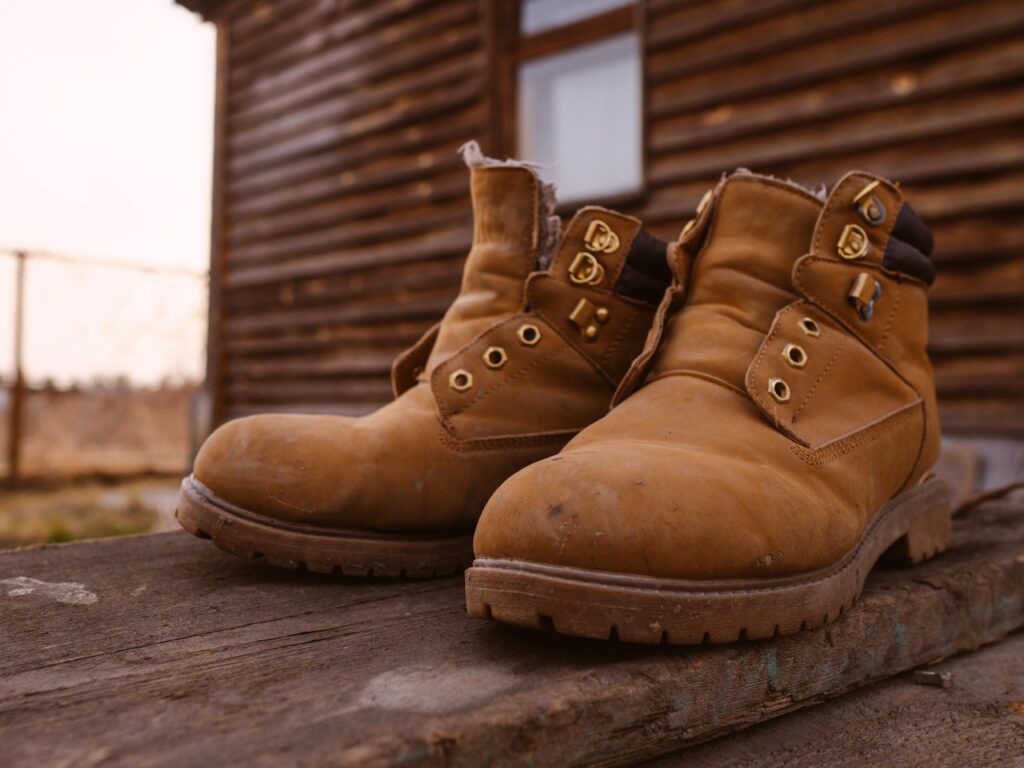
Outdoor work boots come in several distinct types, each designed for specific environments and job demands. Understanding these categories helps you narrow down options based on how and where you work, rather than just features alone.
Steel Toe Work Boots
Steel toe boots are built for environments where impact protection is critical. A reinforced steel cap protects your toes from falling objects, compression, and heavy equipment hazards.
They’re commonly used in construction, industrial work, and heavy-duty outdoor jobs where safety standards are strict.
- Strong protection against impact and compression
- Durable and long-lasting under heavy use
- Slightly heavier and can feel colder in winter
Composite Toe Work Boots
Composite toe boots use non-metal materials like carbon fiber or Kevlar to provide protection. They meet safety standards without the weight and temperature sensitivity of steel.
These are often preferred in environments where lighter footwear or electrical hazard protection is needed.
- Lighter than steel toe boots
- Do not conduct heat or cold
- Suitable for electrical hazard conditions
Waterproof Work Boots
Waterproof boots are designed to keep moisture out while allowing some level of breathability. They are essential for outdoor jobs involving rain, mud, or wet ground conditions.
These boots typically use sealed seams and internal membranes to block water.
- Keeps feet dry in wet environments
- Prevents discomfort from prolonged moisture exposure
- Can feel slightly warmer due to reduced airflow
Insulated Work Boots
Insulated boots are built for cold weather conditions. They include thermal lining materials that trap heat and protect against freezing temperatures.
These are ideal for winter work, snow conditions, or early morning outdoor tasks in colder climates.
- Retains warmth in low temperatures
- Prevents cold-related discomfort
- Bulkier than standard boots
Soft Toe Work Boots
Soft toe boots do not include reinforced toe protection. Instead, they focus on comfort, flexibility, and lighter weight.
They’re suitable for jobs where impact hazards are minimal but long hours on foot are common.
- Lightweight and flexible
- More comfortable for extended wear
- Not suitable for high-risk environments
Pull-On Work Boots
Pull-on boots eliminate laces, making them quick to wear and remove. They are often used in farming, landscaping, or jobs requiring frequent on-and-off use.
They prioritize convenience but may offer less ankle support compared to lace-up designs.
- Easy to put on and remove
- Minimal adjustment required
- Less secure fit than lace-up boots
Understanding these types makes it easier to match a boot to your work conditions, which is often more important than focusing on individual features alone.
Explore our guide to the best basketball shoes for outdoor.
How To Choose Best Outdoor Work Boots
Choosing the right outdoor work boots depends on your work environment, daily workload, and personal comfort needs. Instead of focusing only on brand or price, it’s more effective to evaluate how the boots will perform in your specific conditions.
Work Environment And Conditions
Your work setting plays a major role in what type of boot you need. Wet, muddy areas require waterproof protection, while dry construction sites may prioritize durability and support.
Recommended:
• Best for wet environments: waterproof boots like KEEN Pittsburgh
• Best for dry, rugged sites: durable leather boots like Thorogood Moc Toe
• Best for cold climates: insulated boots like Baffin Titan
Comfort And Fit
A boot that fits poorly will cause fatigue, discomfort, and even long-term foot issues. Look for proper arch support, cushioning, and enough room in the toe box.
Recommended:
• Best for long hours: flexible boots like Carhartt Rugged Flex
• Best for wider feet: boots with roomy toe boxes like KEEN models
• Best for all-day standing: cushioned boots with shock absorption
Safety Requirements
If your work involves heavy equipment or hazardous environments, safety features are essential. Steel or composite toe boots provide protection depending on your needs.
Recommended:
• Best for heavy-duty safety: steel toe boots like Timberland PRO Boondock
• Best for lightweight protection: composite toe boots for reduced weight
• Best for electrical hazards: non-metallic composite toe options
Durability And Materials
The materials used in the boot determine how long it will last. Full-grain leather and Goodyear welt construction typically offer better durability.
Recommended:
• Best for long-term use: premium leather boots like Red Wing Iron Ranger
• Best for rough use: reinforced boots with strong outsoles
• Best for value: durable mid-range options like Caterpillar Second Shift
Budget And Value
Budget affects what features and durability level you can expect. Higher-priced boots usually last longer, while budget options are better for lighter use.
Recommended:
• Best budget: Wolverine Floorhand
• Best mid-range: Caterpillar Second Shift
• Best premium: Red Wing Iron Ranger
Choosing based on these factors ensures you get a boot that fits your actual needs rather than just picking a popular option.
View our review of the best outdoor pest control.
Quality And Performance Of Outdoor Work Boots
Outdoor work boots are built to handle physical stress, environmental exposure, and long working hours. Evaluating their quality and performance helps you understand how they hold up beyond initial comfort and appearance.
Core Design And Functional Quality
| Aspect | Evaluation |
| Materials Used | Full-grain leather offers durability and abrasion resistance |
| Structural Design | Reinforced toe caps and stitched construction improve strength |
| Sole Construction | Slip-resistant rubber with deep lugs enhances grip |
| Internal Support | Cushioned insoles and arch support reduce fatigue |
Well-built boots rely heavily on material quality and construction methods. Leather uppers, reinforced stitching, and solid outsoles contribute directly to durability and long-term comfort. Features like arch support and cushioning are not just comfort additions—they help reduce strain during extended use.
Performance In Real-World Use
| Aspect | Performance |
| Outdoor Conditions | Performs well in mud, gravel, and uneven terrain |
| Weather Handling | Waterproof boots keep feet dry in wet environments |
| Efficiency | Reduces fatigue with proper support |
| Grip | Slip-resistant soles improve stability |
In real-world conditions, performance depends on how well the boot matches the environment. Waterproof models prevent moisture-related issues like blisters and discomfort, while proper traction reduces the risk of slips and falls on uneven ground.
Reliability And Operational Stability
| Aspect | Evaluation |
| Structural Durability | Maintains shape under repeated stress |
| Wear Resistance | Leather and rubber components resist breakdown |
| Long-Term Stability | Consistent support over extended use |
Reliability shows up over time. Boots with strong construction methods and durable materials tend to maintain their structure even after months of daily use. This consistency is important for safety and performance, especially in physically demanding jobs.
Protection, Safety, Or Security Features
| Feature | Purpose |
| Steel/Composite Toe | Protects against impact and compression |
| Slip Resistance | Prevents falls on wet or oily surfaces |
| Electrical Hazard Protection | Reduces risk of electric shock |
| Waterproofing | Keeps feet dry in wet environments |
Safety features are not optional—they’re essential for outdoor work. Reinforced toe protection guards against heavy objects, while slip-resistant soles and waterproofing reduce accident risks in challenging conditions.
Longevity And Long-Term Value
| Factor | Impact |
| Lifespan | High-quality boots last several years with proper care |
| Maintenance | Requires cleaning and occasional conditioning |
| Repairability | Goodyear welt boots can be resoled |
| Cost Efficiency | Higher upfront cost often saves money long-term |
Boots with better construction tend to last longer and offer better value over time. While premium options cost more initially, their durability and repairability make them more economical in the long run.
This deeper look at performance helps separate boots that simply look good from those that actually hold up under daily outdoor use.
Key Features Of Outdoor Work Boots
Understanding key features helps you evaluate whether a boot fits your specific work conditions. These features directly affect safety, comfort, and long-term usability.
Safety Toe Protection
Safety toe options include steel and composite materials. Steel provides maximum protection, while composite offers a lighter, non-metal alternative suitable for electrical environments.
Waterproof Vs Water-Resistant Design
Waterproof boots block moisture completely, making them ideal for heavy rain or muddy environments. Water-resistant boots handle light moisture but offer better breathability for everyday use.
Slip-Resistant Outsole
Slip-resistant soles improve grip on wet, oily, or uneven surfaces. This feature is critical for preventing workplace accidents and maintaining stability.
Cushioning And Arch Support
Proper cushioning reduces fatigue during long hours of standing or walking. Arch support improves posture and minimizes strain on joints and muscles.
Insulation For Cold Conditions
Insulated boots retain heat in cold environments, protecting against frostbite and discomfort. This feature is essential for winter work or freezing climates.
Breathability And Moisture Control
Breathable materials help regulate temperature and prevent sweat buildup inside the boot. This improves comfort and reduces the risk of blisters.
Ankle Support And Stability
Higher boot shafts and reinforced structures provide better ankle support, especially on uneven terrain. This reduces the risk of twisting or injury during movement.
These features define how a boot performs in real conditions, making them critical factors when comparing options.
Safety, Maintenance, And Best Practices
Using outdoor work boots properly—and maintaining them consistently—directly impacts safety, comfort, and lifespan. Small habits like cleaning and drying can make a noticeable difference over time.
Safe Operation Guidelines
Wearing the right type of boot for your environment is the first step. Safety toe boots should be used where impact risks exist, while slip-resistant soles are essential on wet or uneven surfaces.
- Choose boots that match your job hazards
- Ensure proper fit to avoid instability or fatigue
- Replace worn-out soles to maintain traction
Weather Precautions
Outdoor conditions can affect both performance and durability. Waterproof boots handle rain and mud well, but even they need proper drying after exposure.
- Avoid prolonged exposure to extreme moisture when possible
- Let boots air dry naturally—avoid direct heat sources
- Use waterproofing treatments to maintain resistance
Cleaning And Care
Dirt and debris can break down materials over time. Regular cleaning keeps leather flexible and prevents premature wear.
- Wipe off mud and dirt after each use
- Use leather conditioners to prevent cracking
- Clean outsoles to maintain grip
Routine Maintenance
Maintenance extends the lifespan and keeps boots performing consistently. Ignoring small issues can lead to bigger problems later.
- Inspect stitching and soles regularly
- Replace insoles when cushioning wears down
- Resole boots with Goodyear welt construction
Extending Lifespan
Proper storage and rotation help boots last longer. Wearing the same pair daily without rest can accelerate wear.
- Rotate between pairs if possible
- Store in a dry, ventilated area
- Avoid compressing or stacking boots
Taking care of your boots ensures they remain safe and reliable, especially in demanding outdoor environments.
Budget And Value Considerations
Outdoor work boots vary widely in price, and understanding what you get at each level helps you make a better long-term decision. The right choice depends on how often you use them and the conditions you work in.
| Price Tier | Features | Performance Level | Best For | Trade-Offs |
| Budget | Basic safety toe, simple construction | Moderate | Light to moderate use | Limited durability and comfort |
| Mid-Range | Better materials, improved comfort | High | Regular outdoor work | Slightly higher cost |
| Premium | Advanced construction, long lifespan | Very high | Heavy-duty, long-term use | Higher upfront investment |
Budget boots are suitable for occasional or lighter tasks. They provide essential protection but may wear out faster with daily use.
Mid-range boots strike a balance between cost and performance. They offer better comfort, durability, and reliability for regular outdoor work.
Premium boots are designed for long-term use and demanding environments. While they cost more upfront, their durability and repairability often make them more cost-effective over time.
Understanding these tiers helps you choose based on value rather than just price alone.
Installation, Setup, And Placement
Outdoor work boots don’t require complex installation, but proper setup and usage from day one can significantly affect comfort, performance, and longevity. Small adjustments early on can prevent discomfort and extend the life of the boots.
DIY Setup Vs Professional Installation
Most outdoor work boots are ready to use straight out of the box, but a few adjustments can improve fit and usability. Breaking them in properly is especially important for leather boots.
- Simple setup: lace-up adjustments and initial wear for break-in
- Replace insoles if additional cushioning or arch support is needed
- Use thick or moisture-wicking socks for better fit and comfort
Professional help is rarely needed, but in cases where custom orthotics are required, consulting a specialist can improve long-term comfort.
Placement And Positioning Tips
How you wear and store your boots affects their performance and lifespan. Proper positioning during use and storage helps maintain structure and comfort.
- Lace boots securely to provide ankle support and stability
- Avoid overly tight lacing that restricts circulation
- Store boots upright in a dry, ventilated space
- Keep them away from direct sunlight or heat sources
These simple practices help maintain shape, prevent material damage, and ensure consistent performance over time.
Outdoor Work Boots Vs Alternatives
Outdoor work boots are designed for protection, durability, and stability, but depending on the job, some users may consider alternatives. Understanding the differences helps you choose the right option for your needs.
| Feature | Outdoor Work Boots | Hiking Boots |
| Protection | High (safety toe options) | Low to moderate |
| Durability | Built for heavy-duty use | Designed for lighter wear |
| Comfort | Moderate to high | High for walking |
| Waterproofing | Often included | Common but lighter |
| Best For | Work environments | Recreational outdoor use |
| Limitations | Heavier, less flexible | Less protection |
Outdoor work boots are built with a clear priority: protection under demanding conditions. The structure is more rigid, the materials are thicker, and features like safety toes, reinforced soles, and electrical hazard protection are designed to reduce risk on active job sites. That added protection comes with trade-offs—more weight, less flexibility, and a break-in period—but in environments where tools, machinery, or unstable ground are involved, those trade-offs are necessary rather than optional.
Hiking boots take a different approach, focusing on movement and comfort over long distances. They feel lighter on the foot, flex more naturally, and require little to no break-in time.
This makes them ideal for walking, trekking, or casual outdoor use, but they lack the structural reinforcement and impact protection needed for work environments. On uneven trails, they perform well, but under heavy loads or repeated impact, they tend to wear down faster and provide less support.
Another alternative some users consider is soft toe or casual work-style boots. These may look similar to outdoor work boots but are designed more for light-duty use. They offer comfort and flexibility but don’t provide the same level of protection or long-term durability.
In low-risk environments, they can be sufficient, but in situations where safety or consistent heavy use is a factor, they fall short both in protection and lifespan.
There are also pull-on or slip-on work boots, which prioritize convenience. They’re easy to wear and remove, making them useful in environments where boots need to be taken off frequently. However, they typically offer less ankle support and a less secure fit compared to lace-up designs.
Over time, especially on uneven terrain, that reduced stability can become noticeable.
Choosing between these options ultimately comes down to the demands of your work. If protection, durability, and stability are critical, outdoor work boots remain the most reliable choice.
Alternatives can work in lighter or more specialized scenarios, but they are not built to handle the same level of stress or risk consistently.
Discover our guide to the best outdoor seat cushions.
Who Should Buy Outdoor Work Boots
Outdoor work boots are not just for one type of user—they serve a wide range of people with different needs, environments, and workloads. Understanding who benefits most helps you decide if they’re the right fit for your situation.
Construction And Manual Labor Workers
Why It Works For Them
- Provides impact protection from tools, materials, and heavy equipment
- Maintains stability on uneven, rough, or debris-filled surfaces
- Supports long hours of standing and movement
Outdoor And Field Workers
Why It Works For Them
- Handles changing weather conditions like rain, mud, and heat
- Offers traction on natural terrain such as dirt, grass, and gravel
- Protects feet during physically demanding outdoor tasks
Farmers And Agricultural Workers
Why It Works For Them
- Works well in muddy, wet, and uneven ground conditions
- Easy to clean and maintain after exposure to dirt or water
- Provides durability for repetitive, daily outdoor use
Beginners And Occasional Users
Why It Works For Them
- Offers essential protection without complex features
- Suitable for light outdoor work or weekend projects
- Easy to use without requiring technical knowledge
Heavy-Duty And Industrial Users
Why It Works For Them
- Built to handle extreme wear and demanding environments
- Provides consistent performance under heavy loads
- Reduces risk of injury in high-impact work settings
These user groups highlight where outdoor work boots provide the most value, especially when safety, durability, and performance are key priorities.
Benefits Of Using Outdoor Work Boots
Outdoor work boots offer practical advantages that go beyond basic footwear. They improve safety, comfort, and efficiency in environments where regular shoes would quickly fail.
| Benefit | What It Improves | Practical Impact |
| Protection | Reduces injury risk | Safer work environment |
| Durability | Extends product lifespan | Fewer replacements |
| Comfort | Reduces fatigue | Longer productive hours |
| Traction | Improves stability | Fewer slips and falls |
| Weather Resistance | Keeps feet dry | Better performance in wet conditions |
Protection
Outdoor work boots provide reinforced protection, especially with safety toes and strong construction. This reduces the risk of injury from falling objects or heavy equipment.
Durability
They are built with materials that resist wear and tear, allowing them to handle daily use in harsh environments without breaking down quickly.
Comfort
With proper cushioning and support, these boots reduce strain on your feet, making long work hours more manageable.
Traction
Slip-resistant soles improve grip on uneven or slippery surfaces, helping maintain balance and stability.
Weather Resistance
Waterproof and insulated designs protect against rain, mud, and cold conditions, keeping feet dry and comfortable.
These benefits make outdoor work boots a practical investment for anyone working in demanding environments.
Common Outdoor Work Boots Myths
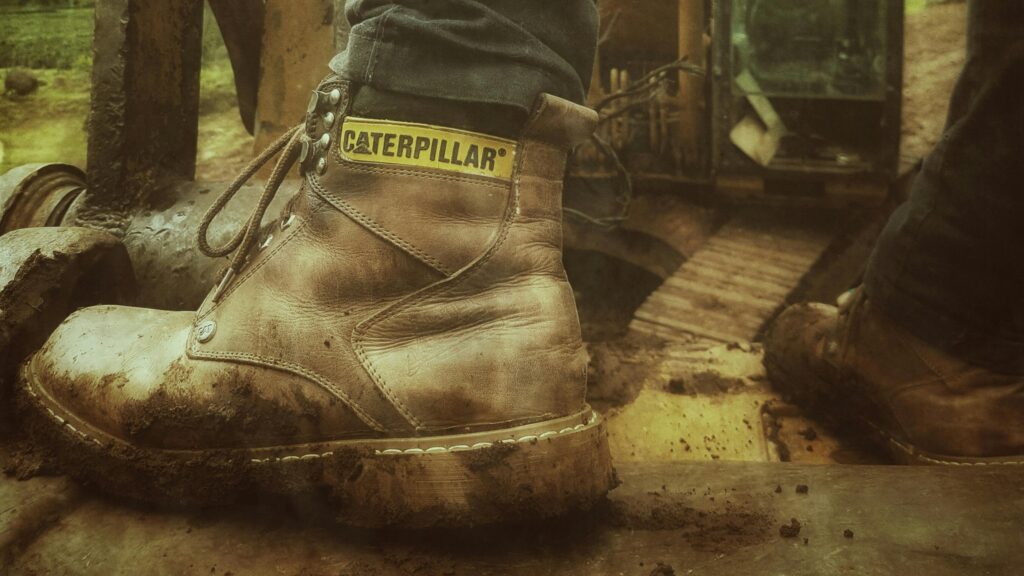
There are several misconceptions about outdoor work boots that can lead to poor buying decisions. Clearing these up helps you choose based on real performance rather than assumptions.
Myth: Heavier Boots Are Always More Durable
Reality
Weight doesn’t always equal durability. While some heavy boots use thick materials, modern designs achieve strength with lighter composites and advanced construction. A well-built lightweight boot can last just as long while reducing fatigue.
Myth: Steel Toe Boots Are Always Better
Reality
Steel toe boots offer strong protection, but they are not always the best choice. Composite toe options provide similar safety benefits while being lighter and more comfortable in cold or electrical environments.
Myth: Waterproof Boots Don’t Breathe
Reality
High-quality waterproof boots use breathable membranes that allow moisture to escape while keeping water out. Poor ventilation is usually a sign of lower-quality construction, not waterproofing itself.
Myth: Expensive Boots Are Always Worth It
Reality
Higher price often reflects better materials and construction, but not every premium boot suits every job. The best value comes from matching the boot to your work conditions, not simply choosing the most expensive option.
Myth: One Pair Works For All Conditions
Reality
Different environments require different features. A boot that performs well in dry construction work may struggle in wet or cold conditions. Choosing based on your specific use case is more effective than relying on a single all-purpose option.
Understanding these myths helps you avoid common mistakes and focus on what actually matters when selecting outdoor work boots.
Common Problems With Outdoor Work Boots
Even high-quality outdoor work boots can present issues over time. Knowing these problems—and how to address them—helps maintain performance and extend usability.
Problems And Their Solutions
| Problem | Cause | Solution |
| Discomfort or fatigue | Poor fit or lack of cushioning | Choose proper size and upgrade insoles |
| Waterproofing failure | Worn-out materials or lack of maintenance | Apply waterproof treatments and clean regularly |
| Reduced traction | Worn-out outsole | Replace boots or resole if possible |
| Cracking leather | Dry conditions or lack of conditioning | Use leather conditioner regularly |
| Odor buildup | Moisture and bacteria | Use moisture-wicking socks and air dry boots |
Discomfort often comes from improper fit or insufficient support. Switching to better insoles or selecting boots with proper arch support can significantly improve comfort during long hours.
Waterproofing tends to degrade over time, especially without maintenance. Regular cleaning and applying protective treatments help maintain performance in wet conditions.
Traction issues usually appear as the outsole wears down. Once grip is compromised, replacing or re-soling the boots becomes necessary to maintain safety.
Leather cracking is a common issue when boots are exposed to dry conditions without proper care. Conditioning the leather keeps it flexible and prevents long-term damage.
Odor buildup is typically caused by trapped moisture. Allowing boots to dry properly and using breathable socks can reduce this problem effectively.
Accessories, Add-Ons, And Enhancements
Accessories can meaningfully change how your outdoor work boots perform over time. They’re not just extras—they solve specific problems like discomfort, moisture buildup, or reduced grip. Choosing the right add-ons depends on your work conditions and how often you use your boots.
Comfort And Fit Enhancements
Comfort issues usually show up after a few hours of wear. Pressure points, lack of arch support, or internal friction can lead to fatigue or even injury. Small upgrades in this area can significantly improve how your boots feel throughout the day.
- Replacement insoles: Improve cushioning and distribute pressure more evenly
- Orthotic inserts: Support foot alignment and reduce strain on joints
- Moisture-wicking socks: Keep feet dry and minimize friction inside the boot
Protection And Durability Add-Ons
Outdoor work boots are constantly exposed to dirt, water, and impact. Without additional protection, materials can degrade faster than expected. These add-ons help maintain structural integrity and extend the life of your boots.
- Waterproofing sprays or wax: Restore water resistance after wear
- Leather conditioners: Prevent drying, cracking, and stiffness
- Toe guards: Reinforce high-impact areas prone to damage
Traction And Stability Improvements
Traction becomes critical in environments where surfaces are unpredictable. Even high-quality outsoles can struggle in extreme conditions like ice or slick mud. Additional grip solutions can improve safety and confidence while moving.
- Ice grips or cleats: Provide traction on snow and frozen surfaces
- Anti-slip sole covers: Add extra grip on smooth or wet ground
Maintenance And Storage Tools
Long-term performance depends on how well boots are maintained. Moisture, improper storage, and neglect can shorten lifespan significantly. These tools help preserve both structure and comfort.
- Boot dryers: Remove internal moisture and reduce odor buildup
- Shoe trees: Maintain shape and prevent deep creasing
- Cleaning kits: Keep materials in good condition and prevent buildup
Using the right accessories helps you adapt your boots to your environment rather than replacing them prematurely.
For more comparisons across outdoor brands and models, browse our detailed gear reviews.
Outdoor Work Boots Trends (2026)
Work boot design is shifting toward a balance between durability and everyday usability. Instead of focusing only on toughness, manufacturers are improving comfort, weight, and adaptability based on how people actually use boots daily.
Lightweight Performance Designs
Traditional work boots were often heavy, which added fatigue over long hours. Newer designs aim to reduce weight without sacrificing strength, making them easier to wear throughout the day.
- Use of composite materials to reduce overall weight
- Flexible construction that improves natural movement
Advanced Cushioning Systems
Comfort is becoming a priority, especially for users who spend entire days on their feet. Improved cushioning systems reduce impact and help maintain energy levels during long shifts.
- Enhanced shock absorption to reduce strain
- Better arch support for long-term comfort
Improved Waterproofing Technologies
Waterproofing has evolved beyond simple sealing. Modern designs focus on keeping water out while allowing internal moisture to escape, which improves overall comfort.
- Breathable membranes that prevent overheating
- Improved seam sealing for better protection
Sustainability And Eco-Friendly Materials
More brands are shifting toward environmentally responsible production. While this may not directly impact performance, it can influence buying decisions for long-term value and sustainability.
- Use of recycled or responsibly sourced materials
- Reduced environmental impact during manufacturing
Hybrid Work Boot Designs
There’s a growing demand for boots that feel less rigid and more versatile. Hybrid designs combine work boot durability with the comfort of athletic footwear.
- Sneaker-like flexibility with work boot protection
- Suitable for mixed environments and lighter workloads
These trends highlight a shift toward boots that are not only durable but also more practical and comfortable for everyday use.
Lifespan And Long-Term Reliability Of Outdoor Work Boots
The lifespan of outdoor work boots depends on how they’re built, how often they’re used, and the conditions they’re exposed to. Some boots last years with proper care, while others show wear much sooner under heavy use.
Durability And Construction Factors
The way a boot is constructed plays a major role in how long it lasts. Features like thick leather uppers, reinforced stitching, and welt construction help boots maintain their structure over time.
Boots with higher-quality materials tend to resist cracking, tearing, and sole separation. Cheaper materials may look similar at first but often break down faster under repeated stress.
Environmental Exposure And Usage Conditions
Work environment has a direct impact on lifespan. Boots used in wet, muddy, or abrasive conditions wear out faster than those used in dry or controlled environments.
Constant exposure to moisture can weaken materials, while rough terrain can accelerate sole wear. Matching the boot to the environment helps prevent early damage.
Maintenance And Upkeep Impact
Regular maintenance significantly extends the life of outdoor work boots. Cleaning off dirt, conditioning leather, and drying boots properly all help preserve materials.
Neglecting maintenance leads to issues like cracking, odor buildup, and reduced waterproofing. Small, consistent care routines can add months or even years to a boot’s usability.
Replacement And Upgrade Cycles
Even the best boots eventually need replacement. Signs like worn-out soles, reduced support, or compromised waterproofing indicate it’s time for a new pair.
Some boots, especially those with Goodyear welt construction, can be resoled instead of replaced. This extends their lifespan and improves long-term value.
Understanding these factors helps you set realistic expectations and choose boots that align with how and where you work.
Real User Feedback And Expert Opinions
Real-world feedback provides insight that specifications alone cannot. It highlights how outdoor work boots perform over time and in different environments.
| Aspect | Summary |
| Comfort | Generally improves after break-in |
| Durability | High-quality boots last significantly longer |
| Waterproofing | Effective initially but requires maintenance |
| Traction | Reliable on most outdoor surfaces |
| Weight | Heavier boots cause fatigue over long hours |
User Feedback
What Users Appreciate
- Long-term durability with proper care
- Reliable protection in demanding environments
- Improved comfort after initial break-in
- Strong traction on uneven surfaces
Common Complaints
- Break-in period can be uncomfortable
- Heavier boots lead to fatigue
- Waterproofing may degrade over time
- Higher cost for premium models
Expert Opinion
Performance Insights
Experts emphasize the importance of matching boots to work conditions rather than focusing only on brand or price. Boots perform best when selected based on environment and workload.
Durability Evaluation
High-quality leather and proper construction methods are key indicators of long-term reliability. Boots with replaceable soles offer better value over time.
Buying Recommendations
Experts recommend prioritizing fit, safety features, and durability over aesthetics. Investing in the right boot reduces long-term costs and improves daily comfort.
These insights help bridge the gap between product specifications and real-world performance.
How We Tested And Selected The Best Outdoor Work Boots
Selecting the right outdoor work boots requires more than comparing features on paper. The evaluation process focused on how these boots perform in real-world conditions, where comfort, durability, and safety all matter over extended use.
Evaluation Criteria
- Durability And Build Quality: Assessed leather thickness, stitching strength, and outsole construction under repeated use
- Comfort And Fit: Evaluated cushioning, arch support, and how boots feel over long hours
- Safety Features: Compared steel vs composite toe protection and slip resistance
- Weather Resistance: Tested performance in wet, muddy, and varying outdoor conditions
- Traction And Stability: Observed grip on uneven, loose, and slippery terrain
- Value For Money: Considered long-term durability relative to price
- User Feedback: Reviewed consistent patterns in customer experiences and complaints
These criteria ensure that each boot is judged not just on specifications, but on how it performs during actual outdoor work.
Testing Methods
The selection process combined hands-on evaluation with real-world usage insights to create a balanced and practical assessment.
- Compared boots across different environments such as wet ground, gravel, and hard surfaces
- Assessed comfort over extended wear periods to identify fatigue levels
- Examined material wear after repeated use
- Reviewed traction performance on uneven and slippery terrain
- Cross-checked findings with consistent user feedback trends
This approach ensures that the recommendations reflect real usage rather than theoretical performance.
FAQs About Outdoor Work Boots
Here are answers to common questions that help clarify key decisions when choosing outdoor work boots.
What are outdoor work boots used for?
Outdoor work boots are designed for protection, durability, and stability in demanding environments like construction sites, farms, and uneven terrain, where regular footwear would not provide adequate safety.
How do I choose the right outdoor work boots?
Choose based on your work environment, required safety features, comfort needs, and weather conditions. Matching boots to your daily tasks ensures better performance and long-term usability.
Are steel toe boots better than composite toe boots?
Steel toe boots offer maximum protection, while composite toe boots are lighter and better for cold or electrical environments. The right choice depends on your job requirements.
How long do outdoor work boots typically last?
High-quality outdoor work boots can last 1–3 years or more with proper care. Lifespan depends on usage frequency, environment, and maintenance habits.
Are waterproof work boots necessary?
Waterproof boots are essential for wet or muddy conditions. They keep feet dry, prevent discomfort, and reduce the risk of long-term foot issues caused by moisture exposure.
Can outdoor work boots be used for hiking?
Outdoor work boots can be used for hiking, but they are heavier and less flexible than hiking boots. They are better suited for work than long-distance walking.
How should outdoor work boots fit?
They should fit snugly without pressure points, with enough room in the toe box. Proper fit prevents discomfort, fatigue, and long-term foot problems during extended use.
Do outdoor work boots require a break-in period?
Yes, most work boots require a break-in period. Leather boots especially soften over time, improving comfort and flexibility with regular wear.
How can I make my work boots more comfortable?
You can improve comfort by using cushioned insoles, wearing moisture-wicking socks, and ensuring proper fit. Regular maintenance also helps maintain flexibility and support.
Are expensive work boots worth it?
Expensive boots often offer better materials and durability, making them more cost-effective over time. However, value depends on how well the boot matches your specific work needs.
How do I maintain outdoor work boots?
Clean them regularly, condition the leather, and let them dry naturally. Proper maintenance helps extend lifespan and ensures consistent performance in outdoor conditions.
These answers should help you make a more informed decision—now let’s summarize everything in the final verdict.
Final Verdict – Which Outdoor Work Boot Should You Get?
The right outdoor work boot depends on your environment, workload, and comfort priorities.
- Choose Timberland PRO Boondock if you need an all-around boot for heavy-duty outdoor work
- Choose KEEN Pittsburgh if you work in consistently wet or muddy conditions
- Choose Carhartt Rugged Flex if comfort during long hours is your priority
- Choose Wolverine Floorhand if you want a reliable entry-level option
- Choose Thorogood Moc Toe if long-term durability matters most
- Choose Caterpillar Second Shift if you want strong value without overspending
- Choose Baffin Titan if you work in freezing or snow-heavy environments
Make your decision based on how and where you work, not just features on paper.