Outdoor faucets are vulnerable to freezing in cold weather, which can lead to burst pipes, costly repairs, and water damage.
Protecting these faucets with covers and insulation preserves your plumbing and prevents winter emergencies.
This article explains when and how to protect outdoor faucets, including recommended temperatures, types of covers, installation tips, and preventative strategies for homeowners.
At What Temperature Do You Need to Cover Outdoor Faucets?
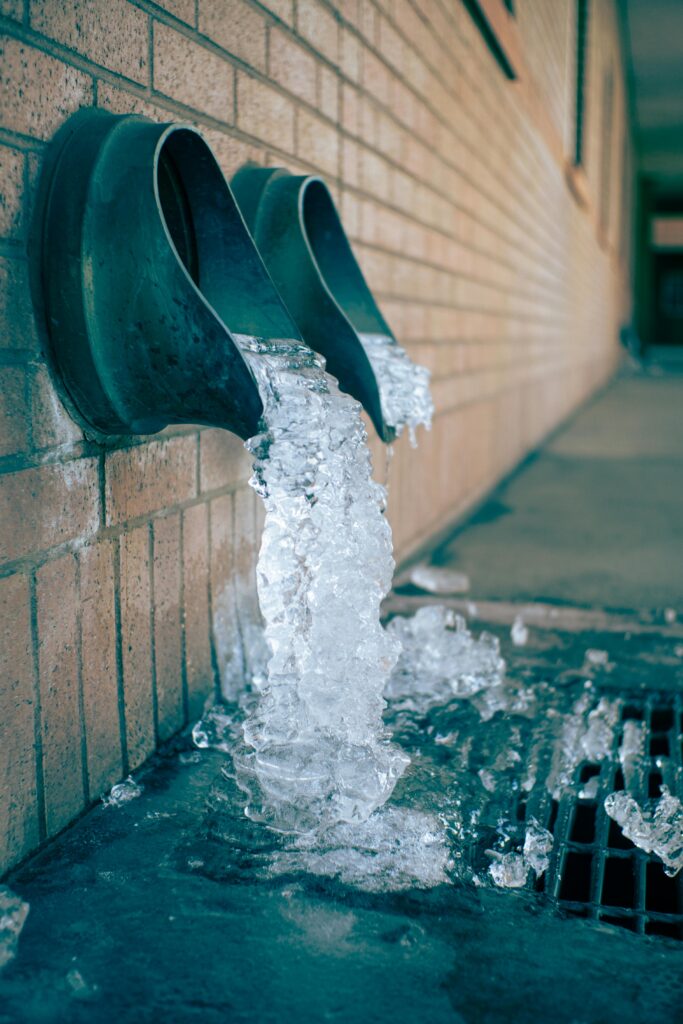
Protecting outdoor faucets is critical as temperatures approach freezing. Faucets should generally be covered and insulated when temperatures consistently drop to 20°F (-6°C) or below. Even slightly higher temperatures can still pose risks in areas with wind exposure or sudden cold snaps. By taking early precautions, you can avoid costly water damage and maintain uninterrupted water access during winter.
Covering faucets in a timely manner ensures your pipes remain safe, and you won’t have to deal with frozen or burst lines.
Discover what is a good wattage for outdoor speakers?
Why Covering Outdoor Faucets Matters?
Winterizing outdoor faucets prevents damage and saves money. Faucets exposed to freezing temperatures can crack pipes and lead to expensive repairs. Protecting them keeps your home safe and maintains water availability during cold months.
Preventing Frozen Pipes
Exposed faucets allow water to freeze and expand, which can crack metal or plastic piping. Proper insulation slows heat loss and shields pipes from extreme temperatures.
Reducing Repair Costs
Covering faucets during winter is a simple step that offers long-term protection and reduces the risk of plumbing emergencies.
Emergency repairs for burst faucets or pipes can be costly. Taking preventive steps with covers or insulation is a small investment that avoids major repair bills later.
Types of Faucet Covers and Insulation
Choosing the right protective method ensures your faucets survive freezing temperatures. Multiple options exist to suit climate, faucet type, and budget.
Common Faucet Covers
Foam and plastic covers are popular options for winter protection.
- Foam covers – Lightweight, easy to install, and affordable for mild climates
- Plastic insulated boxes – Durable and often weather-resistant for harsh winters
- Styrofoam shells – Simple DIY option for basic protection at low cost
These covers help keep cold air away from faucets and reduce the risk of freezing.
Supplemental Insulation
Additional layers of protection further prevent freezing:
- Pipe wrap or foam tape – Adds insulation around exposed pipes
- Old towels or rags – Temporary solution for emergency situations
Using these extra layers ensures pipes remain protected even during extreme cold.
Combining faucet covers with supplemental insulation offers reliable winter protection for outdoor plumbing.
How to Install Faucet Covers?
Installing covers correctly maximizes protection against cold temperatures. Follow these steps to ensure your faucets are secure.
- Shut off water supply if your faucet connects to an indoor valve.
- Drain any remaining water from the faucet to prevent freezing inside.
- Place the cover securely over the faucet.
- Add insulation around exposed pipe sections as needed.
- Check that the cover fits snugly to prevent cold air from entering.
By following these steps, your faucets will be properly protected and you can minimize the risk of frozen or burst pipes.
Recommended Faucet Protection by Temperature
Choosing the right level of protection depends on local winter conditions. Use the table below as a guide.
| Average Outdoor Temperature | Recommended Protection |
|---|---|
| Above 32°F (0°C) | Optional insulation; monitor cold snaps |
| 25–32°F (-4 to 0°C) | Basic foam or styrofoam cover |
| 20–25°F (-6 to -4°C) | Insulated box with pipe wrap |
| Below 20°F (-6°C) | Heavy-duty insulated cover + wrapped pipes, consider indoor shut-off valve |
Using the appropriate protection for each temperature range ensures your faucets remain safe throughout winter.
Additional Tips to Prevent Frozen Faucets
Proactive maintenance helps prevent frozen faucets and pipe damage. Simple precautions can make a big difference in protecting your outdoor plumbing.
Drain Water When Not in Use
Remove hoses and drain faucet lines to prevent trapped water from freezing. This keeps pipes safe and reduces the risk of cracks.
Install Frost-Proof Faucets
Frost-proof faucets are designed to keep water inside heated portions of the house, limiting the chance of freezing.
Consider Indoor Shut-Off Valves
An indoor shut-off valve allows you to drain outdoor faucets completely, providing extra protection in cold climates.
These small preventive steps significantly reduce the chance of frozen faucets and costly repairs.
Common Mistakes to Avoid
Winterizing outdoor faucets is simple, but mistakes are common. Avoid these errors to protect your plumbing effectively.
- Using covers that are too thin or loosely fitted
- Leaving hoses attached during freezing temperatures
- Assuming mild weather eliminates frost risk
- Ignoring wind exposure, which accelerates freezing
Addressing these mistakes ensures faucet protection is reliable and reduces potential damage during harsh winters.
For regular updates and gear recommendations, see our articles and guides section.
FAQs
Before covering your outdoor faucets, it’s helpful to review common questions and clarify best practices for protection, installation, and winter maintenance.
At what temperature should i start covering my outdoor faucets?
Cover outdoor faucets when temperatures consistently reach 20°F (-6°C) or lower, or if sudden cold snaps are expected. Early coverage ensures maximum protection and reduces the risk of frozen pipes.
Can i leave my faucet uncovered if the temperature is just above freezing?
It is safer to cover faucets even slightly above freezing, particularly in exposed areas, as occasional frost or wind chill can still damage pipes.
Are foam covers enough for harsh winter climates?
Foam covers are suitable for mild cold, but in extreme temperatures, combining them with pipe wrap or insulated boxes provides better protection and peace of mind.
Should i disconnect my hoses before covering faucets?
Yes, removing hoses ensures water does not remain trapped in the faucet, reducing the risk of freezing and pipe damage during winter.
Can frost-proof faucets eliminate the need for covers?
Frost-proof faucets reduce freeze risk, but additional insulation is recommended in areas with severe winters to ensure full protection.
Taking these precautions and understanding the FAQs helps homeowners keep outdoor faucets safe and avoid costly winter plumbing problems.
Conclusion
Covering outdoor faucets at 20°F (-6°C) or lower protects pipes from freezing, prevents costly repairs, and keeps your home’s plumbing safe during winter.