Table of Contents
Installing an outdoor shower with hot water allows you to enjoy a comfortable and refreshing experience while maintaining hygiene after swimming, gardening, or beach visits.
Hot water showers outdoors require proper plumbing, water heating solutions, and weather-resistant materials to ensure functionality and safety.
This guide covers step-by-step installation, material selection, maintenance tips, and common mistakes to avoid, ensuring your outdoor shower remains reliable and enjoyable year-round.
Discover how to preserve wicker furniture for outdoor use?
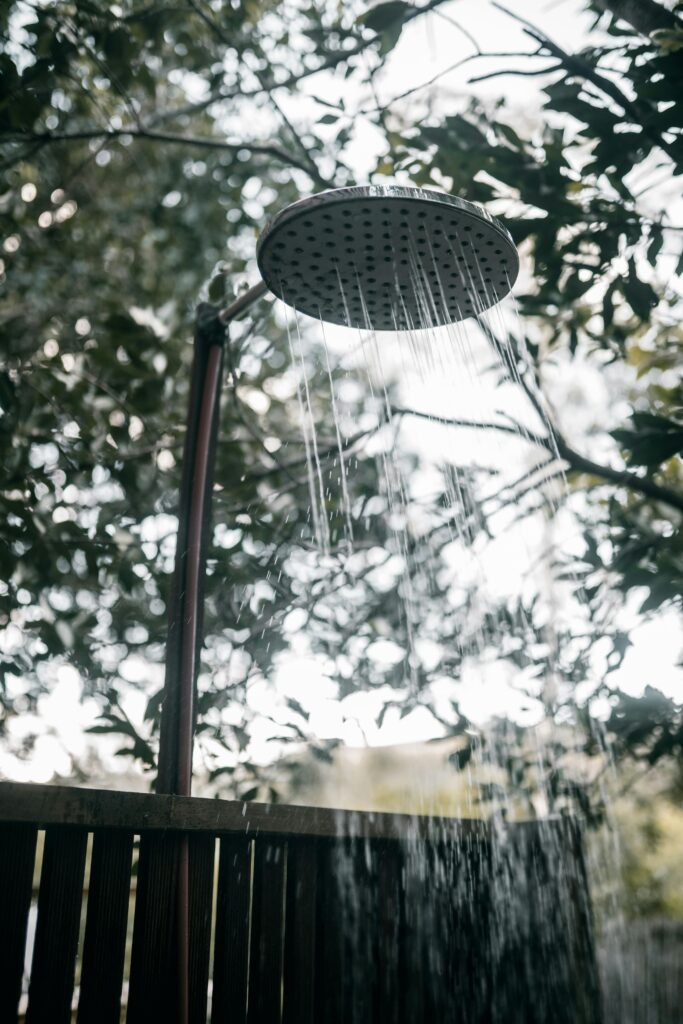
How to Install an Outdoor Shower With Hot Water?
Installing an outdoor shower with hot water involves choosing a heating method, planning plumbing connections, ensuring proper drainage, and selecting weather-resistant materials. Solar water heaters, tankless systems, or connecting to your home’s hot water supply are common options. Proper installation ensures safety, efficient heating, and durability.
Choosing the Right Location
The location of your outdoor shower impacts plumbing, drainage, privacy, and overall functionality.
- Proximity to Water Supply: Position near existing plumbing lines for easy connection to hot and cold water.
- Drainage: Ensure a sloped area or connect to a drainage system to prevent water pooling.
- Privacy: Consider fencing, trellises, or landscaping for visual privacy.
- Sun Exposure: Sun-facing areas can naturally warm water if using solar heating.
Selecting the ideal location balances convenience, privacy, and water management for a safe and comfortable shower.
Selecting a Hot Water System
Choosing the right heating system ensures consistent hot water and energy efficiency for your outdoor shower.
- Solar Water Heaters: Eco-friendly and cost-effective; heat water naturally using sunlight.
- Tankless Water Heaters: Provide instant hot water on demand; require proper electrical or gas connections.
- Connection to Home Hot Water: Extends existing plumbing; may require additional piping and pressure adjustments.
- Propane or Gas Heaters: Portable and quick-heating; suitable for remote locations without electricity.
Selecting the appropriate hot water system depends on your energy preferences, budget, and installation complexity.
Plumbing and Installation Steps
Proper plumbing ensures a safe and efficient hot water flow for your outdoor shower.
- Shut Off Water Supply: Turn off the main water line to prevent leaks during installation.
- Install Piping: Connect hot and cold water lines using PEX, copper, or CPVC pipes, ensuring proper insulation for cold climates.
- Connect to Heater: Attach piping to the chosen water heating system, following manufacturer instructions for secure and safe connections.
- Install Shower Fixture: Mount the showerhead and mixing valve at an ergonomic height, typically 72–78 inches from the ground.
- Check for Leaks: Turn on water supply, test hot and cold water flow, and inspect for leaks.
- Insulate Pipes: Use weather-resistant insulation to protect pipes from freezing and UV exposure.
Following precise plumbing steps ensures reliable hot water flow and prevents future maintenance issues.
Shower Flooring and Drainage
Proper flooring and drainage prevent water damage and provide safety during outdoor shower use.
- Flooring Options: Use non-slip tiles, wood decking, gravel, or composite materials.
- Drainage System: Connect to a French drain, garden bed, or direct runoff area to prevent standing water.
- Slope: Ensure the shower floor slopes at least 1–2% to direct water away from structures.
- Safety Considerations: Choose materials that remain slip-resistant when wet.
Implementing suitable flooring and drainage ensures safety, hygiene, and durability for your outdoor shower.
Materials and Fixtures
Selecting durable, weather-resistant materials prolongs the life of your outdoor shower.
- Pipes: Use PEX or copper for long-term durability and corrosion resistance.
- Showerhead and Valve: Stainless steel or brass fixtures withstand outdoor conditions.
- Enclosure: Wood, PVC, or composite panels provide privacy and protection.
- Sealants: Use outdoor-grade silicone to seal joints and prevent leaks.
Choosing the right materials and fixtures reduces maintenance and ensures a reliable shower experience.
Common Mistakes to Avoid
Even small errors in installation can compromise safety, water flow, and overall functionality of your outdoor hot water shower.
- Installing without proper drainage, causing pooling or erosion.
- Using non-weatherproof pipes or fixtures that degrade over time.
- Failing to insulate pipes in cold climates, leading to freezing and bursts.
- Incorrectly connecting the hot water system, resulting in inconsistent water temperature.
- Ignoring privacy needs or legal regulations for outdoor structures.
By avoiding these mistakes, your outdoor shower will remain functional, safe, and enjoyable for years.
You’ll find additional articles and guides on our outdoor expertise collection.
FAQs
Here are frequently asked questions about installing an outdoor shower with hot water, covering setup, maintenance, and system options.
Can I install a hot water outdoor shower myself?
Yes, with basic plumbing knowledge and proper tools, but complex systems like tankless heaters may require professional installation.
Which hot water system is best for energy efficiency?
Solar water heaters are the most energy-efficient, while tankless systems provide instant heat but may consume more energy depending on usage.
How do I prevent pipes from freezing in winter?
Insulate pipes with foam sleeves, keep valves closed when not in use, or drain the system before freezing temperatures.
Can I use a propane heater for outdoor showers?
Yes, propane heaters are suitable for remote locations without electricity, providing quick and portable hot water.
How do I maintain an outdoor shower with hot water?
Clean fixtures regularly, check for leaks, flush the system periodically, and protect pipes and heaters from extreme weather.
Following these FAQs ensures a safe, efficient, and long-lasting outdoor hot water shower setup.
Conclusion
Installing an outdoor shower with hot water requires careful planning of location, hot water system, plumbing, drainage, and materials.
By following step-by-step instructions and avoiding common mistakes, you can enjoy a comfortable, functional, and durable shower that enhances your outdoor living space.
Proper maintenance and thoughtful installation ensure your outdoor shower remains safe, energy-efficient, and reliable for years to come.