Outdoor lighting enhances safety, ambiance, and aesthetics, but not every yard or patio has a convenient electrical outlet.
In these cases, creative and safe alternatives allow homeowners to illuminate outdoor spaces effectively.
This article explores methods for powering outdoor lights without an outlet, including solar, battery, low-voltage, and extension-based solutions, with practical tips for installation and safety.
For fresh updates and inspiration, browse our outdoor resources.
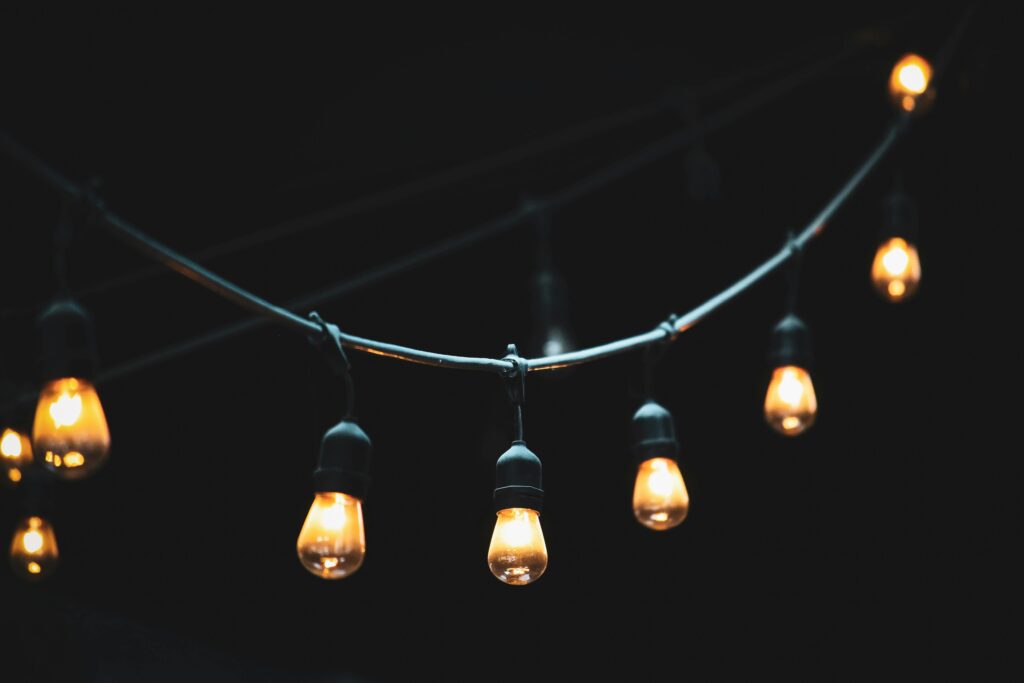
How to Plug in Outdoor Lights Without an Outlet?
There are several safe and practical ways to power outdoor lights without a traditional outlet, ranging from solar-powered systems to battery packs and low-voltage wiring setups. Choosing the right method depends on your lighting needs, location, and desired brightness.
Solar-Powered Outdoor Lights
Solar lights are one of the most convenient options because they require no wiring.
They charge during the day using sunlight and automatically illuminate at night. Real-world considerations include sunlight exposure, seasonal changes, and weather conditions.
- Ideal for gardens, pathways, and patios
- Easy to install and move as needed
- Require sufficient sunlight for optimal performance
Solar-powered lights provide eco-friendly, maintenance-free illumination without relying on an electrical outlet.
Discover how to seal wicker furniture for outdoor use?
Battery-Powered Outdoor Lights
Battery-powered lights offer flexibility for areas where solar is insufficient or permanent wiring is impractical.
These lights can use disposable or rechargeable batteries and are ideal for temporary setups or decorative lighting.
- Great for string lights, lanterns, and spotlights
- Rechargeable batteries reduce long-term cost and waste
- Placement is limited by battery life and maintenance needs
Battery-powered options allow lighting placement anywhere, as long as the batteries are regularly replaced or recharged.
Low-Voltage Outdoor Lighting
Low-voltage lighting systems use a transformer to step down household voltage to a safer level, allowing long runs of cable without an outlet at each fixture.
These systems are common for landscape lighting and can operate up to several hundred feet from a single power source.
- Perfect for garden beds, pathways, and accent lighting
- Safer than standard high-voltage wiring
- Can be connected to a single distant outlet or integrated with timers and sensors
Low-voltage wiring provides durable, flexible outdoor illumination for permanent installations.
Using Extension Cords Safely
If you have a distant outlet, outdoor-rated extension cords can bridge the gap.
Cords must be rated for outdoor use, kept off the ground when possible, and protected from moisture.
- Use heavy-duty outdoor extension cords with GFCI protection
- Secure cords to avoid tripping hazards
- Cover or elevate cords to prevent water contact
Extension cords provide a temporary or semi-permanent solution but must be installed safely to prevent electrical hazards.
Portable Power Stations
For larger outdoor events or spaces without outlets, portable power stations or generators can provide electricity.
These systems can run multiple lights and devices simultaneously but require careful attention to placement and ventilation.
- Useful for outdoor parties, weddings, or remote locations
- Rechargeable stations reduce fuel dependency
- Ensure safe, dry placement to avoid hazards
Portable power offers flexibility and high capacity for areas completely without outlets.
Common Mistakes to Avoid
Many homeowners overlook safety and planning when installing outdoor lights without outlets.
- Placing lights in shaded areas when using solar lights
- Ignoring battery life and recharge schedules
- Using indoor extension cords outdoors
- Failing to protect cords from moisture or foot traffic
Avoiding these errors ensures reliable lighting and reduces risk of accidents.
How to Choose the Best Method?
Selecting the right solution depends on your space, budget, and usage.
- Solar: best for small, sun-exposed areas
- Battery: flexible and temporary
- Low-voltage wiring: long-term, safety-conscious installations
- Extension cords: temporary or bridging a distant outlet
- Portable power: high-capacity or remote needs
Matching your lighting method to your specific outdoor environment ensures optimal performance and safety.
Frequently Asked Questions
The following questions address common concerns about powering outdoor lights without traditional outlets.
Can solar lights fully replace wired outdoor lighting?
Yes, for many small areas, solar lights provide sufficient brightness and eliminate the need for wiring.
How long do battery-powered outdoor lights last?
Battery life varies, but most last from several hours up to overnight depending on light type and battery capacity.
Is it safe to use extension cords outside?
Yes, if you use outdoor-rated cords with GFCI protection and keep them away from water and foot traffic.
Can low-voltage systems power many lights?
Yes, low-voltage transformers allow multiple fixtures on a single line, but you must calculate the total wattage to avoid overload.
Are portable power stations suitable for long-term use?
They are ideal for temporary use or events; for permanent lighting, solar or low-voltage systems are more practical.
Conclusion
Even without an outlet, outdoor lights can be powered safely using solar, battery, low-voltage, extension cords, or portable power solutions tailored to your space and lighting goals.