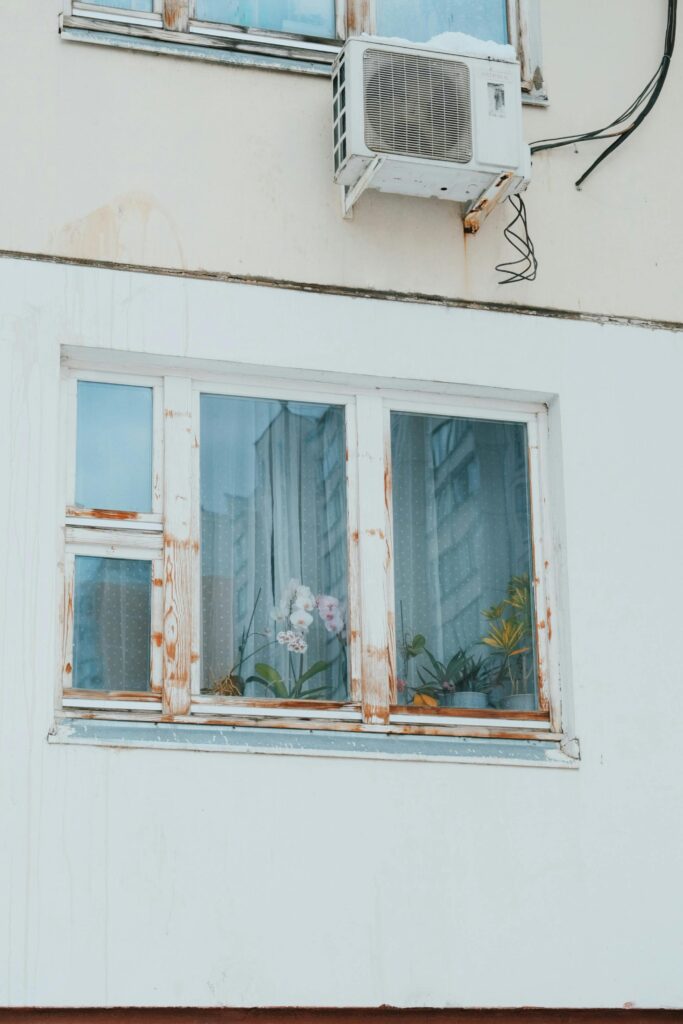
An outdoor AC unit is the external component of an air conditioning system responsible for releasing heat from your home.
Because it operates year-round, it is constantly exposed to rain, moisture, debris, and changing weather conditions that can affect performance. Proper protection helps prevent corrosion, electrical damage, and airflow obstruction.
This article explains safe rain-protection methods, what to avoid, real-world setups, maintenance tips, and common mistakes homeowners make.
Find out how to make an indoor tv an outdoor tv?
How to Protect AC Outdoor Unit From Rain?
You can protect an AC outdoor unit from rain by ensuring proper installation, using partial covers or shelters that allow airflow, maintaining effective drainage, and performing regular inspections. Protection should shield sensitive components without trapping moisture or restricting ventilation.
Does Rain Damage an Outdoor AC Unit?
Most outdoor AC units are designed to withstand normal rain exposure, but prolonged or improper water contact can still cause problems over time. Light rain typically does not harm the unit, but wind-driven rain, pooling water, and constant moisture accelerate wear.
Electrical connections, coils, and metal casings are especially vulnerable when water repeatedly enters areas not designed for saturation. Preventive measures focus on reducing unnecessary exposure rather than sealing the unit completely.
Proper Placement and Elevation Matters
Correct placement is the first line of defense against rain damage. Units installed too low or in poorly drained areas are more likely to suffer from water-related issues.
Elevating the unit on a concrete pad or mounting brackets keeps it above ground moisture and standing water. Positioning it slightly away from roof drip lines also reduces direct water flow during heavy rainfall.
Using AC Covers the Right Way
AC covers can be helpful, but misuse is one of the most common causes of moisture-related damage. Covers should protect from vertical rainfall while still allowing airflow from the sides.
To clarify when and how covers are appropriate, the table below outlines safe and unsafe usage.
| Cover Type | Suitable Use | Risk Level |
|---|---|---|
| Top-only cover | Protects from falling rain and debris | Low |
| Breathable mesh cover | Seasonal protection with airflow | Low |
| Full plastic wrap | Blocks airflow and traps moisture | High |
| Tight winter cover (off-season) | Cold-weather storage only | Moderate |
A top-only or ventilated cover is usually sufficient for rain protection without interfering with operation.
Stay informed with the latest tips by checking out our knowledge base.
Installing a Simple Rain Shelter or Awning
A small shelter or awning can significantly reduce rain exposure while maintaining full airflow. These structures deflect water without enclosing the unit.
When considering a shelter, keep the following principles in mind before installation.
- Leave open sides for unrestricted airflow
- Extend coverage slightly beyond the unit’s footprint
- Secure the structure to withstand wind
- Avoid attaching shelters directly to the unit
A properly designed awning offers long-term protection without affecting efficiency or maintenance access.
Ensure Proper Drainage Around the Unit
Water pooling around an outdoor AC unit increases the risk of corrosion and electrical issues. Good drainage prevents water from lingering after rainfall.
The ground should slope away from the unit, allowing rainwater to flow naturally. Gravel beds or drainage channels can further reduce moisture buildup. Regularly clearing leaves and debris ensures drains remain functional during storms.
Routine Maintenance Reduces Rain-Related Damage
Consistent maintenance helps identify moisture issues before they become serious problems. Small signs of rust, loose wiring, or debris buildup often appear long before system failure.
A balanced maintenance approach includes visual inspections after storms, coil cleaning, and ensuring protective elements remain properly positioned. These simple checks preserve efficiency and extend the unit’s lifespan.
Common Mistakes to Avoid When Protecting Outdoor AC Units
Many protection efforts unintentionally cause more harm than good. Understanding common mistakes helps avoid unnecessary repairs.
Before reviewing them, remember that outdoor AC units require airflow as much as protection.
- Completely sealing the unit with plastic or tarps
- Blocking side vents with covers or walls
- Ignoring drainage and ground moisture
- Using makeshift shelters that collapse in wind
- Skipping inspections after heavy rainfall
Avoiding these mistakes ensures rain protection does not interfere with cooling performance or component health.
FAQs
Here are some frequently asked questions about protecting AC outdoor units from rain, with practical advice to help you safeguard your system effectively.
Can rain ruin an outdoor AC unit?
Normal rain usually will not ruin an outdoor AC unit, but prolonged exposure, flooding, or trapped moisture can cause corrosion and electrical damage over time.
Is it safe to build a roof over an outdoor AC unit?
A breathable, top-only cover can help during heavy rain, but fully covering the unit while it is running is not recommended.
Is it safe to build a roof over an outdoor AC unit?
Yes, as long as the roof allows open sides for airflow and does not restrict heat dissipation or service access.
Can standing water damage an AC condenser?
Yes, standing water can accelerate rust, damage electrical components, and reduce the unit’s lifespan if drainage is poor.
How often should I check my outdoor AC unit after rain?
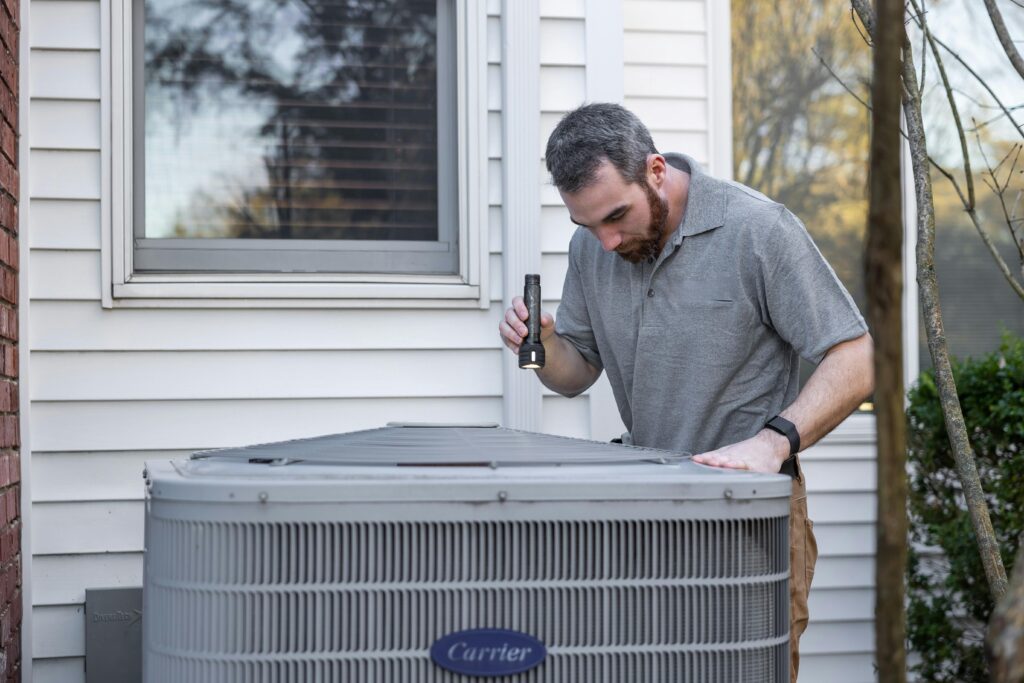
Inspect the unit after heavy storms to ensure there is no debris buildup, water pooling, or visible damage to wiring or coils.
These answers provide guidance on protective strategies, maintenance, and best practices to ensure your AC outdoor unit remains durable and efficient in wet conditions.
Conclusion
Protecting an outdoor AC unit from rain involves smart placement, breathable covers, proper drainage, and regular maintenance. The goal is to deflect excess water while preserving airflow, preventing corrosion, and ensuring reliable operation in all weather conditions.