Outdoor metal art enhances gardens, patios, and other outdoor spaces, bringing style and personality to exterior areas.
These pieces are often exposed to rain, humidity, and fluctuating temperatures, which can cause rust, corrosion, and structural damage.
Discover what is the best material for outdoor lighting fixtures?
This article covers practical methods to prevent rust, including cleaning, protective coatings, placement strategies, and ongoing maintenance, while highlighting mistakes to avoid and tips for long-lasting protection.
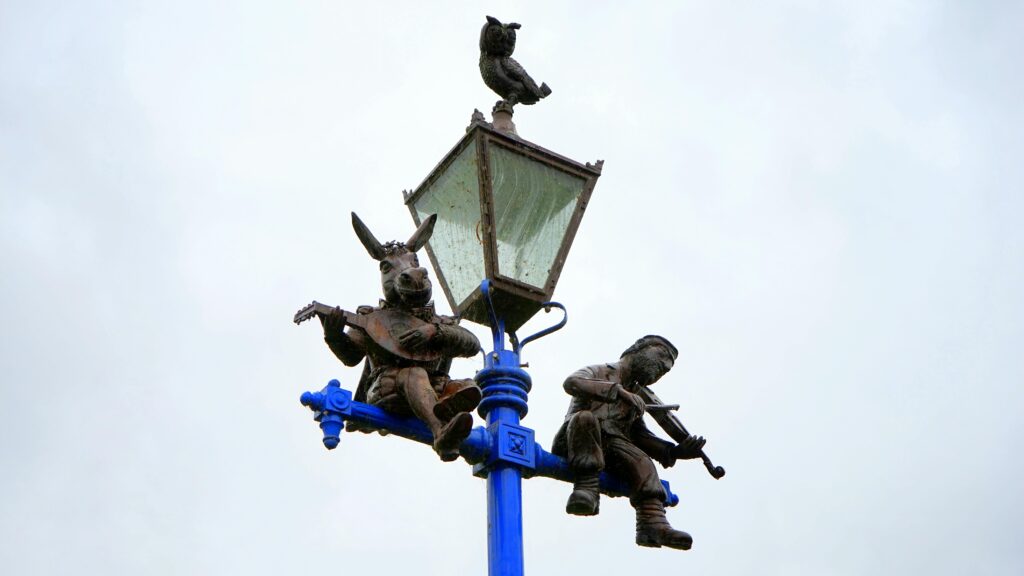
How to Protect Outdoor Metal Art From Rusting?
Protecting outdoor metal art requires understanding the type of metal used. Ferrous metals such as steel and iron are prone to rust, while non-ferrous metals like aluminum, bronze, and copper are naturally more resistant but still benefit from preventive care. By combining protective coatings with proper placement and regular maintenance, you can ensure your sculptures remain both aesthetically pleasing and structurally sound.
Step 1: Clean the Metal Thoroughly
A clean metal surface is essential for proper adhesion of protective coatings and for preventing moisture from being trapped.
- Remove dirt, dust, and debris with a soft cloth or brush.
- Use sandpaper or a wire brush to remove any existing rust.
- Wash the piece with mild soap and water, then rinse thoroughly.
- Dry completely, paying attention to corners and crevices.
Cleaning ensures coatings perform optimally and reduces the likelihood of rust forming in hidden spots.
Step 2: Select the Right Protective Coating
Choosing the appropriate protective coating depends on the metal type and desired finish.
| Coating Type | Best For | Key Features |
|---|---|---|
| Clear Rust-Inhibitor Spray | Steel, iron | Transparent, water-resistant, UV protection |
| Outdoor Metal Paint | Steel, iron, aluminum | Adds color, long-lasting, weatherproof |
| Powder Coating | Steel, aluminum | Professional, highly durable finish |
| Wax or Polyurethane | Bronze, copper, aluminum | Preserves patina, prevents oxidation |
| Galvanization | Steel, iron | Factory-applied zinc coating, extremely rust-resistant |
Each coating has its own advantages and may be chosen based on aesthetic preference, durability, and DIY vs. professional application.
Step 3: Apply Coating Correctly
Proper application ensures maximum protection and longevity of your metal art.
- Apply coatings in a clean, dry, shaded environment.
- Use thin, even layers rather than thick coats.
- Pay special attention to edges, joints, and undersides where water can collect.
- Allow each coat to dry fully before applying the next.
Applying coatings correctly prevents weak points that could allow rust to develop and ensures uniform coverage over the entire surface.
Step 4: Place Metal Art Strategically
Where you position outdoor metal art greatly influences its exposure to rust-causing elements.
Metal sculptures should be elevated off the ground using stone, concrete, or metal bases to prevent direct contact with soil or standing water. Partial shade reduces exposure to rain and intense sunlight, which can deteriorate coatings faster. Good air circulation around the sculpture allows moisture to evaporate, reducing the risk of rust formation.
Placement Guidelines:
| Factor | Recommendation | Reason |
|---|---|---|
| Elevation | Use stands or bases | Prevents soil moisture contact |
| Shade | Partial shade preferred | Reduces sun and rain exposure |
| Airflow | Ensure ventilation | Helps moisture evaporate quickly |
| Water Exposure | Avoid sprinklers/fountains | Minimizes direct water contact |
Correct placement complements coatings and helps prolong the life of outdoor metal art.
Step 5: Routine Maintenance
Routine maintenance is essential to ensure protective coatings remain effective and prevent small issues from becoming major rust problems.
- Inspect for scratches, peeling, or early rust every few months.
- Clean off dust, pollen, and organic debris that can trap moisture.
- Reapply protective coatings annually or sooner if damaged.
- Touch up any compromised areas immediately.
- Keep a maintenance schedule for consistent care.
Regular maintenance ensures your metal art remains beautiful and structurally secure for years.
Common Mistakes to Avoid
Certain errors can undermine protective efforts and accelerate rusting.
- Applying coatings on wet or dirty surfaces.
- Using indoor-only paints not rated for outdoor use.
- Ignoring joints, edges, and undersides where water accumulates.
- Delaying maintenance and touch-ups.
- Placing sculptures directly on soil or in water-prone areas.
Avoiding these mistakes ensures the durability and appearance of your outdoor metal art.
For more outdoor tips and gear reviews, check out our latest guides.
Additional Tips for Long-Lasting Metal Art
These extra tips provide practical strategies to further protect your outdoor metal art and extend its lifespan.
- Use appropriate coatings for each metal type.
- Elevate sculptures to prevent water contact.
- Inspect and touch up coatings annually.
- Cover sculptures during extreme weather.
- Choose rust-resistant metals for new outdoor art.
Following these tips will maximize the lifespan and beauty of your outdoor metal sculptures.
Frequently Asked Questions
The following FAQs answer common concerns about preventing rust on outdoor metal art.
What is the best coating for outdoor metal sculptures?
Clear rust-inhibitor sprays and outdoor metal paints are ideal for steel and iron, while wax or polyurethane works well for bronze, copper, and aluminum.
How often should I reapply protective coatings?
Inspect and reapply coatings at least once a year, or sooner if you notice scratches, peeling, or damage.
Can i prevent rust on metal art without coatings?
Proper placement helps, but coatings are essential for long-term rust prevention.
Is powder coating necessary for all outdoor metal art?
Powder coating is highly durable but may be excessive for small or decorative pieces. Clear sprays or outdoor paints usually suffice.
How do I remove rust from metal art if it starts forming?
Use a wire brush, sandpaper, or steel wool to remove rust, clean the surface, and immediately reapply protective coatings.
Following these practices keeps your outdoor metal art rust-free, well-maintained, and visually striking for years.
Conclusion
Properly protecting outdoor metal art from rust involves cleaning, applying coatings correctly, strategic placement, and ongoing maintenance. Implementing these steps ensures your sculptures remain visually appealing and structurally sound for many years.