Outdoor lighting fixtures are designed to operate in harsh environments where constant exposure to moisture, sunlight, temperature changes, and airborne debris can quickly degrade poor materials.
The best material for outdoor lighting fixtures is one that resists corrosion, maintains structural integrity over time, and preserves its appearance with minimal maintenance.
This guide breaks down the most reliable materials, compares their strengths and weaknesses, and explains how to choose the right option for different outdoor conditions.
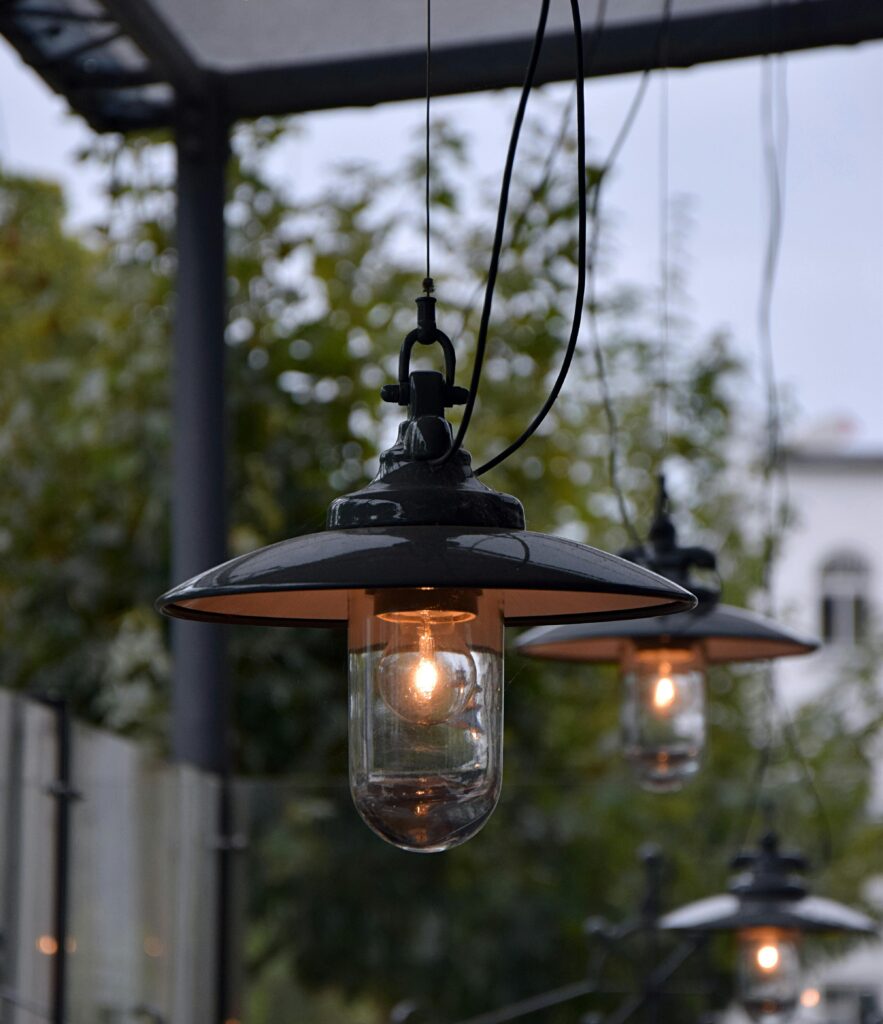
What is the Best Material for Outdoor Lighting Fixtures?
The best material for outdoor lighting fixtures depends on environmental exposure, desired lifespan, and maintenance expectations, but brass, stainless steel, aluminum, copper, and high-quality composites consistently perform the best in real-world outdoor conditions.
Each material excels in different scenarios, which is why understanding their properties is critical before making a purchase.
Why Material Selection Matters for Outdoor Lighting?
Outdoor lighting materials determine how well a fixture performs over years of exposure. A well-chosen material protects internal components, prevents corrosion, and reduces long-term replacement costs.
Key environmental factors that affect material performance include:
- Rain, snow, and humidity
- UV radiation from prolonged sun exposure
- Temperature fluctuations causing expansion and contraction
- Salt air in coastal regions
- Physical impact from wind, debris, or landscaping equipment
Selecting a material that aligns with these conditions ensures reliability and longevity.
See how to feed outdoor cats and not raccoons?
Comparison of the Best Outdoor Lighting Materials
The table below provides a high-level comparison of the most commonly used outdoor lighting materials.
| Material | Corrosion Resistance | Durability | Maintenance Level | Best Use Cases |
|---|---|---|---|---|
| Aluminum | High (with coating) | Moderate | Low | General outdoor use, pathways, patios |
| Stainless Steel | Very High | High | Very Low | Coastal areas, modern designs |
| Brass | Excellent | Very High | Low | Entryways, long-term installations |
| Copper | Excellent | Very High | Low | Decorative and premium lighting |
| Bronze | Excellent | Very High | Low | Architectural and heritage designs |
| Composite Materials | Excellent | High | Very Low | Coastal, humid, and high-impact zones |
This comparison highlights why premium metals and engineered composites dominate long-lasting outdoor lighting designs.
Aluminum Outdoor Lighting Fixtures
Aluminum is one of the most widely used materials for outdoor lighting due to its balance of cost, performance, and versatility. Advantages of aluminum fixtures include:
- Naturally resistant to rust
- Lightweight and easy to install
- Compatible with powder-coated finishes for added protection
- Available in a wide range of styles and colors
However, aluminum can pit or corrode faster in salty coastal environments unless treated with marine-grade coatings.
Stainless Steel Outdoor Lighting Fixtures
Stainless steel is ideal when strength and corrosion resistance are top priorities. Key benefits include:
- Exceptional resistance to moisture and humidity
- Modern, clean aesthetic
- Minimal maintenance requirements
- Long service life even in harsh climates
Marine-grade stainless steel performs especially well in coastal and high-humidity locations.
Brass Outdoor Lighting Fixtures
Brass has been used in outdoor lighting for decades due to its superior durability. Notable characteristics of brass fixtures:
- Will not rust or flake
- Handles extreme weather conditions well
- Develops a natural patina over time
- Often lasts decades with minimal upkeep
Brass is commonly chosen for entryways, lanterns, and permanent outdoor installations.
Copper And Bronze Outdoor Lighting Fixtures
Copper and bronze are premium materials known for their strength and distinctive appearance. These materials offer:
- Excellent resistance to corrosion
- Long-term structural stability
- Unique aging characteristics that enhance visual appeal
- Strong performance in both hot and cold climates
They are often used in architectural lighting and high-end residential applications.
Composite And Polymer Outdoor Lighting Materials
Composite materials are engineered alternatives designed specifically for outdoor exposure.
Key advantages include:
- Completely corrosion-proof
- UV-stabilized to prevent fading
- Impact-resistant construction
- Low maintenance requirements
Composites are particularly effective in coastal, humid, and high-traffic areas where metal fixtures may degrade faster.
Visit our articles page for expert advice, product recommendations, and adventure ideas.
Matching Lighting Materials to Outdoor Environments
Choosing the right material depends heavily on where the fixture will be installed.
For coastal environments:
- Stainless steel
- Brass
- Copper or bronze
- UV-resistant composites
For rainy or humid climates:
- Stainless steel
- Powder-coated aluminum
- Fully sealed composite fixtures
For areas with intense sun exposure:
- Powder-coated metals
- UV-stabilized composites
- Tempered glass or polycarbonate lenses
Matching materials to environmental stressors significantly extends fixture lifespan.
Common Mistakes When Choosing Outdoor Lighting Materials
Many failures occur due to avoidable mistakes during selection. Common issues include:
- Choosing materials without corrosion resistance
- Ignoring environmental exposure such as salt air or constant moisture
- Selecting low-grade plastics that crack or fade
- Overlooking protective coatings and sealing ratings
Avoiding these errors helps prevent premature replacement and maintenance costs.
FAQs
Here are some frequently asked questions about the best materials for outdoor lighting fixtures, with practical guidance to help you make the right choice.
What material lasts the longest for outdoor lighting fixtures?
Brass, bronze, copper, and marine-grade stainless steel typically last the longest due to their superior resistance to corrosion and environmental wear.
Is aluminum a good choice for outdoor lighting?
Yes, aluminum is lightweight, rust-resistant, and affordable, making it ideal for many outdoor applications when properly coated.
Are composite outdoor lighting fixtures better than metal?
Composites excel in corrosion resistance and low maintenance, especially in coastal or humid environments, though metals often offer greater visual appeal.
Does outdoor lighting material affect maintenance?
Yes, corrosion-resistant materials like stainless steel and brass require significantly less maintenance than untreated metals or low-grade plastics.
Which material is best for coastal outdoor lighting?
Marine-grade stainless steel, brass, copper, bronze, and UV-resistant composites perform best in salty coastal conditions.
These answers provide insights on selecting durable and weather-resistant materials, ensuring your outdoor lighting remains functional and visually appealing over time.
Conclusion
The best material for outdoor lighting fixtures depends on climate, exposure, and longevity goals, but stainless steel, brass, copper, aluminum, and high-quality composites consistently deliver the most reliable performance. Choosing the right material ensures durable, weather-resistant lighting that lasts for years.