Soft white and warm white are two common light color options used in outdoor lighting, referring to how warm or yellow the light appears to the human eye.
In real-world outdoor environments, these light tones affect visibility, ambiance, safety, and how materials like stone, wood, plants, and siding visually respond at night.
This article explains the difference between soft white and warm white for outdoor lighting, where each works best, common mistakes homeowners make, and how to choose the right option for your space.
Soft White vs Warm White for Outdoor Lighting?
Soft white and warm white are both suitable for outdoor lighting, but warm white creates a cozier, more inviting glow while soft white provides slightly brighter, clearer illumination. The best choice depends on whether your priority is ambiance, visibility, or functional safety in specific outdoor areas.
What Soft White Lighting Means Outdoors?
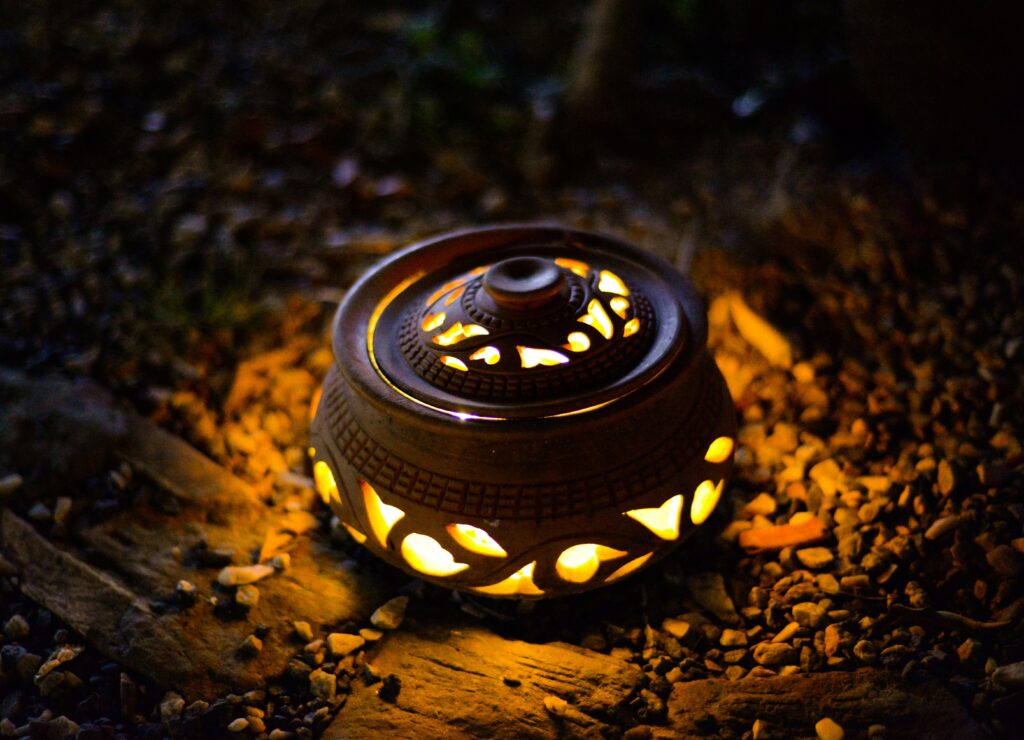
Soft white lighting typically falls in the lower end of the warm color spectrum and produces a gentle yellowish glow.
Outdoors, soft white is commonly used where comfort and familiarity matter more than sharp visibility. It softens shadows, reduces glare, and creates a relaxed appearance that blends naturally with traditional homes, landscaping, and decorative features.
Because it is not overly bright, soft white lighting feels subtle rather than utilitarian.
See how loud is a mini split outdoor unit?
What Warm White Lighting Means Outdoors?
Warm white lighting sits slightly higher in brightness and clarity while still maintaining a warm tone.
In outdoor settings, warm white provides better contrast and visibility without appearing harsh or clinical. It enhances detail on walkways, steps, and architectural features while still feeling welcoming rather than stark.
Warm white is often chosen when homeowners want a balance between safety and atmosphere.
Color Temperature Differences Explained
Color temperature is measured in kelvins and determines how warm or cool light appears.
Before listing ranges, it helps to understand that lower kelvin values appear warmer and more yellow, while higher values move toward neutral or cool tones.
- Soft white typically ranges from about 2700K to 3000K
- Warm white often ranges from about 3000K to 3500K
This small numerical difference can noticeably change how outdoor spaces look and feel at night.
Visual Impact on Outdoor Materials
The choice between soft white and warm white affects how outdoor surfaces appear after dark.
Soft white enhances warm-toned materials like wood, brick, and stone by giving them a softer, classic look. Warm white adds more definition and texture, making surfaces easier to see and details more pronounced.
Plants, pathways, and outdoor furniture often appear sharper under warm white lighting, while soft white creates a more relaxed visual effect.
Best Uses for Soft White Outdoor Lighting
Soft white works best in areas where ambiance and comfort are the primary goals.
Before listing ideal locations, remember that soft white is better for mood than task visibility.
- Porches and entryways meant to feel welcoming
- Patio seating and relaxation areas
- Decorative garden and landscape lighting
- Outdoor dining spaces
These applications benefit from a softer glow that encourages lingering rather than movement.
Best Uses for Warm White Outdoor Lighting
Warm white is better suited for areas where visibility, safety, and functionality matter more.
Understanding its strengths helps ensure proper placement.
- Walkways, steps, and pathways
- Driveways and garage exteriors
- Security-adjacent lighting without harsh glare
- Outdoor work or utility areas
Warm white improves depth perception and reduces shadow-related hazards.
For additional guides and expert recommendations, explore our outdoor insights.
Soft White vs Warm White for Security and Safety
Lighting color plays a subtle but important role in outdoor safety, influencing visibility, depth perception, and how quickly potential hazards are noticed.
| Safety Factor | Soft White Lighting | Warm White Lighting |
|---|---|---|
| Visibility | Softer illumination with reduced contrast | Clearer illumination with improved contrast |
| Edge and Obstacle Detection | Makes edges and uneven surfaces harder to distinguish | Makes steps, edges, and obstacles easier to see |
| Motion Awareness | Can blur movement in low-contrast areas | Enhances detection of movement and activity |
| Suitability for High-Traffic Areas | Less suitable for walkways and entrances | Well suited for paths, driveways, and entry points |
| Overall Safety Performance | Moderate, best for low-risk areas | Strong, better for safety-focused applications |
For security and safety-focused outdoor lighting, warm white is generally the better choice because it improves clarity and awareness, even though it should still be paired with proper fixture placement and motion-based controls.
Energy Efficiency and Bulb Availability
Both soft white and warm white are widely available in energy-efficient LED options.
Energy usage differences between the two are minimal when comparing similar bulbs. The key factors are lumen output and fixture design rather than color temperature alone.
Choosing LED bulbs in either tone ensures long lifespan and reduced maintenance for outdoor installations.
Common Mistakes When Choosing Outdoor Light Color
Many homeowners select outdoor lighting color without considering real-world use.
These mistakes are common and can lead to dissatisfaction.
- Using soft white in high-traffic or safety-critical areas
- Mixing too many color temperatures in one outdoor space
- Choosing brightness without considering glare
- Ignoring how lighting interacts with landscaping and materials
Avoiding these issues creates a more cohesive and functional lighting design.
Can You Mix Soft White and Warm White Outdoors?
Yes, mixing can work when done intentionally.
For example, soft white may be used for seating or decorative areas, while warm white handles walkways and entrances. The key is consistency within each zone to prevent visual confusion.
Thoughtful zoning produces both comfort and safety without sacrificing style.

How to Choose the Right Option for Your Space?
The best choice depends on how each outdoor area is used.
Ask whether the space is meant for relaxing, moving, working, or enhancing curb appeal. Areas focused on comfort usually benefit from soft white, while areas focused on movement and visibility benefit from warm white.
Evaluating purpose first leads to better lighting decisions than choosing based on appearance alone.
Frequently Asked Questions
The following questions clarify common concerns homeowners have when choosing between soft white and warm white for outdoor lighting.
Is soft white or warm white better for outdoor lighting?
Both work well outdoors, but warm white is better for visibility and safety, while soft white is better for ambiance and comfort.
Does warm white look too bright outside?
No, warm white is still a warm tone and usually appears balanced outdoors rather than harsh, especially compared to cool white lighting.
Is soft white good for outdoor security lights?
Soft white is not ideal for security-focused lighting because it provides less contrast and clarity than warm white.
Can I use soft white bulbs on my porch?
Yes, soft white is a popular choice for porches because it creates a welcoming and relaxed appearance.
Should all outdoor lights be the same color temperature?
Not necessarily, but consistency within each area is important to avoid uneven or distracting lighting effects.
These FAQs highlight how choosing the right color temperature improves outdoor comfort, safety, and overall visual appeal.
Conclusion
Soft white creates a cozy, decorative outdoor atmosphere, while warm white delivers clearer visibility and safety, making the best choice dependent on how each outdoor space is used.