A mini split outdoor unit produces sound while operating due to the compressor, fan, and airflow used to move heat between indoor and outdoor environments.
In real-world settings, this sound is influenced by installation quality, surrounding surfaces, operating mode, and distance from living areas.
This article explains how loud a mini split outdoor unit typically is, how it compares to other HVAC systems, what affects noise levels, and how to minimize sound outdoors.
Learn how to plug in outdoor lights without an outlet?
How Loud is a Mini Split Outdoor Unit?
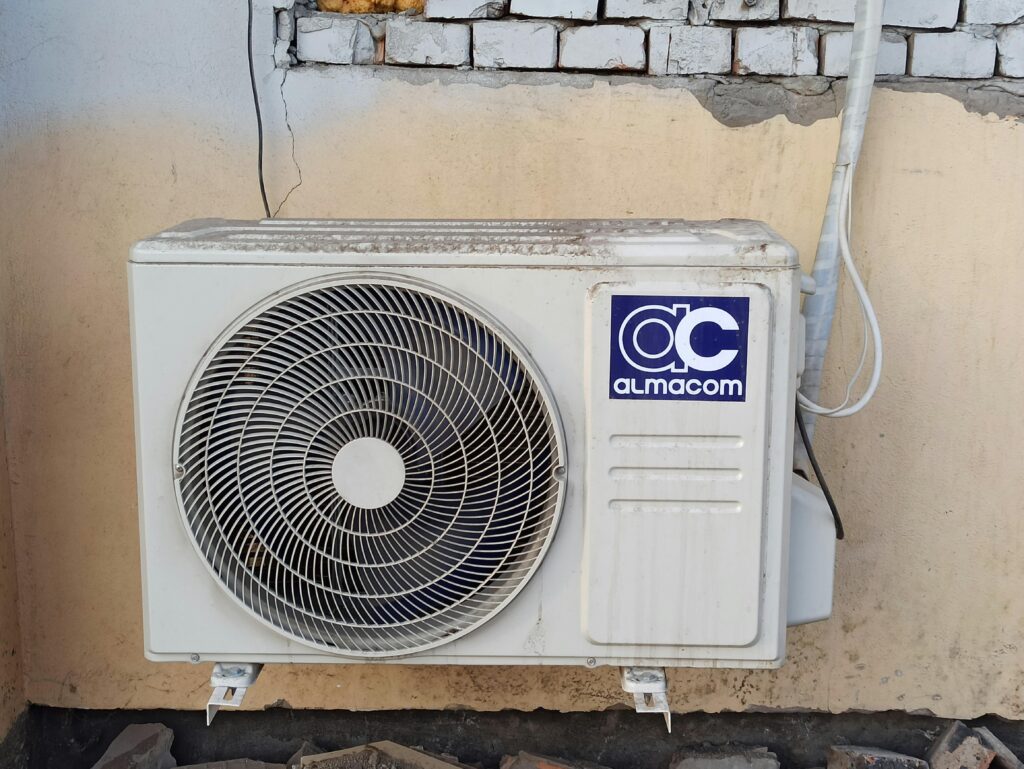
Most mini split outdoor units operate between 40 and 60 decibels, which is roughly comparable to light rainfall, a quiet conversation, or background noise in a suburban neighborhood. At normal operating distances, they are considered very quiet compared to traditional air conditioning systems.
Typical Decibel Levels Explained
Decibels measure sound intensity on a logarithmic scale, meaning small increases represent noticeable changes in loudness.
Before listing comparisons, it helps to understand that sound perception depends on distance and environment as much as the number itself.
- 40 dB: Quiet library or soft ambient noise
- 50 dB: Light rain or gentle airflow
- 60 dB: Normal conversation at close range
Most modern mini split outdoor units fall within this range during standard operation.
Comparison to Traditional Outdoor AC Units
Mini split systems are significantly quieter than conventional outdoor air conditioners, making them ideal for noise-sensitive environments.
| Feature | Traditional Outdoor AC Units | Mini Split Outdoor Units |
|---|---|---|
| Typical Noise Level | 65–75 dB | 40–60 dB |
| Sound Characteristics | Noticeable hum or mechanical noise | Smooth, ramping variable-speed compressor with minimal spikes |
| Suitability for Close Neighbors | Often intrusive | Quiet, suitable for patios, outdoor living areas, and nearby homes |
This comparison highlights why mini splits are better suited for homes with outdoor living spaces or close neighbors.
Why Mini Split Outdoor Units Are Quieter?
Several design factors contribute to reduced noise. Understanding these features explains why mini splits are often chosen for noise-sensitive environments.
- Variable-speed inverter compressors
- Smaller fan assemblies
- Smoother startup and shutdown cycles
- Improved vibration isolation
These design elements minimize both continuous noise and sudden sound changes.
Factors That Affect Outdoor Unit Noise
Actual noise levels can vary depending on conditions. Before listing factors, remember that even a quiet unit can sound louder if installed incorrectly.
- Installation surface and mounting stability
- Proximity to walls, fences, or corners
- Operating mode such as heating versus cooling
- Ambient outdoor temperature
- Age and maintenance condition of the unit
Hard surfaces can reflect sound, while loose mounting can amplify vibration.
Heating Mode vs Cooling Mode Noise
Mini split outdoor units can produce different noise levels depending on whether they are heating or cooling.
| Operating Mode | Noise Characteristics | Notes |
|---|---|---|
| Heating Mode | Slightly louder | Compressor may work harder during defrost cycles, causing temporary increases in sound |
| Cooling Mode | Quieter and more consistent | Normal operation produces steady low-level noise suitable for residential areas |
Understanding these mode-specific differences helps homeowners anticipate noise fluctuations and optimize placement for minimal disruption.
You’ll find additional articles and guides on our outdoor expertise collection.
Distance and Perceived Loudness
Sound decreases rapidly with distance.
At 10 to 15 feet away, most mini split outdoor units blend into background noise and become barely noticeable. Proper placement away from windows, seating areas, and property lines further reduces perceived sound.
Distance is one of the most effective noise-reduction factors.
Common Mistakes That Increase Noise
Many noise complaints result from avoidable installation or placement issues. These mistakes can make even quiet systems seem loud.
- Mounting units directly against reflective walls
- Installing on unstable brackets or pads
- Placing units near bedroom windows or patios
- Ignoring manufacturer clearance requirements
Correcting these issues often reduces noise without replacing equipment.
How to Make a Mini Split Outdoor Unit Quieter?
Noise reduction is often possible with simple adjustments. Before listing methods, note that modifications should never restrict airflow.
- Install on a solid, level concrete pad
- Use vibration-dampening mounts
- Maintain recommended clearances
- Keep the unit clean and debris-free
Professional installation plays a major role in long-term noise performance.
Are Mini Split Outdoor Units Loud at Night?
Most mini split systems are barely noticeable at night.
Because background noise is lower after dark, sound may seem more noticeable, but the actual decibel level remains the same. Many systems also operate at lower output overnight, further reducing noise.
This makes them suitable for residential settings with quiet hours.
When Noise Indicates a Problem?
While some sound is normal, certain noises should not be ignored.
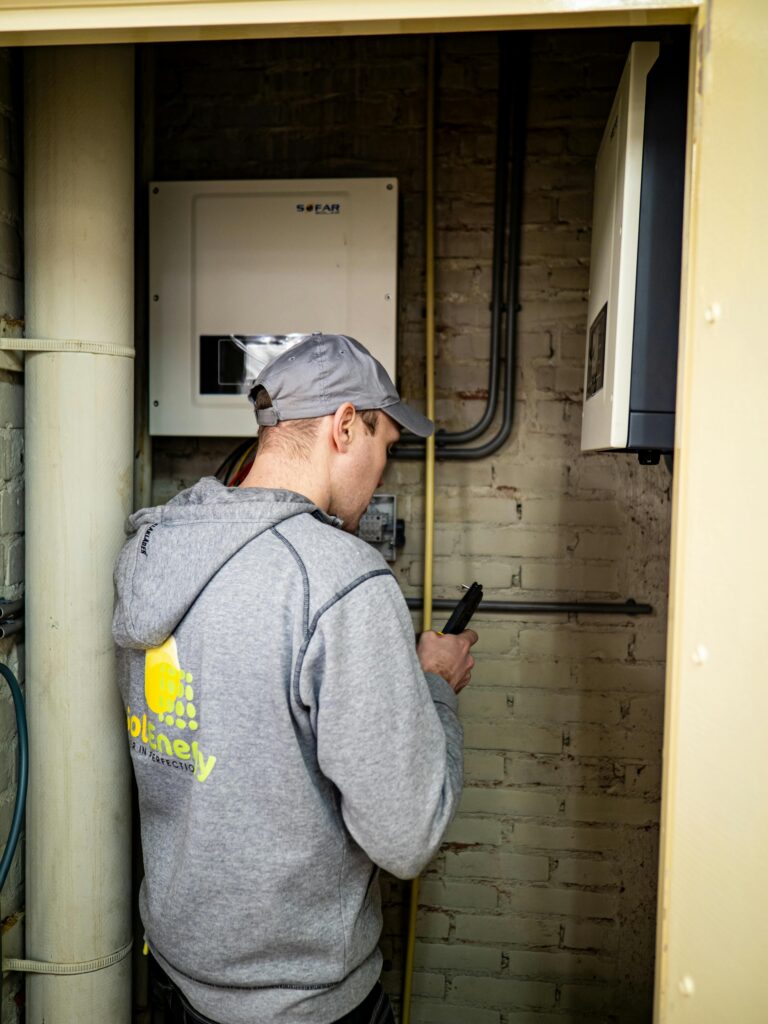
Grinding, rattling, or high-pitched squealing can indicate mechanical issues, loose components, or failing parts. Sudden increases in noise often signal the need for inspection or maintenance.
Addressing issues early prevents damage and restores quiet operation.
Frequently Asked Questions
The following questions address common concerns about mini split outdoor unit noise, real-world expectations, and placement considerations.
How loud is a mini split outdoor unit compared to a window AC?
Mini split outdoor units are usually quieter than window air conditioners, which often produce louder and more noticeable operating noise.
Can you hear a mini split outdoor unit inside the house?
In most cases, no. Properly installed units produce minimal vibration and are rarely audible indoors.
Do mini split outdoor units get louder over time?
They can if maintenance is neglected. Dirt buildup, worn components, or loose mounts can increase noise levels.
Is it normal for a mini split to be louder in winter?
Yes, heating mode and defrost cycles can temporarily increase noise, which is normal for heat pump systems.
Where should a mini split outdoor unit be placed to reduce noise?
Placing the unit on a stable surface away from walls, windows, and seating areas helps minimize perceived noise.
These FAQs reinforce why proper installation, placement, and maintenance are key to keeping mini split outdoor units quiet and unobtrusive.
Conclusion
Mini split outdoor units are among the quietest HVAC options available, typically operating between 40 and 60 decibels, making them well suited for homes where low noise and comfort are priorities.