An outdoor electrical outlet getting wet means moisture has entered or contacted components designed to carry electricity, which can trigger safety mechanisms or create hazardous conditions.
Outdoor outlets are exposed to rain, humidity, sprinklers, and temperature changes, all of which challenge insulation, seals, and electrical connections over time.
This article explains what happens when an outdoor outlet gets wet, the immediate and long-term risks, how safety devices respond, what to do if it occurs, and how to prevent future problems.
For hands-on tips and planning ideas, check our outdoor advice articles.
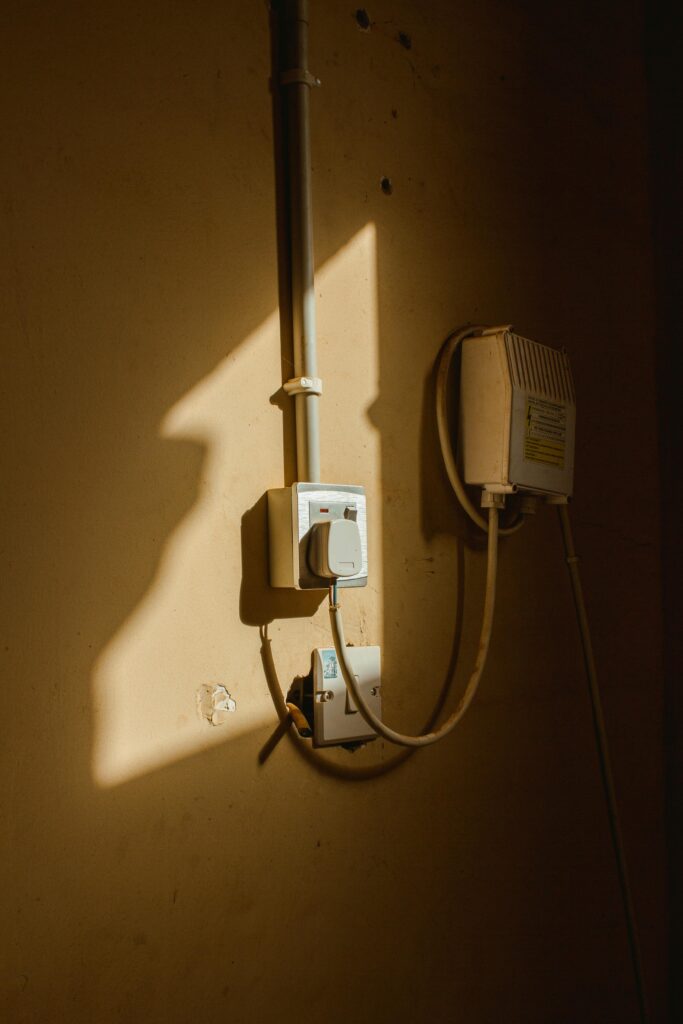
What Happens if an Outdoor Outlet Gets Wet?
If an outdoor outlet gets wet, it can trip a GFCI, stop supplying power, short-circuit, or in unsafe cases create a shock or fire hazard. Modern outdoor outlets are designed to reduce risk, but water intrusion still compromises electrical safety and should never be ignored.
How Water Interacts With Electrical Outlets?
Electricity flows through conductive paths, and water—especially water containing minerals or dirt—can become conductive when it bridges electrical contacts.
When moisture enters an outlet, it can create unintended pathways for current to flow. This may cause immediate tripping of safety devices, corrosion of metal components, or heat buildup if the outlet continues operating under damp conditions.
Even brief exposure can leave residue that affects performance later.
Role of GFCI Protection Outdoors
Most outdoor outlets are protected by a Ground Fault Circuit Interrupter, commonly called a GFCI.
A GFCI monitors the balance of current flowing through a circuit. If it detects even a small leakage of electricity, such as when water creates an unintended path, it shuts off power in milliseconds. This rapid response significantly reduces the risk of electric shock.
If an outdoor outlet gets wet and the GFCI trips, it is a sign the safety system is working as intended.
Immediate Risks When an Outlet Gets Wet
Wet outlets present several immediate dangers that vary based on exposure level and protection.
Before outlining these risks, it is important to understand that even weather-rated outlets are not designed to function while saturated.
- Electric shock if touched while energized
- GFCI tripping and loss of power to connected devices
- Short circuits that interrupt electrical flow
- Sparking or arcing inside the outlet
These risks highlight why wet outlets should never be handled until they are confirmed dry and de-energized.
Long-Term Damage From Moisture Exposure
Even if no immediate failure occurs, moisture can cause gradual deterioration.
Water promotes corrosion on metal contacts and screws, increasing electrical resistance. Over time, this can lead to overheating, unreliable connections, and eventual outlet failure. Repeated wetting also degrades plastic housings and insulation, reducing their protective capability.
Long-term moisture exposure is a common cause of outdoor outlet replacements.
Can a Wet Outlet Cause a Fire?
Yes, in certain conditions a wet outdoor outlet can contribute to a fire hazard.
If moisture causes corrosion or loose connections, resistance increases. Increased resistance generates heat, which can ignite surrounding materials if the outlet continues to supply power. While GFCI protection reduces this risk, older installations or damaged outlets may not respond properly.
This is why persistent moisture problems should be addressed promptly rather than ignored.
Compare soft white vs warm white for outdoor lighting?
What To Do if an Outdoor Outlet Gets Wet?
Knowing the correct response helps prevent injury and damage.
Before listing steps, remember that safety should always take priority over restoring power quickly.
- Do not touch the outlet while wet
- Turn off power at the breaker if safe to do so
- Allow the outlet to dry completely before use
- Test and reset the GFCI after drying
- Replace the outlet if corrosion or damage is visible
Taking these steps reduces both immediate and future risks.
When a Wet Outlet Needs Replacement?
Not all wet outlets can be safely reused.
If the outlet shows rust, discoloration, cracking, or frequent GFCI trips, replacement is usually the safest option. Outdoor-rated outlets and covers are relatively inexpensive compared to the potential cost of electrical damage or injury.
Repeated moisture intrusion is a strong indicator that the outlet or its enclosure is no longer effective.
Importance of Weatherproof Covers
Weatherproof covers play a critical role in outdoor outlet safety.
In-use covers protect outlets even when cords are plugged in, preventing rain and splashing water from entering. Older flip-style covers may meet basic code requirements but offer less protection during active use.
Upgrading covers is often one of the simplest and most effective preventive measures.
Common Causes of Outdoor Outlets Getting Wet
Understanding why outlets get wet helps prevent repeat incidents.
These causes are frequently overlooked during installation or maintenance.
- Missing or damaged weatherproof covers
- Improperly sealed electrical boxes
- Sprinklers aimed toward outlets
- Cracked siding or mounting surfaces
- Flooding or pooling water near outlets
Addressing these root causes improves long-term reliability.
How Code Requirements Reduce Risk?
Electrical codes require outdoor outlets to meet specific safety standards.
These standards typically include GFCI protection, weather-resistant receptacles, and appropriate enclosures. While code-compliant installations reduce risk, they do not eliminate the need for regular inspection and maintenance.
Code compliance is a baseline, not a guarantee against all moisture issues.
Preventing Future Moisture Problems
Preventive measures significantly reduce the likelihood of wet outlets.
Before outlining best practices, note that prevention is far easier than repairing damage.
- Install in-use weatherproof covers
- Ensure outlets are properly sealed to mounting surfaces
- Keep sprinklers and hoses directed away
- Inspect outlets periodically for wear or cracks
Consistent prevention protects both the outlet and connected equipment.
Frequently Asked Questions
The following questions address common safety concerns, code-related issues, and practical scenarios homeowners face with wet outdoor electrical outlets.
Is it safe to use an outdoor outlet after it gets wet?
Only after it is completely dry and has been inspected for damage. Using a damp outlet increases shock and fire risk.
Why does my outdoor outlet keep tripping after rain?
Moisture inside the outlet or wiring can trigger the GFCI repeatedly, indicating water intrusion that needs correction.
Can rain damage a GFCI outlet?
Yes, repeated exposure can corrode internal components, eventually causing nuisance trips or failure.
Should outdoor outlets be covered at all times?
Yes, outdoor outlets should always have weatherproof covers, preferably in-use covers for maximum protection.
Do all outdoor outlets have to be GFCI protected?
In most regions, electrical codes require GFCI protection for outdoor outlets to reduce shock risk.
These FAQs reinforce why moisture control, proper installation, and routine inspection are critical to maintaining safe outdoor electrical outlets.
Conclusion
If an outdoor outlet gets wet, it can trip safety devices, cause damage, or create serious hazards, making prompt drying, inspection, and proper weatherproofing essential for long-term electrical safety.