Table of Contents
Choosing the right gazebo material directly affects durability, maintenance, appearance, and long-term value.
Many homeowners struggle to decide because each material offers different benefits depending on climate, budget, and intended use.
Understanding how each option performs in real-world outdoor conditions is the key to making a confident, lasting decision.
What is the Best Material for Outdoor Gazebo?
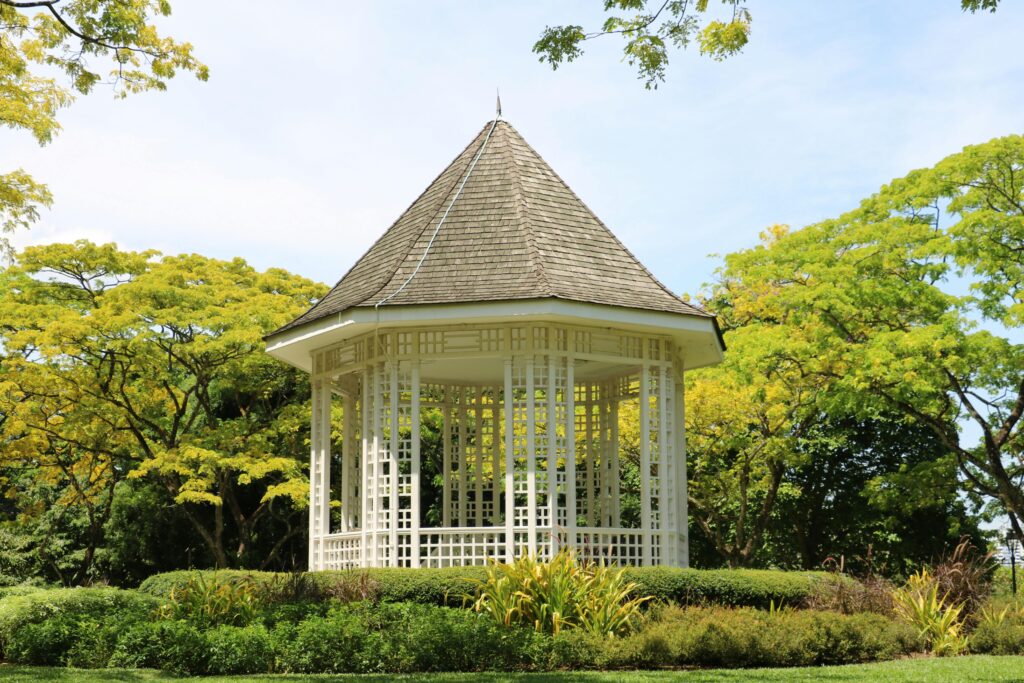
The best material for an outdoor gazebo depends on your climate, maintenance tolerance, budget, and aesthetic preference, but cedar wood and powder-coated aluminum are generally considered the top overall choices.
Cedar excels in natural beauty and weather resistance, while aluminum offers exceptional durability with minimal maintenance, making them the most balanced options for most homeowners.
Why Gazebo Material Choice Matters More Than Design?
Material selection determines how well your gazebo withstands weather, pests, and time. A beautiful design can quickly lose value if the structure warps, rusts, or deteriorates prematurely.
Weather Resistance and Climate Compatibility
Outdoor gazebos face constant exposure to sun, rain, wind, snow, and humidity. Materials react differently depending on environmental conditions, which directly impacts lifespan.
Maintenance Requirements Over Time
Some materials require annual sealing or repainting, while others remain virtually maintenance-free for decades. Understanding upkeep expectations prevents future frustration.
Structural Strength and Safety
A gazebo must safely support its roof and withstand wind loads. Stronger materials provide better stability, especially in storm-prone areas.
Long-Term Cost Efficiency
Lower upfront cost does not always equal better value. Materials with longer lifespans and lower maintenance often cost less over time.
Cedar Wood Gazebos: The Best Natural Material Choice
Cedar is widely regarded as the best wood for outdoor gazebos due to its natural resistance and visual appeal.
Advantages of Cedar Wood
Cedar offers a unique combination of beauty and performance that few materials can match.
- Naturally resistant to rot, decay, and insects
- Lightweight yet structurally strong
- Pleasant natural aroma and rich grain appearance
- Performs well in humid and rainy climates
These qualities make cedar an excellent balance of durability and aesthetics for outdoor structures.
Disadvantages of Cedar Wood
Despite its strengths, cedar does require some upkeep.
- Requires sealing or staining every 1–2 years
- Higher cost compared to pressure-treated wood
- Color fades to gray if left untreated
Overall, cedar is ideal for homeowners who value natural beauty and are willing to perform light maintenance.
Pressure-Treated Wood Gazebos: Budget-Friendly But Limited
Pressure-treated wood is often chosen for affordability but comes with trade-offs.
Pros of Pressure-Treated Wood
This material is treated to resist rot and insects, making it more durable than untreated lumber.
- Lower initial cost
- Widely available
- Strong structural performance
Cons of Pressure-Treated Wood
However, it is not the most refined or long-lasting option.
- Prone to warping and cracking
- Requires frequent sealing
- Chemical treatment affects appearance
Pressure-treated wood works best for temporary or budget-focused installations rather than long-term backyard features.
Aluminum Gazebos: Best Low-Maintenance Option
Powder-coated aluminum is often considered the best material for outdoor gazebos when maintenance-free durability is the priority.
Benefits of Aluminum Gazebos
Aluminum performs exceptionally well across most climates.
- Rust-resistant and corrosion-proof
- Lightweight but strong
- Minimal maintenance required
- Modern, clean appearance
These advantages make aluminum ideal for busy homeowners and harsh weather regions.
Limitations of Aluminum Gazebos
While highly practical, aluminum has a few drawbacks.
- Less natural appearance than wood
- Can feel industrial in traditional landscapes
- Higher upfront cost than steel
For long-term durability with minimal effort, aluminum is one of the best overall choices.
Check out how long does it take for outdoor paint to dry?
Steel Gazebos: Maximum Strength With Added Weight
Steel gazebos are known for strength but require careful consideration.
Strengths of Steel Gazebos
Steel provides exceptional structural integrity.
- Extremely strong and wind-resistant
- Suitable for large or permanent installations
- Often more affordable than aluminum
Weaknesses of Steel Gazebos
Without proper coatings, steel can become problematic outdoors.
- Susceptible to rust if coating is damaged
- Heavier and harder to install
- Requires periodic inspection and maintenance
Steel is best for permanent gazebos in low-humidity environments.
Discover in-depth articles on outdoor equipment maintenance and protection techniques in our blog section.
Vinyl Gazebos: Clean Look With Moderate Durability
Vinyl gazebos are popular for their clean, uniform appearance.
Advantages of Vinyl Gazebos
Vinyl offers convenience and consistency.
- Low maintenance
- Resistant to moisture and insects
- Does not require painting
Drawbacks of Vinyl Gazebos
Vinyl is not the strongest material available.
- Can become brittle in extreme cold
- Limited color options
- Less structural strength than metal
Vinyl works well in mild climates where aesthetics and ease of care are priorities.
Composite Gazebos: Modern and Weather Resistant
Composite materials blend wood fibers with plastic for enhanced performance.
Why Composite Materials are Appealing?
Composite gazebos combine durability with style.
- Resistant to rot, insects, and moisture
- Minimal maintenance
- More natural appearance than vinyl
Where Composite Falls Short?
Despite advantages, composites are not perfect.
- Higher cost
- Limited design availability
- Can retain heat in hot climates
Composite is best for homeowners seeking a modern solution with long-term durability.
Best Gazebo Material by Climate
Climate plays a decisive role in determining the best gazebo material.
Hot and Sunny Climates
Materials that resist UV damage and heat perform best.
- Aluminum
- Vinyl
- Composite
These materials resist warping and fading under intense sun exposure.
Rainy and Humid Climates
Moisture resistance becomes essential.
- Cedar
- Aluminum
- Composite
These options minimize rot, rust, and mold.
Snowy and Windy Regions
Structural strength is critical.
- Steel
- Aluminum
- Cedar with reinforced framing
These materials handle snow loads and strong winds more effectively.
Common Mistakes When Choosing Gazebo Materials
Many buyers focus on appearance alone, which can lead to regret.
- Choosing untreated wood for wet climates
- Ignoring maintenance requirements
- Selecting lightweight materials for windy areas
- Prioritizing low cost over long-term durability
Avoiding these mistakes ensures better performance and satisfaction.
Final Verdict: What is the Best Material for Outdoor Gazebo?
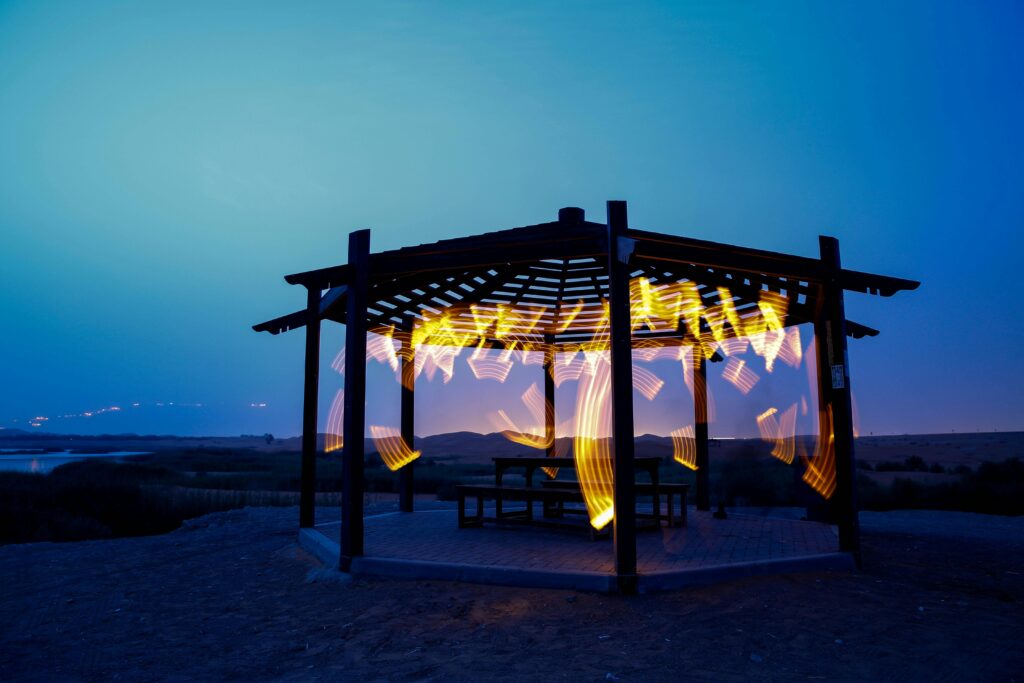
The best material for an outdoor gazebo depends on priorities, but cedar wood offers the best natural balance of beauty and durability, while powder-coated aluminum delivers the best overall performance with minimal maintenance. Homeowners seeking long-term value should focus on climate compatibility, upkeep expectations, and structural needs rather than appearance alone.
Frequently Asked Questions
Here are some frequently asked questions about the best materials for outdoor gazebos, with practical guidance to help you choose a durable and attractive option.
What is the longest lasting material for an outdoor gazebo?
Powder-coated aluminum and composite materials typically last the longest, often exceeding 20 years with minimal maintenance.
Is wood or metal better for an outdoor gazebo?
Wood offers natural beauty and customization, while metal provides superior durability and low maintenance. The better choice depends on personal preference and climate.
Does a gazebo need to be weatherproof?
Yes, outdoor gazebos should be weather-resistant to prevent rot, rust, and structural damage over time.
What is the best gazebo material for high wind areas?
Steel and aluminum are best for high wind regions due to their strength and stability.
Are vinyl gazebos durable enough for year-round use?
Vinyl gazebos perform well in mild climates but may become brittle in extreme cold or intense heat.
These answers provide insights on selecting the ideal gazebo material, ensuring your structure withstands the elements while complementing your outdoor space.
Conclusion
Choosing the right material for an outdoor gazebo is essential for durability, weather resistance, and long-term enjoyment. Materials such as treated wood, metal, and high-quality synthetic options each offer unique benefits depending on maintenance preferences, climate, and aesthetic goals.
By selecting the most suitable material for your needs, you ensure your gazebo remains sturdy, attractive, and functional for years to come.