Polyurethane is a protective coating used on wood surfaces to prevent damage from moisture, sun exposure, and daily wear.
Outdoor environments present unique challenges, including rain, UV rays, and temperature fluctuations, which require specialized polyurethane formulations to maintain wood durability and appearance.
This article will cover the types of polyurethane suitable for exterior use, their pros and cons, application techniques, common mistakes, and tips for achieving long-lasting results.
What is the Best Polyurethane for Outdoor Use?
The best polyurethane for outdoor use is a high-quality exterior polyurethane specifically formulated to resist UV rays, water, and temperature changes. Look for products labeled “exterior” or “marine” polyurethane, as these contain additives that prevent yellowing, cracking, or peeling under outdoor conditions.
Oil-based exterior polyurethanes typically offer superior durability and depth of finish, while water-based options provide easier cleanup and faster drying. Choosing the right finish depends on the wood type, exposure conditions, and desired sheen.
Types of Polyurethane for Exterior Use
Choosing the right type of polyurethane is essential for long-lasting protection.
Oil-Based Polyurethane
Oil-based polyurethanes are thicker and create a durable, deep amber finish that enhances the natural wood grain.
Oil-based options are ideal for wood that needs maximum protection in harsh outdoor conditions.
- Pros: Excellent durability, rich color, long-lasting protection against UV and moisture.
- Cons: Longer drying time, stronger odor, requires mineral spirits for cleanup.
- Best Use: Decks, outdoor furniture, and high-traffic wood surfaces.
When longevity and deep finish are priorities, oil-based polyurethane is a top choice for exterior wood.
Water-Based Polyurethane
Water-based polyurethanes are clear, fast-drying, and low in odor, making them convenient for outdoor use.
Water-based polyurethanes are perfect for clear finishes and quick projects with minimal odor.
- Pros: Quick drying, easy cleanup with soap and water, minimal yellowing.
- Cons: Slightly less durable than oil-based, may require more coats.
- Best Use: Outdoor trim, fences, and wood that requires a clear finish without color change.
These coatings are excellent when you want a clear, fast-drying, low-maintenance finish.
See how to plug in christmas lights without outdoor outlet?
Spar Urethane / Marine Polyurethane
Specially formulated for extreme outdoor conditions, spar urethane or marine polyurethane contains UV blockers and flexible resins.
- Pros: Exceptional UV protection, flexible to prevent cracking in temperature changes, water-resistant.
- Cons: Higher cost, can be tricky to apply evenly.
- Best Use: Boats, exterior doors, outdoor furniture, and exposed wood surfaces.
For wood exposed to the elements, spar urethane provides the ultimate combination of protection and flexibility.
Preparing Wood for Polyurethane Application
Proper surface preparation is crucial to achieve a smooth, durable finish.
Clean and Sand the Wood
Cleaning and sanding the wood ensures the polyurethane adheres properly.
- Remove dirt, dust, and old finishes using mild soap or sandpaper.
- Sand with progressively finer grits (120–220) to create a smooth surface.
- Wipe off dust with a tack cloth before applying polyurethane.
Well-prepared wood surfaces make the finish smoother, longer-lasting, and visually appealing.
Choose the Right Conditions
Environmental conditions during application can make or break the finish.
- Apply in moderate temperatures and low humidity for best results.
- Avoid direct sunlight, as it can cause bubbles or streaks in the finish.
Optimal conditions reduce defects and ensure a professional-quality coating.
Test on a Small Area
Testing ensures compatibility and desired appearance before full application.
- Test the polyurethane on a hidden section to ensure color, sheen, and compatibility with the wood.
A small test prevents surprises and helps achieve consistent results.
Application Techniques for Outdoor Polyurethane
Applying polyurethane correctly is as important as selecting the right product.
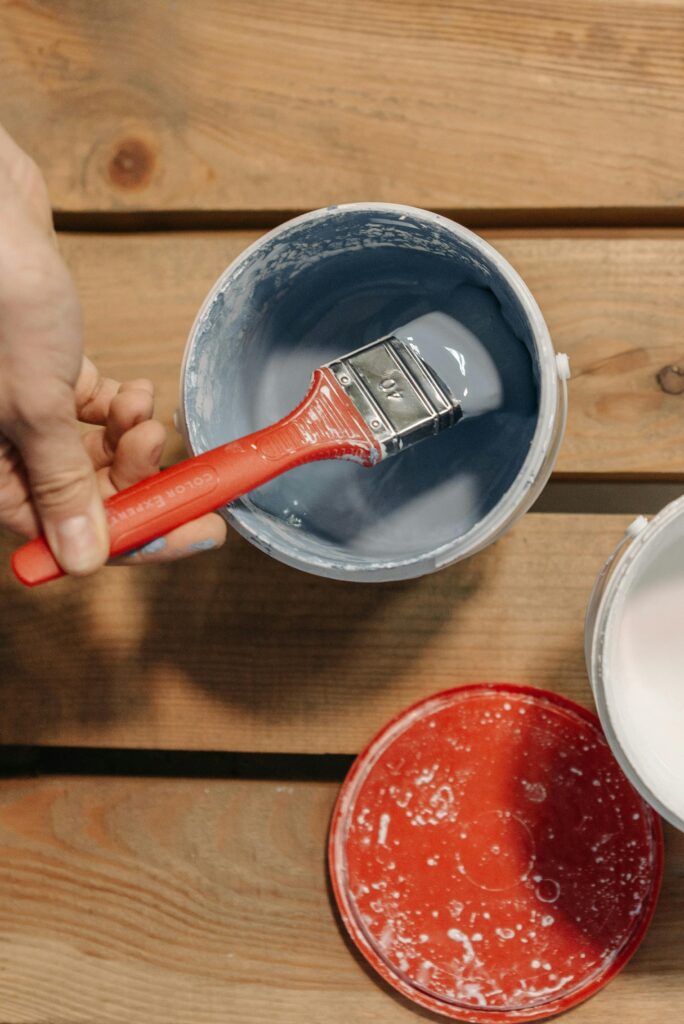
Brush Application
Brushing is a reliable method for controlled, even coats.
- Use a high-quality natural or synthetic brush.
- Apply thin, even coats in the direction of the wood grain.
- Avoid over-brushing, which can create bubbles or streaks.
Proper brushing techniques result in a smooth, durable finish with minimal imperfections.
Spray Application
Spraying is ideal for large surfaces or intricate designs.
- Spraying allows faster coverage and uniform coats, especially on large surfaces.
- Maintain consistent distance and smooth motion to avoid runs.
- Requires proper ventilation and protective equipment.
Spraying ensures even coverage on complex or extensive wood projects.
Wiping or Rags (for Oil-Based Polyurethane)
Cloth application provides a thin, controlled finish for small or detailed pieces.
- Some oil-based polyurethanes can be applied with a cloth for a thinner, more controlled coat.
- Ideal for small furniture pieces or intricate woodwork.
Wiping is effective for detailed areas where brushes or spray may not reach.
Number of Coats
Multiple coats build durability and enhance appearance.
- Apply 2–4 coats depending on exposure and durability needs.
- Lightly sand between coats for a smooth, professional finish.
Layering ensures maximum protection and a refined, long-lasting finish.
Practical Tips for Outdoor Polyurethane Success
Small precautions can dramatically improve the longevity and appearance of your finish. Following these tips ensures maximum durability and aesthetic appeal.
- Always stir, do not shake, the polyurethane to avoid bubbles.
- Remove hardware and cover nearby surfaces to prevent drips.
- Keep pets and dust away during drying.
- Reapply every 2–3 years for heavily exposed surfaces.
- Use UV-resistant topcoats if the product doesn’t contain UV blockers.
Attention to these practical steps guarantees a long-lasting, attractive finish.
Common Mistakes to Avoid
Understanding mistakes prevents premature failure of the coating. Avoiding common errors helps your outdoor polyurethane maintain strength and beauty.
- Applying thick coats that lead to runs or slow drying.
- Skipping sanding between coats.
- Using indoor polyurethane for outdoor applications.
- Ignoring manufacturer instructions or recommended drying times.
- Applying in high humidity or extreme temperatures.
Awareness of these pitfalls ensures a professional-quality finish that lasts for years.
Polyurethane Comparison for Outdoor Use
A quick-reference table highlights key differences among polyurethane types.
| Polyurethane Type | Pros | Cons | Best Use |
|---|---|---|---|
| Oil-Based Exterior | Durable, rich finish, UV resistant | Long drying, strong odor | Decks, furniture, high-traffic wood |
| Water-Based Exterior | Fast drying, clear, low odor | Slightly less durable, more coats | Fences, trim, clear finish wood |
| Spar/Marine Urethane | UV blockers, flexible, water-resistant | Higher cost, tricky application | Boats, doors, exposed furniture |
This comparison helps you select the right polyurethane based on performance, application, and exposure conditions.

After Applying Polyurethane
Once the finish is complete, proper maintenance preserves durability. Post-application care ensures your exterior wood continues to look and perform its best.
- Wait at least 24–48 hours before exposure to moisture or heavy use.
- Inspect annually for wear or peeling, and reapply as needed.
- Clean gently with mild soap and water to remove dirt without damaging the finish.
Regular maintenance prolongs protection, preserves appearance, and reduces the need for early refinishing.
You’ll find additional articles and guides on our outdoor expertise collection.
FAQs
Here are some common questions about using polyurethane outdoors:
Can I use indoor polyurethane for outdoor wood?
No. Indoor polyurethane lacks UV and weather resistance and will likely crack, peel, or yellow quickly when exposed to sunlight and moisture. Always choose exterior-rated products.
How many coats of polyurethane do I need for outdoor furniture?
Apply 2–4 thin coats depending on exposure. Heavily used surfaces or areas exposed to sunlight and rain may benefit from 3–4 coats.
Is oil-based or water-based better for outdoor use?
Oil-based offers superior durability and depth, while water-based dries faster, has low odor, and maintains clear color. Spar/marine urethane provides the best overall protection for extreme conditions.
Can I apply polyurethane over stained wood outdoors?
Yes. Allow the stain to fully dry and cure before applying polyurethane. Test on a small area to ensure compatibility and even finish.
How often should I reapply outdoor polyurethane?
Reapplication typically occurs every 2–3 years for heavily exposed surfaces. Inspect annually and touch up worn areas to maintain protection.
These FAQs address key considerations for material selection, application, and maintenance of exterior polyurethane finishes.
Conclusion
In conclusion, choosing the right exterior polyurethane, preparing the wood, and applying it correctly ensures long-lasting protection for outdoor surfaces. Following tips, avoiding mistakes, and performing proper maintenance keeps wood looking great and safeguarded against weather, UV, and moisture for years.